
Jeonse or Wolse: Which Costs Less? A Break-Even Method
Compare annual rent saved with the extra jeonse deposit, then add weighted funding cost, fees, expected stay and a separate deposit-safety gate.

Neither jeonse nor wolse is automatically cheaper. Compare the annual rent avoided with the additional deposit required, then test whether your real cost of supplying that deposit is lower or higher than the resulting break-even rate.
The Seoul Metropolitan Government housing guide describes jeonse as a large refundable deposit for a fixed lease without monthly rent, while wolse combines a smaller deposit with monthly rent. Our guide to why jeonse deposits can become enormous explains the structure. The calculation below compares cost; it does not certify that a deposit is safe.
Calculate one break-even rate
Use two genuinely comparable offers, ideally for the same unit:
- Jeonse: ₩300 million deposit, no monthly rent
- Wolse: ₩50 million deposit + ₩1 million monthly rent
- Extra jeonse deposit: ₩250 million
- Annual rent avoided: ₩12 million
- Break-even rate: ₩12 million ÷ ₩250 million = 4.8% a year
If the weighted annual cost of the extra ₩250 million is below 4.8%, jeonse leads before fees and risk. If it is above 4.8%, wolse leads. This is not an investment forecast.
Price the money you will actually use
Split the extra deposit by source:
- Borrowed money: effective loan interest plus recurring financing charges. Model rate resets.
- Your cash: realistic after-tax return surrendered by locking up the money—not a promotional rate or hoped-for volatile return.
- Weighted cost: total annual cost of both portions ÷ extra deposit.
If ₩150 million is borrowed at 4.5% and ₩100 million of cash could earn 3% after tax, annual cost is ₩6.75 million + ₩3 million = ₩9.75 million, or 3.9% of ₩250 million. That beats 4.8% before other costs.
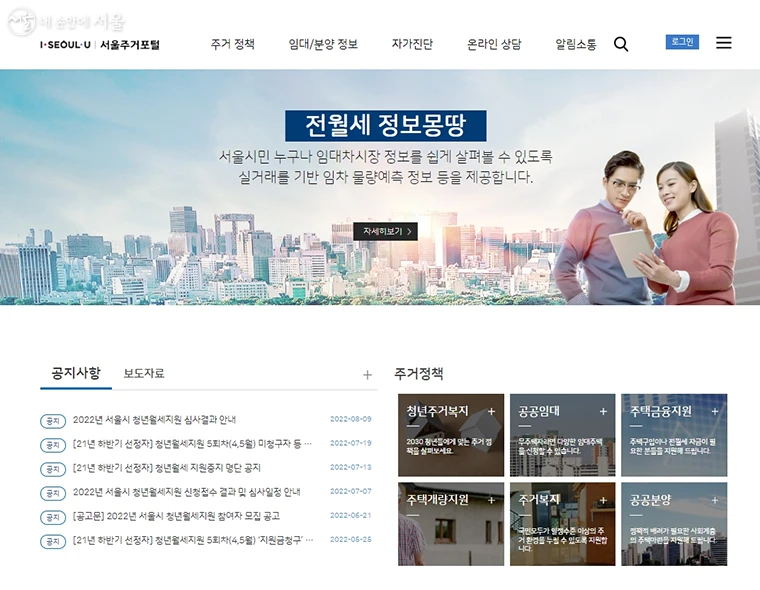
Historical district averages can check whether an offer looks unusual, but cannot price one home’s floor, age, condition, registered debt or landlord. Use the actual terms you can sign.
Add the costs the headline terms omit
For the months you realistically expect to stay, include:
- loan and cash opportunity cost;
- monthly rent;
- brokerage and loan setup;
- eligible deposit-return guarantee premium;
- plausible early-exit, overlap or second-brokerage cost;
- only the difference in management charges or included services.
The Seoul brokerage-fee guide explains that transaction value is calculated differently for jeonse and monthly-rent leases. Confirm the current cap, VAT and negotiated fee for the exact contract.
Spread one-time costs across the likely stay. A short stay may never recover setup costs; in a full two-year term, recurring rent and interest matter more. Run low, base and high funding-cost cases. If a small change flips the winner, liquidity and deposit-return protection matter more than a fragile projected saving.
Do not confuse your break-even rate with the legal conversion cap
Article 7-2 of the current Housing Lease Protection Act, effective January 2, 2026, limits rent when a covered deposit is converted to monthly rent. Enforcement Decree Article 9 says to use the lower of 10% or the Bank of Korea base rate plus two percentage points.
The Bank of Korea raised its base rate to 2.75% on July 16, 2026, so that second figure is 4.75% as of August 12, 2026. Recheck the live law and base rate on the contract date. The statutory cap limits a covered conversion; your break-even rate measures what the extra deposit costs you. They answer different questions.
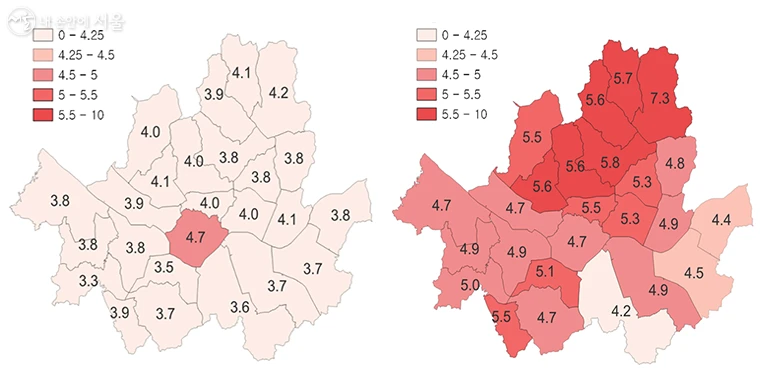
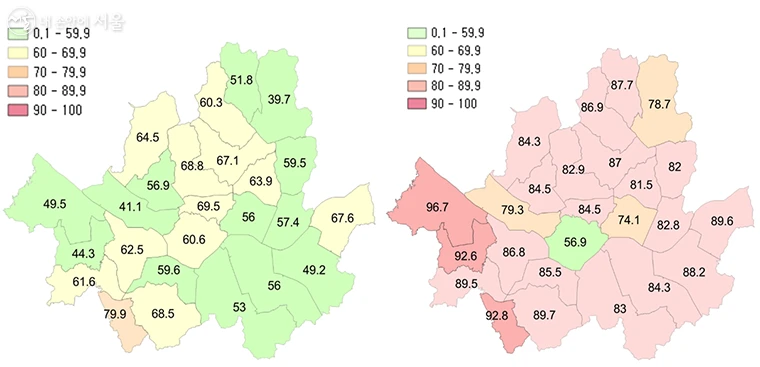
These are historical 2022 graphics. Conversion rate and jeonse-to-sale ratio are different measures, and neither replaces current due diligence on the exact home.
Apply a safety gate before calling anything cheap
Check title and registered rights, owner identity, senior claims, market sale value, tax or seizure issues, guarantee eligibility, move-in/registration protections and the return plan before transferring a large deposit. Our jeonse risk explainer separates structural cash-flow risk from the false idea that every contract is fraud.
Do not invent an expected-loss percentage. If an offer fails your legal and deposit-return screen, exclude it even if its spreadsheet cost looks lower. Include tax deductions or housing support only after verifying your own residency, income, household, property and documentation eligibility. For a large or unfamiliar lease, use a qualified Korean housing or legal adviser.
The core formula is still one line: annual rent avoided ÷ extra jeonse deposit = break-even rate. Compare it with the weighted cost of your real money, add stay-specific fees, then reject any deposit risk you cannot verify.
Sources and asset credits
- Seoul wolse/jeonse guide — Basic lease structures and multilingual counseling; rechecked August 12, 2026
- Seoul housing portal image — Delivery Spot licensed historical Seoul asset
- Seoul brokerage-fee guide — Transaction-value and fee context
- Housing Lease Protection Act Article 7-2 — Current statutory conversion-cap rule
- Enforcement Decree Article 9 — Current 10% / base-rate-plus-2 rule
- Historical conversion-rate graphic — Delivery Spot licensed Seoul asset
- Historical jeonse-to-sale graphic — Delivery Spot licensed Seoul asset
- Real-estate listing-board credit — News1 via Seoul MediaHub; operator permission
- Historical market-data credits — Seoul Metropolitan Government via Seoul MediaHub; operator permission
- Bank of Korea decision, July 16, 2026 — Base rate raised to 2.75%
- Cover image — Delivery Spot licensed real-estate listing-board asset
Last updated


