
Why Jeonse Deposits Can Reach ₩1 Billion
Jeonse replaces most or all monthly rent with a huge refundable deposit. Understand what the tenant receives, how owners use the capital, and where repayment risk begins.
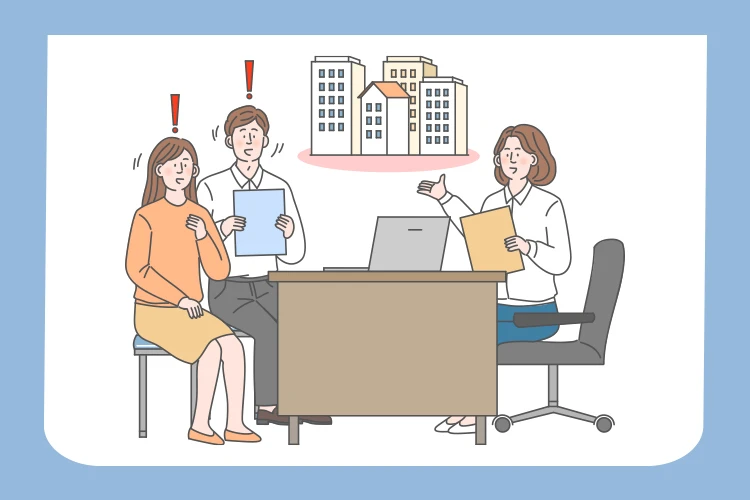
A tenant who pays a ₩1 billion jeonse deposit does not buy part of the home. The money goes to the landlord for the lease term; the tenant receives the right to live there with little or no monthly rent and a contractual claim to have the same principal returned at the end. Ownership and any rise in property value remain with the landlord.
Jeonse is therefore two things at once: a housing lease and a very large financing transaction. “Refundable” describes the landlord’s duty. It does not mean the money sits untouched or that repayment is risk-free.
What the tenant pays—and receives
The Seoul Metropolitan Government housing guide describes jeonse as entrusting a deposit to the landlord and leasing the home, commonly for one to two years. It says the landlord must return the full amount when the contract ends. The signed contract and Korean law control the actual dates, duties, and deductions.
A typical sequence is:
- Verify the property, owner, registered claims, price, and contract terms.
- Sign and pay the agreed contract amount; Seoul’s general guide describes 10% as a common first payment, but the actual contract controls.
- Pay the balance at move-in and complete the tenant-protection steps for that transaction.
- Live in the home with no monthly rent under a pure jeonse, while still paying agreed management charges, utilities, loan interest, and other costs.
- At the end, return possession and receive the deposit from the landlord—unless repayment is delayed or disputed.
Example: an apartment is valued at ₩1.2 billion and the jeonse deposit is ₩800 million. The tenant may use savings, a jeonse loan, or both. Two years later, the landlord owes ₩800 million, not a share of the apartment and not ₩800 million plus the home’s appreciation.
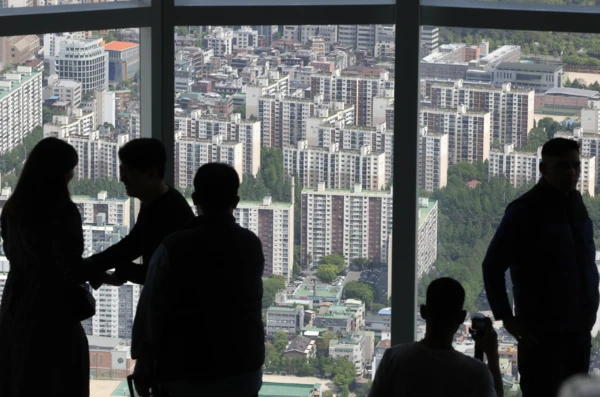
Calling this “free rent” hides the exchange. The landlord receives a huge pool of capital. The tenant receives use of the home and a claim for repayment, while bearing loan interest or lost investment return, fees, and credit risk.
Why a landlord accepts no monthly rent
A Bank of Korea financial-stability analysis characterizes jeonse economically as a form of housing repo: the landlord effectively borrows from the tenant against the home.
The landlord may use the deposit to finance a purchase, repay other debt, invest, or return the previous tenant’s deposit. The common explanation that every owner simply keeps the money in a bank and lives on interest is incomplete. The deposit is a debt to the tenant whether it is held safely or used inside a leveraged balance sheet.
For the tenant, the real cost can include:
- interest on a jeonse loan;
- investment return forgone on cash;
- guarantee premium, brokerage, moving, reporting, and advice costs;
- management charges and utilities; and
- the timing and risk of recovering the principal.
The arrangement can work when the property value, owner’s finances, and repayment plan are sound. It becomes fragile when the owner depends on a new tenant’s deposit and the next deposit is smaller.
Why Korea developed this model
The Encyclopedia of Korean Culture traces the modern system through late-nineteenth-century urban change and says it became firmly established amid postwar housing shortages and industrialization. It also distinguishes modern jeonse from older property-backed private lending, so a single “invention date” oversimplifies the history.
Before modern housing finance was broadly available, jeonse supplied owners with purchase capital without a conventional interest payment, while tenants obtained housing by tying up a large share of value instead of paying monthly rent. Housing shortages and long periods of rising prices helped the system persist. Changes in formal credit, interest rates, prices, guarantees, and rental supply change the balance between jeonse and monthly rent.
Jeonse, wolse, and semi-jeonse
- Jeonse: very large refundable deposit, little or no monthly rent.
- Wolse: smaller deposit plus monthly rent.
- Banjeonse / semi-jeonse: substantial deposit plus reduced monthly rent.
Read deposit and rent together. A higher deposit may reduce monthly rent; a lower deposit may raise it. Building-management charges are a separate line.
A Living in Korea discussion shows a common newcomer misunderstanding: a pure jeonse deposit is not “the first month of rent.” Treat that thread only as evidence of recurring confusion, not as legal, pricing, or guarantee guidance.
Why repayment can fail
The landlord’s legal obligation is not the same as segregated cash. Repayment may depend on other cash, refinancing, a sale, or a replacement tenant.
Suppose the ₩800 million contract ends after prices fall and a new tenant will provide only ₩650 million. If the owner lacks ₩150 million in cash or borrowing capacity, repayment can be delayed or fail. Mortgages, seizures, tax claims, trust registration, other tenants’ priority, illegal building status, or an inflated jeonse price can worsen recovery. Fraud is one risk; an overleveraged owner without liquidity is another.
This is a major property-specific credit and legal exposure, not an ordinary hotel deposit. Do not transfer money based on a listing, broker assurance, or the word “refundable” alone.
Checks before signing or transferring money
Seoul’s eight-point jeonse fraud checklist tells prospective tenants to check the proper jeonse price and sale-price ratio, certified property register, mortgages and liens, trust registration, building register and residential legality, landlord identity, tax delinquency, and licensed broker. The page dates from 2023; use it as a minimum framework, not proof that a 2026 transaction is safe or that every linked service remains unchanged.

Before paying, independently confirm:
- legal owner, recipient account, and authority to sign;
- current certified register, every mortgage, seizure, trust, and senior claim;
- building register, lawful residential use, and address match;
- defensible current sale value and total senior debt/deposits;
- landlord tax and identity checks available under current procedure;
- when and how to file the lease report, move-in registration, and obtain fixed-date protection;
- whether a deposit-return guarantee is available for this exact home, amount, tenant, contract, and application date; and
- written repayment, handover, special clauses, and consequences if either side cannot perform.
The HUG jeonse deposit return guarantee page is the Korean primary source for current product rules. Eligibility, deposit limits, property type, senior claims, valuation, application deadline, premium, documents, and exclusions can change. A guarantee is neither automatic nor something to postpone until the lease ends.
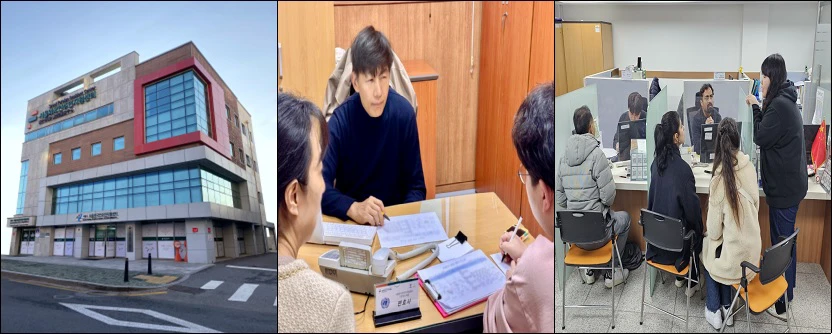
Seoul’s multilingual lease-counseling notice describes counseling through the Seoul Foreign Resident Center with a licensed real-estate agent and interpretation. Seoul’s current housing page lists Monday 14:00–17:00 service in seven languages, but verify appointment details before visiting. For a deposit this large, independent advice from a qualified Korean housing lawyer or properly licensed professional may be small compared with the exposure.
The short answer
A renter can hand over ₩1 billion because jeonse converts rent into capital: the tenant supplies a huge refundable sum, and the landlord provides use of the home with little or no monthly rent. The tenant does not acquire equity. The cost moves into interest, lost investment return, fees, and repayment risk.
The system is understandable once you see both sides of the balance sheet. It is safe only when the specific property, owner, priority, contract, protection steps, and repayment plan withstand independent checks. This article explains the structure; it is not legal, lending, tax, or property-specific advice.
Sources and asset credits
- Seoul guide to wolse and jeonse — Current general structure, payment outline, return duty, and multilingual counseling details; rechecked August 12, 2026
- Seoul apartment-market image — Delivery Spot stored Yonhap/Gonggam Shinmun image
- Bank of Korea financial-stability analysis — Economic financing analysis; not consumer legal advice
- Encyclopedia of Korean Culture: jeonse — Historical development and distinctions
- Living in Korea jeonse discussion — Anecdotal evidence of newcomer confusion only
- Seoul eight-point fraud checklist — 2023 multilingual checklist; minimum framework, not a live safety guarantee
- Seoul Foreign Resident Center exterior — Delivery Spot stored Newsis image
- Multilingual consultation image — Delivery Spot stored Seoul Metropolitan Government asset
- HUG jeonse deposit return guarantee — Korean primary product page; verify all current eligibility and deadlines
- Seoul multilingual lease counseling — 2024 program notice; current housing page should be checked before visiting
- Original Seoul-market photo source — Yonhap image via Gonggam Shinmun
- Original center-exterior photo source — Newsis via Naver News
- Original Seoul counseling photo source — Seoul Metropolitan Government asset
- HUG English guarantee overview — Confirms the guarantee’s purpose when a lessor fails to return the deposit
- Cover image file — Delivery Spot licensed housing-contract illustration
Last updated


