
Is 7 Days in Seoul Too Long? How to Make a Full Week Work
Seven calendar days in Seoul is not too long when partial travel days are counted and each full day has one geographic center, a different pace, and room to adjust.
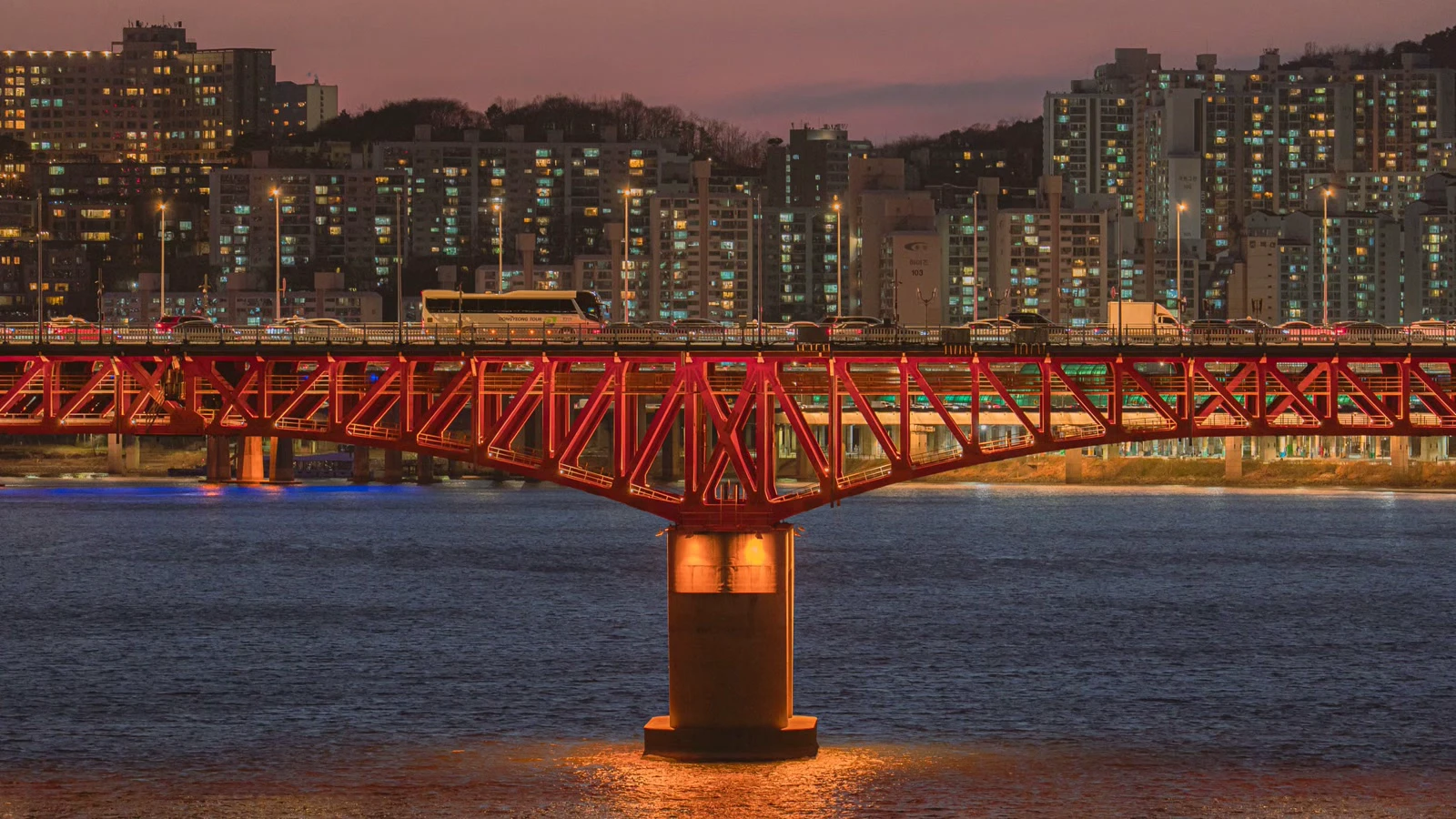
Seven calendar days in Seoul is not too long for a first visit. It can mean only five full sightseeing days after an evening arrival and morning departure. Even seven completely open days works when each part of the week has a different neighborhood, pace, and purpose.
A week starts to feel long when every day repeats the same palace–market–shopping pattern, or when a crowded list ignores how much walking, waiting, and cross-city travel Seoul contains. The solution is not automatically adding another city. First count the full days and give each one a geographic center.
First, check whether you have seven days or five
- Seven calendar days with partial arrival and departure days: usually five full days. A Seoul-only stay is compact.
- Seven full days: enough for a slower city trip, one deliberate day trip, and a flexible day.
- Seven full days when Busan, Gyeongju, or Jeju matters just as much: four or five Seoul days plus a second base may fit better.
The official Visit Seoul area guide is more useful for this decision than a single top-ten list. Save places by district first. If one day contains Gyeongbokgung, Seongsu, Jamsil, and Hongdae, the route—not the length of the stay—is the problem.
Days 1 and 2: give the historic center time
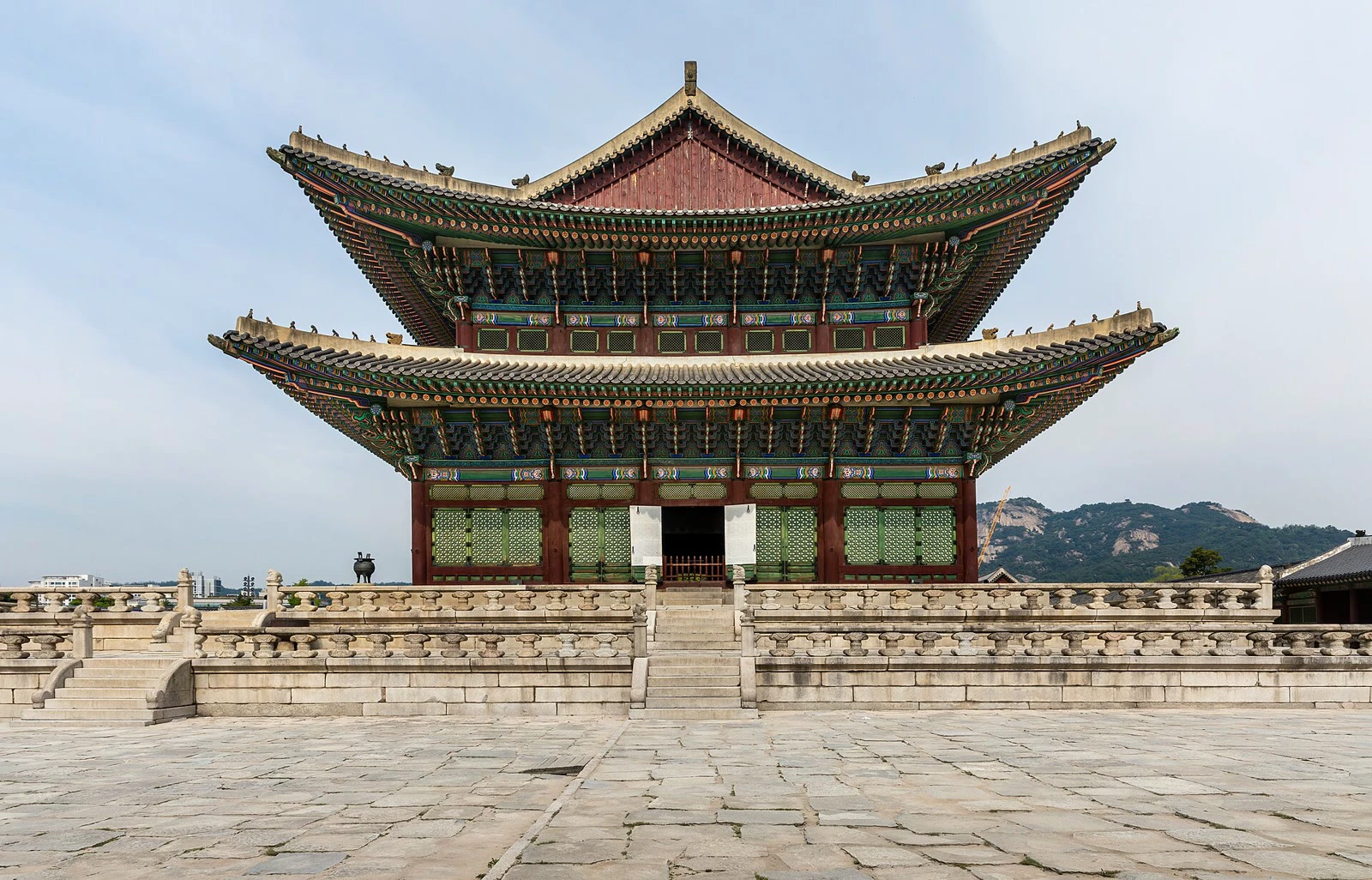
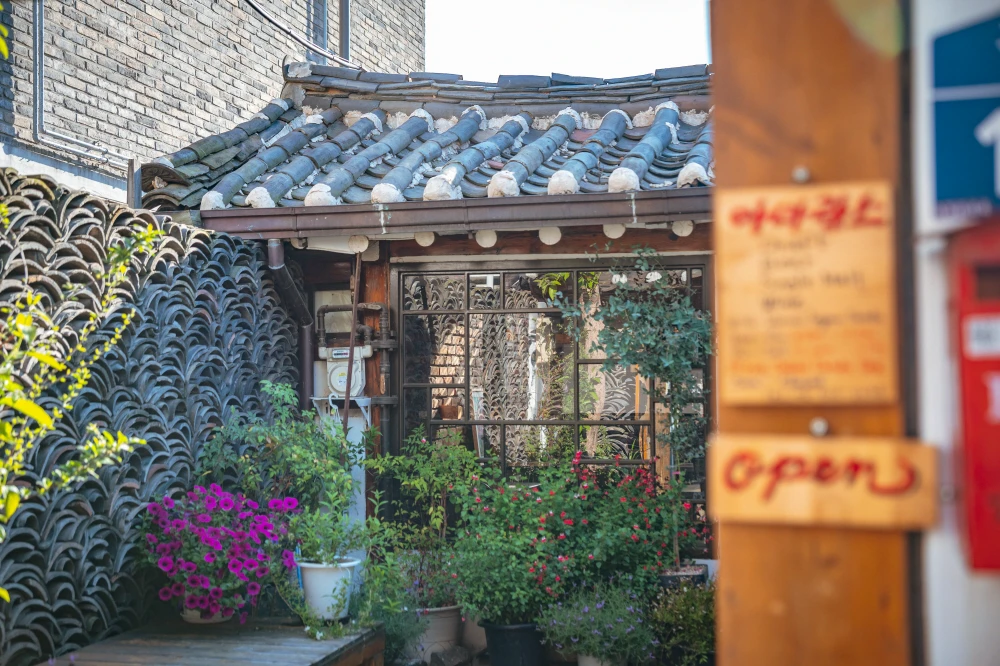
Use the first full day for one palace and the streets immediately around it. Gyeongbokgung can lead into the National Palace Museum, Seochon, Gwanghwamun, or Cheonggyecheon without turning the day into a sequence of subway exits.
Keep Changdeokgung, Bukchon, Insadong, and Ikseon-dong for a second central day. They look close on a map, but hills, courtyards, browsing, and lunch add up. Pick two or three stops that match your interests. The official first-time Seoul itinerary also gives the historic center more than one day.
Two days in the same broad part of Seoul need not feel duplicated. One can be palace- and museum-led; the other can be mostly alleys, small shops, and a long meal.
Day 3: anchor the day with a museum
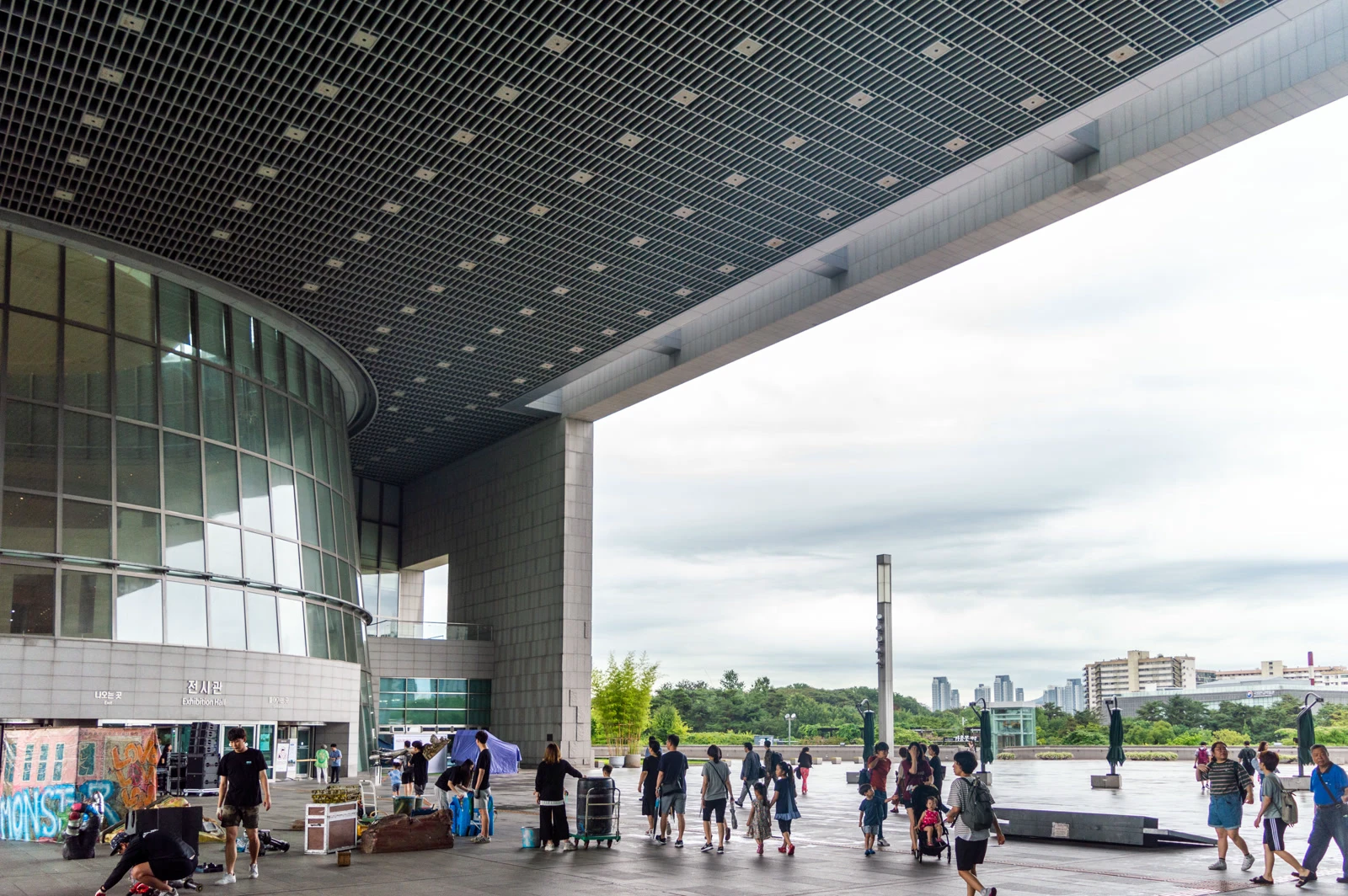
The National Museum of Korea can fill a morning or most of a rainy day. Continue to Yongsan, Hannam, or a nearby stretch of the Hangang according to energy and weather. This gives the week a quieter visual rhythm after central Seoul.
Use one anchor plus one neighborhood, not five separate attractions. If the museum runs longer than expected, nothing should roll into a backlog for the next day.
Day 4: move east for Seongsu and Seoul Forest
Give Seongsu its own day when cafés, fashion, design, or temporary retail spaces matter. Start with Seoul Forest or the quieter streets, then move toward Yeonmujang-gil and the denser commercial blocks. Check any specific pop-up on its official account shortly before visiting; an old roundup can become inaccurate quickly.
Keep two nearby meal options. In a 2025 Korean first-person account of a two-day Seoul visit, a restaurant visited without a reservation initially quoted a wait of more than an hour; the following day, several weekend choices were fully booked or had long queues. That is one traveler’s weekend, not a citywide rule. Its practical lesson is to avoid letting one restaurant send you across town.
Day 5: make western Seoul a walking day
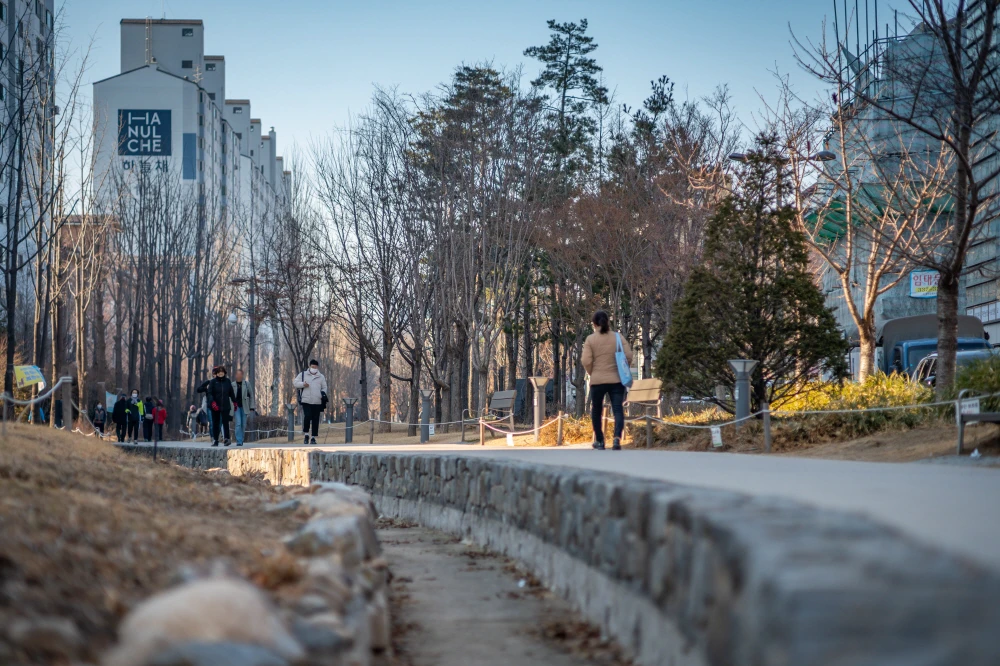
Hongdae can be loud and commercial; adjoining Yeonnam, the Gyeongui Line Forest Park, and Mangwon offer a different pace. Choose the mix you actually enjoy. Someone interested in independent shops may spend hours in Yeonnam, while a food-focused traveler may move toward Mangwon Market and the river.
This day is deliberately light on timed attractions. A 2026 Reddit itinerary discussion received a positive response for grouping days by proximity while allowing specific restaurants to change. Treat that thread as traveler perspective, not a universal schedule.
Day 6: choose a version of Seoul you have not seen
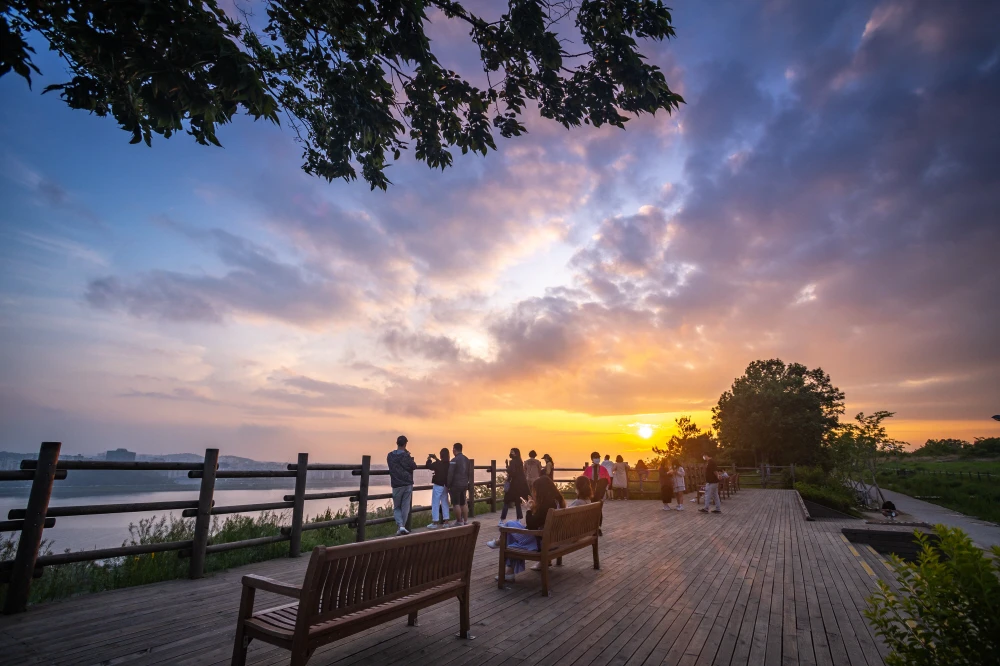
By now you will know whether another museum, a hill walk, shopping, contemporary art, or a long park afternoon sounds appealing. Haneul Park can shift the week toward open sky and walking without another hotel. Other travelers may prefer Bukhansan, a performance, a baseball game, a spa, or a second visit to a favorite district.
Choose this day after checking the forecast and how your legs feel. A week works because this decision can wait; it does not need to be solved before the flight.
Day 7: keep a buffer or take one purposeful day trip
The final full day can absorb something lost to rain, a closure, fatigue, or a place discovered after arrival. If the Seoul list already feels complete, use the day for Suwon or another destination with a clear reason to go. A day trip chosen only to prove that seven days is “too long” usually adds transport without improving the week.
Repeating a neighborhood for a meal, shopping pickup, or evening walk is also valid. That is often when a city begins to feel familiar rather than merely completed.
When four or five Seoul days is better
Shorten the stay when beaches, smaller historic cities, or Jeju landscapes matter as much as Seoul. Four or five full days can cover a strong first pass and leave enough time for a second base that feels genuinely different.
Keep all seven when museums, food, design, shopping, nightlife, or neighborhood walking are major interests; when arrival and departure days are partial; or when changing hotels sounds worse than one unbooked afternoon.
Before deciding, write the seven dates on a calendar and mark arrival, departure, and every fixed reservation. Give each remaining day one geographic center. If the week already contains different textures—historic center, museum, eastern Seoul, western Seoul, and an outdoor day—it is unlikely to feel too long.
For the wider route decision, compare what 5, 7, 10, and 14 days in Korea actually allow and whether Seoul, Busan, or Jeju should come first.
Sources and image credits
- Delivery Spot cover image file — Web-ready copy of the Hangang bridge photograph credited below.
- Visit Seoul — Area guide — Official district-based entry point for planning Seoul by geography; rechecked August 11, 2026.
- Visit Seoul — First-time itinerary — Official route giving the historic center more than one day; rechecked August 11, 2026.
- Two-day Seoul report — One traveler’s 2025 example of a long restaurant wait and fully booked weekend alternatives; not used as a citywide rule.
- Reddit — Seven-day Seoul itinerary — Traveler perspectives on proximity-based planning and leaving restaurant choices flexible.
- Han River bridge and Seoul at dusk — Featured image by Hyeok Jang, cropped and resized under the Pexels License.
- Geunjeongjeon throne hall — Gyeongbokgung image by Basile Morin, resized under CC BY-SA 4.0.
- Seochon Village in Seoul — Seoul Metropolitan Government image from 2021; source page permits editorial and commercial use, and the image was resized.
- National Museum of Korea exterior — Museum image by Tristan Surtel, resized under CC BY-SA 4.0.
- Yeonnam-dong and the Gyeongui Line Forest Park — Seoul Metropolitan Government image from 2021; source page permits editorial and commercial use, and the image was resized.
- Haneul Park in Seoul — Seoul Metropolitan Government image from 2021; source page permits editorial and commercial use, and the image was resized.
Last updated


