
How Many Days in South Korea? A Realistic 5-, 7-, 10-, and 14-Day Comparison
For most first trips, 10 calendar days is the safest choice. This comparison shows what 5, 7, 10, and 14 days realistically allow after counting arrival time, hotel moves, KTX bookings, and Jeju airport transfers.
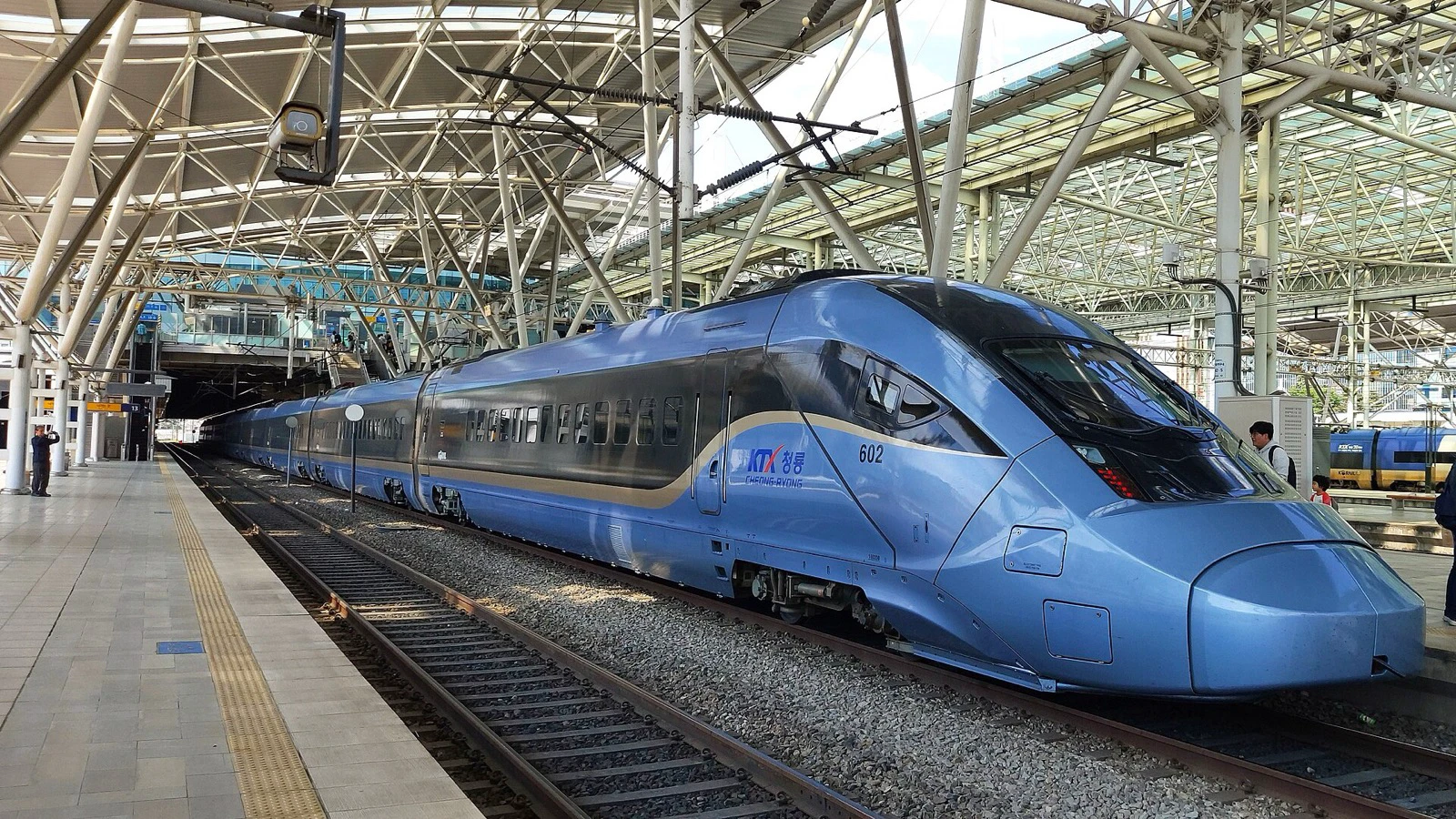
For most first trips, 10 calendar days is the safest choice. It gives you Seoul plus one contrasting region without turning every third day into a transfer day. Five days works when Seoul is the trip; seven supports a day trip or one tightly planned second base; 14 gives two regional bases time to feel worthwhile.
This guide counts the arrival date and departure date as calendar days. A “10-day trip” is usually nine nights and may contain only eight useful sightseeing days once the airport, check-in, and checkout are counted.
Quick answer: 5, 7, 10, or 14 days?
- 5 days / 4 nights: keep one Seoul hotel. Add Busan or Jeju only if that second place is the main reason for traveling.
- 7 days / 6 nights: choose one Seoul base plus day trips, or split the week between Seoul and one second city with little buffer.
- 10 days / 9 nights: the strongest first-trip balance—Seoul plus Busan or Jeju, with a final Seoul-area buffer before an Incheon departure.
- 14 days / 13 nights: Seoul plus two regional bases, such as Gyeongju and Busan. Replace one with Jeju rather than automatically adding it.
The official VISITKOREA trip-length guide, last updated September 8, 2025, recommends limiting a six-to-ten-day trip to one region or at most two areas. That is a useful ceiling for a first visit.
Count usable days, not only dates on the ticket
Arrival day can disappear into immigration, baggage claim, the airport ride, and check-in. Departure day may be little more than breakfast and a train to Incheon. Mark both on a blank calendar before choosing destinations.
A hotel move is not a blank line between two cities. A Seoul-to-Busan day includes checkout, travel to the station, waiting, the train, arrival, and another check-in. A Korean report about a car-free Busan trip describes preferred KTX times being unavailable two to three weeks ahead, a 7 a.m. train, and full station lockers. Those details are one traveler’s experience, not a universal rule; they show why a transfer that looks short on a map can consume a useful part of the day.
Use this test for every added base:
- Count the nights, not just the dates.
- Remove arrival and departure time.
- Mark every hotel or airport move.
- Look at the full unmarked days that remain.
That final number is the trip you can actually plan.
5 days: make Seoul the destination
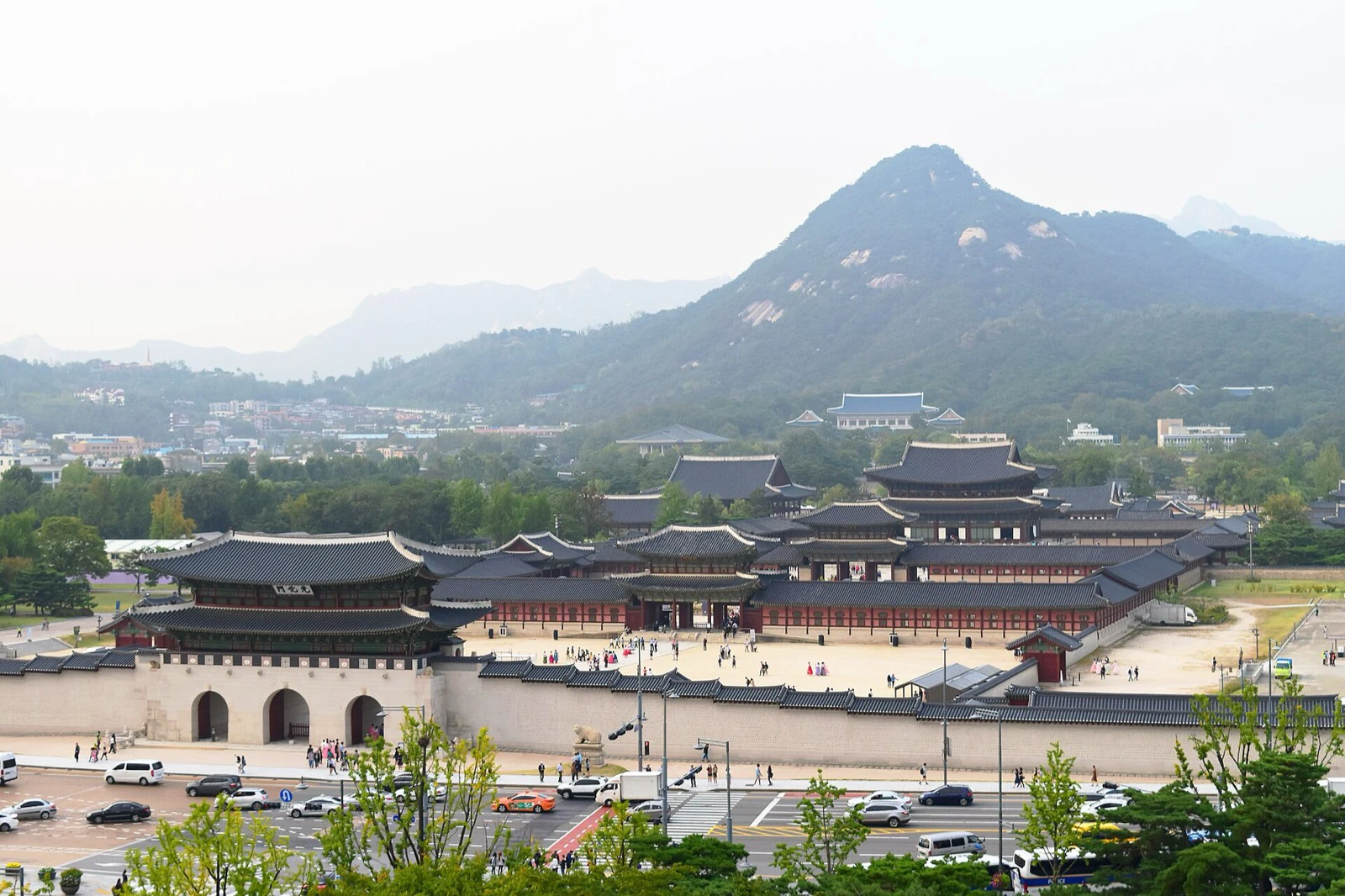
With four nights, stay in one hotel and let Seoul provide the variety. A workable structure is one palace-and-hanok day, one neighborhood day, one food or shopping day, and whatever remains after arrival.
Group stops by area. Pairing a Jongno palace morning with a late night in Gangnam can place two long subway crossings in the same day. Seoul is large enough to feel rushed even without another city.
Busan or Jeju can technically fit, but the trade is severe: you gain a second headline destination and lose much of one of your few full days to luggage and transport. Choose that only when the second place—not Seoul—is the priority.
Best for: a short first visit, a stopover, or travelers who dislike repacking.
7 days: add a day trip or commit to one second base
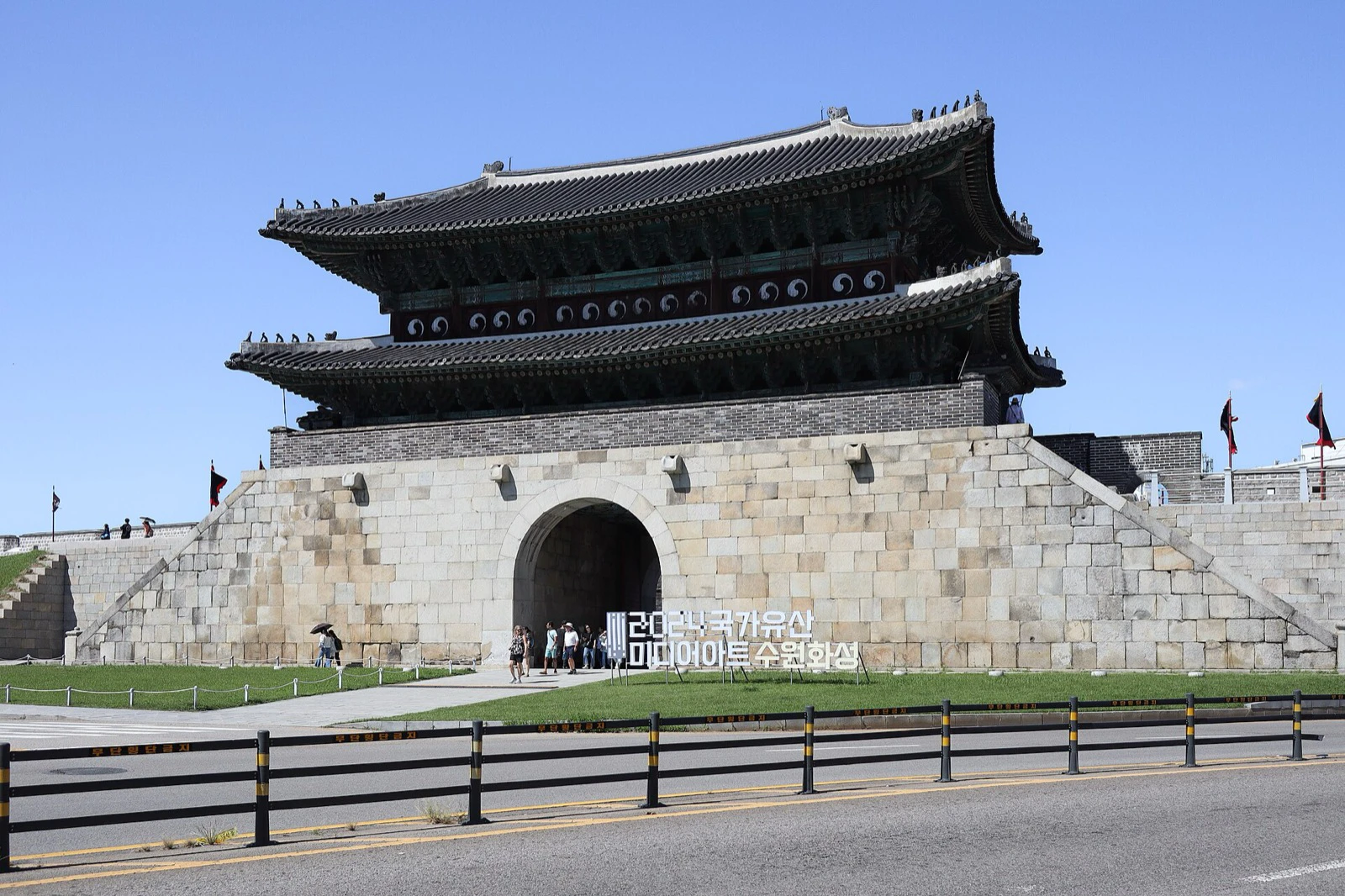
Six nights creates a real choice. The lower-friction version keeps one Seoul hotel and adds Suwon, Incheon, or another day trip. You unpack once and still get a day that feels different from central Seoul.
A two-city week can work when the route is decisive—roughly four nights in Seoul and two in Busan, for example. It leaves little room for a late arrival, poor weather, a slow morning, or a sold-out train at the preferred time. Seoul, Busan, and Jeju in the same week is mostly a sequence of short visits separated by transfers.
Best for: travelers who want one base with variety, or who accept a fast two-city split.
10 days: the most balanced first trip
Ten days gives you time to understand Seoul’s scale, then spend three or four nights somewhere that changes the character of the trip. Choose Busan for the direct rail connection and a dense coastal city break; choose Jeju for landscapes and a slower stay that depends more on weather and airport timing.
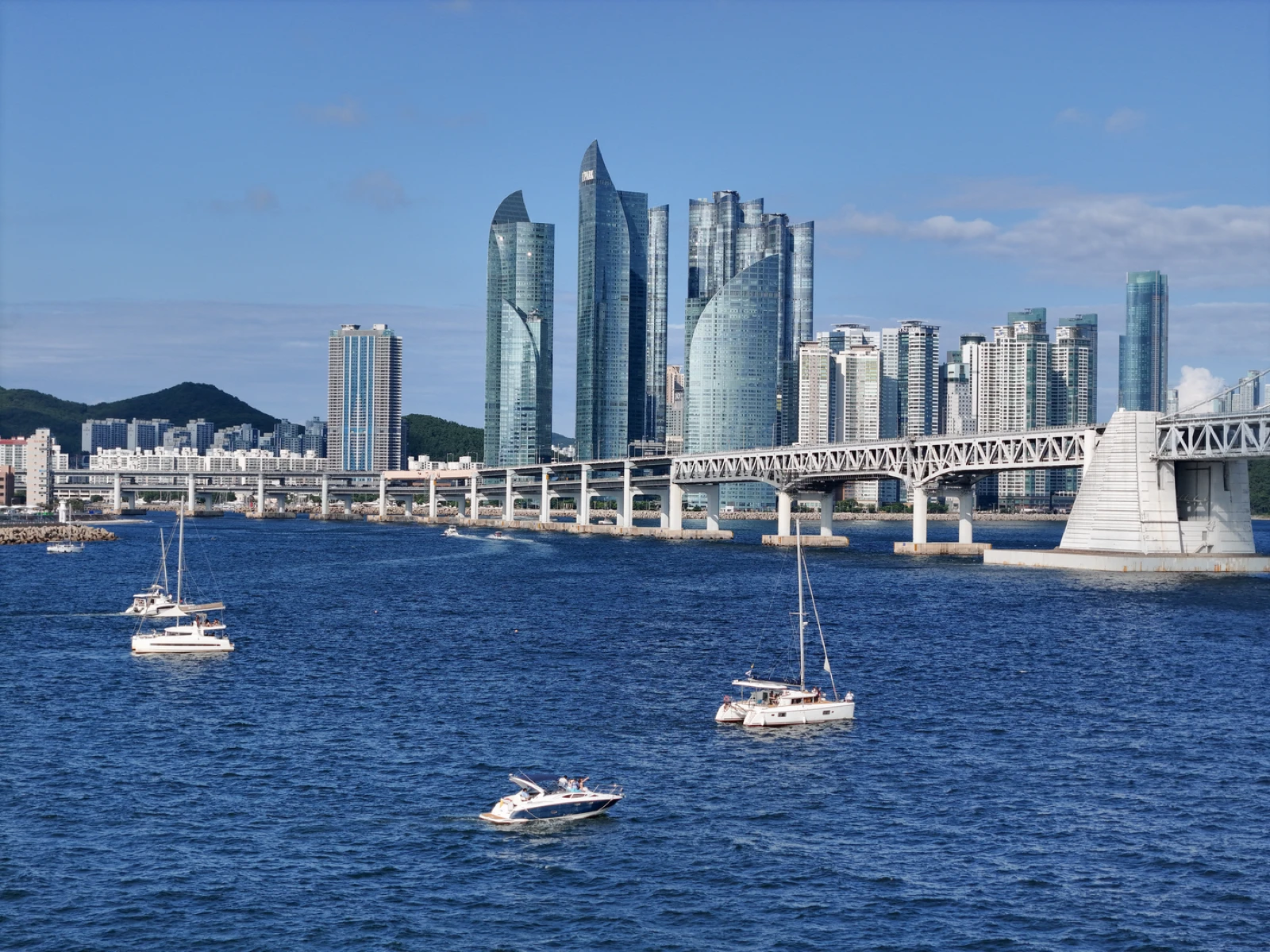
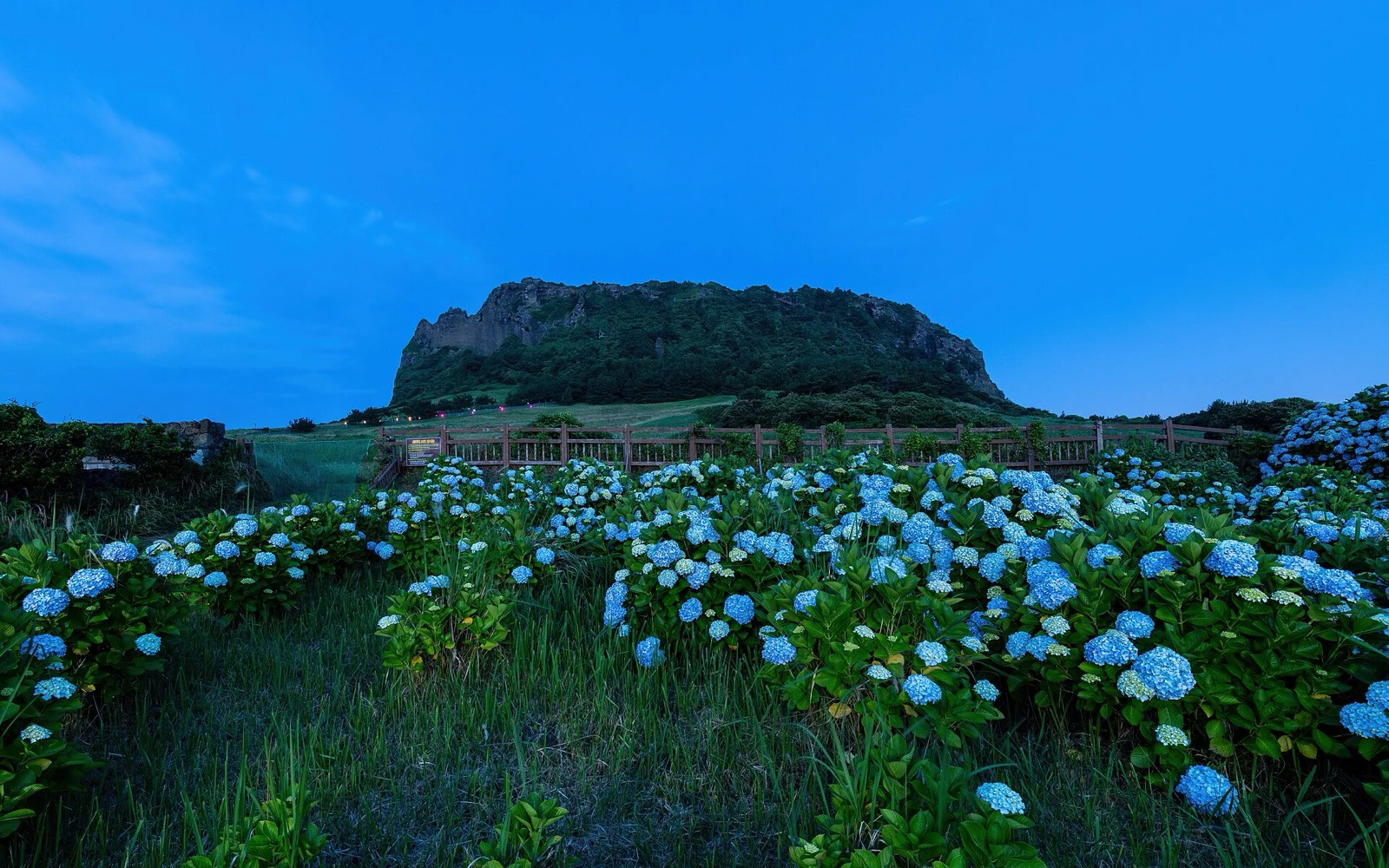
For Busan, try five nights in Seoul, three in Busan, and one final Seoul-area night before an Incheon departure. A Jeju version can use four nights in Seoul, four on Jeju, and the same final buffer night. These are planning templates, not mandatory itineraries.
Fitting both Busan and Jeju into ten days adds another airport or hotel move. In one recent Reddit itinerary discussion, replies repeatedly raised city travel, airport overhead, and repeated check-ins. Treat that discussion as traveler perspective, not official timing evidence.
Jeju needs the clearest buffer. A Korean airport-transfer report counts rental-car return, waiting for the shuttle, the shuttle ride, check-in, and security as one continuous block; the writer allowed more time on weekends and holidays. Travelers without a rental car still need to count the trip from their accommodation to Jeju Airport.
For rail days, check the current schedule and seat inventory through KORAIL’s official English reservation site before fixing a non-refundable hotel sequence. The site was live with Seoul and Busan among the selectable stations when rechecked on August 11, 2026.
If checkout and train time leave your bags in the wrong place, compare Delivery Spot luggage delivery after the route itself is settled.
Best for: most first-time visitors choosing Seoul plus one clearly different region.
14 days: add depth before adding more pins
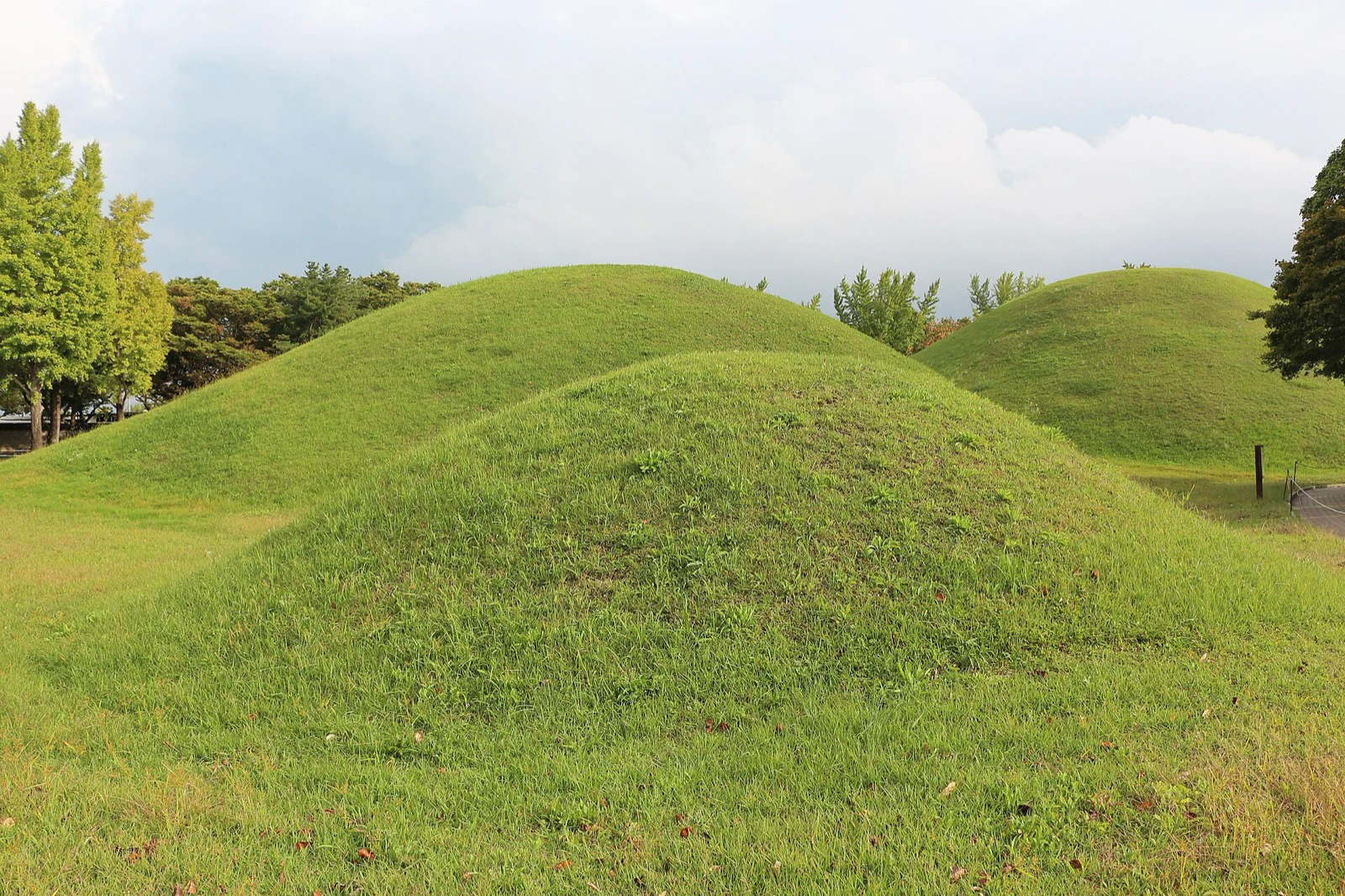
Thirteen nights can support Seoul plus two regional bases. One balanced example is six nights in Seoul, two in Gyeongju, four in Busan, and a final Seoul-area night before an Incheon departure.
Jeju can replace Gyeongju or Busan. Adding Seoul, Gyeongju, Busan, and Jeju creates four flight-or-hotel-change days before smaller day trips are counted. Longer does not automatically mean more destinations are better.
A traveler focused on museums, contemporary art, hiking, markets, or unhurried neighborhood time will use 14 days differently from someone collecting only major landmarks. That difference also appears in a Reddit discussion about a 24- or 25-day stay: some replies saw excess time, while others filled it through history, arts, and hiking. It is useful as a reminder that interests—not only duration—set the limit.
Best for: a slower multi-region trip or travelers with a strong theme beyond headline attractions.
Choose the duration by the friction you dislike
- You dislike packing and check-in days: choose seven to ten days and keep one base, or at most two areas.
- Seoul food, shopping, and nightlife are the priority: five days is viable; seven feels much less compressed.
- Jeju is essential and Seoul also matters: use ten days as a comfortable starting point.
- You want Seoul, Gyeongju, and Busan: use 14 days unless you enjoy early starts and frequent moves.
- You have only five days but must see two cities: book the transport first, travel light, and accept that the transfer is part of the itinerary.
Before paying for hotels, write the arrival date, departure date, and every hotel change on a calendar. Count the full days left between them. If the route still looks good after that subtraction, the trip length fits.
Sources and image credits
- Delivery Spot cover image file — Web-ready copy of the KTX-Cheongryong photograph credited below.
- VISITKOREA — Trip Length — Official trip-length ranges and the recommendation to limit six-to-ten-day trips to one region or at most two areas; page updated September 8, 2025.
- KORAIL official English reservation site — Current train search and seat-inventory entry point; checked August 11, 2026.
- Car-free Busan report — Traveler example of advance seat pressure, an early train, and full station lockers; used as experience, not a universal rule.
- Jeju airport-transfer report — Traveler example of rental-car return, shuttle, check-in, and security forming one transfer block.
- Reddit — Seoul and Jeju itinerary discussion — Traveler perspectives on airport overhead and repeated check-ins.
- Reddit — 24- or 25-day Korea discussion — Contrasting traveler perspectives on using a longer stay for history, arts, and hiking.
- KTX-Cheongryong at Seoul Station — Featured image by 생각하는 나무, cropped and resized under CC BY-SA 4.0.
- Gyeongbokgung Palace — Seoul image by 이상곤, resized under CC BY-SA 4.0.
- Janganmun — Suwon image by Mobius6, resized under CC BY-SA 4.0.
- Gwangan Bridge and Gwangalli — Busan image by Hyphen Group / Busan Tourism Organization Global Marketing Team, resized under KOGL Type 1.
- Seongsan Ilchulbong at blue hour — Jeju image by Basile Morin, resized under CC BY-SA 4.0.
- Daereungwon Tomb Complex — Gyeongju image by Bernard Gagnon, resized under CC0 1.0.
Last updated


