
Why Korean Cushion Foundation Shades Are So Hard to Match
Korean cushion numbers and undertone letters are brand-specific, a fresh swatch may change as it sets and wears, and many lines still leave gaps between skin tones. Use the exact product chart, test on your jaw, and judge the shade after it dries in daylight.
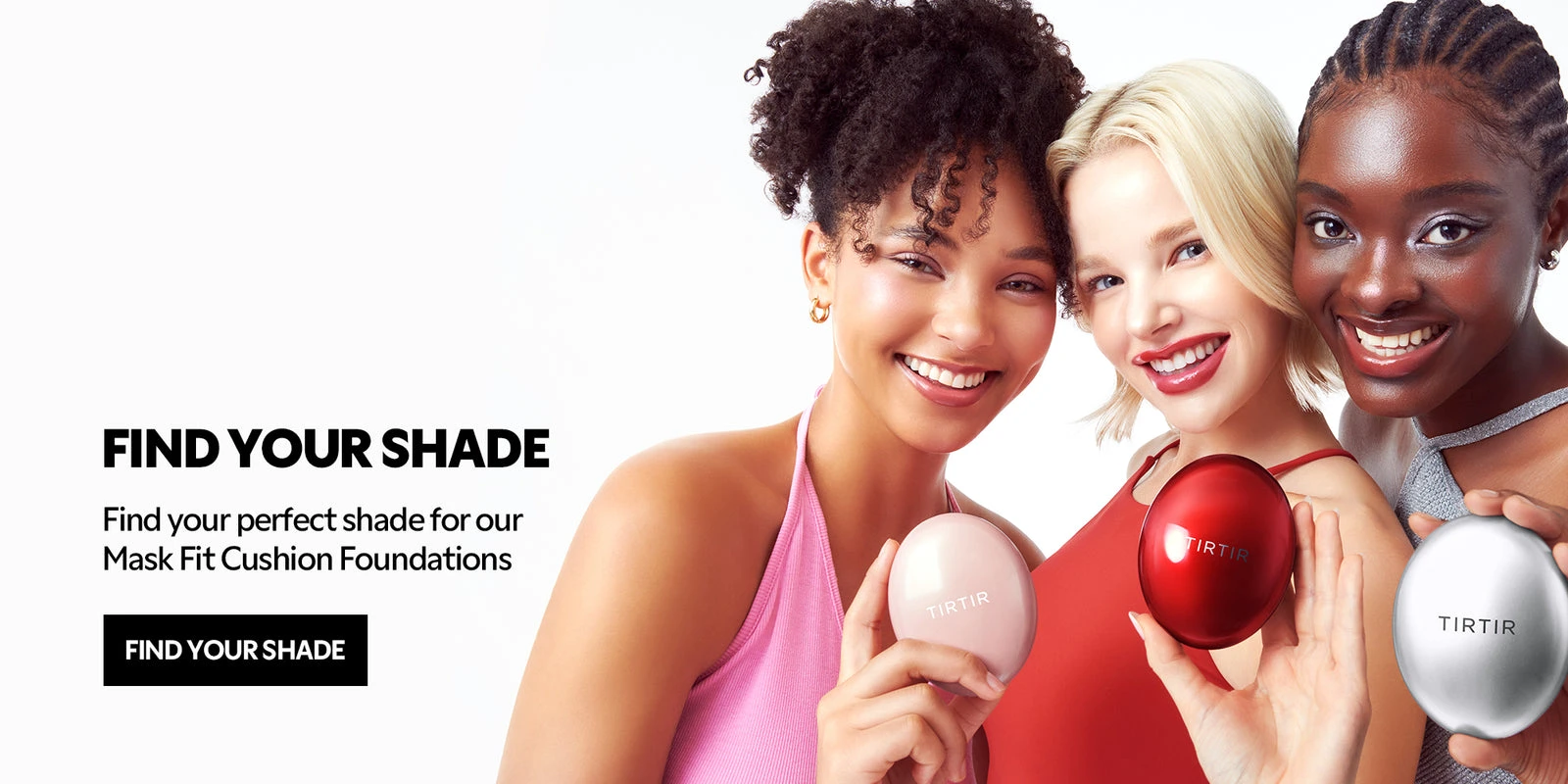
Korean cushion foundation is difficult to match because each shade number belongs to its own product line. A 21N in one compact can be lighter, yellower, pinker, or more muted than a 21N in another. Undertone letters simplify a much wider range of skin tones, and a fresh swatch can also change as the formula sets and wears.
The practical answer is to ignore the number on your current foundation as a guarantee. Use it only as a starting point, compare the exact shade chart for the exact cushion, and test two or three candidates on your jaw or lower cheek. Then wait for the product to set before deciding.
Shade numbers are labels, not measurements
In Korean base makeup, lower numbers generally indicate lighter shades and higher numbers indicate deeper shades. Familiar labels such as 17, 21, 23, and 25 help shoppers navigate a product line, but they do not define an identical depth across brands—or even across every formula from the same brand.
The letters usually describe the brand's undertone categories: C for cool, N for neutral, and W for warm. They are useful only when read with that product's own chart. One brand's neutral may look peachy; another may be beige or muted yellow. A formula's coverage, finish, and pigment concentration can also make two shades with the same label look different on skin.
Shopper discussions make this mismatch easy to see. In one Asian Beauty discussion about Korean shade labels, people explained the usual number-and-letter system while describing large differences between products carrying the same label. A more recent cross-brand cushion matching discussion favored comparison swatches and brand support over a database match alone. These are individual shopping experiences rather than standardized shade specifications.
Undertones stretch beyond three letters
Cool, neutral, and warm categories leave out important variations. Skin can lean olive, golden, peach, red, gray-green, or muted while still sitting at the same apparent depth. A neutral cushion can therefore be the right lightness but look too pink; a warm cushion can turn orange even though it is not too dark.
Seasonal color analysis does not solve this automatically. A clothing palette and a foundation undertone overlap in some ways, yet each answers a different question. If you are considering an analysis in Seoul, our guide to personal color analysis across skin tones explains the useful scope and limits of a consultation.
Shade ranges are expanding, but the change is uneven
Some Korean cushion lines historically concentrated on fair to light-medium shades, so a shopper could be caught between two depths or find no workable olive, very fair, or deep option. That problem has not disappeared just because a few brands now offer broader international ranges. Availability can differ by product, country, and retailer.
TIRTIR's official global Mask Fit Red Cushion page listed 40 shades when checked on August 10, 2026, and its online shade finder shows a much wider depth spectrum than the old 21-and-23 shorthand suggests. Laneige's current Korean Neo Cushion The Matte page uses its own smaller set of C, N, and W labels. Both are valid product systems; neither turns a label into an industry-wide standard.
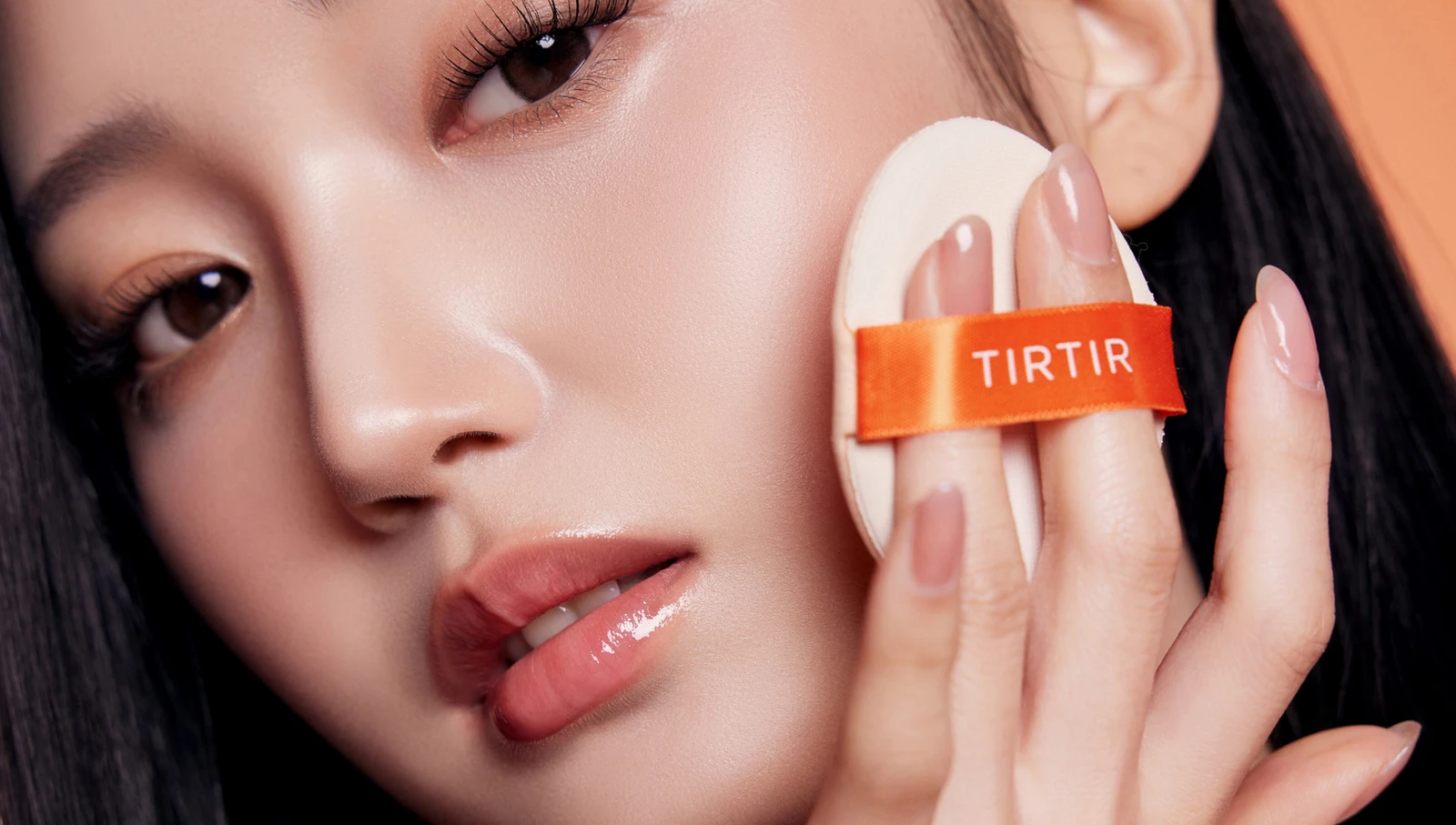
A cushion can look different depending on depth, undertone, coverage, and how thinly it is pressed into the skin. The image above shows one application example from TIRTIR's shade-finder material.
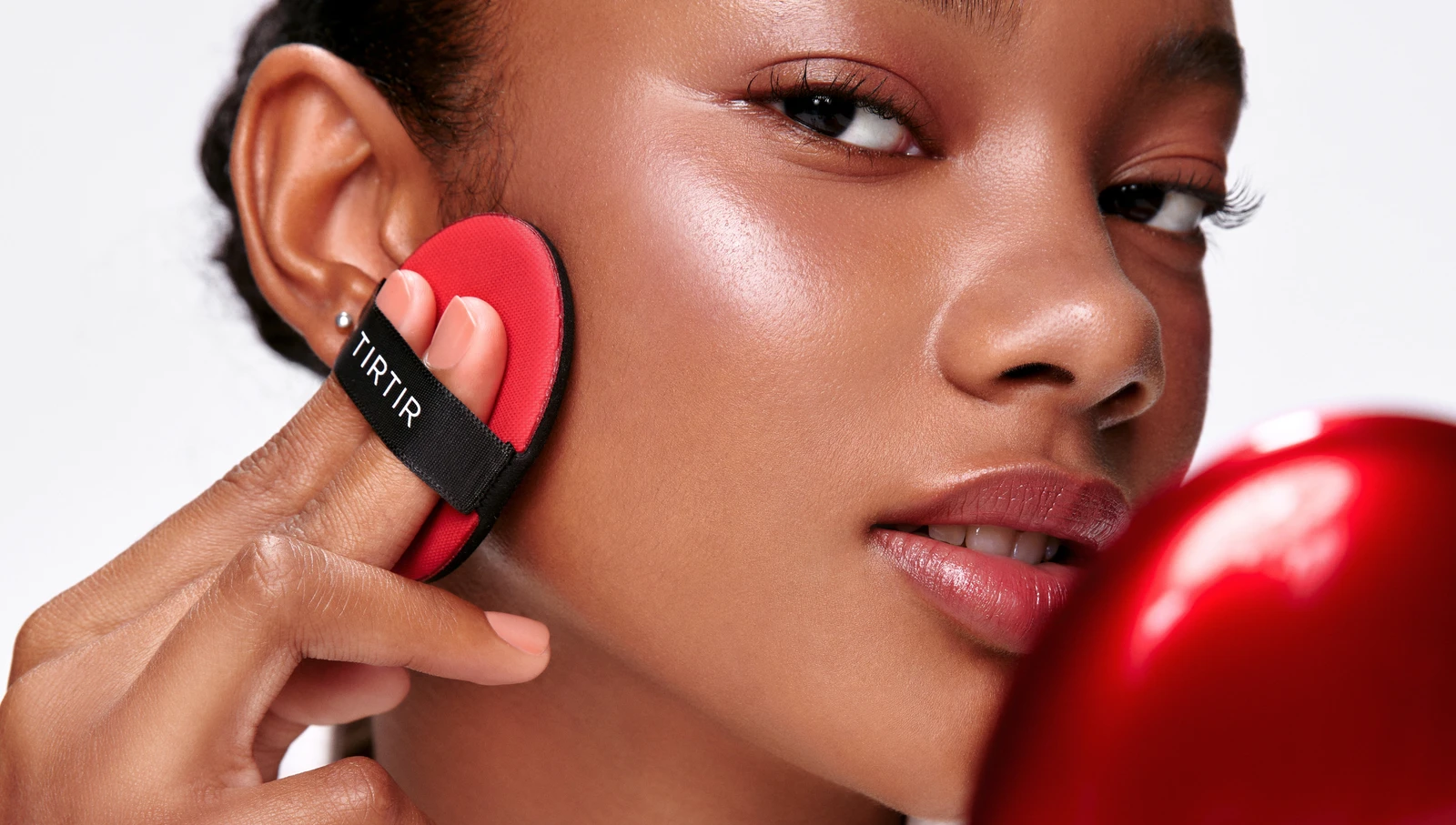
The second example is important: a broader campaign may show that a brand has expanded its range, while local stock remains a separate question. Confirm the exact shade in the market and store where you plan to shop.
“Oxidation” is often several changes bundled together
Shoppers commonly say that a foundation “oxidized” when it becomes darker, warmer, or more orange after application. The visible change is real, but the cause is not always simple chemical oxidation. Water and volatile ingredients evaporate as a formula sets, the film changes how light reflects, pigment particles can behave differently in the dried layer, and later contact with skincare or sebum can alter the appearance.
A 2025 scientific review of foundation discoloration notes that the mechanisms behind what consumers call oxidation are not yet sufficiently explained and discusses factors including iron-oxide pigments and pigment dispersion. A color-measurement study of liquid foundations also found time-dependent color changes that varied among products. In other words, “all cushions oxidize one shade darker” is not a safe rule.
Cosmetic guidance reflects that nuance. L'Oréal's foundation color-change guide advises letting a wet formula dry before selecting a color, while Paula's Choice distinguishes rapid oil-and-pigment interactions from literal oxidation. The useful takeaway is the same: test the finished, worn color—not only the fresh stripe.
Use this 30-minute shade test
Start with the exact cushion formula you plan to buy. A chart for another cushion from the same brand is not enough. If you are testing in a Korean store, save a screenshot of the product name and photograph the shade labels so you do not mix up similar compacts later.
- Apply the sunscreen and skincare you actually plan to wear under the cushion. Let those layers settle first.
- Pick two or three nearby shades from that product's chart. Treat your usual number as the middle candidate, not the answer.
- Press thin stripes along the jaw or lower cheek, extending slightly toward the neck. A wrist or hand can differ too much in depth and undertone.
- Keep the amount realistic. A thick, opaque swatch can exaggerate both coverage and color.
- Wait at least 20 to 30 minutes. If the store and your schedule allow it, observe the best candidate for one to three hours.
- Check it near a window or outdoors in indirect daylight. Also take a phone photo without a beauty filter; store lighting can make a pale or pink shade look deceptively smooth.
- Choose the shade whose set and worn color disappears most naturally between face and neck. Do not deliberately buy a shade that starts too light in the hope that it will darken perfectly.
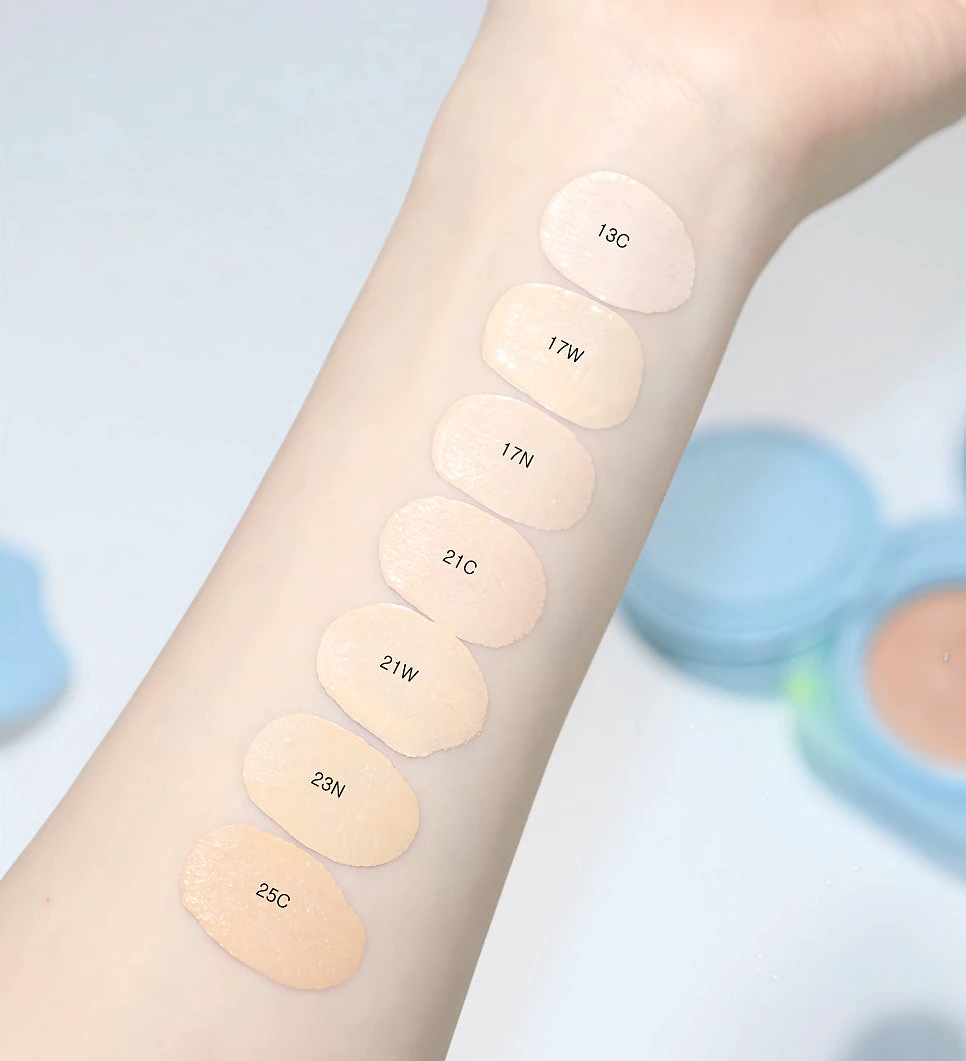
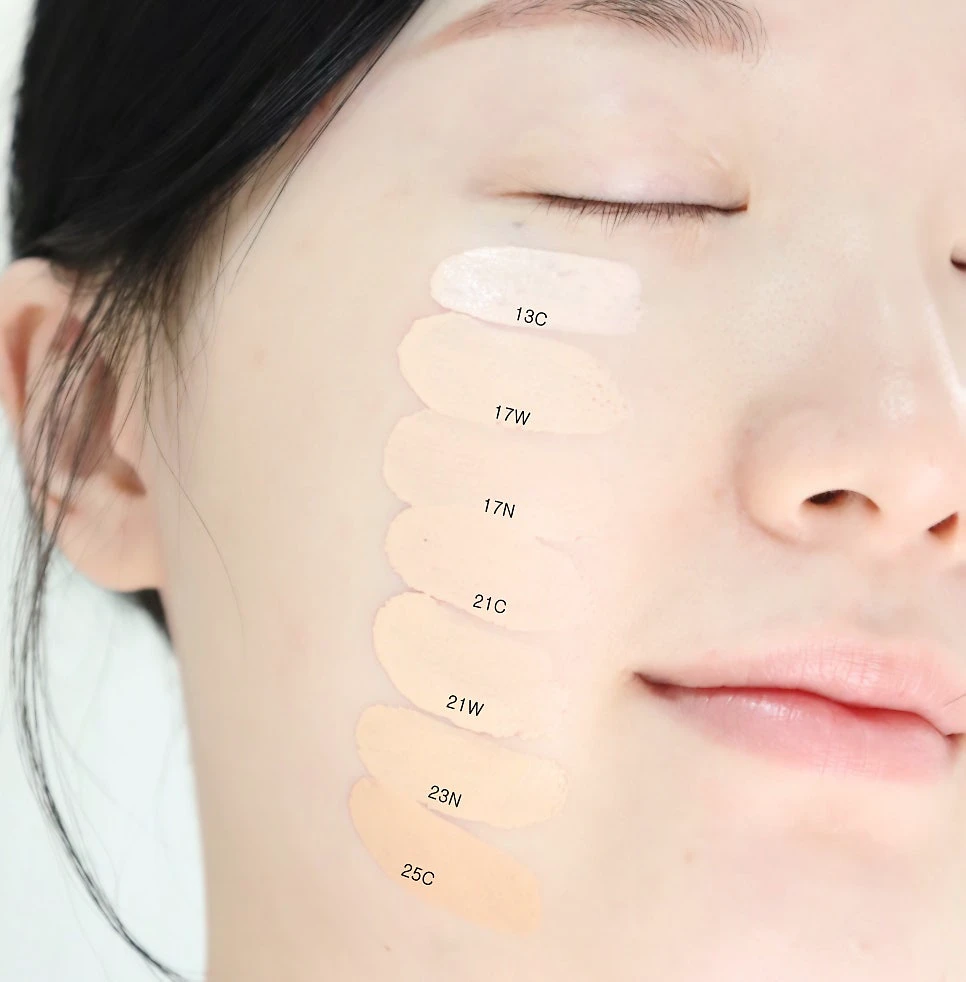
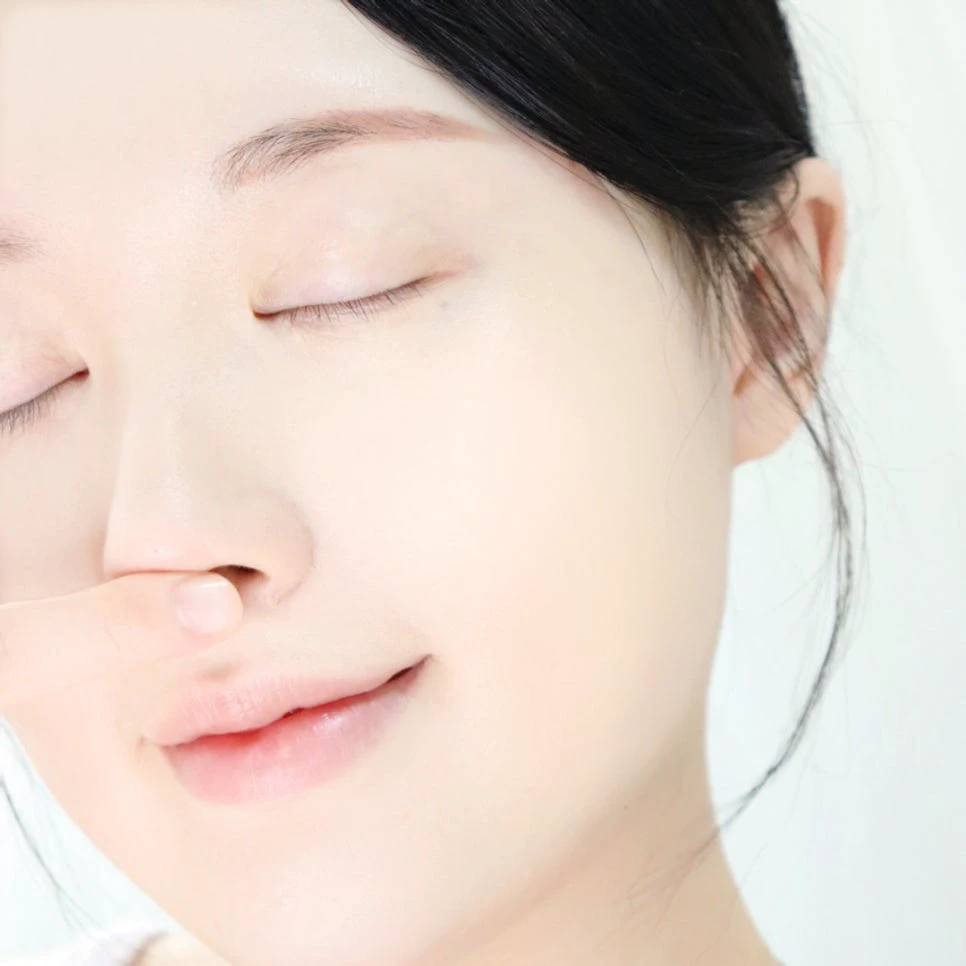
These three images from Korean beauty blogger 리블리's 2025 Laneige Neo Cushion Mewy review show why a sequence is more useful than a product label alone: seven named shades on the arm, the same lineup on the face, and a finished application. The photos document this specific formula and model only; they are not a conversion chart for another cushion or another person's skin.
If no shade disappears, do not force the compact
A cushion is convenient packaging, not a requirement. If one candidate is too pale and the next is too orange or too deep, the line may simply have a gap where your skin tone sits. Mixing shades is possible at home, but it defeats much of the convenience and makes reapplication harder while traveling.
Try another formula with a broader or better-spaced range. A liquid foundation, skin tint, or targeted concealer may offer a closer match. If an olive mixer or color corrector is part of your normal routine, test the combination before the trip rather than improvising in a store. When shopping online, look for dried comparison swatches made in consistent light and find reviewers who show both a bare face and the result after wear.
The simplest rule is this: match the formula, not the number. Read the exact chart, compare multiple shades on your jaw, wait for the film to set, and choose another range when none of the available shades disappears naturally into your skin.
Sources and image credits
- r/AsianBeauty on Korean shade labels — Shopper experiences with number-and-letter labels; not treated as standardized specifications.
- r/AsianBeauty cross-brand cushion discussion — Anecdotal matching strategies and cross-brand differences.
- TIRTIR Mask Fit Red Cushion — Official global shade range checked on August 10, 2026.
- TIRTIR shade finder — Official shade-finder reference plus featured and application images used with written operator permission.
- Laneige Neo Cushion The Matte — Official Korean product-specific C, N, and W shade labels.
- 2025 scientific review of foundation discoloration — Review of evidence and unresolved mechanisms behind consumer-reported foundation color change.
- Color measurement study — Time-dependent color changes measured across liquid foundation products.
- L'Oréal Paris — Cosmetic guidance on letting wet foundation dry before shade selection.
- Paula's Choice — Consumer explanation distinguishing appearance changes and oxidation.
- 리블리 on Naver Blog — Laneige Neo Cushion Mewy swatches and finished result, used with written operator permission.
Last updated


