
Can Seoul Personal Color Analysis Work for Every Skin Tone?
Yes, but verify the analyst's experience with comparable clients, controlled draping, inclusive references, and makeup shades you can actually test before booking.
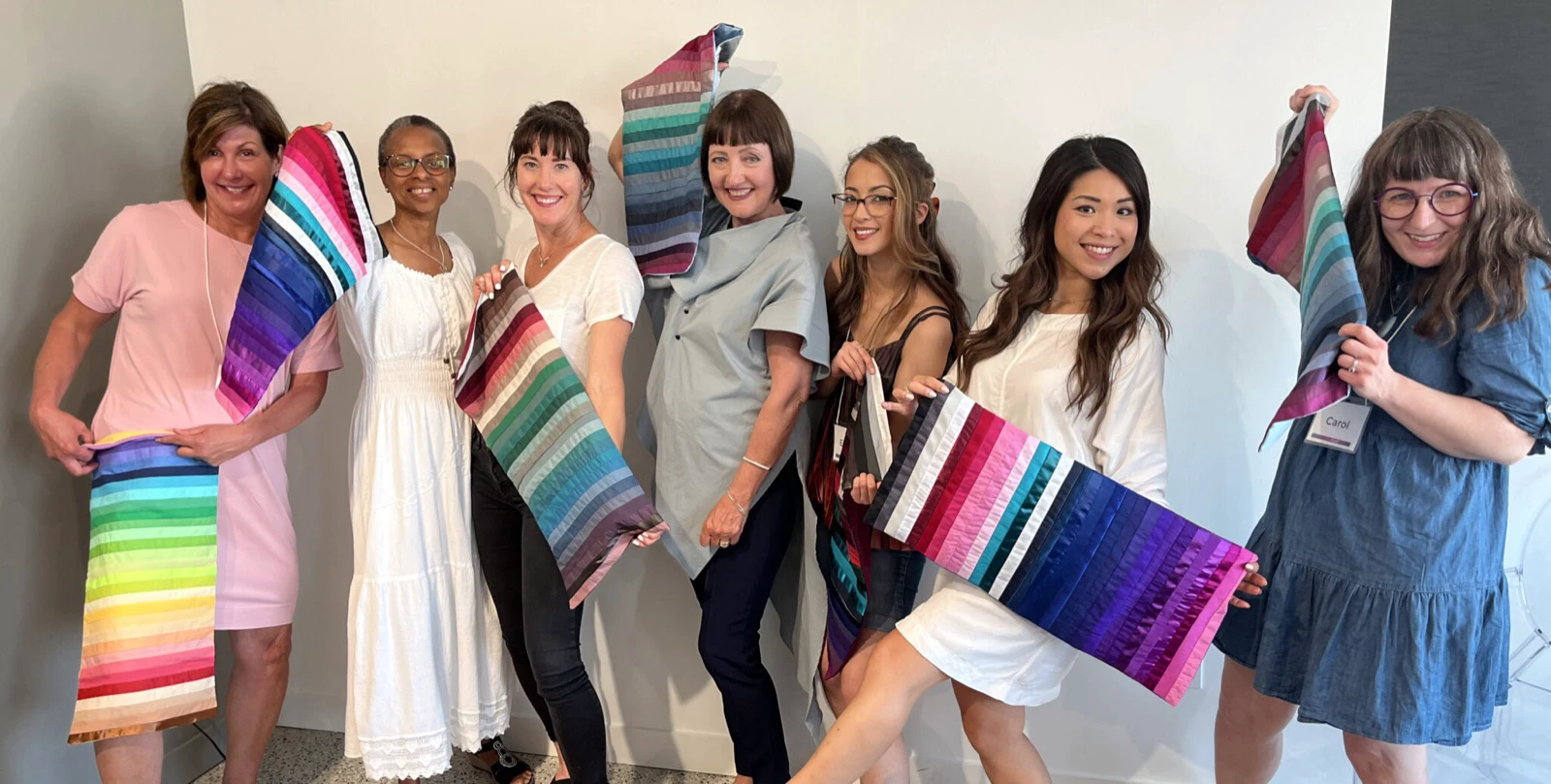
Personal color analysis can be offered to a client of any skin tone, but “works for everyone” is not something a studio can prove with a slogan. Before booking in Seoul, look for an analyst who shows comparable clients, uses consistent draping and light, explains close comparisons, and has makeup shades you can actually test.
Treat the appointment as an aesthetic consultation, not a medical measurement. Seasonal labels vary by system and analyst. The most useful result is a set of color characteristics and side-by-side comparisons you can apply after the trip.
Skin depth is not a season
Training systems do not all use the same number of palettes. The International Image Institute's current training outline alone describes 10-, 16-, and 23-palette versions. It separates undertone (warm, cool, or neutral), value (light to dark), and intensity (soft to vibrant). Those are different observations; a deep complexion is not automatically Autumn or Winter, and a light complexion is not automatically Spring or Summer.
Research on skin color also warns against using ethnicity as a shortcut. A 2026 study of more than 14,000 reflectance measurements found wide variation within ethnic groups and substantial overlap between groups. That study is about objective skin-color measurement, not seasonal styling, but it supports the practical booking rule: ask how the analyst evaluates the individual in front of them.
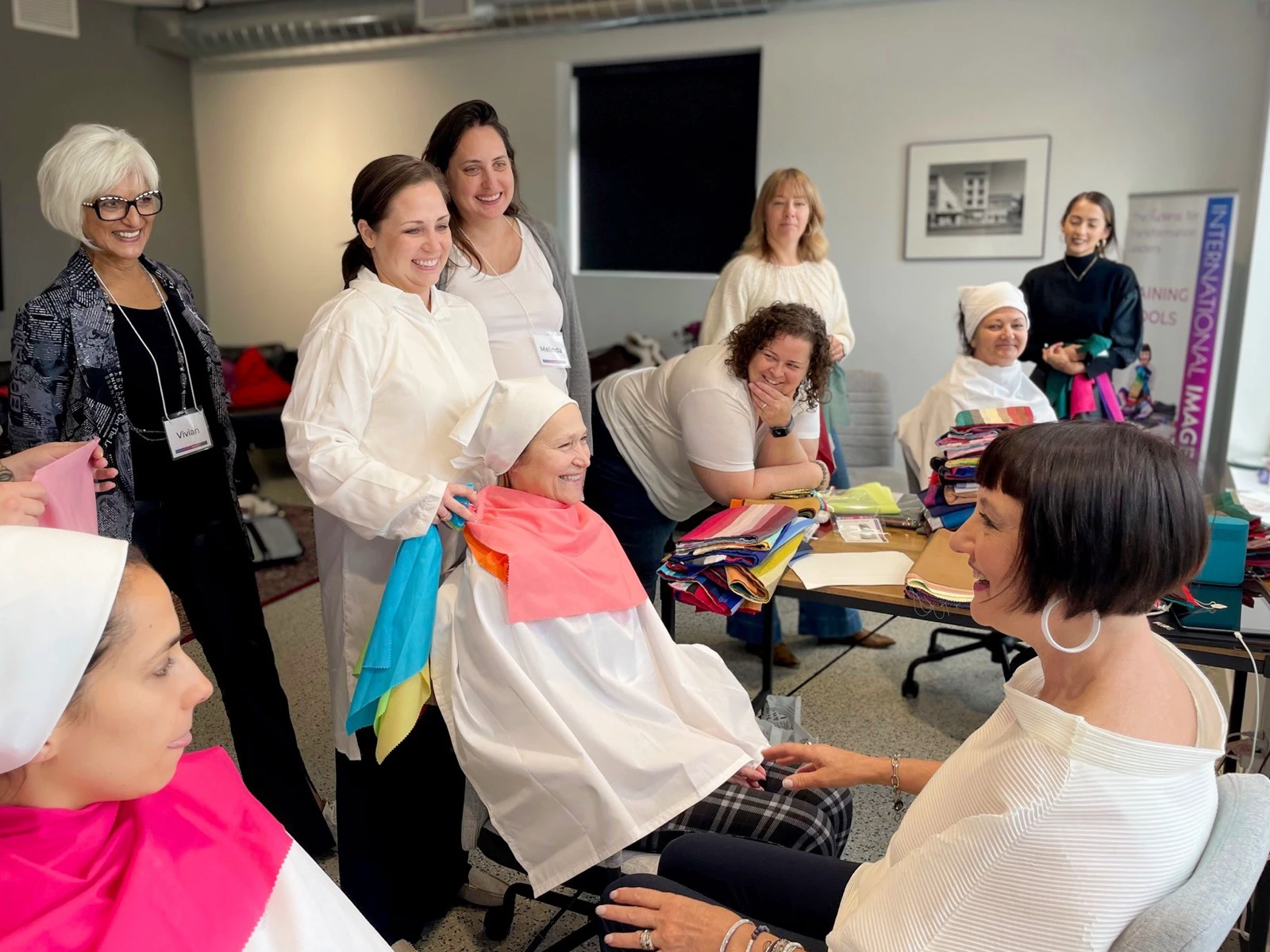
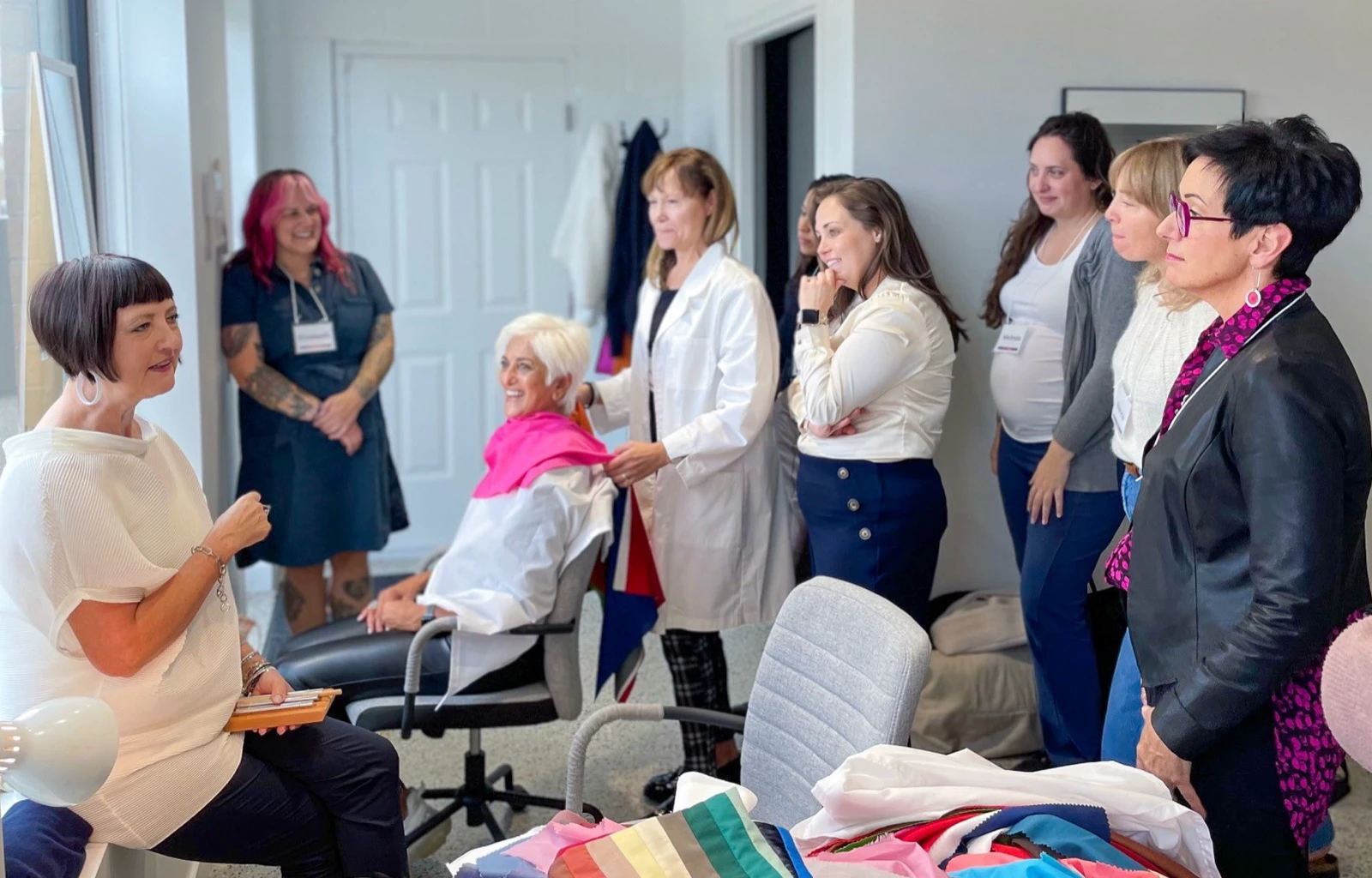
Controlled comparisons matter more than a selfie
A phone photo can be useful for asking whether a studio has relevant experience, but it is a weak basis for promising a season. Camera processing, white balance, room light, angle, distance, makeup, and reflected colors can all change the appearance of skin and fabric.
Clinical photography research is not a validation of personal color analysis. It is useful here for a narrower point: recent guidance for photographing diverse skin tones calls for soft, diffuse, standardized light and a fixed setup, while controlled studies have found that camera angle, distance, and device calibration change recorded color. An in-person analyst should therefore compare drapes in one consistent position and explain what changes around your face instead of diagnosing from a casual selfie.
Check the analyst, not “foreigner-friendly”
“Foreigner-friendly” may mean an English booking form or an interpreter. It does not show that the consultant has worked with clients whose skin depth, undertone, contrast, or pigmentation resembles yours.
A portfolio cannot prove accuracy, but it is the best evidence you can inspect before paying. Look for recent, minimally edited examples under consistent light. Strong examples show the face beside several drapes, include more than one skin depth and more than one result, and explain why one color family worked better than a close alternative. A grid of after-makeup portraits cannot show the analysis process.
One detailed Reddit account of a Seoul appointment illustrates why the checks must be separate. The writer said the studio had analyzed darker skin tones and that the appointment was useful, but reported that suitable foundation shades were not available and wished the reference celebrities had included darker-skinned examples. It is one person's past experience, not current policy and not a verdict on Seoul studios. Use it only to separate three questions: diagnostic experience, inclusive reference material, and makeup inventory.
Ask these questions before paying
Send only the questions that affect your booking. A studio should be able to answer them without predicting your result.
- Can you share two or three recent, unfiltered examples of clients with a skin depth or undertone similar to mine?
- Which palette system does this appointment use, and how many palettes or categories can the analyst choose from?
- Will the session compare warm, cool, and neutral possibilities as well as light-to-deep value and soft-to-bright intensity?
- How does the analyst handle olive or neutral undertones, facial redness, hyperpigmentation, or an uneven complexion during draping?
- Will I see close alternatives—including colors that do not work—with an explanation of the visible difference?
- If makeup testing is included, which foundation and concealer depth range is available? Should I bring my own base products?
- Who performs the consultation, and can that person explain the reasoning in my language or through an interpreter?
- What will I take home: physical swatches, a digital palette, descriptive color characteristics, or only a season name?
If the studio asks for a photo and you are comfortable sending one, use a makeup-free image in indirect daylight without a beauty filter. Ask the studio to use it only to judge whether it has relevant experience and products—not to guarantee a result before draping.
How to read the reply
Stronger signs
- Specific, recent portfolio examples rather than a generic “all foreigners welcome” answer.
- A comparison process that tests close alternatives instead of assigning a type from ethnicity, skin depth, or one photo.
- A clear distinction between the color consultation and the optional makeup application.
- Honest limits in the foundation range, with permission to bring products you already trust.
- Take-home colors described by undertone, depth, and intensity so they work across brands and countries.
Reasons to keep looking
- Every example has heavy makeup, strong retouching, different lighting, or no visible drapes.
- Deep skin is treated as automatically Autumn or Winter, or light skin as automatically Spring or Summer.
- Makeup is included, but staff cannot name the available foundation depth range.
- A season is guaranteed from a selfie while questions about the analyst's relevant experience go unanswered.
- The consultant and interpreter roles are unclear, or the package does not say who makes the final decision.
A mostly light-skinned portfolio does not prove that an analyst is incapable. It simply gives you less evidence. If two appointments cost about the same, choose the one that shows comparable work and answers the process questions clearly.
Make the appointment useful after Seoul
During draping, ask to see the strongest option beside the closest losing option. With permission, photograph both from the same position and under the same light. The pair is more useful later than a season label on its own.
If the studio cannot confirm a suitable base-makeup range, bring the foundation or concealer you already use. Clothing, hair, eyewear, jewelry, and lip colors can still be compared even when the local foundation inventory is limited.
Write down the descriptive result: warm, cool, or neutral; light, medium, or deep; soft, clear, or bright; and low or high contrast, using the studio's own definitions. Also record the palette system and analyst. If another consultation later gives a different label, you can compare the actual drapes and color characteristics instead of assuming one name must be universally correct.
Bottom line
Your skin tone is not an eligibility test. The studio's relevant experience, controlled comparison process, communication, and product readiness are the booking tests. Ask for comparable work, keep diagnosis separate from makeup inventory, and pay for an explanation you can use—not just a season name.
Sources and image credits
- Delivery Spot cover image — Published cover showing color-analysis trainees with different complexions.
- International Image Institute color-analysis training — Current description of undertone, value, intensity, multiple palette systems, and in-person practice; also the original source for the cover and two training slider images. Rechecked August 11, 2026.
- Skin colour does not define ethnicity — 2026 research on within-group variation and overlap across ethnic groups; used only to reject ethnicity as a skin-color shortcut.
- Digital photography guide for diverse populations — 2025 clinical-photography guidance on consistent, diffuse lighting and inclusive image capture.
- Camera distance and angle study — Controlled study showing that smartphone camera geometry can change recorded skin-tone standards.
- Full-face imaging color-calibration study — 2026 study on device variation and color calibration; cited for photography limits, not to validate seasonal analysis.
- Seoul appointment account — One traveler's experience used only as a question signal; not current studio policy.
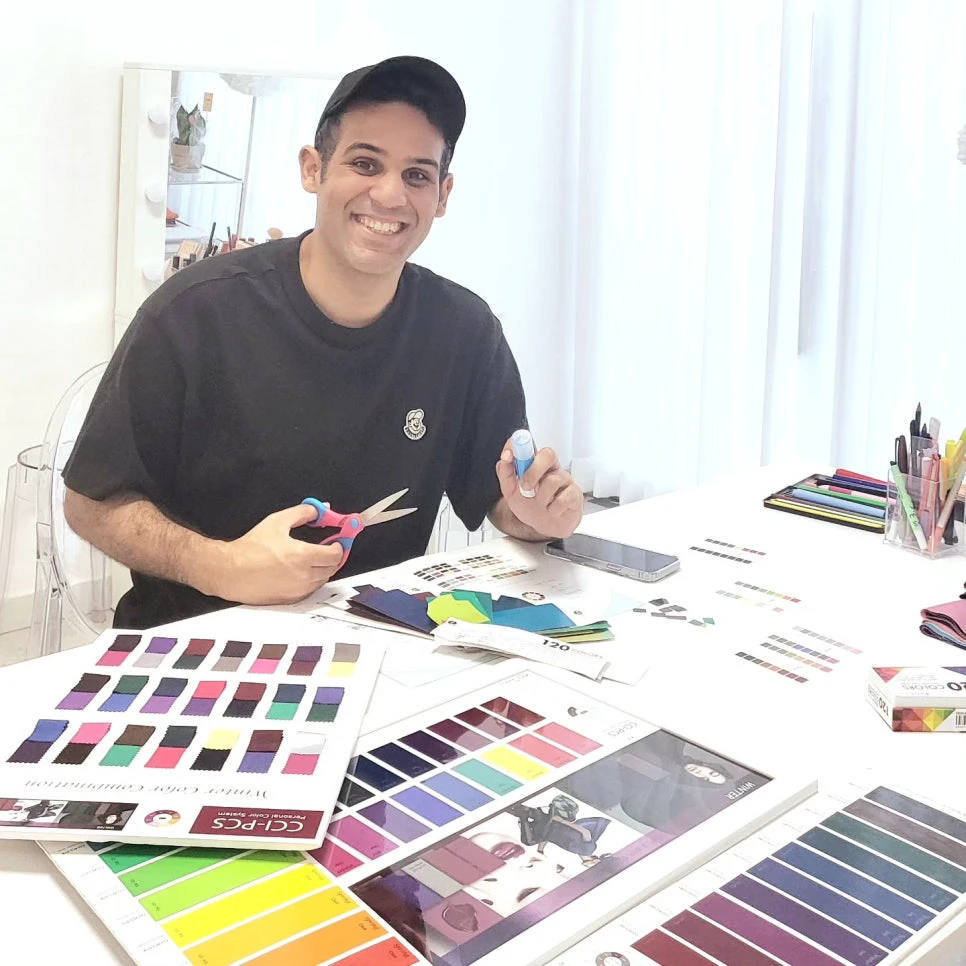
- Color Mean Personal Color Studio — Original source credited for the Korean studio table image.
- Delivery Spot training slide 1 — Published web asset derived from the International Image Institute source above.
- Delivery Spot training slide 2 — Published web asset derived from the International Image Institute source above.
- Delivery Spot studio image — Published web asset derived from the credited Color Mean source above.
Last updated


