
What to Wear in Seoul Month by Month: An All-Day Guide
Dress for Seoul's forecast high, carry one removable layer for the morning, evening, or strong indoor cooling, and choose shoes for the day's weather and walking. This month-by-month guide turns that rule into a practical packing plan.
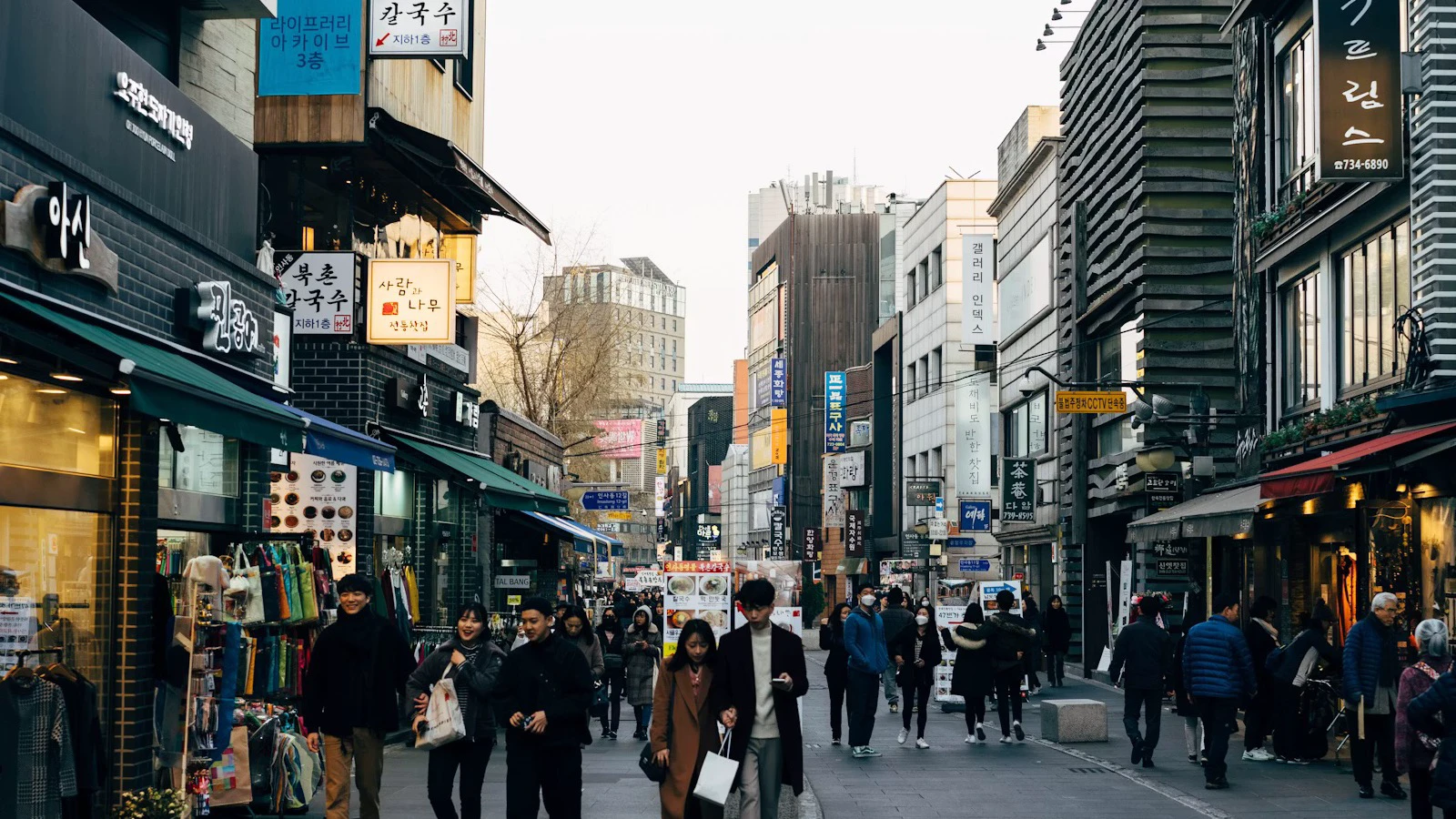
Pack for Seoul by layer, not by a single monthly temperature: dress for the forecast high, carry one removable layer for the morning, evening, or strong indoor cooling, and make walking shoes the priority. January, February, and December need real insulation; July and August need breathable, quick-drying clothes plus a light indoor layer; the months between are where an easy-to-remove jacket matters most.
Seoul's climate normals are useful for choosing the size of your suitcase, but they are not a packing list for a particular day. The Korea Meteorological Administration's 1991–2020 climate normals put Seoul's coldest monthly mean in January at -1.9°C and its warmest in August at 26.1°C, a wide annual range that makes one “Korea outfit” impossible.
Pack for the whole day, not the first photo
Build each day from four decisions:
- Base: a top and bottom comfortable at the forecast afternoon high.
- Removable layer: a cardigan, overshirt, fleece, or compact light puffer for the morning and after dark.
- Weather layer: a wind-resistant coat or packable rain shell only when the forecast calls for it.
- Shoes: a broken-in pair that can handle the day's distance and surface. Add warmth, grip, or rain tolerance before adding a more photogenic second pair.
This works better than copying what one person wore in a street photo. Two travelers can feel the same temperature differently, and subway platforms, trains, department stores, cafés, museums, and restaurants do not all hold the same indoor temperature. A layer that fits in your day bag is more useful than an outfit that only works outdoors at 2 p.m.
What to wear in Seoul, month by month
Treat each row as a starting kit, then adjust it to the actual daily high, low, wind, rain, and your own cold tolerance. The first and last week of the same month can feel like different seasons.
- January — Start with a thermal base, knit or fleece, and an insulated wind-resistant coat. Keep gloves, a scarf, warm socks, and shoes with useful grip available.
- February — Use winter layers similar to January, with a midlayer you can remove indoors. Keep a hat or gloves for cold spells; do not assume “late winter” means mild.
- March — Wear a long-sleeve base with a warm midlayer or light puffer. Carry a wind-resistant outer layer; lighter days can still turn cold after sunset.
- April — Pair a T-shirt or long sleeve with a cardigan, overshirt, or light jacket. Add compact rain protection and closed shoes.
- May — Start with a short-sleeve base and light trousers or your preferred warm-weather bottom. Carry a thin overshirt or cardigan for early starts and cool interiors.
- June — Choose a breathable top and lightweight bottoms. Pack a rain shell or umbrella, spare socks, and a thin air-conditioning layer.
- July — Wear light, breathable, quick-drying clothes. Keep a thin indoor layer and rain-friendly shoes; avoid a heavy fabric that stays wet.
- August — Use the same heat-and-humidity kit as July. Add a water-resistant day-bag cover or compact rain layer when storms are forecast.
- September — Start with a summer base early in the month and a light long sleeve later. Carry an overshirt or thin jacket, especially for evenings toward month's end.
- October — Pair a long sleeve or T-shirt with a cardigan or light jacket. Bring a warmer midlayer for late-October nights and windy days.
- November — Start with a knit or fleece and a medium coat or light puffer. Add a scarf and a warmer base when the forecast low drops sharply.
- December — Use a thermal base, warm midlayer, and insulated wind-resistant coat. Keep gloves, a scarf, warm socks, and cold-ready shoes available.
The month-by-month list deliberately avoids telling you to wear one exact item all month. A rainy June day, a windy March evening, and a sunny late-October afternoon can each make the apparent temperature feel different from the number you saw when booking.
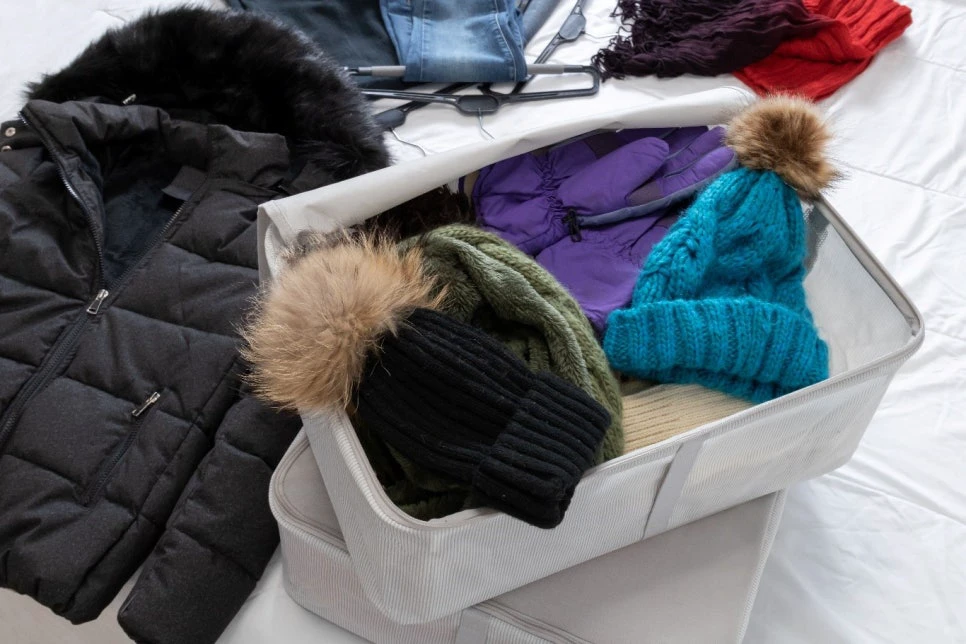
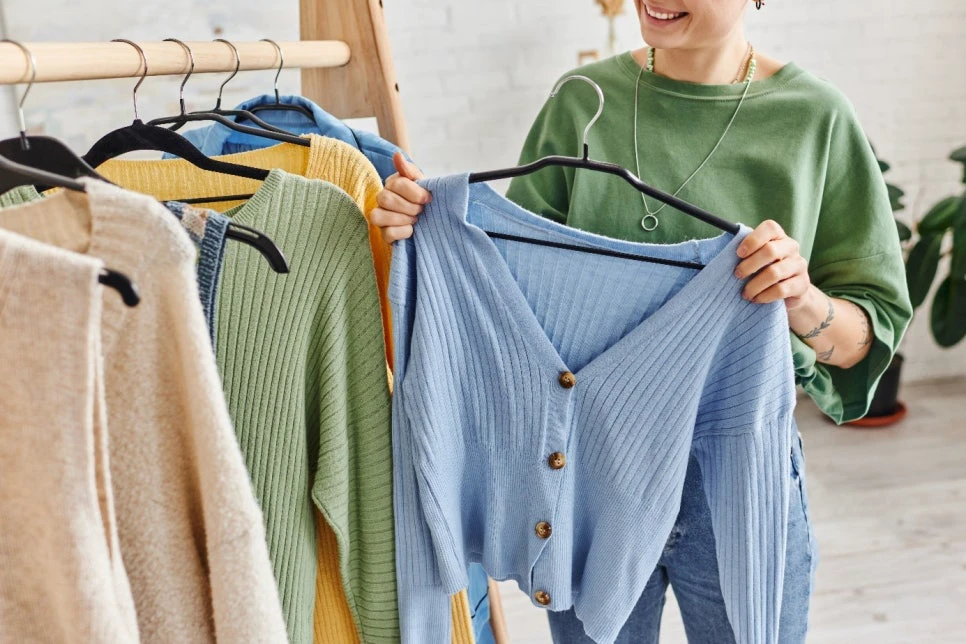
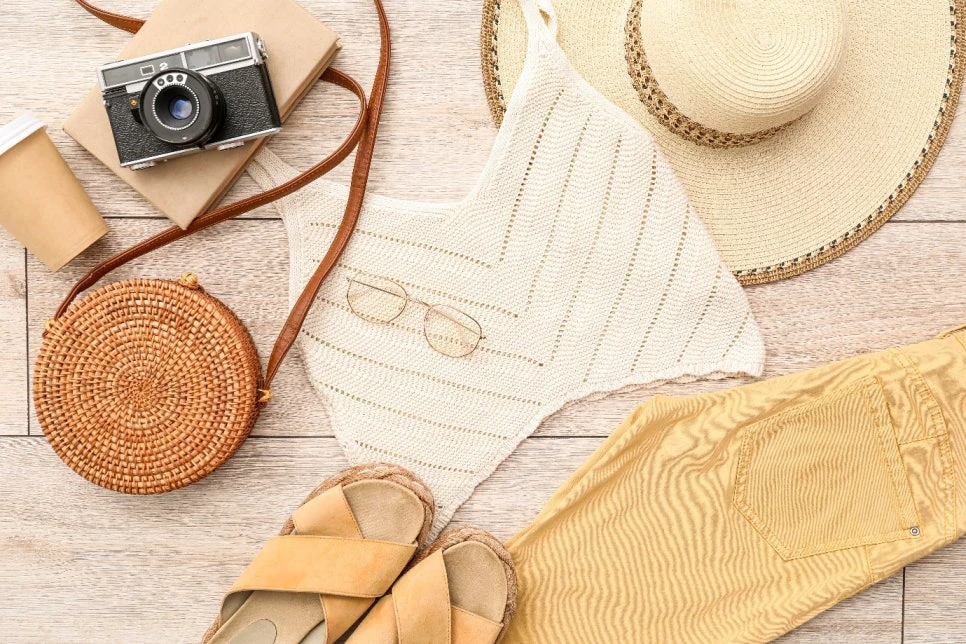
These are three different packing jobs, not three fashion rules. Winter needs insulation and small accessories that protect exposed skin; spring and autumn reward a cardigan or other removable midlayer; summer is easier in light pieces that dry quickly, with one thin layer reserved for cooled interiors.
What a monthly guide cannot tell you
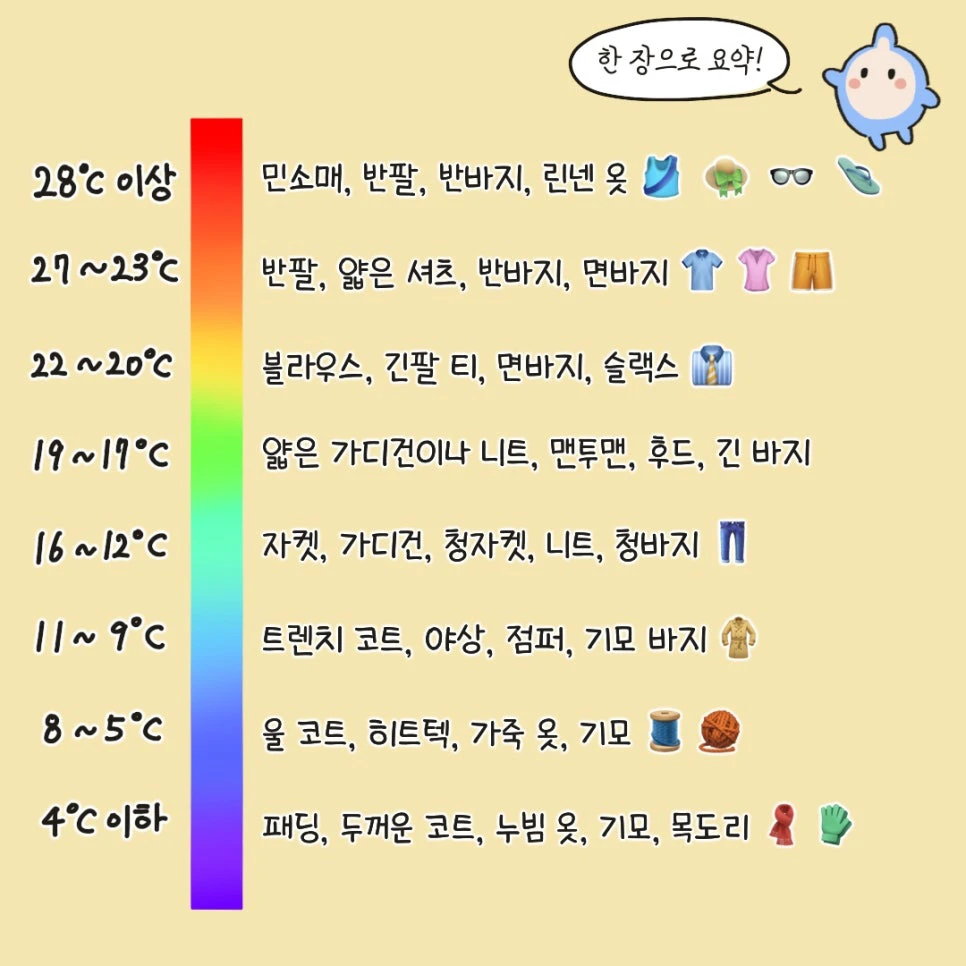
This Korean-language KMA contributor graphic groups example clothes by the temperature on the forecast, from insulated coats and cold-weather accessories at 4°C or below to light summer clothes at 28°C or above. Use it as a quick cross-check after reading the day's high and low, not as a guarantee of comfort or a replacement for wind and rain information.
The overnight low
If you leave at 7 a.m. and return after dinner, the daily high answers only part of the question. Compare the high and low on the KMA short-term forecast, then decide whether the extra layer must cover a small change or a genuine cold evening. Recheck on the morning you leave; a forecast saved several days ago is not enough.
Wind, humidity, and rain
Wind can turn a workable coat into a poor one if air passes straight through it. High humidity makes summer clothing dry slowly, while rain changes the shoe decision even when the temperature is comfortable. The same KMA climate statistics show that June through August account for about 63% of Seoul's normal annual precipitation, so summer packing needs a rain plan as well as a heat plan.
For prolonged summer rain, use our Korea rainy-season guide. For a winter trip, the Seoul winter clothing guide explains wind, ice, indoor heating, and cold-weather footwear in more detail.
Indoor temperature
Heating and air conditioning vary by building, vehicle, seat, and time of day. Instead of packing a thick “indoor sweater” for summer, carry a thin shirt or cardigan that can go on without taking much bag space. In winter, avoid one giant layer over a T-shirt if you overheat easily indoors; a base, midlayer, and coat give you more control.
Your pace and cold tolerance
A fast walker carrying a backpack may need less insulation than someone waiting outdoors, taking photos, or traveling with children. Locals' outfits are useful evidence of what the day feels like, but not a dress code. Adjust one layer at a time rather than treating a coat, shorts, or sandals as mandatory for a calendar month.
A small capsule that covers most transition months
For March through May or September through November, a compact core is usually more adaptable than separate outfits for every day:
- Two or three base tops of different warmth
- One cardigan, overshirt, or light fleece
- One wind-resistant jacket or compact light puffer chosen for the forecast
- One comfortable long bottom, plus a second bottom that suits the warmer part of the trip
- One reliable walking shoe, with rain resistance or grip added if conditions require it
Rewear the outer layers and change the base. If the forecast moves warmer, the jacket stays in the bag; if it moves colder, the base and midlayer work together. For a trip that crosses seasons or includes mountains, add the specialized piece rather than doubling the entire wardrobe.
Make the final decision three to five days before departure
Open the forecast for the exact dates, not just “Seoul in April.” Check the expected high and low, precipitation, wind, and any weather advisory. Then run three tests:
- Can you stay comfortable outside at the coldest time you will actually be out?
- Can you remove enough layers for the warmest indoor or afternoon period?
- Will your shoes still work if the pavement is wet, icy, or hot for hours?
Travelers repeatedly ask communities what to wear in March, April, and late October because a month name does not settle the morning-to-night problem. Community replies are useful for spotting that concern, but today's official forecast should decide what goes into your day bag.
The practical rule is simple: start with the forecast, build removable layers around the daily low and high, then let footwear and rain protection follow the day you will actually spend outside. That produces an outfit you can wear for twelve hours, not just one good photograph.
Photo credits
- Featured Seoul street photograph: Markus Winkler on Unsplash, available under the Unsplash License; cropped to 16:9.
- Winter, transition-season, and summer clothing photographs: Korea Sports Promotion Foundation (KSPO), from its official Naver Blog guide, “What should I wear today? Clothing by temperature”; used with written operator permission.
- Temperature-band clothing graphic: Korea Meteorological Administration contributor content, from the official Naver Blog post “What should I wear? Clothing by temperature”; used with written operator permission.
Sources and image credits
- 1991–2020 climate normals — Checked for guide details or image attribution.
- KMA short-term forecast — Checked for guide details or image attribution.
- March — Checked for guide details or image attribution.
- April — Checked for guide details or image attribution.
- late October — Checked for guide details or image attribution.
- Markus Winkler on Unsplash — Checked for guide details or image attribution.
- Unsplash License — Checked for guide details or image attribution.
- “What should I wear today? Clothing by temperature” — Checked for guide details or image attribution.
- “What should I wear? Clothing by temperature” — Checked for guide details or image attribution.
Last updated


