
Sensitive Skin? Avoid These Mistakes With New K-Beauty
Sensitive skin benefits from a controlled trial: keep a stable base, test one new K-beauty product at a time, read label claims carefully, and know when to stop.
Sensitive skin does not need a shelf full of “calming” products. It needs a controlled trial. Keep the cleanser, moisturizer, and sunscreen that already suit you; add one new K-beauty product; test it as directed; and make the next decision from what your own skin does—not from the promise on the front of the bottle.
The costliest mistake is often changing toner, serum, cream, and sunscreen together. If redness or itching follows, four new formulas leave four suspects and no clean way to identify the trigger.
Mistake 1: replacing the whole routine at once
Start from a quiet baseline. Give the new product one job and keep everything else stable. The American Academy of Dermatology (AAD) advises starting with one anti-aging product because several at once can irritate skin. That guidance is about anti-aging care, but the troubleshooting principle is useful whenever a routine contains unfamiliar actives. Read the AAD’s product-introduction guidance.
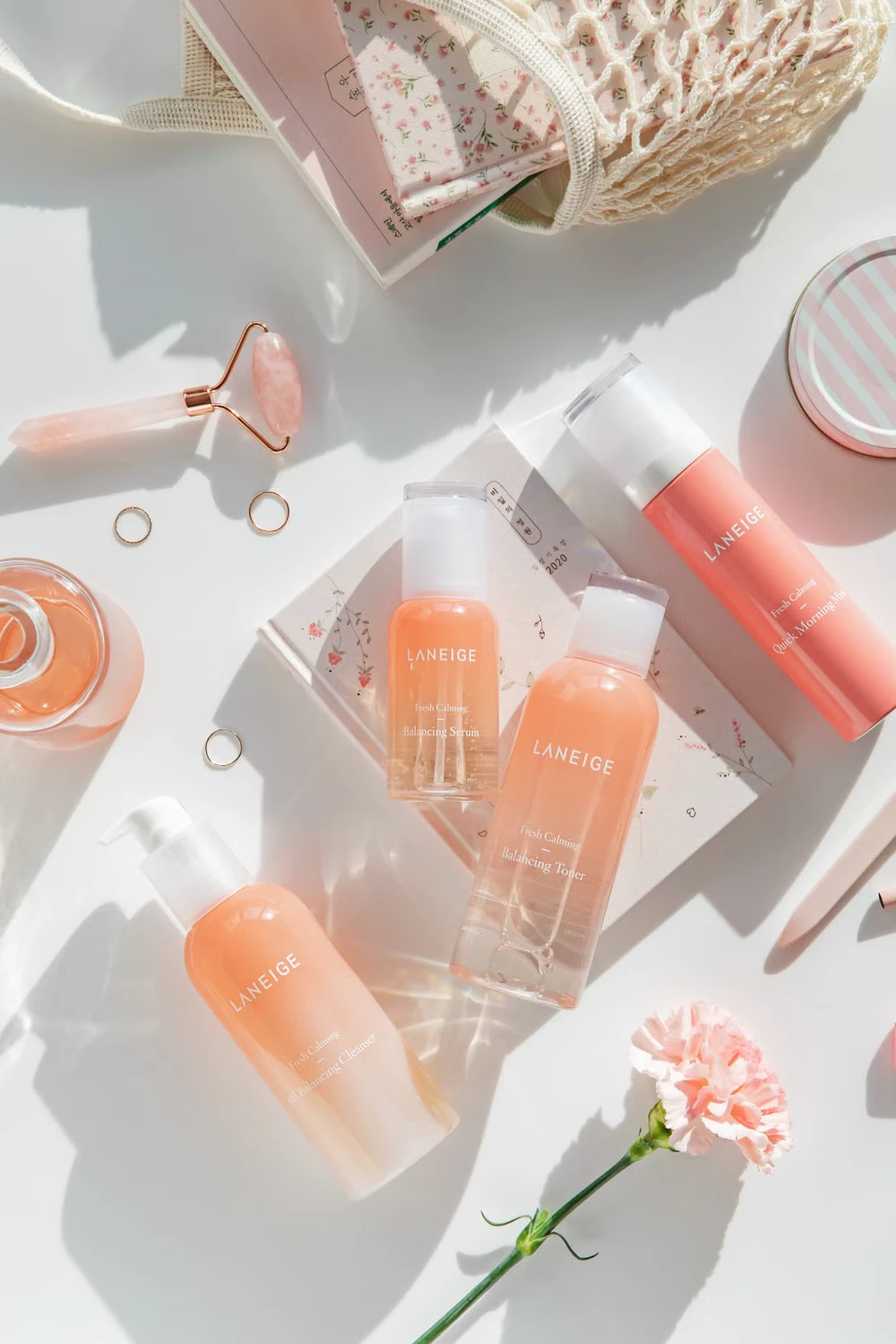
The cover image is an illustrative K-beauty set, not a recommendation to layer every bottle. If a long routine is tempting, our guide to whether a 10-step Korean skincare routine is necessary explains why a smaller base is easier to evaluate.
Mistake 2: calling one quick dab a patch test
For a new cosmetic, the AAD’s current at-home product-testing instructions are more useful than a one-minute sample at a shop:
- Choose a quarter-sized area on the underside of the arm or at the bend of the elbow, where the product will not be rubbed or washed away.
- Apply the normal amount and thickness twice a day for seven to 10 days.
- Leave a leave-on product in place as long as you normally would. For a cleanser or another rinse-off product, leave it for about five minutes—or the time on the label—then rinse.
- If the test area becomes red, itchy, or swollen, wash the product off and stop using it.
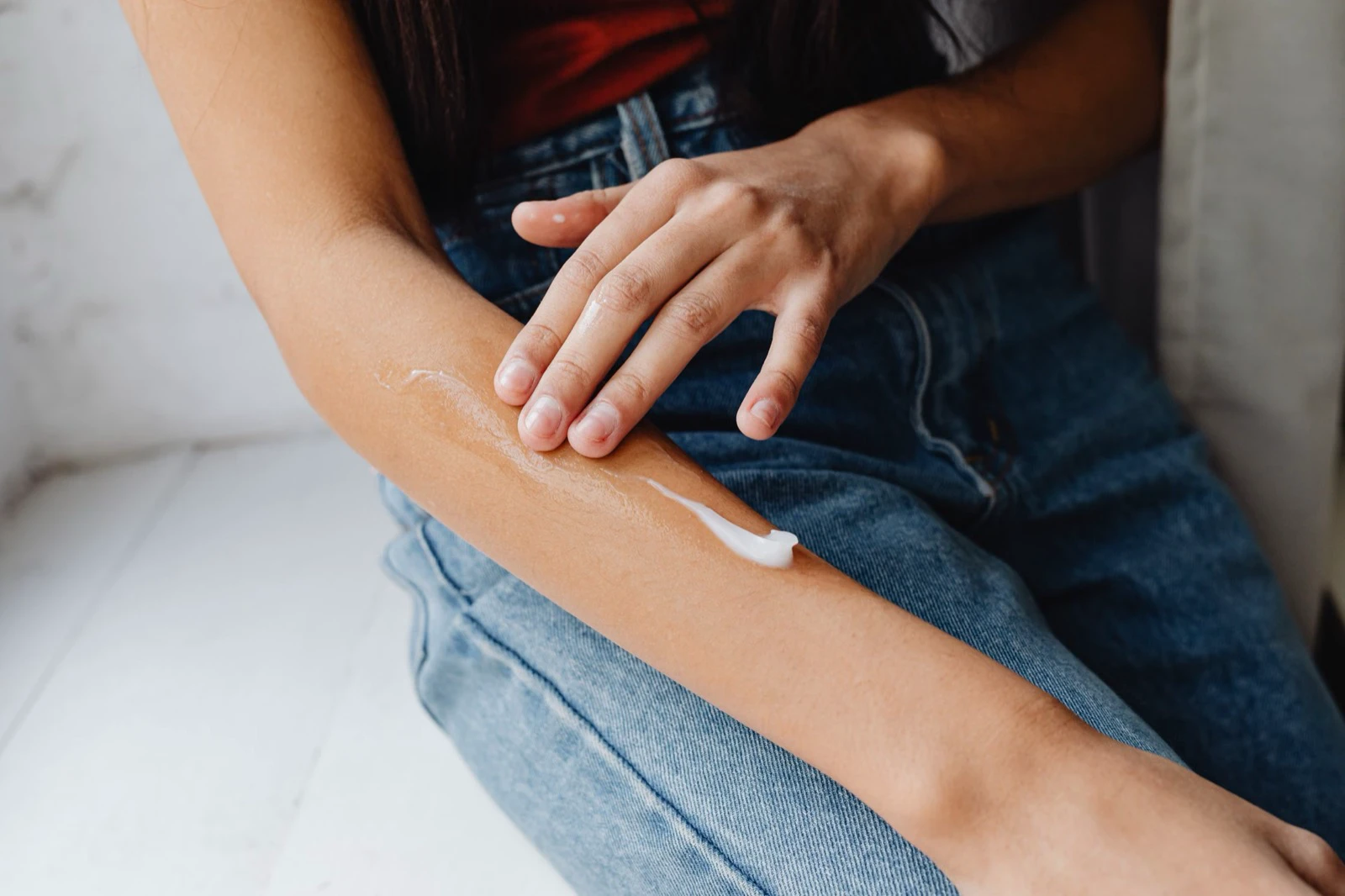
Passing this small-area check lowers uncertainty; it cannot guarantee how the face, eyelids, or lips will respond. Introduce the product alone after the test and continue to follow its directions.
An at-home product check is also not the same as medical patch testing. A dermatologist’s patch test uses selected allergens and scheduled readings to investigate allergic contact dermatitis. If reactions keep returning and the trigger is unclear, ask a dermatologist whether that diagnostic test is appropriate.
Mistake 3: trusting comfort words instead of the label
“Unscented” can still contain fragrance
The U.S. Food and Drug Administration (FDA) explains that a cosmetic labelled unscented may still contain fragrance ingredients used to mask another smell. In the United States, a fragrance mixture may also appear in the ingredient list simply as “fragrance” or “perfume.” If fragrance is a known concern, the FDA suggests choosing fragrance-free products, checking the ingredient list carefully, and contacting the manufacturer when the formula is unclear. See the FDA fragrance guidance.
“Fragrance-free” is not a universal promise either. The FDA says there is no U.S. federal standard or definition governing that claim. Treat it as a useful screening clue, not permission to skip the ingredient list or the trial.
“Natural” and “hypoallergenic” do not predict your reaction
Plant extracts and essential oils do not get a safety exemption because they sound gentle. The FDA says an ingredient’s source does not determine its safety and that “natural” has no formal FDA definition for cosmetics.
For cosmetics sold in the United States, hypoallergenic also has no federal standard or definition, and manufacturers do not have to submit substantiation for that claim to the FDA. Rules differ by market, but no front-label phrase can promise that a particular person will tolerate a formula. Read the exact package you are buying, not an old product screenshot. The FDA explains the limits in its hypoallergenic cosmetics Q&A and cosmetic allergen guidance.
Mistake 4: stacking by product name instead of function
A toner, pad, serum, and mask can repeat the same exfoliating job even when their marketing names differ. Retinoids and acids such as glycolic acid can irritate skin, and adding several unfamiliar actives at once makes the cause harder to isolate.
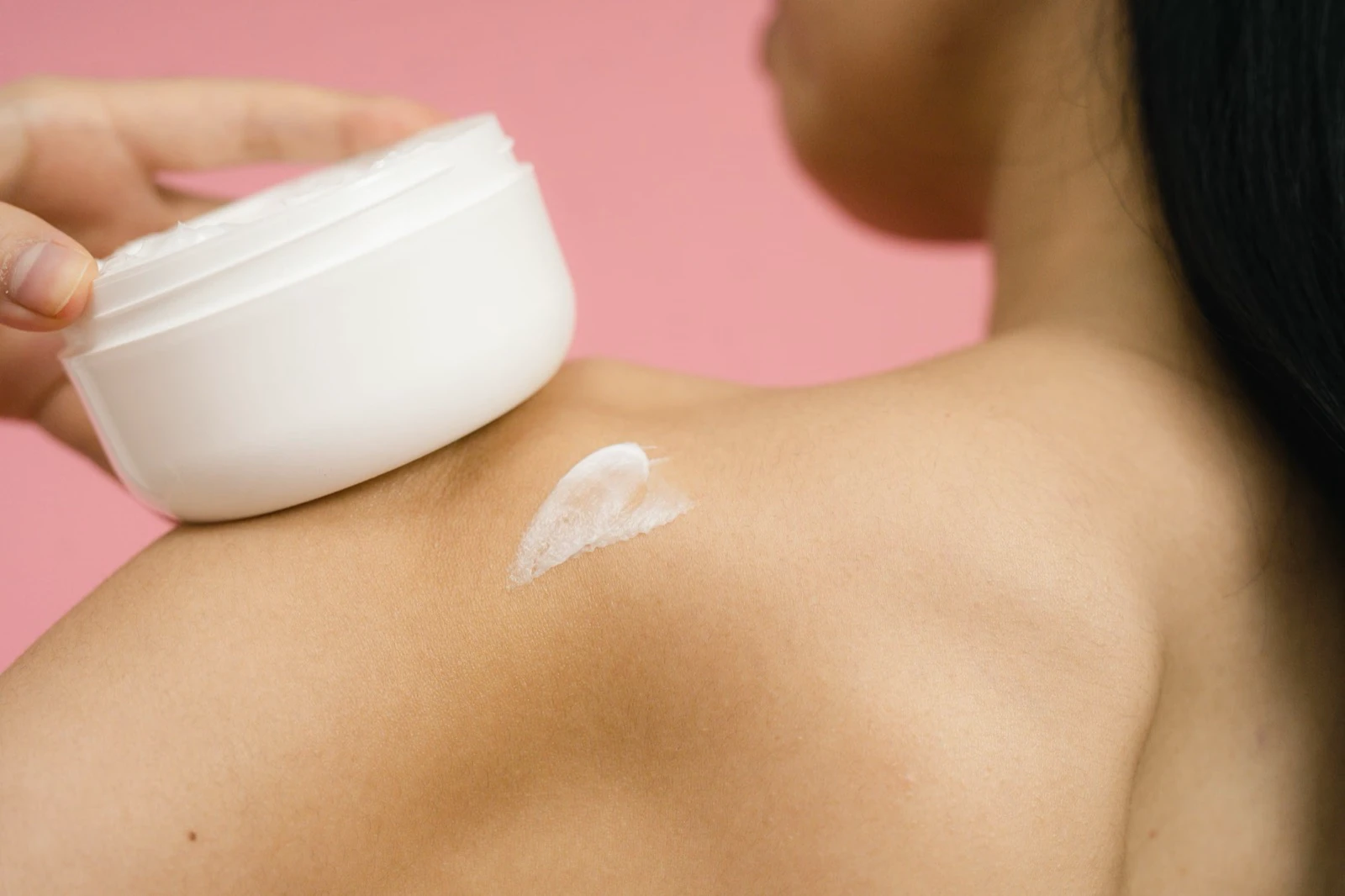

These two cream photos are illustrative, not a layering recipe. Follow each product’s directions and do not add a second strong active during the same trial. If the product is prescription treatment or part of a clinician’s acne, rosacea, or eczema plan, contact that clinician for instructions before changing the plan yourself.
Keep a simple record: photograph the full ingredient panel, note the date you opened and started the product, and record where and how often you used it. The FDA also recommends reading the whole label, following warnings, and marking an opening date to track a cosmetic’s age in its cosmetic safety guidance.
Burning is a stop sign, not proof of performance
If a cosmetic causes a reaction, stop using it and wash it off. The AAD says a cool compress or petroleum jelly may help relieve a reaction; if it is severe or does not improve, see a dermatologist. The FDA also advises contacting a healthcare provider about an unexpected rash, redness, burn, or other reaction.
Seek urgent medical attention for a rash that rapidly spreads, becomes painful, forms blisters or open sores, involves the eyes, lips, mouth, or genitals, or comes with fever or illness. Trouble breathing or swallowing, or swelling of the eyes or lips, calls for emergency care; these are among the AAD’s rash warning signs.
“Purging” is not a diagnosis for every difficult first week. Do not use the word to dismiss itching, swelling, a spreading rash, or significant pain. Stop the experiment and get appropriate care.
A calmer way to try one new product
Before buying, decide which single item will enter the routine first. Then:
- save a clear photo of its ingredient list and directions;
- complete the small-area check using the product as directed;
- keep your established routine unchanged;
- start only that product and log the date and frequency; and
- stop and assess rather than adding another product to “fix” a reaction.
Sensitive skin does not require perfect predictions. It benefits from fewer moving parts, a readable record, and permission to stop.
Facts and medical guidance checked on August 12, 2026. This guide is general information, not a diagnosis or a substitute for care from a qualified clinician.
Sources and image credits
- Cover image asset — Photo by min o on Pexels.
- AAD: How to maximize results from anti-aging skin care products — One-product introduction and irritation guidance.
- AAD: How to test skin care products — At-home test steps, reaction care, and medical patch-testing distinction.
- FDA: Fragrances in Cosmetics — Unscented products, ingredient labelling, and fragrance sensitivity.
- FDA: “Hypoallergenic” Cosmetics — U.S. limits of the hypoallergenic claim.
- FDA: Allergens in Cosmetics — U.S. cosmetic allergen and front-label claim guidance.
- FDA: Using Cosmetics Safely — Label reading, opening-date records, and unexpected reactions.
- AAD: When to seek medical treatment for a rash — Urgent and emergency rash warning signs.
- Forearm-test image asset — Photo by Karola G / Kaboompics.com on Pexels.
- Shoulder-cream image asset — Photo by SHVETS production on Pexels.
- Hand-cream image asset — Photo by Yaroslav Shuraev on Pexels.
Last updated


