
Korean Temple Food: Vegetarian Meal or Cultural Experience?
Korean temple food is both a vegetarian food tradition and a Buddhist cultural practice. Learn what the five pungent vegetables are, why strict vegans should still confirm ingredients, what the food tastes like, and how restaurant, Templestay, and formal monastic meals differ.
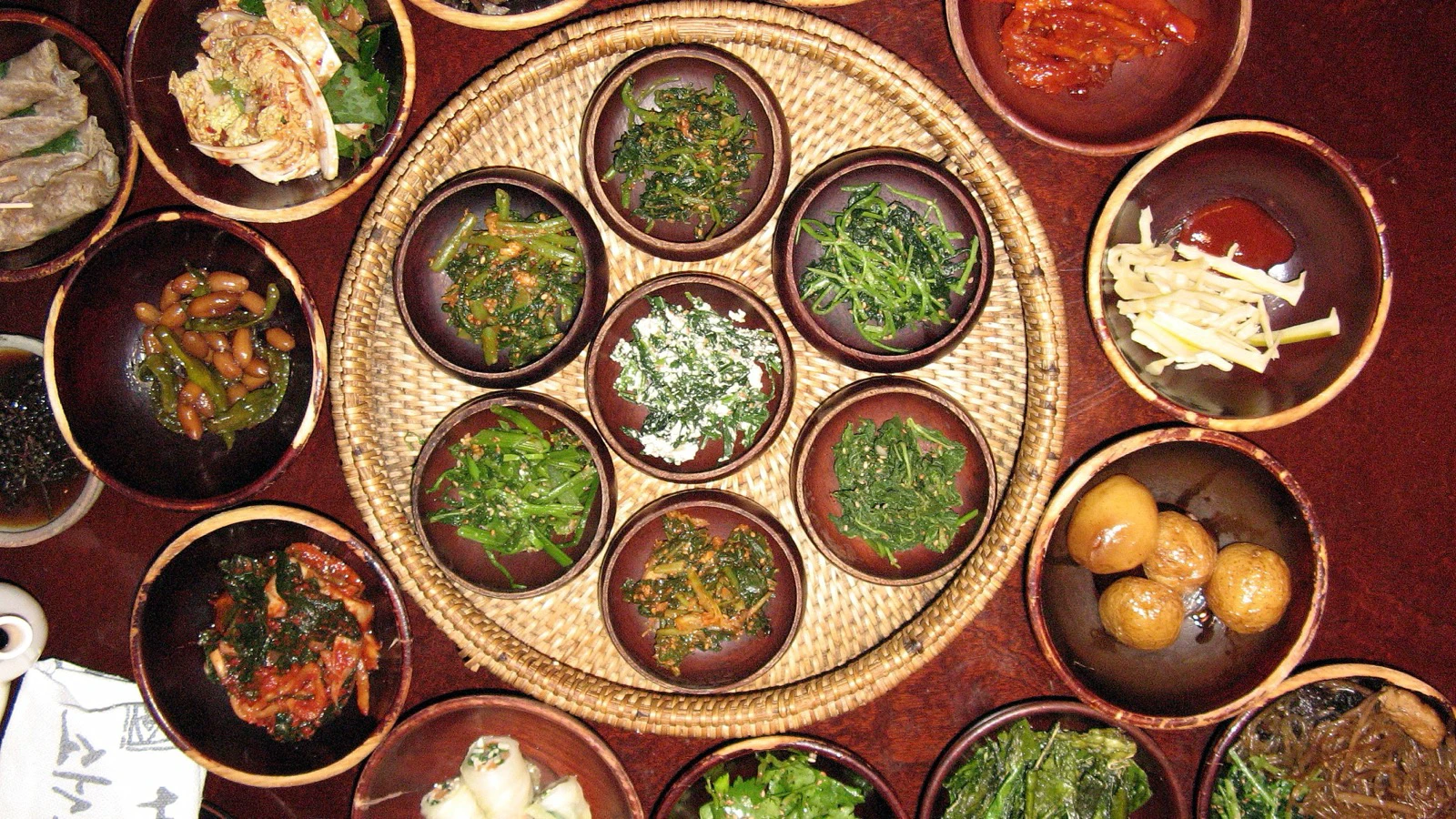
Korean temple food is both a vegetarian meal and a Buddhist cultural practice. Traditional dishes exclude meat and fish and avoid the five pungent vegetables, but official Korean temple-food guidance allows dairy, so a strict vegan should confirm the exact menu rather than rely on the label alone.
The experience you choose matters as much as the menu. A polished restaurant course, a regular meal during a Templestay, a cooking class, and formal barugongyang are related, but they are not interchangeable.
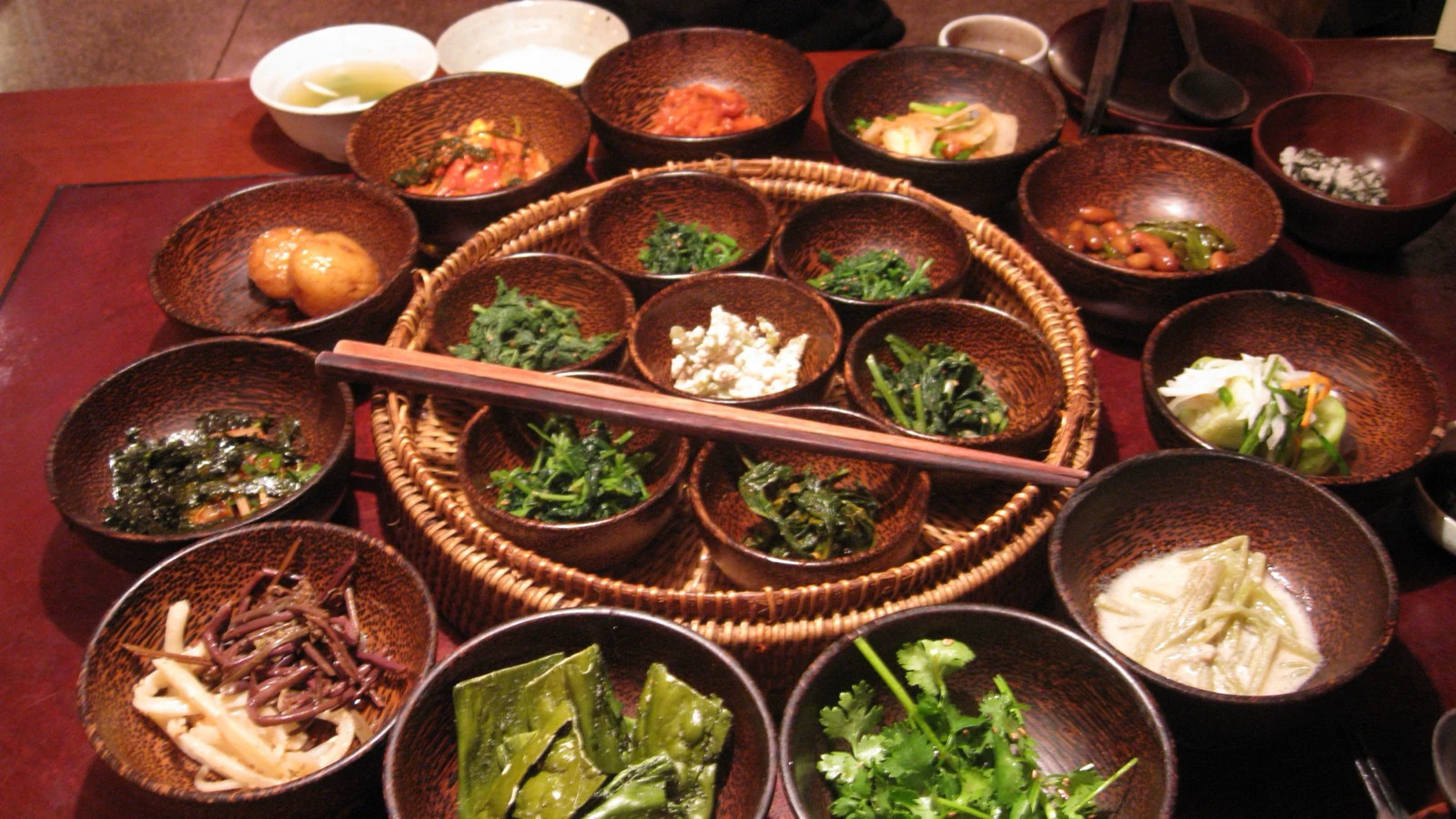
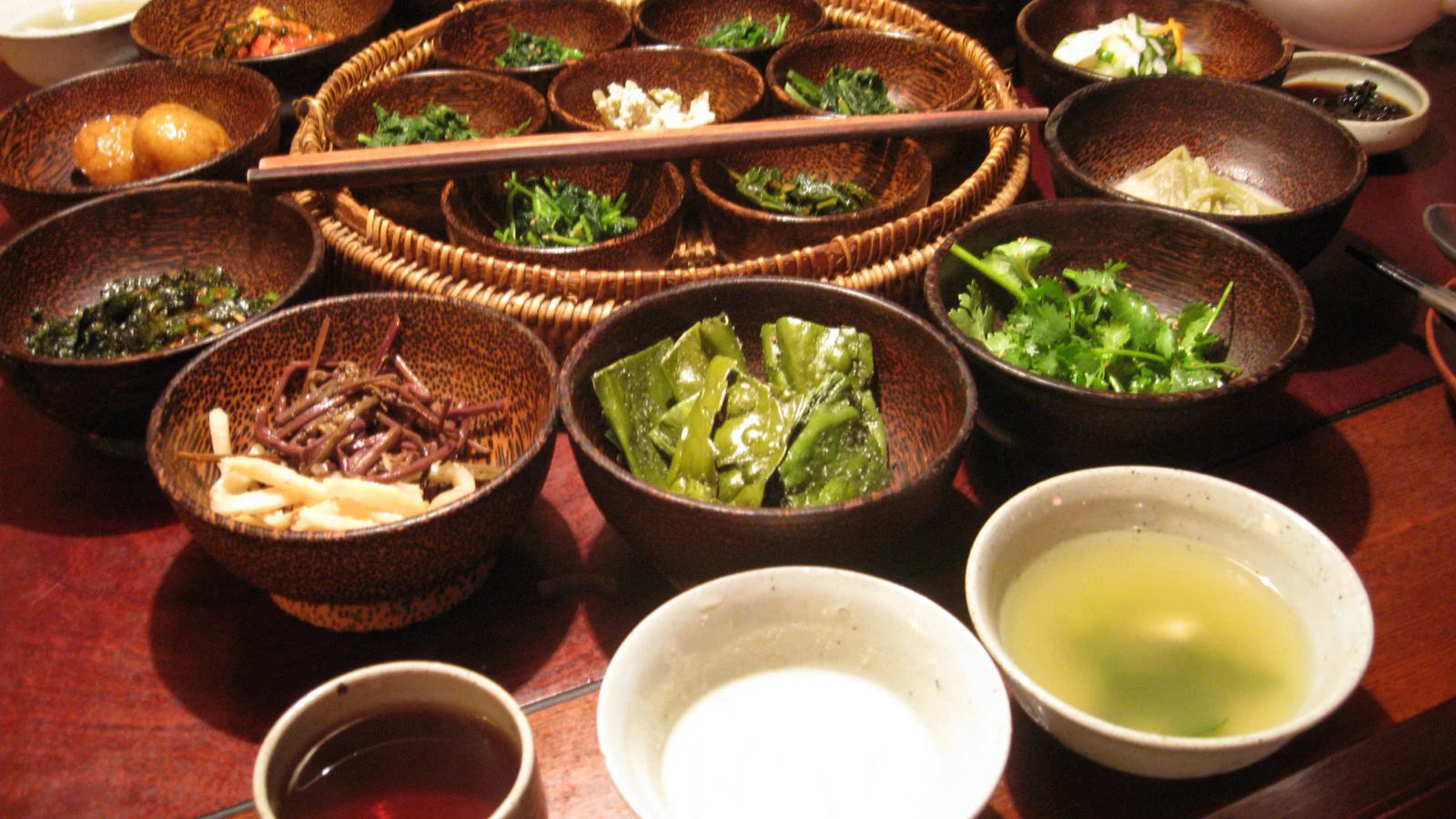
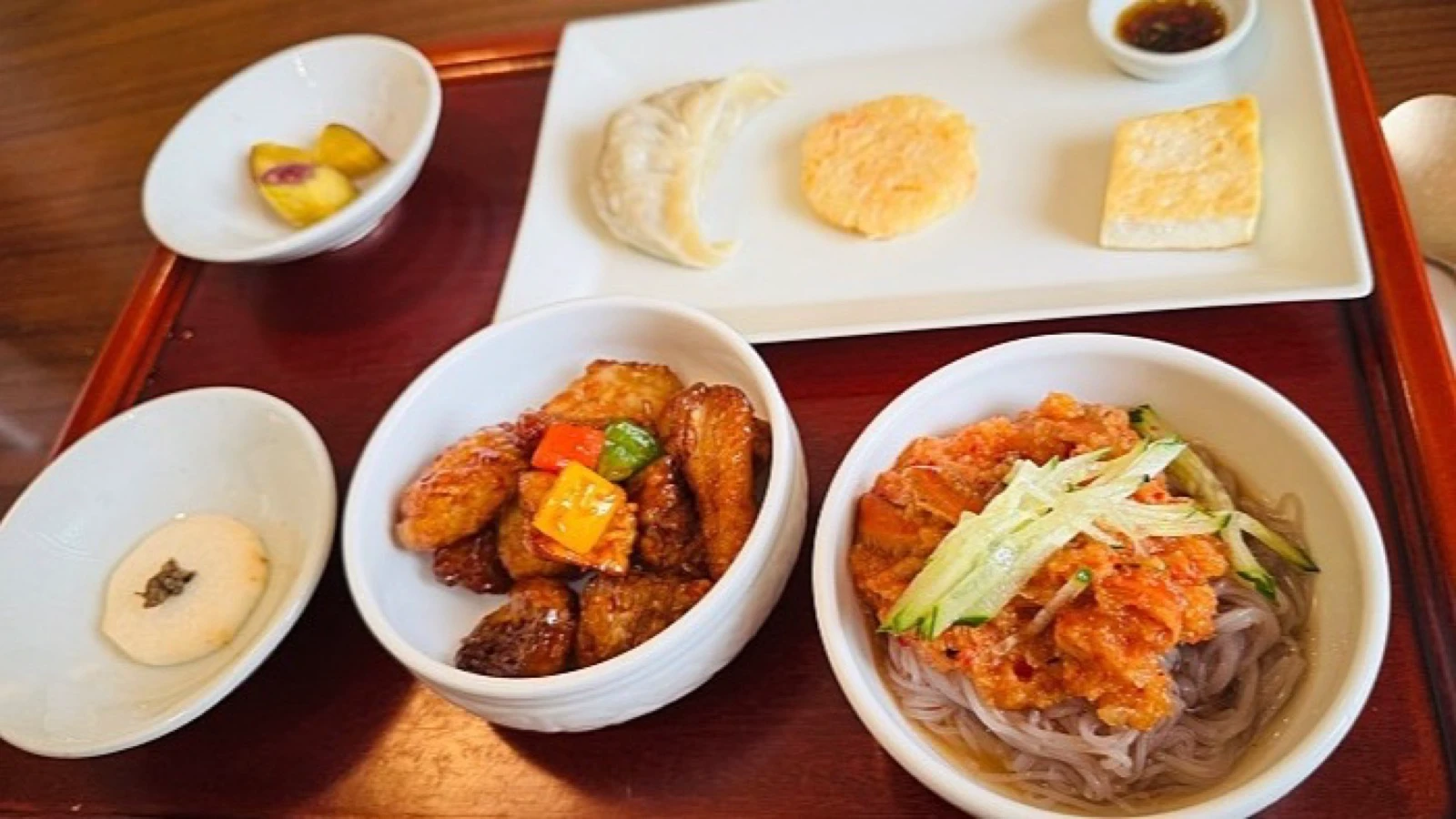
These three meals show the range rather than a fixed template: many seasoned greens and small dishes, a bowl-centered spread, and a modern plated restaurant course. Temple food changes with season, region, temple, and cook.
Vegetarian, yes; automatically vegan, no
The official Korea Temple Food characteristics guide says the tradition does not use animal products except dairy. That makes traditional temple food a strong vegetarian option, but it does not make every dish or every restaurant using the words “temple food” strictly vegan. If you avoid all animal-derived ingredients, ask about milk, butter, yogurt, and honey in the particular course.
The label is not an allergy guarantee either. Soy, wheat, sesame, nuts, and other common allergens can appear in sauces, fermented pastes, powders, dumpling skins, noodles, or garnishes, and a restaurant kitchen may share tools and surfaces. Our guide to hidden non-vegetarian ingredients in Korean food explains why broth and seasoning deserve a separate check.
At a commercial restaurant, confirm that the kitchen follows temple-food rules rather than assuming every “temple-style” dish does. At a temple or program, tell the organizer about dietary restrictions when booking; the fact that a meal is prepared in a temple does not remove the need for an allergen conversation.
What are the five pungent vegetables?
Temple food traditionally avoids osinchae (오신채), the “five pungent vegetables.” The official English guide lists onions, garlic, chives, green onions, and leeks. English translations vary because Korean Buddhist sources distinguish several closely related alliums, so a translated list may instead mention wild chive or Chinese squill. The practical point is clearer than the botanical debate: expect food without the garlic-and-scallion base that flavors much everyday Korean cooking.
This is a discipline of Buddhist practice, not a claim that garlic or onions are unhealthy. The tradition treats their strong aroma and stimulating quality as distractions from a calm mind and meditation.
If avoiding alliums is medically important, do not use “temple food” as shorthand. Ask directly:
- 오신채가 들어가나요? (Osinchae-ga deureoganayo?) — Does this contain any of the five pungent vegetables?
- 마늘, 파, 양파, 부추를 먹을 수 없어요. (Maneul, pa, yangpa, buchureul meogeul su eopseoyo.) — I cannot eat garlic, green onion, onion, or chives.
The first sentence asks about the tradition; the second names familiar ingredients for the kitchen. Add your exact medical restriction rather than treating these phrases as a complete allergy card.
What does it taste like without garlic or meat?
Not bland. The flavor usually builds through mushrooms, kelp, perilla seed, soybean powder, toasted sesame, seasonal greens, roots, and fermented doenjang, ganjang, and gochujang. The official guide specifically identifies natural powders and fermentation as important ways to develop flavor without animal stock or pungent alliums.
Expect earthy, nutty, fermented, mildly bitter, sour, and clean vegetable flavors more often than a single heavy sauce. Textures can move from crisp pickles and fried roots to soft tofu, chewy mushrooms, grains, and tender mountain greens. Some dishes may be spicy or sweet; “temple food” does not mean low-sodium, low-calorie, or mild in every course.
The absence of garlic can make familiar Korean seasonings taste unusually transparent. You may notice the grain in a porridge, the bitterness of a spring green, or the aging of a soybean paste more clearly. That restraint is part of the food's identity, not an imitation of meat-centered Korean cuisine.
Choose the experience you actually want
Choose a dedicated restaurant if your priority is an accessible, carefully paced meal. A course may interpret temple techniques in a contemporary dining room, with composed plates and table service. It can be culturally informative, but it is still a restaurant meal; do not assume that every dining ritual is monastic or that every current menu follows identical ingredient rules. Check the menu, reservation policy, and dietary questions with the restaurant itself.
Choose a Templestay meal if you want food inside the rhythm of temple life. The meal may be simple and scheduled around the program rather than designed as a tasting menu. Follow the host's instructions, take only what you can finish, and leave room for the fact that not every Templestay conducts formal barugongyang. The official explanation of temple food frames cooking, serving, eating, and avoiding waste as parts of practice.
Choose a class or cultural-center program if you want to understand technique. Preparing a seasoning without garlic, handling seasonal greens, or learning why ingredients are used can reveal more than simply eating the finished plate. VisitKorea's overview of ways to experience temple food similarly distinguishes restaurants, temple programs, and cooking classes.
Travelers often ask for a “temple meal” while actually wanting different things. One recent Reddit discussion separated the search for a full cultural experience from the search for an affordable vegan meal; another vegetarian-food thread shows why individual restaurant and program experiences should not be treated as universal dietary guarantees. Use those reports to sharpen your questions, not as proof about a venue.
Barugongyang is a specific formal meal
Barugongyang (발우공양) is the formal communal meal of Korean Buddhist monastics, eaten from a set of nested bowls. It emphasizes equality, silence, moderation, cleanliness, gratitude, and leaving no food behind. The official Korean barugongyang guide describes it as practice rather than ordinary table service.
That term should not be used as a synonym for every temple-food lunch. If a Templestay or cultural program offers formal barugongyang, listen to the instructions before copying what someone else does: bowl order, serving sequence, and cleanup are part of the practice. If it is simply a regular communal meal, quiet consideration and taking a modest first portion are enough.
Korean temple food was designated a National Intangible Cultural Heritage in May 2025, recognizing a living system of knowledge and practice rather than one canonical recipe. That is why the best answer to the title is “both”: it can solve a vegetarian dining need, but its defining value comes from the relationship among food, restraint, season, labor, gratitude, and non-waste.
Photo credits
- Featured temple-food spread: Richy! via Wikimedia Commons, CC BY-SA 2.0; cropped and resized, derivative shared under the same license.
- First and second meal slides: Julie via Wikimedia Commons, image 02 and image 03, CC BY-SA 2.0; cropped and resized, derivatives shared under the same license.
- Modern course slide: 메모르 on Naver Blog; cropped and resized, used with written operator permission.
Sources and image credits
- Korea Temple Food characteristics guide — Checked for guide details or image attribution.
- official explanation of temple food — Checked for guide details or image attribution.
- overview of ways to experience temple food — Checked for guide details or image attribution.
- Reddit discussion — Checked for guide details or image attribution.
- vegetarian-food thread — Checked for guide details or image attribution.
- Richy! via Wikimedia Commons — Checked for guide details or image attribution.
- CC BY-SA 2.0 — Checked for guide details or image attribution.
- Julie via Wikimedia Commons, image 02 — Checked for guide details or image attribution.
- image 03 — Checked for guide details or image attribution.
- 메모르 on Naver Blog — Checked for guide details or image attribution.
Last updated


