
Korean Food Gifts That Travel Well: What to Buy and Skip
Choose Korean food gifts by the recipient, destination rules, label, shelf life and baggage—not by trend. Compare easy picks with products to skip before flying.
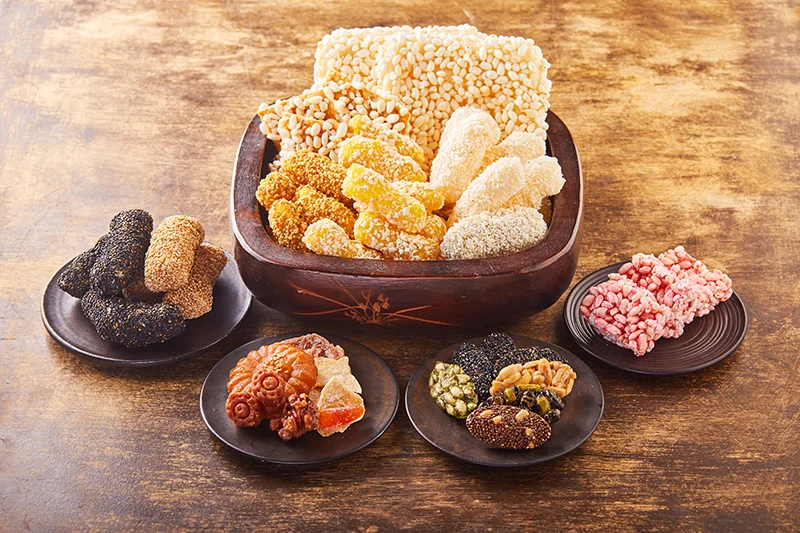
The best Korean food gift is not the trendiest box on the shelf. It is factory-sealed, shelf-stable, light enough to protect in your luggage, clearly labeled, acceptable at the destination, and genuinely suitable for the person receiving it. In practice, individual gim packs, dry tea, and wrapped traditional sweets are usually easier choices than fresh tteok, homemade side dishes, meat products, or heavy jars.
That still does not make any food universally “customs-safe.” Airline screening controls what can travel in the cabin; the arrival country decides what may cross its border. Check both before buying.
Decide in this order: person, border, bag, then flavor
Start with four questions. Does the recipient have a serious allergy? Do they avoid ingredients for religious, ethical, or medical reasons? Do they actually like sweet, spicy, fishy, bitter, or caffeinated products? Is the same item already easy to buy at home?
Korea’s Ministry of Food and Drug Safety says packaged-food labels cover ingredients, dates, storage information, and designated allergens. It also requires a warning when allergen and non-allergen products share a manufacturing process and accidental mixture is possible. Read the full package, not only an English sticker or a front-of-pack claim. Wheat can appear in yakgwa and ramyeon; milk in latte sticks and cookies; sesame or perilla oil in gim; and seafood or meat extracts in seasoning powders.
For a severe allergy, a camera translation is only a reading aid, not a safety guarantee. Give food only when the recipient can verify the ingredients, allergen statement, and any shared-line warning. If that is not possible, choose a non-food gift.
Six low-friction gifts
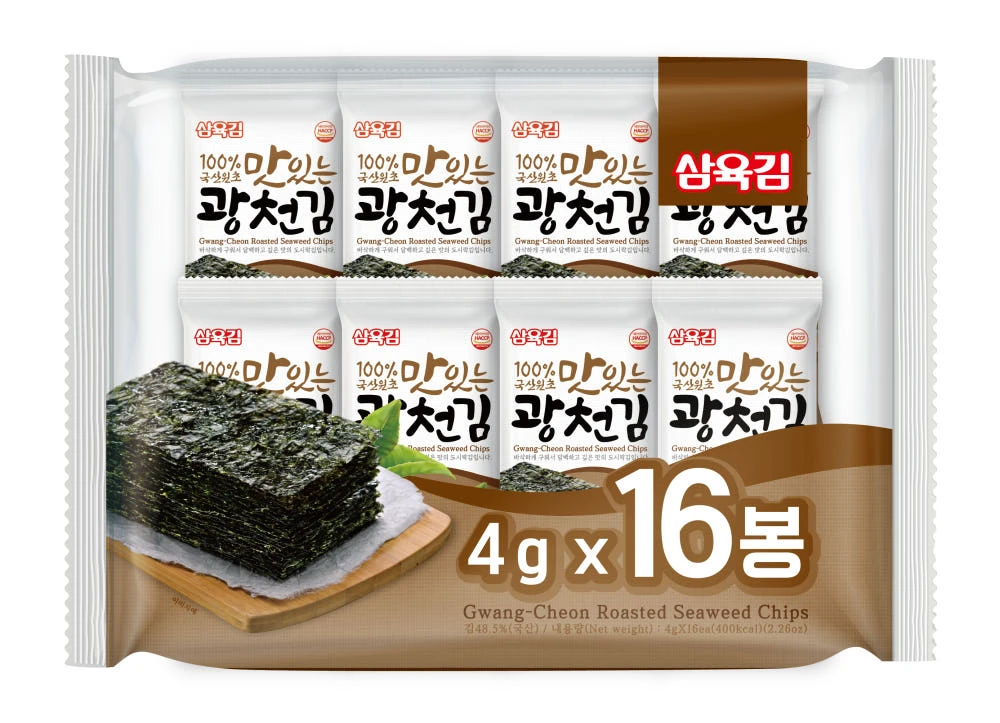
- Single-serve roasted gim: light, compact, recognizably Korean, and easy to divide. Check the oil, seasoning, seafood or sesame warnings, and keep the retail outer package.
- Individually wrapped yakgwa or hangwa: easier to share and more durable than loose market sweets. Check wheat, honey, sesame, soy, nuts, the date, and whether every piece is sealed.
- Tea bags or sealed loose-leaf tea: dry and light, with no need to guess a clothing size. Barley tea contains barley, and botanical products can still face destination-specific plant controls.
- Dry rice snacks, nurungji, or crackers: generally shelf-stable and easy to split among several people. Check for added wheat, soy, sesame, dairy, nuts, and fragile packaging.
- Instant coffee sticks: compact and familiar to anyone curious about Korean café habits. Check milk powder, sugar, caffeine, and whether the recipient drinks coffee.
- Sealed regional cookies or candy: a place-specific story without refrigeration. Confirm the full label, durability, date, and whether the flavor will still feel distinctive at home.
Individual gim packets solve two travel problems at once: they weigh very little, and one serving can be opened without exposing the rest. Do not discard the outer pack just to save space; it carries the ingredient list and country-of-origin information that a recipient or border officer may need.
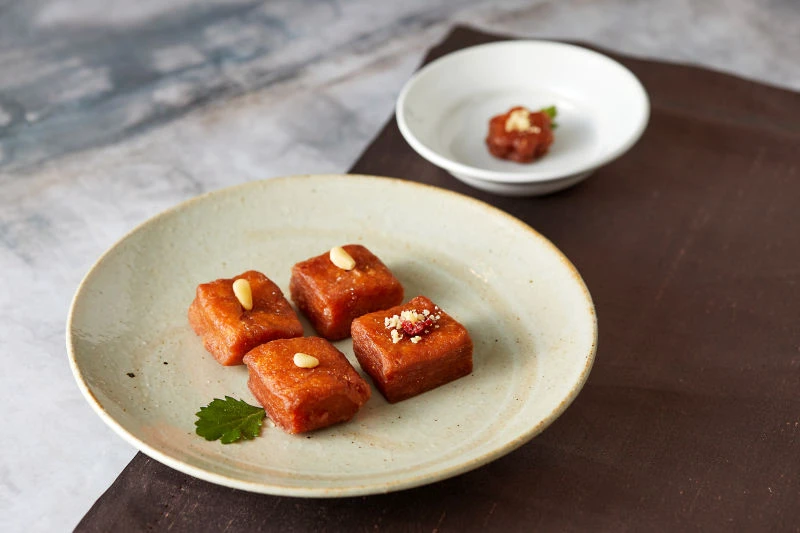
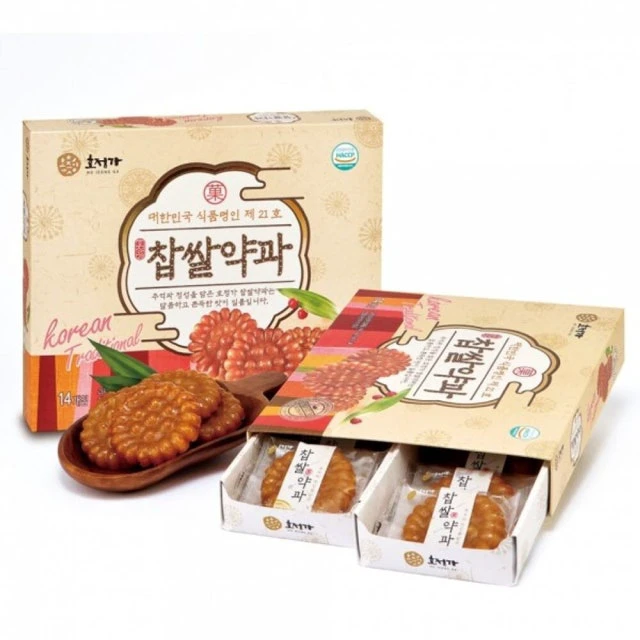
Traditional sweets travel best when the packaging does the protective work. The two views below show why the same category can produce very different gifts: plated yakgwa looks elegant for immediate serving, while an individually wrapped retail box is more realistic after several days in a suitcase.
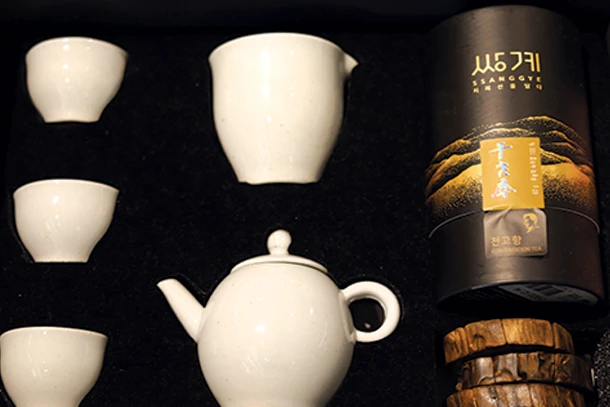
Dry tea is another low-weight option, but match the format to the recipient. Tea bags need no equipment. Premium loose-leaf tea is a better gift for someone who already owns an infuser and enjoys the preparation itself.
Buy these only after you ask
Ramyeon can be fun, but it is bulky, widely exported, and commonly contains wheat plus meat or seafood flavoring. Buy it as a known favorite, not as a generic Korean souvenir.
Flavored nuts pack well but turn a casual gift into a serious allergy risk if you have not asked. A snack without visible nuts may still carry a shared-facility warning.
Gochujang, doenjang, sauces, oils, and syrups are heavy and prone to leaks. Incheon Airport treats kimchi, gochujang, and doenjang as liquids or gels for international cabin-baggage screening. Each cabin container must have a capacity of 100 milliliters or less, and the containers must fit in the permitted one-liter transparent bag. Check the airport’s current liquid rules. Checked baggage removes the cabin-size problem only; the airline and destination rules still apply.
Red ginseng and other health products should never be chosen on assumed medical benefits. Ask about medication, ingredients, and the destination’s supplement rules.
Alcohol works only when the recipient drinks, is of legal age, and the traveler has checked both duty-free allowances and the arrival country’s import limit.
Usually skip these before a flight
Fresh tteok, cream-filled bread, unpackaged market food, and homemade banchan lose quality quickly and may have no complete label. A beautiful food that arrives stale, leaking, or impossible to identify is not a successful gift.
Kimchi can continue fermenting, build pressure, produce odor, and fall under cabin-liquid rules. Jerky, meat-filled noodles, fresh produce, seeds, and unlabeled herbs create a different risk: agriculture and animal-product controls vary by destination and can change during disease or pest outbreaks. A seller’s “everyone takes this overseas” is not a border decision.
Customs is a destination question
Check the government agriculture or customs page for the place where the food will enter—not only the airline, and not only Korean departure rules. These examples were rechecked on August 12, 2026 and show why a single global safe list would be misleading:
- United States: U.S. Customs and Border Protection says travelers must declare all food, plants, and agricultural or wildlife items. USDA APHIS likewise requires agricultural declarations, recommends keeping receipts and original packaging as proof of origin, and leaves the final entry decision to inspectors. Declaration is not the same as automatic refusal.
- Great Britain: Arrivals from Korea cannot bring meat, meat products, milk, or milk-based products under the general rule. The current GOV.UK food guidance separately lists items such as biscuits, qualifying chocolate and confectionery, and noodles not mixed or filled with meat among categories allowed from any country. Check the exact ingredients, not just the product name.
- European Union: The European Commission’s personal-import guidance says travelers arriving from most non-EU countries may not bring meat, milk, or products containing them, apart from limited exceptions. Plant, fish, honey, and other animal-product categories have their own quantities and conditions.
- Australia: Some food, plant material, and animal products must be declared and assessed. The Department of Agriculture directs travelers to BICON and its traveler guidance. Commercial packaging and shelf stability help only when the item also meets its specific import conditions; raw rice, for example, is treated differently from some processed rice products.
If an official form or tool says to declare the item, declare it even when the package is sealed. If the exact ingredient category remains unclear, choose a non-food souvenir rather than handing the recipient a confiscation problem.
The five-minute checkout test
- Date: Is the printed date a use-by or best-before date, and does it extend comfortably beyond the trip and gift day?
- Label: Is the factory seal intact, with ingredients, allergens, storage directions, and country of origin still attached?
- Person: Have you checked allergies, diet, caffeine or alcohol preferences, and whether the flavor is welcome?
- Border: Have you checked the destination government’s current rule for this exact ingredient category and any declaration requirement?
- Bag: Will the item survive pressure and heat? Box crisp foods, double-bag oily or paste products, and keep receipts with the original packaging.
For someone whose preferences you know only loosely, two small items are usually better than one impressive hamper: try sealed tea or a dry rice snack plus individual gim, provided the labels fit their diet. If allergies or customs remain uncertain, use the food section of our broader Korean souvenir guide for comparison, then switch to a non-food option.
The final rule is simple: do not buy first and research at the airport. Decide who will receive it, check the destination, keep the label, and pack only what can still arrive as a gift.
Sources and image credits
- Korean Ministry of Food and Drug Safety — Food Labeling System — Required packaged-food information, designated allergens, and shared-process allergen warnings; rechecked August 12, 2026.
- Incheon International Airport — Restricted items — International cabin rules for liquids and gels, including kimchi, gochujang, and doenjang; rechecked August 12, 2026.
- U.S. Customs and Border Protection — What must be declared — Current declaration requirement for food and agricultural items.
- USDA APHIS — Meats, poultry, and seafood — Declaration, proof-of-origin, inspection, and product-specific guidance; page last modified January 13, 2026 and rechecked August 12, 2026.
- GOV.UK — Bringing food into Great Britain — Current rules and category exceptions for personal food arriving from outside the EU; rechecked August 12, 2026.
- European Commission — Personal imports — Rules for animal products in personal luggage arriving from outside the EU; rechecked August 12, 2026.
- Australian Department of Agriculture — Bringing or mailing goods — Declaration, inspection, and BICON-based item conditions; rechecked August 12, 2026.
- Delivery Spot featured hangwa image — Published web asset; original photograph credited to the Korea Tourism Organization (VISITKOREA).
- Delivery Spot roasted-gim image — Published web asset; product image credited to Samyook Foods (Samyook Gim), via its official Naver SmartStore.
- Delivery Spot plated-yakgwa image — Published web asset; original photograph credited to the Korea Tourism Organization (VISITKOREA).
- Delivery Spot packaged-yakgwa image — Published web asset; product image credited to Hojung Food (Hojungga), supplied by Gmarket via Naver Shopping.
- Delivery Spot Hadong-tea image — Published web asset; original photograph credited to the Korea Tourism Organization (VISITKOREA).
Last updated


