
30 Korean Souvenirs to Eat, Use, or Keep
Choose from 30 practical Korean souvenirs—food, everyday items and keepsakes—with clear checks for the recipient, origin labels, carry-on limits and destination rules.
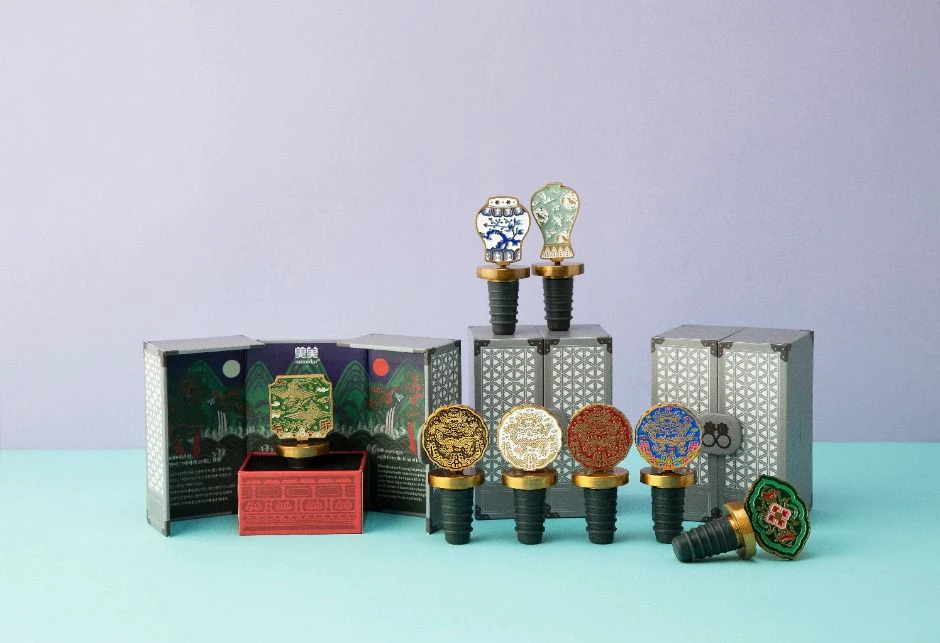
The best Korean souvenir is easy for its recipient to eat, use, or keep—and easy for you to carry legally. This list gives 30 ideas, but the real filter is shorter: check the recipient, the origin label, and both baggage and destination-entry rules before paying.
Specific designs and flavors come and go. Treat every named product as an example, confirm the current label in the shop, and never assume that a Korean brand or Korean motif means the item was made in Korea.
Products and airport rules were rechecked on August 11, 2026.
10 Korean souvenirs to eat
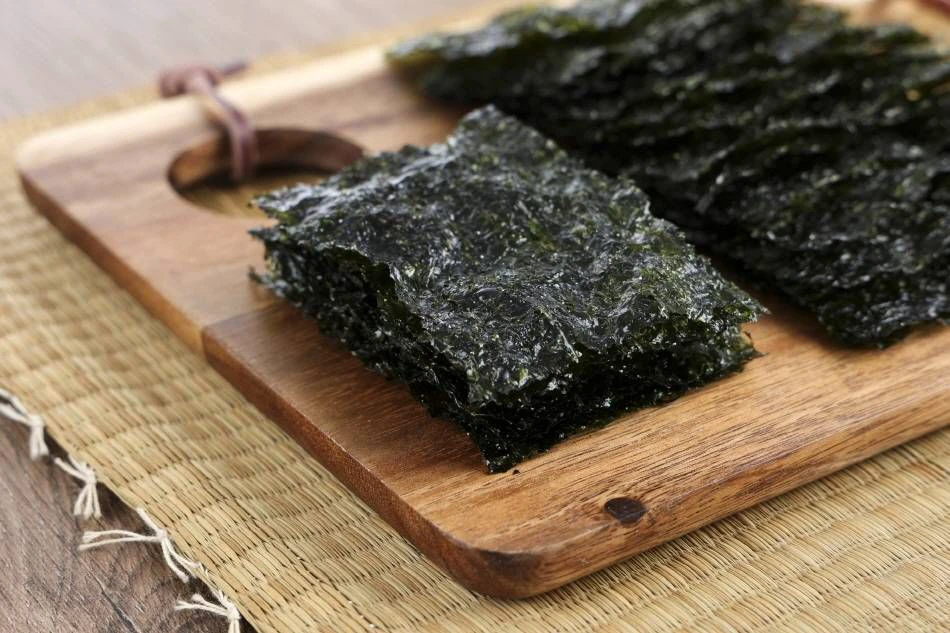
- Roasted gim (seaweed). It is light, shareable, and sold in sealed multipacks. Check the expiry date and choose a sturdy outer pack; heavily oiled sheets can leak or crumble more easily.
- Yakgwa or hangwa. Individually wrapped traditional sweets divide neatly among colleagues or family. A rigid box protects yakgwa and delicate hangwa better than a soft bag.
- Gim bugak. These crisp seaweed or vegetable snacks have a glutinous-rice coating. Pick a boxed version if your suitcase will be tightly packed.
- Nurungji snacks. Toasted-rice snacks are dry, mild, and less fragile than many pastries. They suit someone who does not enjoy strong seasoning.
- A ramyeon flavor that is difficult to buy at home. Seasonal, regional, or collaboration flavors make more sense than a large pack of an internationally distributed bestseller. Bagged noodles take less space than cups.
- A small Korean snack selection. Combine a few different sweet and savory bags instead of buying one oversized pack. Chocolate and filled biscuits need extra care in summer heat.
- Instant coffee sticks. Korea's sweet coffee-mix format is portable and already portioned. It is a poor match for someone who avoids sugar or powdered creamer, so check before buying a large box.
- Tea bags or roasted-grain tea. Barley, corn, omija, and other blends travel more cleanly as dry sachets than as bottled concentrates. Read the allergen and ingredient panels.
- A sealed seasoning for a home cook. Gochugaru, roasted sesame, or shelf-stable stock tablets can be genuinely useful. Sealed packaging does not guarantee entry: plant, meat, and seafood rules are set by the destination country.
- Traditional liquor for an adult who wants it. Regional soju, fruit wine, or distilled spirits carry a stronger sense of place than an ordinary global label, but they add weight and regulatory work. Incheon Airport's current restricted-items page says alcohol below 24% may travel in carry-on or checked baggage, while carry-on still follows the liquid limit; alcohol from 24% to below 70% is checked-baggage only, up to 5 L per person, and 70% or higher is prohibited. Airline, duty-free transfer, age, duty allowance, and destination import rules still apply.
VISITKOREA's official must-buy guide also features gim, ramyeon, snacks, regional foods, cosmetics, and character goods. Its current page notes an October 21, 2025 update, so confirm any shop or product details that matter to the purchase.
10 souvenirs to use
- A stainless-steel spoon and flat-chopstick set. It is compact, durable, and immediately recognizable from Korean dining tables. A fabric sleeve stops the pieces from separating in luggage.
- Korean kitchen scissors or tongs. Both can become everyday tools at home. Put scissors in checked baggage; Incheon Airport classifies knives and tools as items that cannot enter the cabin, and the final decision can depend on the exact object, airline, and airport.
- A stainless lunchbox or divided container. The retro rectangular lunchbox is sturdy and useful, but many traditional-style models are not leakproof. Test the lid fit and do not promise it will hold soup.
- Korean stationery. A notebook, planner, pen, or sticker set is light and easy to tailor to the recipient. Hangul typography or a named Korean illustrator gives it a clearer connection to the trip.
- A personalized dojang stamp. A carved name seal is small and personal. Show the final Hangul spelling before engraving and ask whether the ink pad is included.
- A maedeup knot accessory. Traditional knotting works well as a bookmark, key ring, or bag charm. Inspect the finishing and attachment point, not just the color.
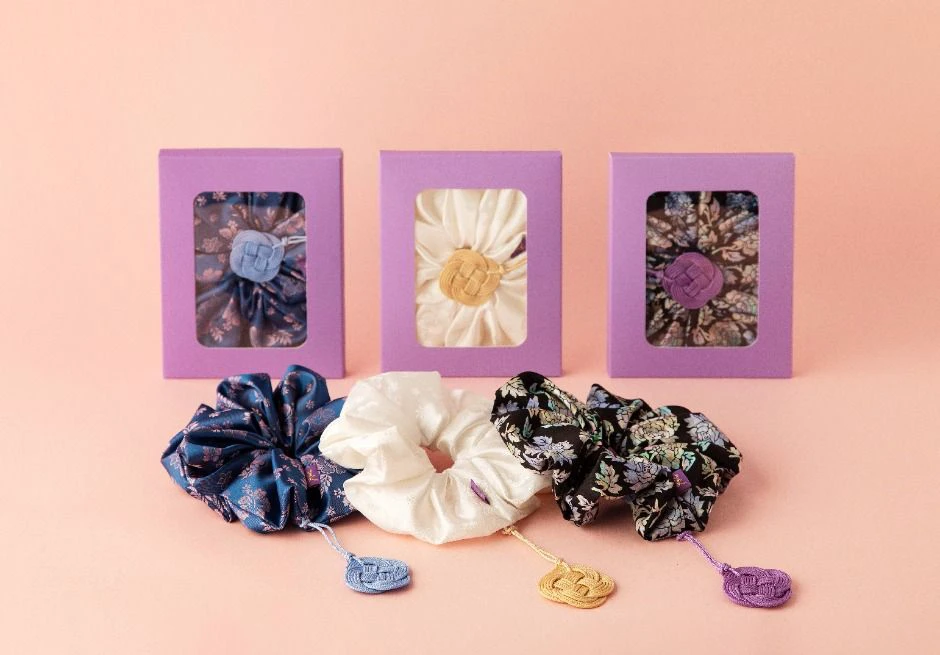
- A heritage-inspired fabric accessory. A scrunchie, scarf, or pouch using knotwork, dancheong, or textile motifs is easier to use than formal costume. The 2025 Korea Tourist Souvenir Awards guide includes a handmade traditional-knot tassel scrunchie and a cotton dancheong daenggi scarf; the page was updated in November 2025, and event and stock information on it is historical rather than a promise of current availability.
- One compact Korean beauty item. A sheet mask, lip product, or sunscreen is easier to gift than an entire routine. Check skin sensitivity, shade, fragrance, ingredients, expiry date, and container size.
- A well-made grooming tool. Nail clippers and manicure tools can last for years when the build quality is clear. Read the country-of-origin label: a Korean brand name alone does not establish where it was manufactured.
- A small organizer or fabric pouch. A cable pouch, cosmetic case, or card wallet earns its suitcase space quickly. Look for a documented Korean designer, craft technique, or typography rather than a generic item available anywhere.
10 souvenirs to keep
- A museum artifact miniature. Packaging from an official museum shop should identify the source object, which gives the gift a story and a reliable name to search later.
- A heritage-inspired cup or glass set. This combines display value with regular use. Korea.net's official museum-gift article explains that the MU:DS Drunken Seonbi cups draw on figures in a Kim Hong-do painting and that the faces turn red when a cold drink changes the glass temperature.
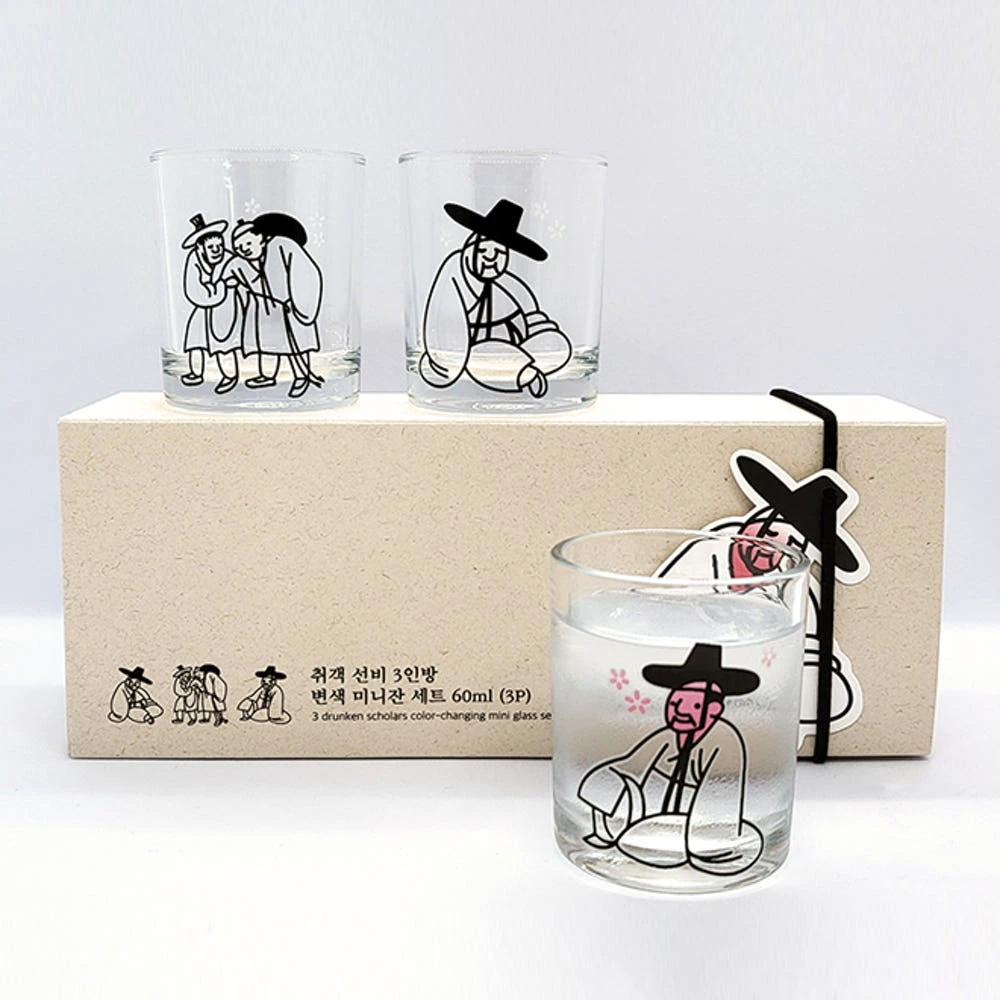
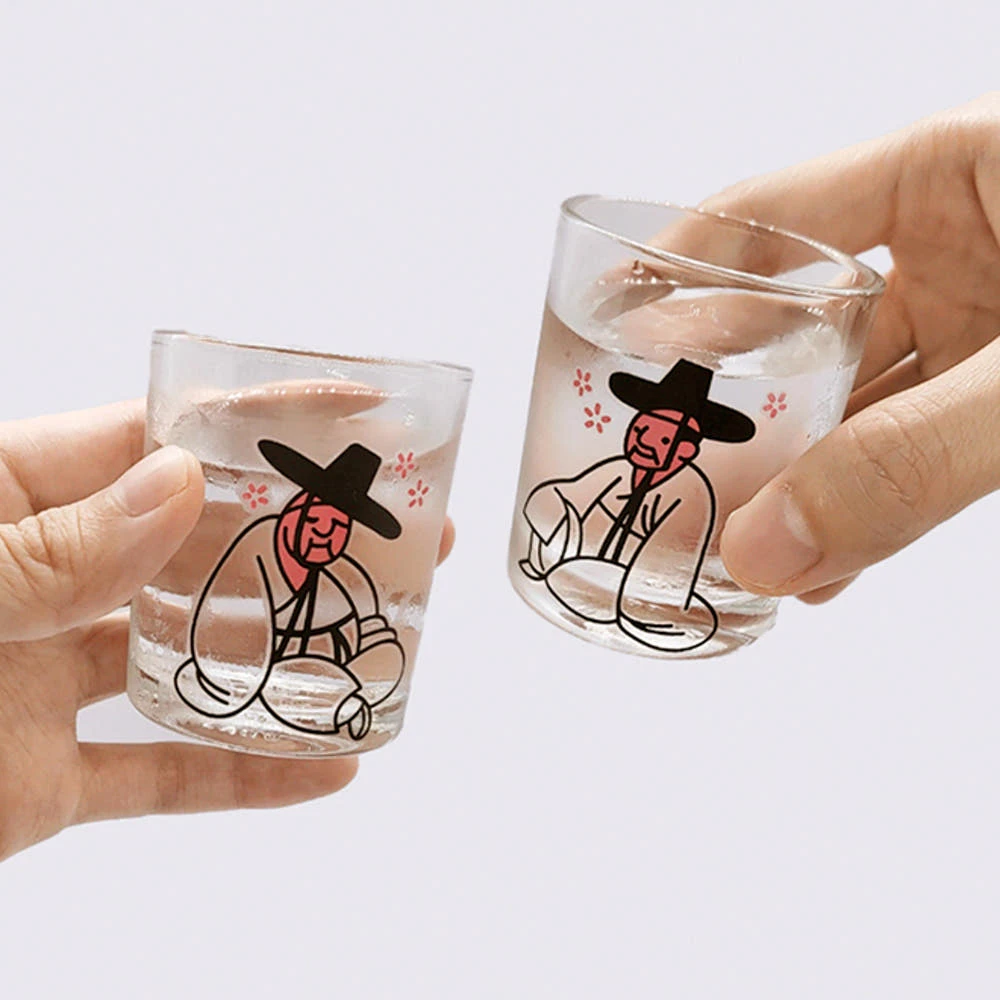
The set and cold-activated color change are shown above. The official MU:DS product page is also the place to recheck the current specification, price, stock, and origin label; museum branding by itself is not proof that every component is domestically made.
- A small najeon item. Mother-of-pearl card cases, mirrors, and boxes catch the light without the bulk of a decorative panel. Check the surface for lifting edges and loose inlay.
- A small celadon or buncheong ceramic. A cup, incense holder, or tiny dish can represent a Korean ceramic tradition in a usable form. Ask for protective wrapping and carry it between soft clothes, away from the suitcase wall.
- A heritage-shaped desk object. Paperweights, magnets, and holders based on roof tiles, palace details, or historic objects are most meaningful when the package names the original object.
- A minhwa postcard or small print. Folk-painting imagery brings home color without the cost and packing risk of a framed work. Keep paper flat between two pieces of card.
- A Hangul typography print. This suits someone interested in language or graphic design. Verify the exact word or phrase before giving it.
- A folding fan by an identified maker or designer. It is light, useful in summer, and easy to display. Check that the ribs open smoothly and that the artwork is licensed or attributed.
- An official book, webtoon edition, album, or character item. Buy for a known reader or fan, not for a vague idea of what is popular. Choose official merchandise and protect collectible packaging from crushing.
- A regional or award-winning craft tied to the trip. A maker, museum, city, or cultural site gives the object a more specific memory than a generic “Korea” label. Award lists are good discovery tools; the actual item and its current origin label make the final decision.
Check these three things at the shop
Recipient. Allergies, skincare sensitivity, fandom, storage space, alcohol preference, and willingness to care for a delicate item matter more than any “must-buy” ranking.
Origin. “Designed in Korea,” “Korean brand,” and “made in Korea” are different statements. Read the product and component labels if domestic manufacture matters.
Border and baggage rules. For international departures from Incheon, each liquid, spray, or gel carry-on container must have a capacity of 100 ml or less—regardless of how much remains—and all containers must fit in one transparent 1 L zip bag per person. The airport specifically lists kimchi and alcohol as liquids, and sunscreen, gochujang, and doenjang as gels. Larger containers cannot pass ordinary carry-on screening; whether an item may go in checked baggage depends on the item, airline, and destination. Your destination's customs and agriculture rules are a separate check.
If one of these checks is uncertain, a small, dry, sealed, non-fragile item is usually the lowest-friction gift.
Sources and image credits
- VISITKOREA — Must-buy Items — Current K-food, cosmetics, character-goods and regional-souvenir examples; page rechecked August 11, 2026.
- VISITKOREA — 2025 award-winning K-souvenirs — Award context, knot scrunchie, dancheong scarf and original source of the featured and scrunchie images.
- Korea.net — 5 top museum souvenirs — Official description of the MU:DS Drunken Seonbi cup design and temperature-triggered color change.
- MU:DS — Drunken Seonbi cup set — Official product page and original source of both cup images; use for current stock, specification and origin labels.
- Incheon International Airport — Restricted Items FAQ — Current liquid-container, alcohol, tool and baggage-screening rules; rechecked August 11, 2026.
- Delivery Spot cover image file — Existing Joseon-inspired character wine-stopper image credited to Korea Tourism Organization / 2025 Korea Tourist Souvenir Awards.
- Delivery Spot gim image file — Existing roasted-gim image credited to Clipart Korea via VISITKOREA.
- Delivery Spot knot-scrunchie image file — Existing award-item image credited to Korea Tourism Organization.
- Delivery Spot cup-set image file — Existing MU:DS Drunken Seonbi set image credited to the National Museum Foundation of Korea / MU:DS.
- Delivery Spot cold-cup image file — Existing MU:DS cold-activated cup image credited to the National Museum Foundation of Korea / MU:DS.
Last updated


