
What to Watch After Bong Joon Ho and Park Chan-wook
Choose your next Korean film by mood: Lee Chang-dong, Hong Sangsoo, Kim Jee-woon, Yim Soon-rye, genre paths, or five classics across film history.
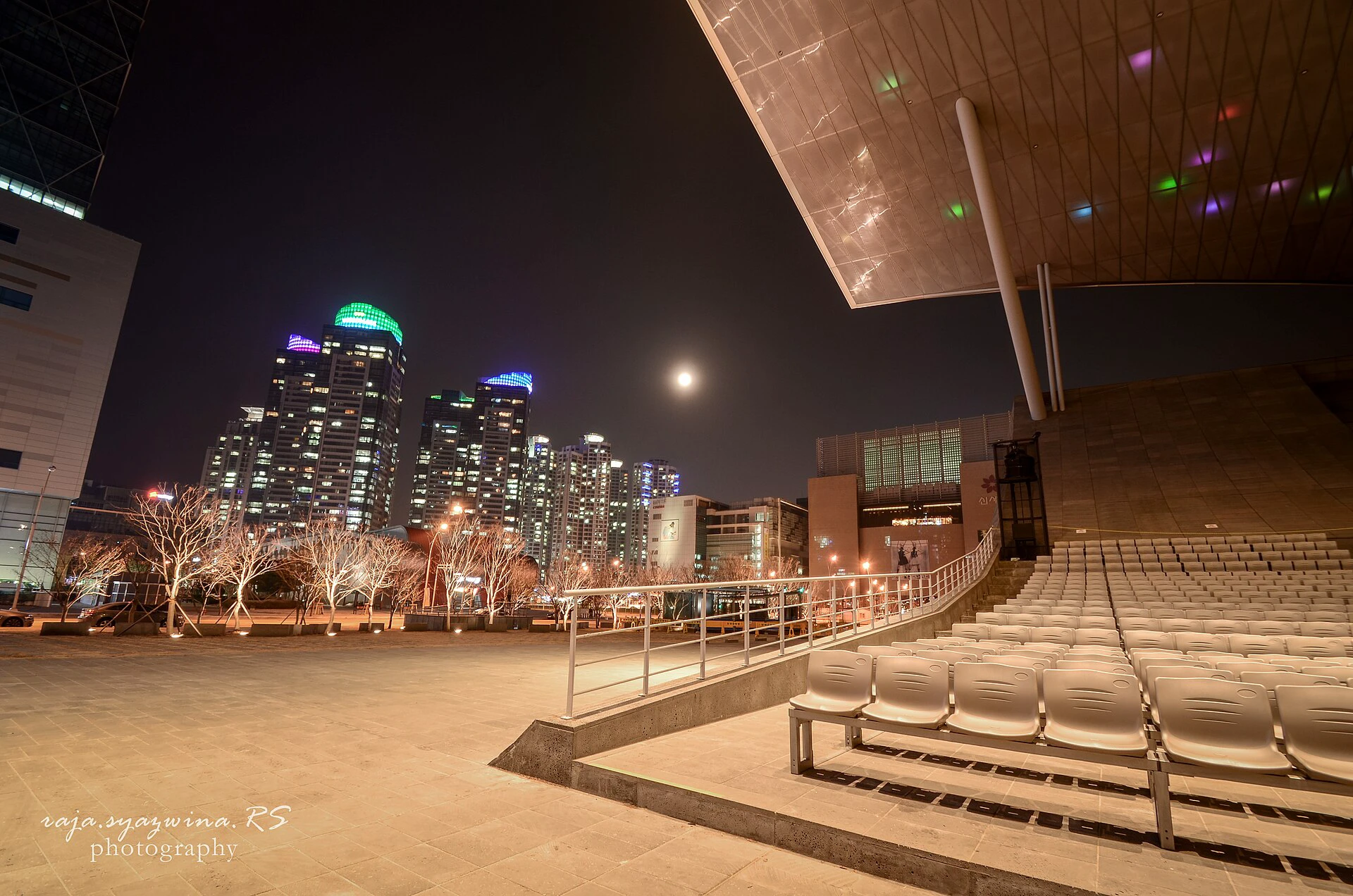
Bong Joon Ho and Park Chan-wook are junctions, not the summit of Korean cinema. Pick your next film by the quality you already liked—class tension, moral ambiguity, controlled dread, black comedy, action or quiet observation—rather than searching for a “third most important director.”
This guide was rechecked against Korean Film Archive and Korean Film Council resources on 12 August 2026. It is a taste map, not a ranking. Catalogs, streaming rights and subtitle options vary by country and can change.
Choose by the reaction you want again
- *Social pressure after Parasite or Memories of Murder: Lee Chang-dong's Burning or Poetry*.
- *Visual control after Oldboy or The Handmaiden: Kim Jee-woon's A Tale of Two Sisters*.
- Awkward desire and unreliable behavior: Hong Sangsoo's Right Now, Wrong Then.
- Fast action with social anger: Ryoo Seung-wan's Veteran or Escape from Mogadishu.
- Horror with competing explanations: Na Hong-jin's The Wailing.
- A gentler reset: Yim Soon-rye's Little Forest, Yoon Ga-eun's The World of Us or Kim Bora's House of Hummingbird.
The Korean Film Archive's expert-voted 100 Korean Films works best as a menu, not homework. Its selections reach from 1960 classics such as The Housemaid and Aimless Bullet to Poetry, Christmas in August and Hong Sangsoo's debut. That range is the lesson: “Korean cinema” is not one house style.
Four directors, four useful doors
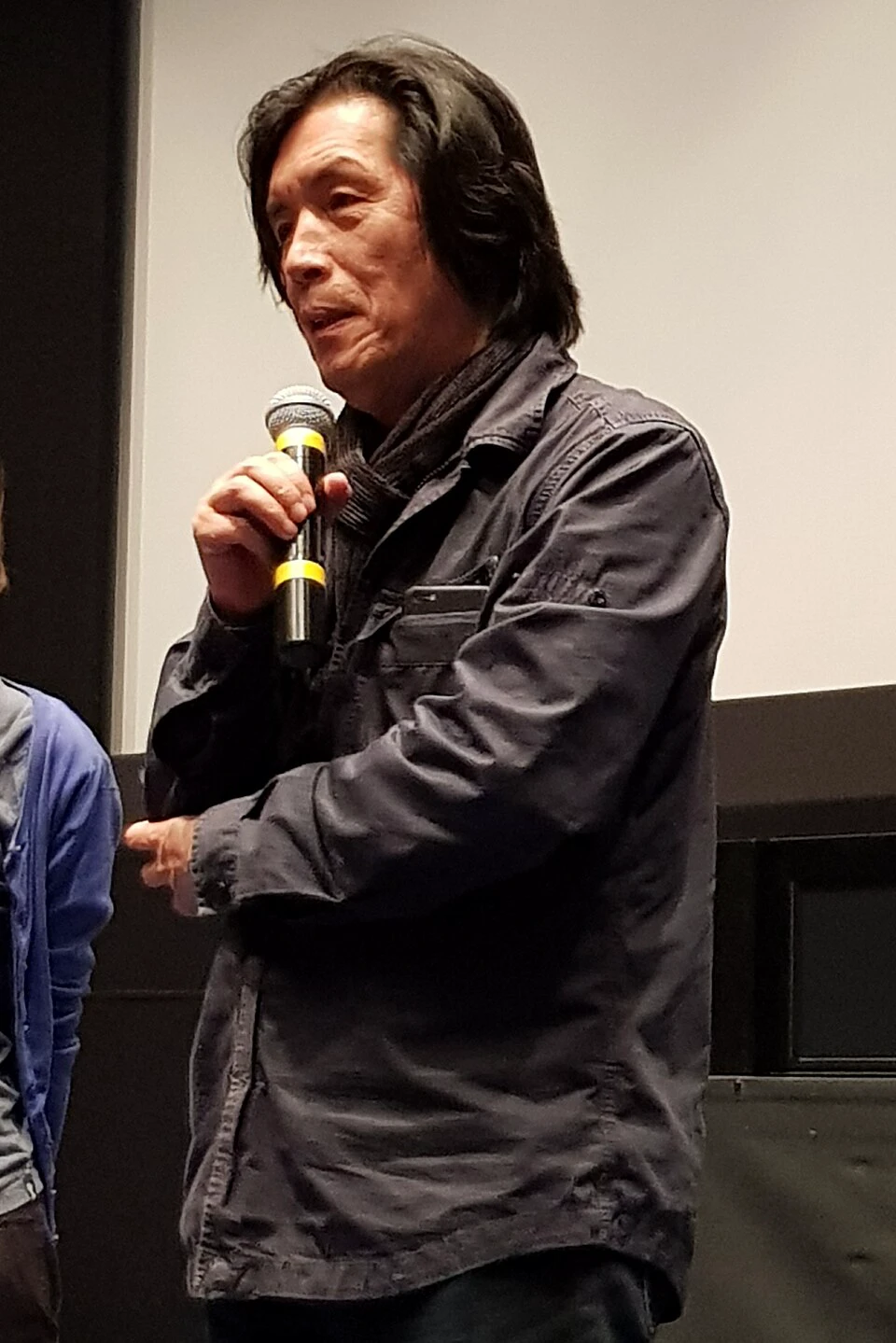
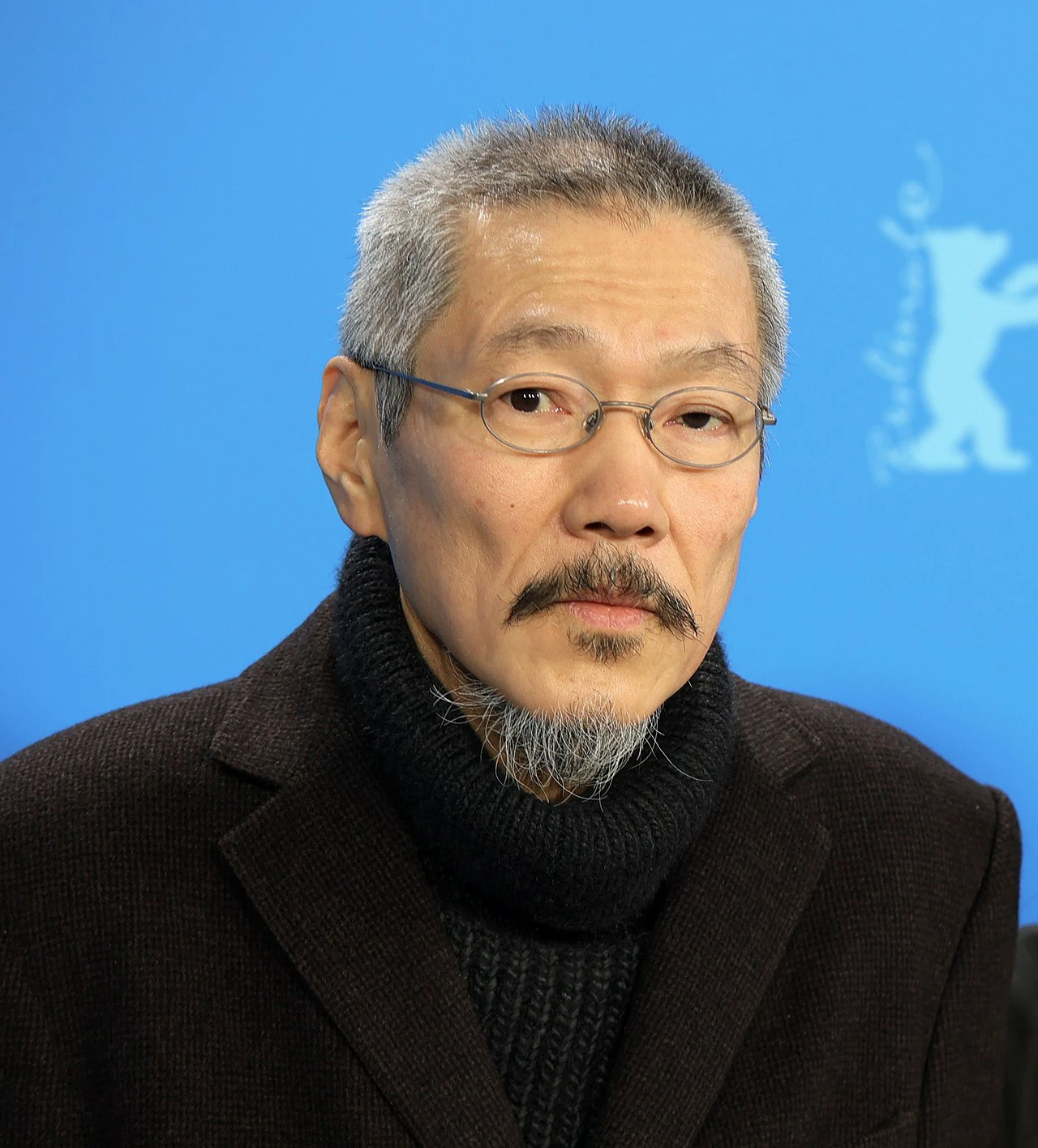
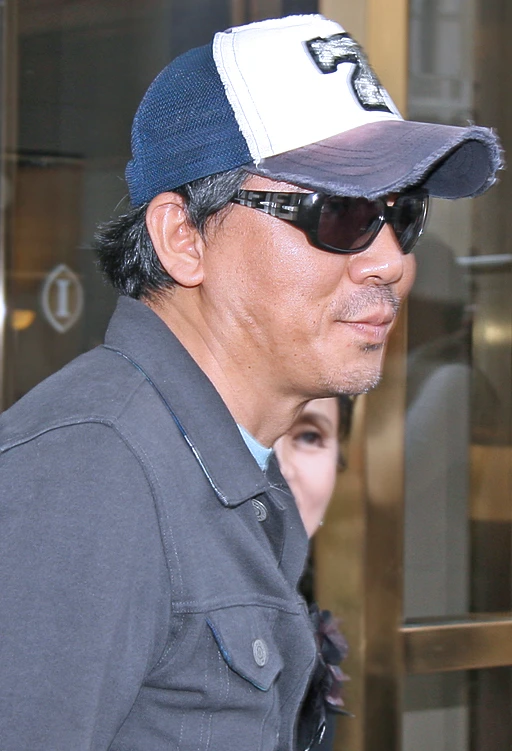
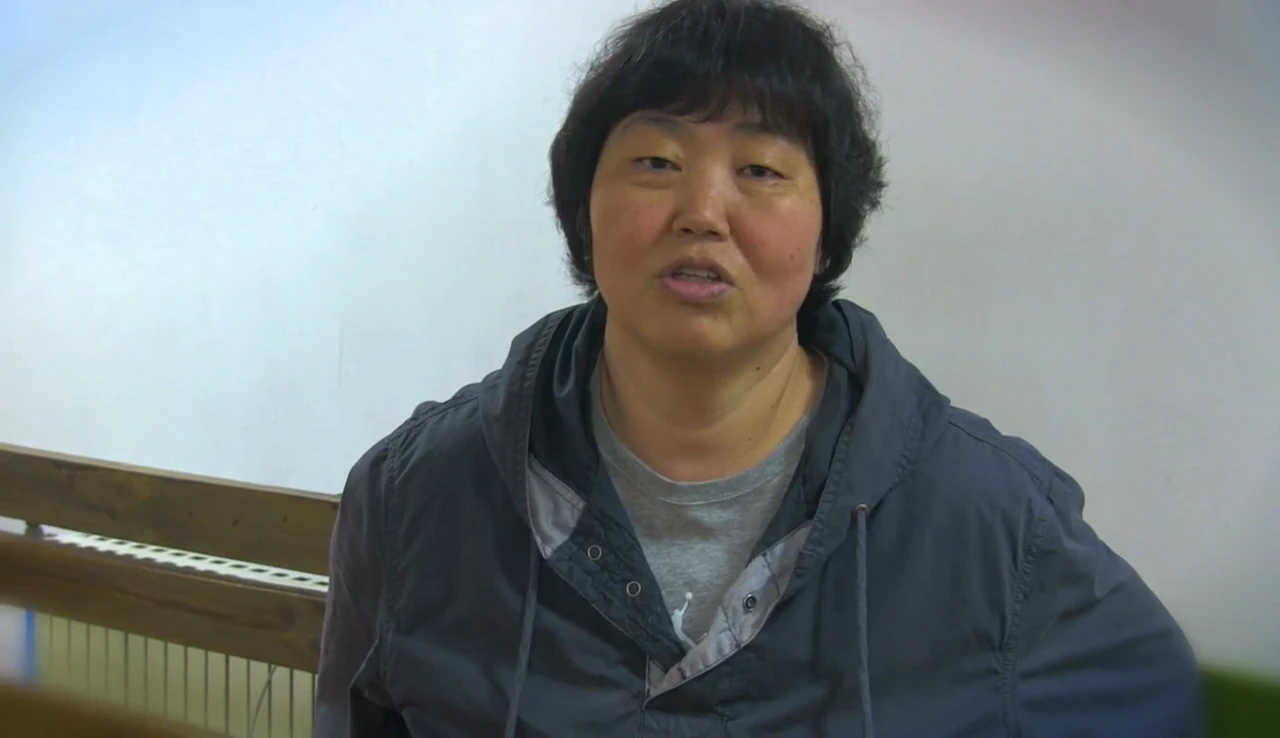
Lee Chang-dong: moral pressure
Start with Burning for mystery, class unease and interpretive space. Then choose Poetry for beauty, responsibility and an unbearable moral demand; move to Peppermint Candy when you want a reverse chronology crossing one man's life and modern Korean history. Lee is quieter than Bong, but the social weight gathers inside individual choices.
Hong Sangsoo: repetition and self-deception
Start with Right Now, Wrong Then. It repeats a filmmaker's meeting with a painter, alters small choices and exposes fragile self-narratives. Continue with The Day a Pig Fell into the Well, On the Beach at Night Alone or The Novelist's Film. Meals, drinks, walks and zooms may look casual; point-of-view shifts and repeated situations are the structure.
Kim Jee-woon: genre craft in changing masks
Start with A Tale of Two Sisters, psychological horror shaped by family grief and production design. Then take The Good, the Bad, the Weird for action, The Age of Shadows for a period spy thriller, or I Saw the Devil for extreme revenge horror. The last title carries a strong violence warning and is a poor first choice for many viewers.
Yim Soon-rye: work, community and humane scale
Start with Little Forest for seasons, cooking and rural routine. Continue with Forever the Moment for an underdog sports drama or The Whistleblower for science, media and institutional pressure. Yim's work breaks the false idea that Korean film is defined by cruelty and twists.
Follow a genre when auteur lists feel like homework
KOFIC's official essay on Korean genre innovation describes tonal hybridity as a long development, not a phenomenon that began with Parasite. A family drama may become horror; a crime thriller may pivot toward social critique or absurd comedy.
- Crime and pursuit: Na Hong-jin's The Chaser for relentless pressure; Ryoo Seung-wan's Veteran for action, comedy and anger at elite impunity.
- Horror: A Tale of Two Sisters for domestic psychology, The Wailing for rural dread, or Yeon Sang-ho's Train to Busan for immediate zombie action and family sacrifice.
- Action and history: Escape from Mogadishu for geopolitical ensemble action, The Age of Shadows for resistance-era intrigue, or Lee Joon-ik's The Book of Fish for exile, knowledge and friendship.
- Everyday life: The World of Us for childhood friendship and exclusion, House of Hummingbird for a teenager in 1994 Seoul, or Jeong Jae-eun's Take Care of My Cat for five young women facing work and adulthood.
Five films that change the timeline
KOFIC's English history guide divides Korean film history into periods shaped by colonial rule, war, industrial revival, authoritarian control, new film culture and the New Korean Cinema movement. You do not need the syllabus first; let one film make each shift concrete.
- *1960 — The Housemaid, Kim Ki-young. Desire, class anxiety and startling domestic design; the cleanest classic bridge from Parasite*.
- *1961 — Aimless Bullet, Yu Hyun-mok.* A postwar Seoul family under social and economic pressure.
- *1975 — The March of Fools, Ha Gil-jong.* Youth comedy and disillusionment under authoritarian rule.
- *1998 — Christmas in August, Hur Jin-ho.* Restrained melodrama built from routine, silence and withheld feeling.
- *2001 — Take Care of My Cat, Jeong Jae-eun.* Friendship, precarious work and the geography between Incheon and Seoul.
Many classics appear on the Korean Film Archive's official Korean Classic Film channel in restored versions with multilingual subtitles on many uploads. The catalog and regional availability change; inspect the exact film page and subtitle menu before planning a screening. Our guide to finding Korean films with English subtitles covers cinemas, archives and legal streaming checks.
A three-night starter plan
- *Night one: A Tale of Two Sisters. Familiar genre pleasure, a new director. Substitute Little Forest* if horror is not for you.
- *Night two: Poetry.* A slower demonstration of social critique through character and language.
- *Night three: The Housemaid (1960).* An older class thriller that changes how modern Korean cinema looks.
Then follow the strongest reaction. Continue with Lee Chang-dong if Poetry lingers; explore 1960s archive selections if The Housemaid feels electric; use the horror route if A Tale of Two Sisters wins.
Two beginner mistakes
First, acclaim does not require extreme violence. Check content notes before I Saw the Devil, The Chaser and similarly intense titles. Second, names are not a memorization exam. Hong Sangsoo also appears as Hong Sang-soo, Kim Jee-woon as Kim Ji-woon, and Yim Soon-rye as Lim Soon-rye. Search the film title plus release year when romanization varies.
One canonical film may leave you cold. That is useful information, not failure. The best next choice tests a nearby curiosity rather than making a watchlist look correct.
Sources and image credits
- KOFIC — Korean Movie History timeline — current official history hub checked 12 August 2026.
- KOFIC — BIFAN's 2026 Korean Genre 33 context — current institutional genre context checked 12 August 2026.
- Korean Film Archive / KMDb English — archive and 100-film-list publisher.
- Korean Classic Film — current videos page — catalog and subtitle availability must be checked per upload.
- Raja Syazwina RS via Wikimedia Commons — Busan Cinema Center featured image, CC BY 2.0.
- FR via Wikimedia Commons.jpg) — Lee Chang-dong body image, CC BY-SA 4.0.
- Elena Ternovaja via Wikimedia Commons — Hong Sangsoo body image, CC BY-SA 4.0.
- gdcgraphics via Wikimedia Commons — Kim Jee-woon body image, CC BY 3.0.
- Seoul International Women's Film Festival via Wikimedia Commons — Yim Soon-rye body image, CC BY-SA 3.0.
- Uploaded featured image — published copy of the credited Busan Cinema Center asset.
Last updated


