
Korea Trip Checklist: 30 Days, 7 Days and 24 Hours Before
Prepare for Korea in three passes: resolve entry and medicine questions 30 days out, make the trip work offline one week out, then finish live airline and arrival steps in the final 24 hours.
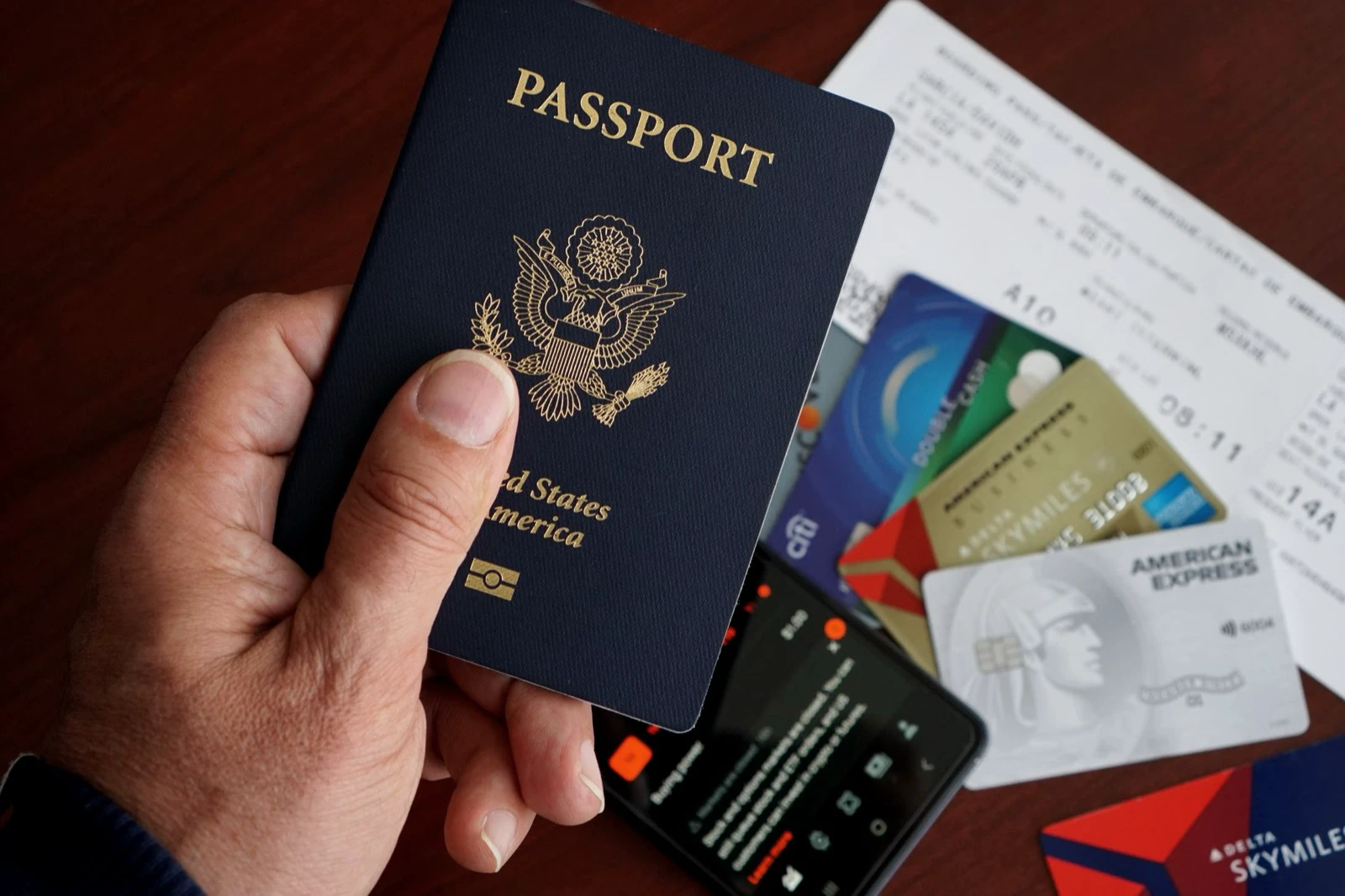
Do not turn Korea trip preparation into one giant packing list the night before departure. Use three passes: 30 days for questions that may need approval, 7 days to make the trip usable offline, and the final 24 hours for airline and entry documents that only become timely near departure.
This deadline ladder came from a real planning need. A recent r/koreatravel checklist discussion asked for the same month-week-day structure. Treat the thread as community context, not entry-rule evidence; passport, visa, K-ETA, medicine, and arrival-form decisions below are tied to official Korean sources and must be checked for your own status.
30 days before: remove problems that need lead time
1. Confirm the entry path for your passport
Check that your passport covers the full trip, then confirm the rules for its nationality, your travel purpose, and any transit country. Do not apply a generic “six-month rule” or copy another traveler's answer. Use the Korea Visa Portal to identify the visa path and the official K-ETA site for K-ETA. Avoid paid look-alike and “expedited” sites, and make sure every booking name matches the passport.
K-ETA requirements are nationality- and status-specific. The Ministry of Justice's official exemption notice extends the temporary exemption for currently eligible countries through December 31, 2026; it does not exempt every passport. During an application, scanning an eligible passport should display an exemption notice. If K-ETA is required for you, the official site says assessment is generally completed within 72 hours, so starting weeks ahead leaves time to correct a photo or data problem.
For a fuller decision tree without guessing from nationality alone, see how to check whether you need K-ETA.
2. Check prescription medicine before packing it
Keep medicine in original, labeled packaging and carry the prescription or a doctor's letter. If any ingredient is a controlled narcotic or psychotropic substance, a foreign prescription is not the whole process. The Ministry of Food and Drug Safety requires advance permission for travelers bringing controlled medicines for personal treatment and says review results are provided within 10 business days after the required documents are submitted. Use the attached official forms and contact route; do not wait until check-in.
3. Book only what could break the trip
Confirm the international flights and first accommodation. Then book genuinely limited items: a domestic flight or train tied to a fixed route, a ticketed performance, or an appointment with very limited capacity. Leave ordinary restaurants, shopping stops, and flexible neighborhood time open unless a specific place requires booking.
4. Design the first hour after landing
Write down the arrival airport, terminal, landing time, hotel name, and hotel address in Korean. Choose a primary airport-to-hotel route and one backup. Decide whether the phone will use an eSIM, physical SIM, roaming, or pocket Wi-Fi—but buy only after checking that the handset is unlocked and compatible.
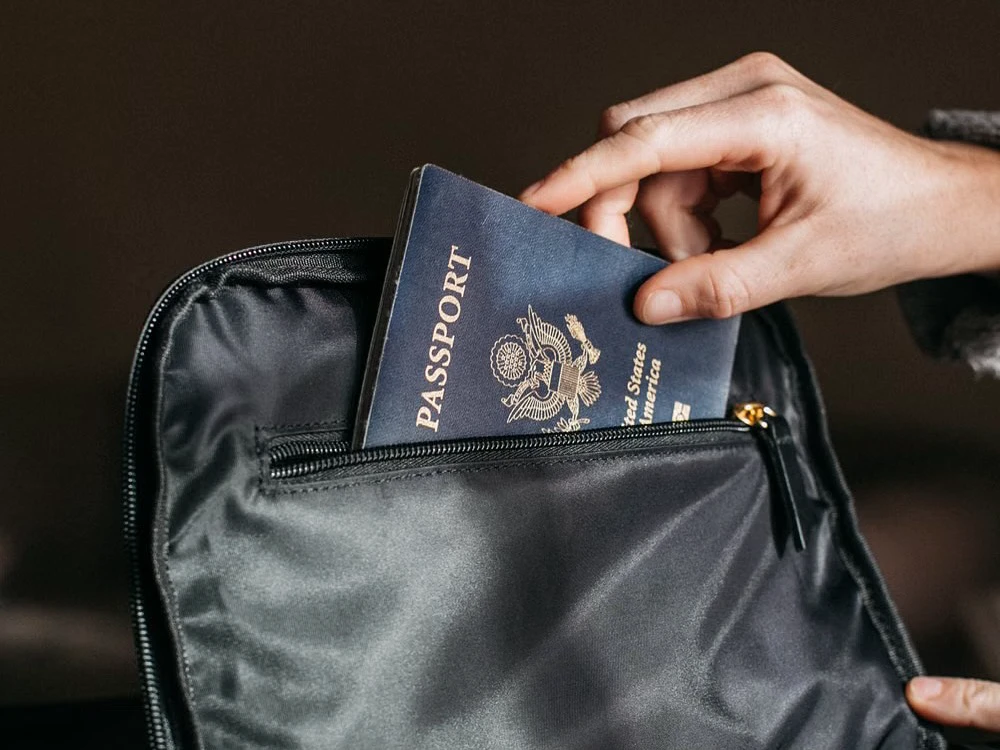
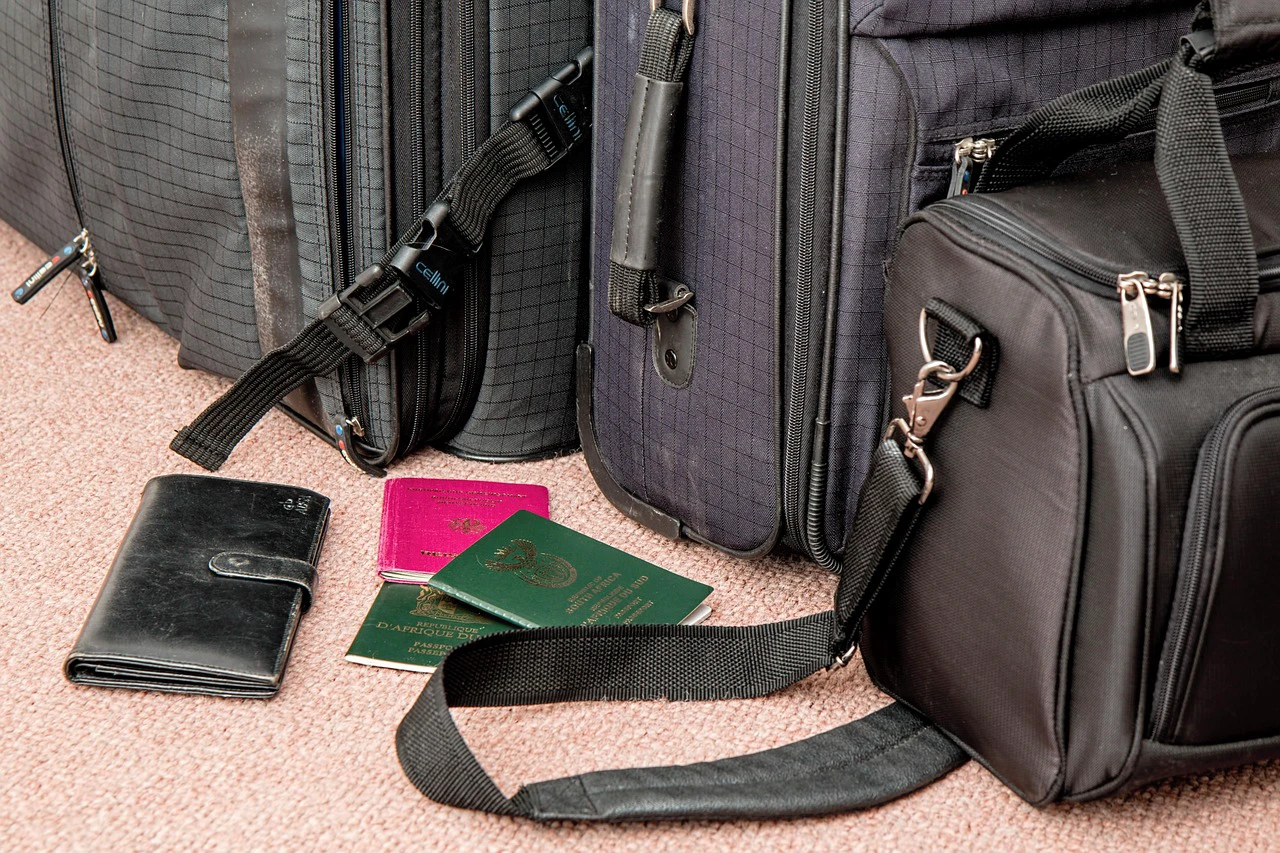
The passport belongs with the entry decision, not at the bottom of a general packing list. Once checked, keep the physical document in the same secure carry-on location every time you move.
7 days before: make the trip work without improvising
1. Reopen every booking and rule page
Do not trust an old screenshot. Check flight times and terminals, accommodation dates, traveler-name spelling, late check-in instructions, and any booking that requires a passport. Recheck the official entry result you reached 30 days earlier, plus opening days for the two or three places that control the itinerary.
If early arrival or late departure could leave you carrying bags between bookings, decide the handoff now rather than on the curb. Check suitable options at Delivery Spots and confirm each location's conditions before relying on it.
2. Set up the phone you will actually carry
Install NAVER Map and a translation app such as Papago. Sign in if saved places require it, then test both apps on mobile data. Save the hotel, arrival terminal, first route, and first-day stops. A widely shared beginner's Korea guide on Reddit emphasizes local maps because saved places make accommodation choice and realistic travel time easier to judge; that is experience-based advice, not an official requirement.
If you bought an eSIM, install it while reliable Wi-Fi is available but follow the provider's instructions on activation timing. Store the QR code where another device can reach it. If the phone is carrier-locked, resolve that now or choose another connectivity plan.
3. Build one protected offline folder
Put these together on the phone and, if practical, in encrypted or access-controlled cloud storage: passport identification-page copy, insurance details, flight and accommodation confirmations, hotel address in Korean, first-night transport notes, prescription documents, and emergency contacts. Do not leave the only copy of every sensitive document in an unlocked photo roll.
4. Test money and power
Bring at least two physical payment cards and store them separately. Know the PINs and how each bank handles overseas verification. You do not need a large bundle of Korean cash before departure, but you do need a plan for the first ride and a reachable backup card. VISITKOREA's electricity guide lists Korea's standard supply as 220 volts, 60 hertz, with two-round-hole outlets. Check every charger's input label; a plug adapter changes the plug shape, not the voltage.
5. Pack for the route's actual forecast
Check each city rather than packing from a generic season list. Seoul, Busan, and Jeju can need different rain, wind, and temperature layers in the same week. Prioritize comfortable walking shoes, hard-to-replace medicine, and one compact weather layer. If fit, allergy, or brand availability matters, do not assume a preferred basic will be easy to replace locally.
24 hours before: finish only time-sensitive tasks
1. Complete the airline check
Check in online if available. Confirm the departure terminal and boarding time, then read your airline's current baggage, spare-battery, and power-bank rules for the actual flight. Keep the passport, medicine, valuables, phone charger, and one essential change of clothing in carry-on luggage. Charge the phone and permitted power bank before leaving home.
2. Submit the e-Arrival Card only if required
The official portal accepts Korea's e-Arrival Card within three days before arrival, so it does not belong on the 30-day list. Use only e-arrivalcard.go.kr. The service is free and asks for a valid passport plus arrival, departure, and stay information.
A valid K-ETA holder and several other listed statuses are exempt; travelers temporarily exempt from applying for K-ETA can still be required to submit an arrival declaration. Use the portal's eligibility navigator with every status valid on entry instead of guessing. After submission, save the issue number and a screenshot. A site asking for card payment to file the official form is not the government service.
3. Put landing information one tap away
Pin the boarding pass, hotel name and Korean address, airport-to-hotel route, connectivity instructions, and one emergency contact. Download or screenshot the first route in case mobile data does not start immediately. Share flight and accommodation details with one trusted person who is not traveling with you.
4. Do a 60-second door check
Say the irreplaceable items out loud: passport, wallet, phone, medicine, entry approval if required, and a way to reach the airport. Most forgotten clothing or toiletries can be corrected; a missing passport or time-sensitive approval cannot.
The checklist to screenshot
- 30 days: passport and visa/K-ETA path; controlled-medicine permission if applicable; fixed bookings; terminal, Korean address, first transport, and connectivity choice.
- 7 days: recheck entry and bookings; install and test local apps; protect the offline folder; test cards and chargers; pack to each city's forecast; solve any luggage gap.
- 24 hours: airline check-in and live baggage rules; e-Arrival Card if required; charge devices; pin landing details; run the door check.
The useful checklist is not the longest. It moves each task to the earliest point when it can be completed confidently, then leaves the last day only for checks that genuinely depend on departure and arrival time.
Information and linked official guidance checked August 12, 2026. Entry and medicine rules can change; verify the result for your nationality, passport, purpose, transit, and treatment before departure.
Sources and image credits
- Korea Visa Portal — Official visa navigator and application-path reference.
- Official K-ETA application site — Official application, anti-phishing warning, fee, and general 72-hour assessment guidance.
- K-ETA temporary exemption notice — Ministry of Justice notice extending the eligible-country exemption through December 31, 2026.
- MFDS controlled-medicine guidance — Permit requirement, documents, contact route, and 10-business-day review guidance.
- VISITKOREA — Electricity and communications — Korea's standard voltage, frequency, and outlet shape.
- Official Korea e-Arrival Card — Free service, three-day submission window, required information, and eligibility navigator.
- DΛVΞ GΛRCIΛ via Pexels — Original page for the featured passport photograph.
- Vinta Supply Co. | NYC via Pexels — Original page for the passport-bag body photograph.
- stevepb via Pixabay — Original page for the luggage-and-passports photograph.
- justmarius_de via Pixabay — Original page for the airport-arrivals photograph.
- Featured passport image asset — Published cover asset used by this guide.
- Passport-bag image asset — Published slider asset used above.
- Luggage image asset — Published slider asset used above.
- Airport-arrivals image asset — Published body asset used above.
Last updated


