
Korea Pet-Friendly Rentals: Put Permission in the Lease
If a Korean rental is advertised as pet-friendly but the lease says no pets, do not sign until the conflict is removed. Get the landlord's permission, the exact pet details, any extra deposit, restoration rules, and complaint process into a signed special clause.

If a Korean rental is advertised as pet-friendly but the lease says no pets, do not sign and hope the advertisement will protect you. Ask the landlord to remove the prohibition and add specific written permission before you pay the balance or move in. A broker’s reassurance, a listing filter, and a signed lease with a contradictory special clause are three different things.
This does not mean every oral promise is legally meaningless. It means a conflict over what was promised becomes expensive and fact-specific once you have signed a document that says the opposite. The clean solution is to make the paperwork match the deal while everyone is still at the table. This guide is a practical checklist, not individual legal advice.
Why “pet-friendly” can change at the contract table
On Korean property platforms, 반려동물 가능 may mean “pets possible” rather than unconditional approval for every animal. The owner may be willing to negotiate for one indoor cat but not two large dogs. A broker may have copied an old listing, selected a broad filter, or discussed the pet without getting the owner’s final consent. The building may also have management rules that the unit owner did not mention.
Sometimes the contradiction is simply a template problem: the office starts with a standard set of special clauses and forgets to delete “no pets.” That is easy to fix before signature. If the landlord refuses to fix it, however, treat the home as not approved for your pet, regardless of how friendly the advertisement looked.
The practical lesson resembles the rule for a pressured holding payment: verify the exact condition before committing. Our guide to pre-viewing rental deposits explains why a listing and a transfer should never substitute for a clear agreement.
Get consent from the person who can give it
Ask the licensed broker to confirm the owner’s decision, but do not stop there. Pet permission should come from the landlord or a properly authorized representative and appear in the lease or a signed addendum. If a proxy signs, verify the authority in the same careful way you would for the rest of the tenancy.
Before signing, compare all versions of the deal:
- The public listing and screenshots
- Messages with the broker
- Messages or calls with the landlord
- The main lease form
- Every handwritten or printed special clause
- Building or complex management rules
Read the Korean text, not only an English summary. Seoul’s Foreign Resident Portal provides an English translation of the standard residential lease agreement, which is useful for orientation, but your signed Korean contract and its actual additions are the documents that need a precise translation.
Do not accept “the no-pet line is never enforced” or “the landlord knows” as a correction. Cross it out cleanly, write the permission, and have both parties sign or initial the change in the way your qualified adviser recommends. Keep identical copies.
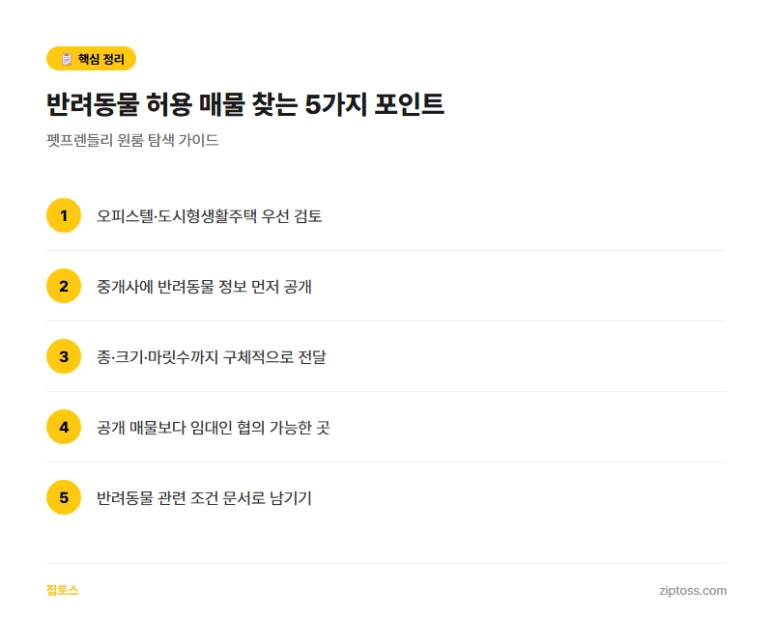
This Naver-discovered checklist from a Korean brokerage gives the right practical sequence: disclose the pet first, specify species, size, and number, focus on homes where the owner can actually negotiate, and leave the conditions in writing. It is a practitioner checklist, not a substitute for the lease or legal advice.
“One pet allowed” is still too vague
A useful clause identifies the animal the landlord is approving. Include species, number, approximate size, and any other condition that genuinely matters to the agreement. A future second pet, a visiting animal, or a replacement animal should not be left to guesswork.
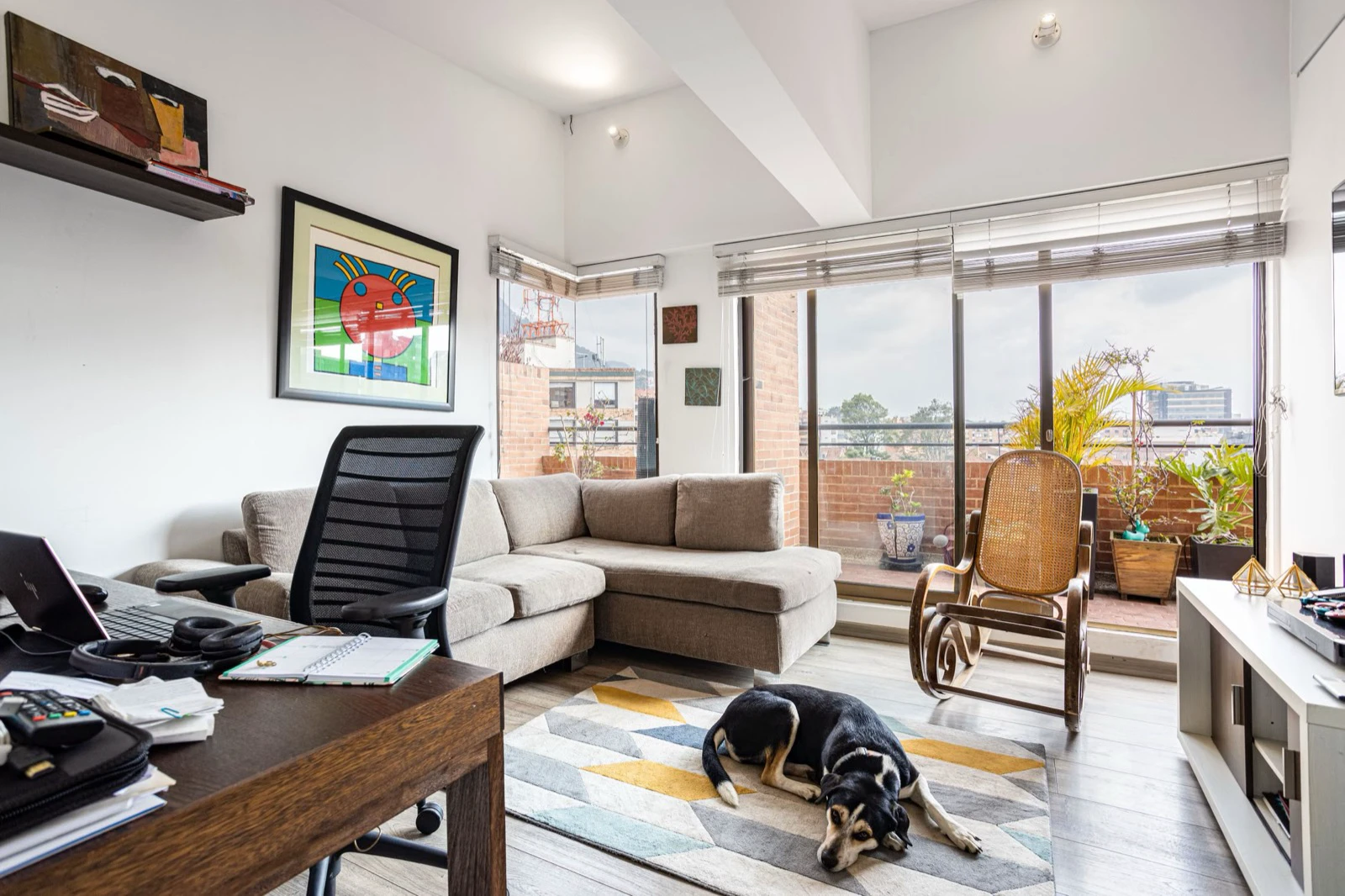
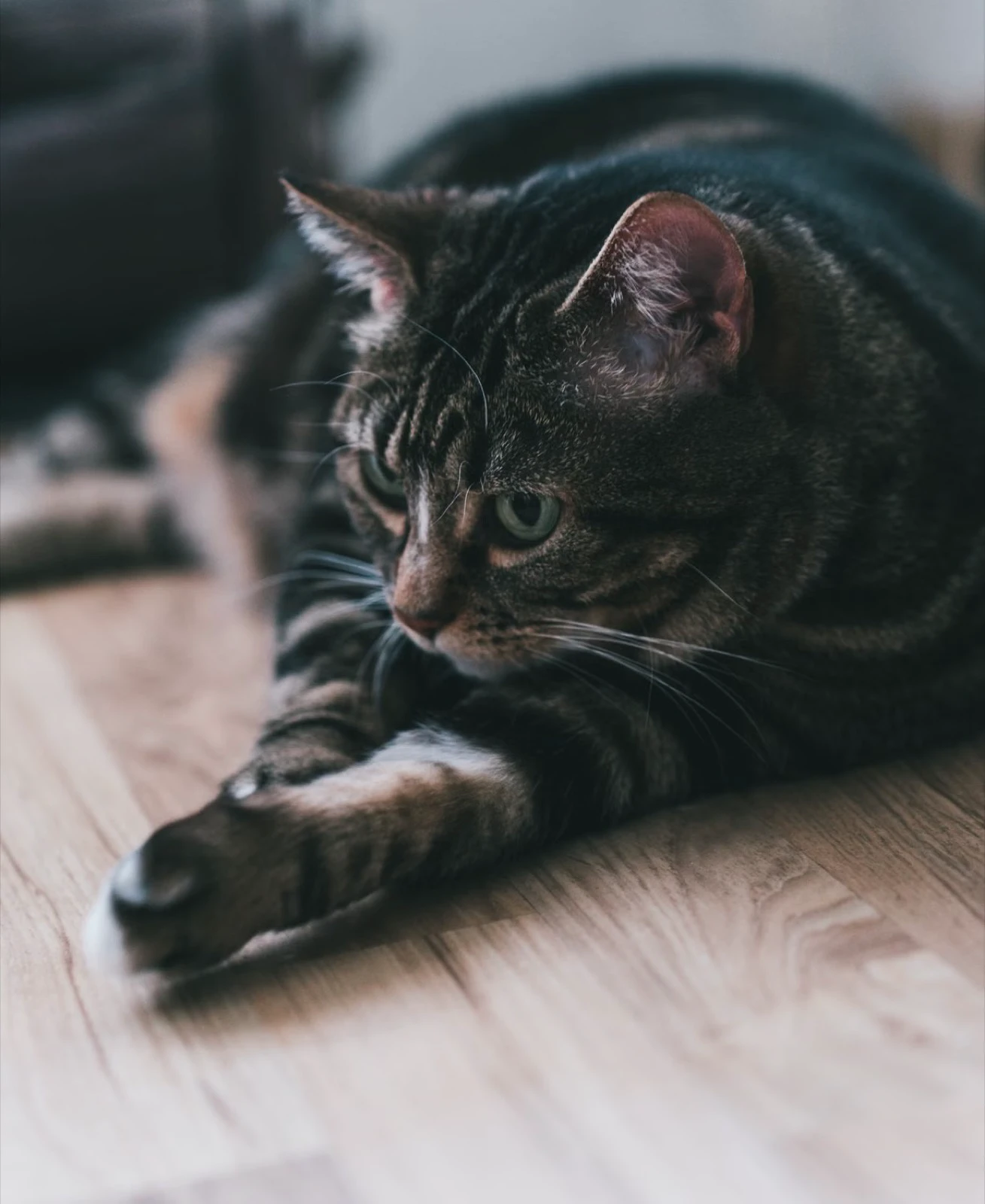
A dog and a cat can create different questions about barking, scratching, litter, odor, common areas, and floor protection. That is why “pet-friendly” should become a concrete sentence, such as permission for one indoor cat or one dog of an identified approximate weight. The photos are generic homes outside Korea; they illustrate the contract issue, not a Korean listing.
A plain-language agreement can cover these points:
- The landlord knows about and permits the named type and number of pets
- Keeping that approved pet is not by itself a breach of the lease
- Any size, breed, or additional-pet condition is stated clearly
- The tenant will follow lawful building rules for common areas and prevent repeated nuisance
- The tenant is responsible for documented damage actually caused by the pet
- The move-in condition record will be used to separate existing damage from new damage
- Any extra deposit or cleaning charge has a stated amount, purpose, return date, and deduction method
- A complaint process includes notice and a reasonable opportunity to correct the problem when appropriate
Avoid a clause that says only “pets allowed” on one page while another page says “pets prohibited.” Also avoid undefined promises such as “the tenant pays all pet-related costs” or “professional cleaning as needed.” If a condition matters enough to charge money or end the tenancy, define it before signing.
Separate damage from ordinary wear
Korean civil-law sources describe a tenant’s duty to return the leased property and restore it at the end of the tenancy. The government’s updated Easy Law housing-lease guide links that duty to Civil Act Articles 615, 618, and 654. A 2023 Supreme Court decision on restoration also emphasized the lease-start condition and the specific changes made during the tenancy when defining what must be restored. Neither principle makes every old scratch or full-room renovation automatically the pet owner’s bill.
Create a condition record before the animal enters the unit. Take wide photos of every room and close photos of:
- Wallpaper seams, stains, and tears
- Flooring scratches, swelling, gaps, and discoloration
- Doors, frames, baseboards, cabinets, and screens
- Sofa, mattress, curtains, or other landlord-owned furnishings
- Existing odor, mold, or moisture areas that a photo alone may not show
Record a continuous walkthrough video and send the file or a link to the landlord and broker promptly so the date and shared record are clear. Do not keep the only copy on a phone. Repeat the process at move-out before cleaners or movers change the condition.
If damage occurs, notify the landlord instead of concealing it. Ask for a repair scope and evidence of the actual cost. A pet deposit should not become an automatic forfeiture merely because an animal lived there; write what may be deducted and how the balance will be returned. Conversely, pet permission does not erase responsibility for chewing, deep scratches, saturated flooring, or other proven pet-caused damage.
Cleaning fees and extra deposits are negotiated terms
There is no universal price printed on a “pet-friendly” label. An owner may request a larger deposit, a fixed cleaning fee, restoration of specified materials, or none of these. Before agreeing, separate four questions:
- Is the money refundable?
- When must it be returned?
- What evidence supports a deduction?
- Does the fee replace a defined cleaning obligation, or can the landlord charge both?
Write the answers into the contract. If the landlord wants an open-ended right to replace all wallpaper or flooring regardless of age, condition, or actual pet damage, calculate that risk before signing and get local advice. Do not rely on a broker’s estimate of what “usually” happens.
A 2023 Living in Korea community thread includes tenants describing brokers who suggested hiding cats and a move-out cleaning charge after a no-pet clause was breached. That is anecdotal experience, not a legal rule or market rate. Its value is the warning: the broker knowing about an animal is not the same as the lease permitting it.
Landlord permission does not cancel building rules
There are at least three separate layers to check:
- The lease: what the landlord allows inside the unit
- Building management: rules for elevators, hallways, noise, waste, and shared areas
- Public law: animal registration and other legal duties
Ask the management office for the current rules before signing, especially in a large apartment or officetel. A landlord may approve the pet but cannot promise that neighbors will ignore repeated barking, unsanitary common areas, or unsafe handling. Plan for floor mats, training, litter and odor control, secure transport through common areas, and prompt responses to substantiated complaints.
For dogs, moving may also create an administrative task. Korea’s current Animal Protection Act Enforcement Decree covers registration of dogs aged two months or older kept in housing or quasi-housing, and its change-reporting provisions include the owner’s address. Confirm the current procedure through the national animal welfare system or your district office after moving. This legal registration does not prove that a landlord approved the animal.
If you already signed the contradictory lease
Do not move the pet in merely because the broker says the written prohibition is harmless. Save the advertisement and messages, then ask for a signed amendment that identifies the approved pet and resolves the no-pet clause. If the landlord refuses, get advice before canceling the lease, forfeiting money, or moving in anyway; the financial result depends on the complete contract and negotiation history.
If the pet is already living there, do not create a second problem by altering messages or hiding damage. Preserve the evidence of permission, request a written amendment, follow building rules, and address any real noise or sanitation issue immediately. A no-pet breach does not give a tenant permission to ignore proper legal process, and it does not let a landlord bypass that process either. Get individual help if termination or deposit deductions are threatened.
The cleanest outcome is achieved before the signature: the listing, the landlord’s decision, the special clause, the money terms, and the building rules should all describe the same pet arrangement. If they do not, the rental is not ready to sign.
Image credits
- Two dogs at home: Maria Di Lorenzo on Unsplash; used with written operator permission.
- Dog in an apartment: Gustavo Galeano Maz on Pexels; used with written operator permission.
- Cat on a wooden floor: Patricia Luquet on Pexels; used with written operator permission.
- Pet-rental checklist: Ziptoss official Naver Blog; used with written operator permission.
Sources and image credits
- English translation of the standard residential lease agreement — Checked for guide details or image attribution.
- Easy Law housing-lease guide — Checked for guide details or image attribution.
- Living in Korea community thread — Checked for guide details or image attribution.
- Animal Protection Act Enforcement Decree — Checked for guide details or image attribution.
- Maria Di Lorenzo on Unsplash — Checked for guide details or image attribution.
- Gustavo Galeano Maz on Pexels — Checked for guide details or image attribution.
- Patricia Luquet on Pexels — Checked for guide details or image attribution.
- Ziptoss official Naver Blog — Checked for guide details or image attribution.
Last updated


