
15 K-Drama Foods and When Koreans Actually Eat Them
K-dramas use food to signal weather, milestones, work and relationships. Learn when 15 familiar dishes fit real Korean life—and where television is only shorthand.

K-drama food scenes usually tell you what kind of moment is happening, not what every Korean eats on a fixed schedule. The dishes are real and many carry familiar links to weather, milestones, work or friendship, but television compresses habits into instantly readable shorthand.
Use these 15 foods as context, not rules. A rainy day can prompt pajeon, moving boxes can make jjajangmyeon convenient, and a birthday bowl of miyeokguk can show care—but all three are eaten outside those scenes too.
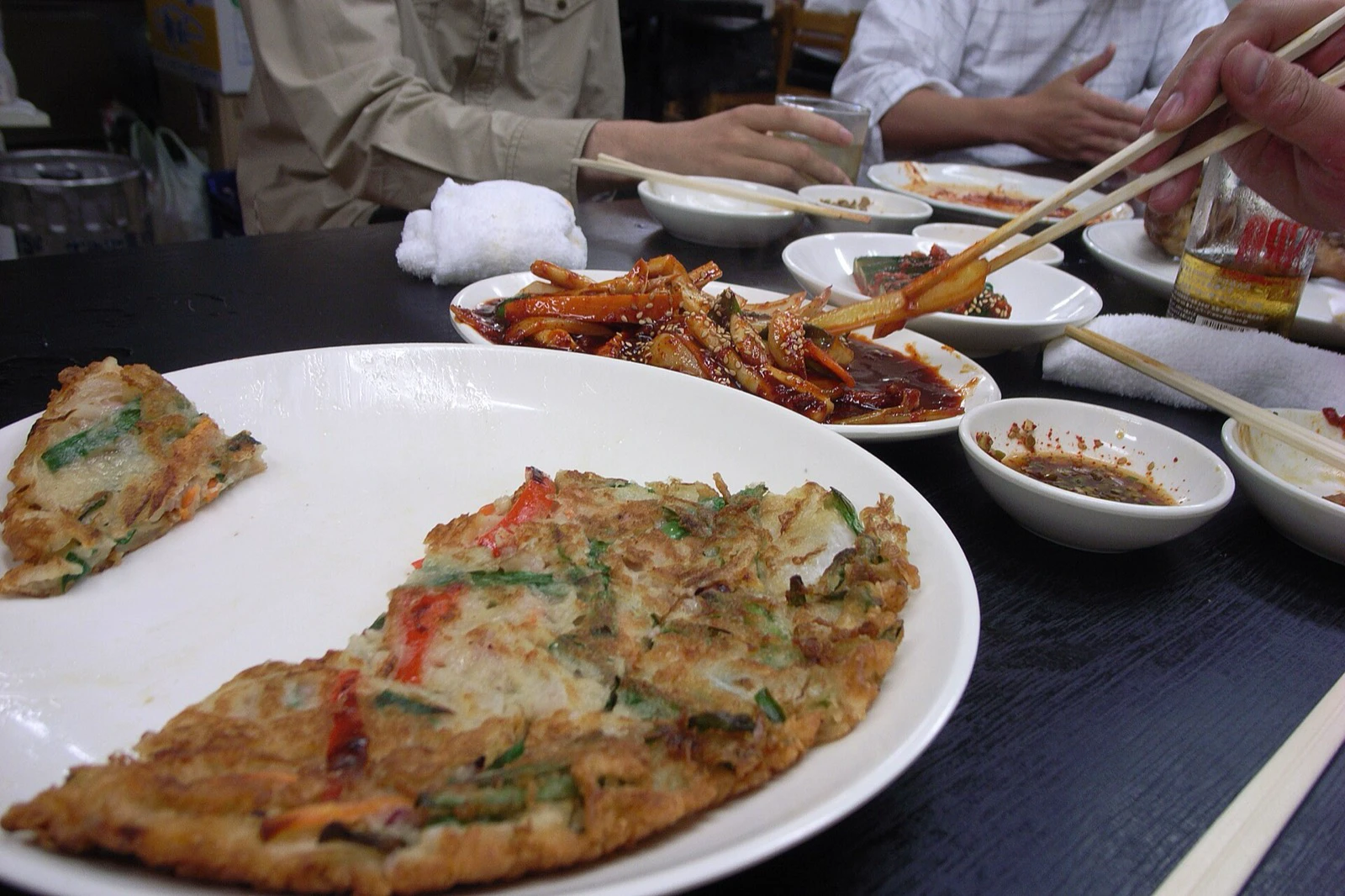
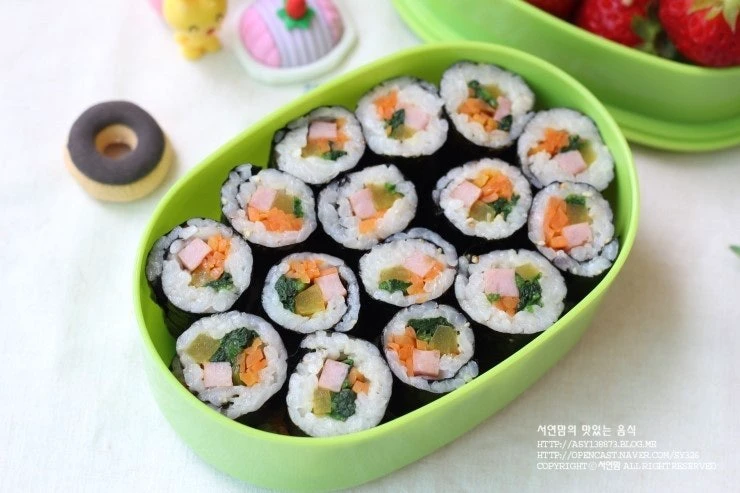
The slider captures the basic contrast: pajeon is remembered as a food for lingering on a wet day; gimbap works because it travels neatly. Neither association is an obligation.
1. Ramyeon: quick food, late-night comfort—and sometimes flirtation
Instant ramyeon appears after overtime, at a convenience-store table, on a camping trip or in a nearly empty apartment. That part is realistic: it is inexpensive, fast and easy to add to with an egg, scallions or cheese.
The invitation to “eat ramyeon” can carry romantic subtext when it means entering someone’s home late at night. Context does the work; most bowls are simply a meal or snack. At a convenience store, check whether the packet is soup noodles or stir-fried noodles before using the hot-water machine.
2. Tteokbokki: school-day nostalgia that grew up
Chewy rice cakes in a sweet-spicy gochujang sauce are closely tied to bunsik shops and memories of students eating after school. That is why school uniforms, first crushes and neighborhood friends so often share the frame with tteokbokki.
Adults eat it just as readily. Large portions with noodles, eggs, fried snacks or creamier sauces can become a shared meal. Red does not tell you the exact heat level, so ask before ordering if spice is a concern.
3. Eomuk: the cold-weather street-stall pause
Folded fish-cake sheets on skewers often appear during a winter walk, served with a cup of hot broth. The appeal is partly practical: it warms your hands and gives people a reason to stop and talk.
Eomuk also appears year-round in soups, lunch boxes and side dishes. Fish cake and its broth may contain fish, shellfish, wheat, soy or egg; the name alone is not enough for an allergy check.
4. Chimaek: fried chicken and beer for an easy group evening
Chimaek joins chicken with maekju, beer. It fits sports nights, after-work delivery and conversations that become less formal as the box empties. Half-and-half orders make sharing two sauces easy.
Beer is optional, and chicken is also an ordinary family meal. Solo orders can be large, while delivery apps may require a Korean phone number or locally accepted payment. Pickup or hotel help can be simpler. For late arrivals, check the practical cutoffs in our Seoul late-night opening-hours guide instead of assuming every drama restaurant stays open.
5. Samgyeopsal: a social dinner, not a daily solo ritual
Pork belly grilled at the table works well for team dinners, reunions and dates because everyone cooks and eats at the same pace. Lettuce or perilla wraps may hold pork, garlic, kimchi and ssamjang; rice, stew or fried rice often finishes the meal.
The smoke clings to clothing, the bill is higher than a basic lunch, and some restaurants require two portions even for one guest. Those details explain why the meal is common without being an everyday default for everyone.
6. Kimchi jjigae: ordinary comfort food
A bubbling kimchi stew usually signals home, family or a modest neighborhood meal rather than ceremony. Pork, tuna, tofu and the age of the kimchi can change the richness and sourness from one kitchen to another.
A central pot may be shared while each diner keeps an individual rice bowl. A stew that visibly contains only tofu and kimchi is not necessarily vegetarian: meat stock, fish sauce or seafood can be part of the base.
7. Jjajangmyeon: moving-day convenience, plus any-day noodles
Black-bean-sauce noodles became a natural moving-day order because cookware was boxed and delivery was convenient. Dramas use that association as a quick signal that a household is between old and new.
It remains an everyday Korean-Chinese lunch, often ordered with spicy jjamppong or sweet-and-sour tangsuyuk. The dark sauce is usually savory and slightly sweet rather than hot, and commonly contains pork.
8. Gimbap: portable food for trains, picnics and quick lunches
Seasoned rice and fillings are rolled in dried seaweed, sliced and packed without cutlery. That makes gimbap a natural choice for school trips, hikes, parks and train rides—and an equally normal fast meal from a bunsik shop.
Fillings may include egg, ham, fish cake, tuna, cheese or pickled vegetables. Check the exact roll for dietary restrictions, and eat it reasonably soon; mixed fillings and rice are poor companions for a long unrefrigerated day.
9. Miyeokguk: birthday care and postpartum tradition
Seaweed soup is closely associated with birthdays and with nourishment after childbirth. A drama can therefore use one bowl to show who remembered, who feels alone, or who is trying to repair a relationship.
Miyeokguk is also an ordinary soup. Beef versions are common, but seafood and vegetarian recipes exist. Unless the story marks a birthday, the bowl need not be a hidden symbolic clue.
10. Pajeon and makgeolli: the rainy-day pairing
The sizzle of jeon in oil is popularly compared with rainfall, while an older agricultural explanation links wet days with indoor cooking from ingredients at hand. Pajeon with cloudy rice wine, makgeolli, gives friends a slow shared meal and television an immediate rainy-day mood.
Sunshine does not cancel the order, and alcohol is optional. Haemul-pajeon usually contains seafood; makgeolli remains alcoholic even when it tastes softly sweet and tart.
11. Samgyetang: hot soup during peak summer heat
On the three boknal days traditionally associated with the hottest part of summer, many diners choose a small chicken stuffed with sticky rice, garlic, jujube and sometimes ginseng. The custom follows the idea of restoring energy by “meeting heat with heat,” so a steaming bowl in July is deliberate rather than a continuity error.
Restaurants may queue on those dates, but the dish is available beyond boknal and not everyone observes the custom. Treat it as a seasonal pattern, not a rule about all Koreans.
12. Haejangguk: the morning-after category, not a cure
The name suggests soup for chasing a hangover, which makes it natural after a drinking scene. There is no single recipe: versions may use beef, pork backbone, dried pollack, soybean sprouts or congealed ox blood.
You do not need to have been drinking to order it. It is a hearty breakfast or restorative meal, not a medical treatment; rich broth and salted side dishes may also be high in sodium.
13. Tteokguk: Seollal in one bowl
Oval rice-cake slices in clear soup are strongly linked to Seollal, the Korean Lunar New Year. The white cakes suggest a clean beginning, and the familiar joke says a bowl makes you one year older.
Tteokguk and dumpling-filled tteok-manduguk appear outside the holiday too. During Seollal, transport and opening schedules will affect a traveler more than the symbolism: family travel is heavy and many businesses close or shorten hours.
14. Bungeoppang and hotteok: winter snacks best eaten immediately
Fish-shaped bungeoppang usually holds sweet red bean, custard or a newer filling—the mold gives it the name, not fish. Hotteok is a griddled stuffed pancake, often filled with brown sugar, cinnamon and seeds. Both are tied to cold streets because they are best hot from the stall.
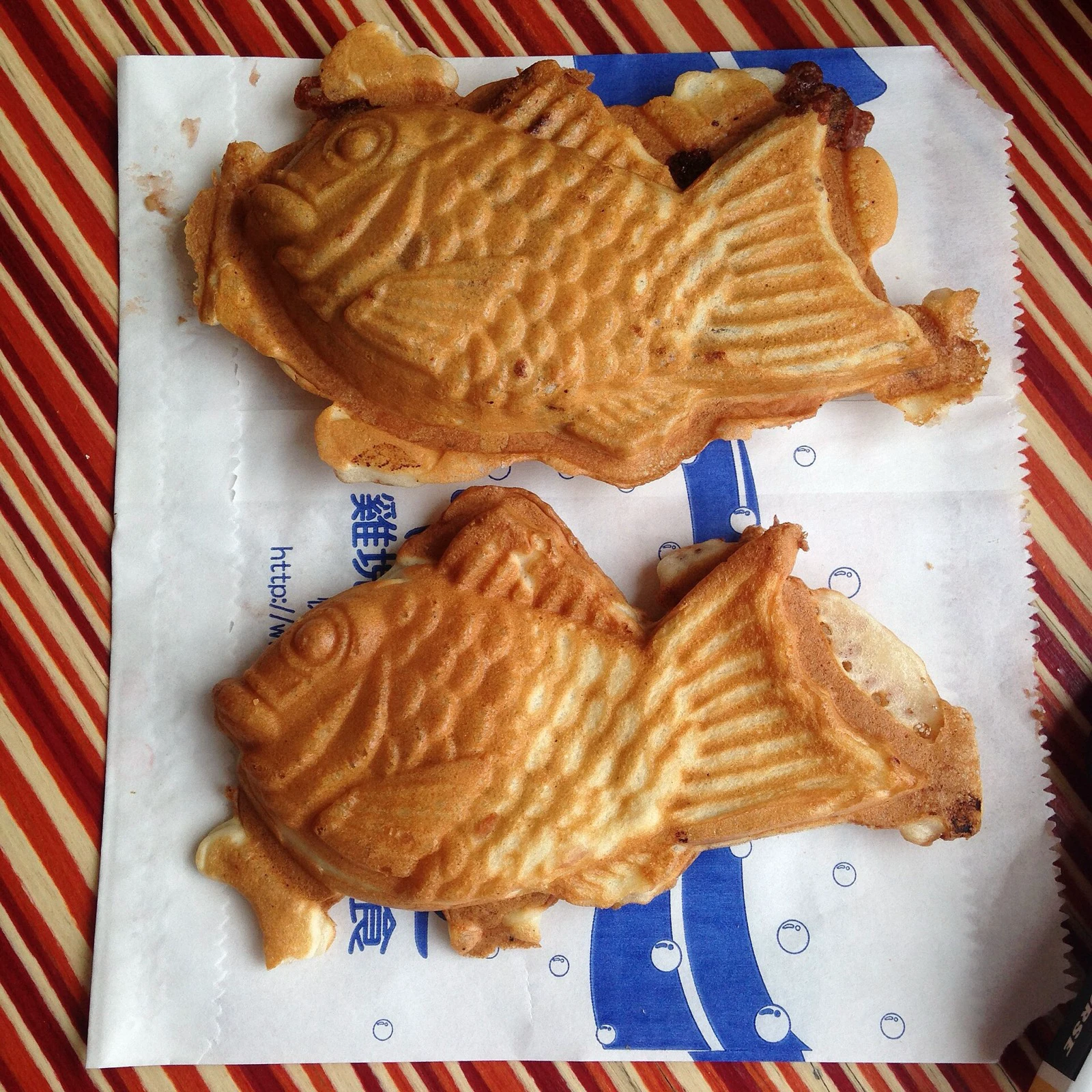
Vendors can be seasonal, mobile or sold out, so an old drama location is not a reliable stall directory. Bite carefully: the filling may be much hotter than the pastry surface.
15. Bingsu: a summer dessert made for the middle of the table
Shaved ice may carry red beans, fruit, condensed milk, rice cake, cereal or elaborate café toppings. A bright shared bowl gives friends or a dating couple time to talk; smaller individual servings are increasingly available.
Premium café bingsu can cost as much as a meal. Patbingsu specifically contains sweet red beans, while mango, green-tea and chocolate versions vary. Confirm serving size and ask about dairy, nuts or soybean powder when relevant.
Read the context, then order for the day you actually have
Choose tteokbokki or gimbap for a quick bite, barbecue or chicken when a group wants to share, and pajeon when there is time to linger. A solo traveler need not force a two-person grill order, and a convenience-store ramyeon invitation is not automatically romantic.
Food names also do not settle dietary questions. Soup, kimchi, fish cake and vegetable fillings can hide meat stock, fish sauce, shellfish, wheat, egg or shared cooking surfaces. For allergies, religious restrictions or a vegetarian diet, show a clear Korean explanation and confirm the broth and sauce as well as the visible ingredients.
The useful lesson is that Korean food often helps organize time and relationships. A dish can say “you worked late,” “it is raining,” “we moved,” “you were born,” or simply “sit and eat with us.” That context makes the screen scene easier to read—and leaves you free to order what actually suits your meal.
Sources and image credits
- Korea Tourism Organization: situational food culture in K-content — Official context for rainy-day jeon, summer samgyetang, picnic gimbap and birthday miyeokguk; rechecked August 12, 2026. These are cultural patterns, not universal rules.
- Korea Tourism Organization: street food loved by Koreans — Official bunsik and tteokbokki context; rechecked August 12, 2026.
- Korea Tourism Organization: introduction to Korean food culture — Official Korean meal-culture background; rechecked August 12, 2026.
- Korea.net: why seaweed soup is a birthday dish — Government cultural account retained from the original guide; the KTO source above independently supports the birthday and postpartum context.
- Reddit r/KDRAMA: viewer discussion of food scenes — Viewer interpretations used only as audience-context signals, not proof about Korean households.
- Reddit r/KDRAMA: discussion of realistic eating scenes — Individual viewer perspectives, not universal evidence.
- Delivery Spot featured image file — Tteokbokki cover reused from the frozen English master; original asset record and permission retained by the publisher.
- Delivery Spot pajeon editorial asset — Reused from the frozen English master; original asset record retained by the publisher.
- Delivery Spot gimbap editorial asset — Reused from the frozen English master; original asset record retained by the publisher.
- Delivery Spot bungeoppang editorial asset — Reused from the frozen English master; original asset record retained by the publisher.
Last updated


