
Is Han River Ramyeon More About the Experience? A First-Timer’s Guide
The noodles are familiar; the riverside ritual is the attraction. Follow the outing in order, from weather and seating to the cooker and cleanup.

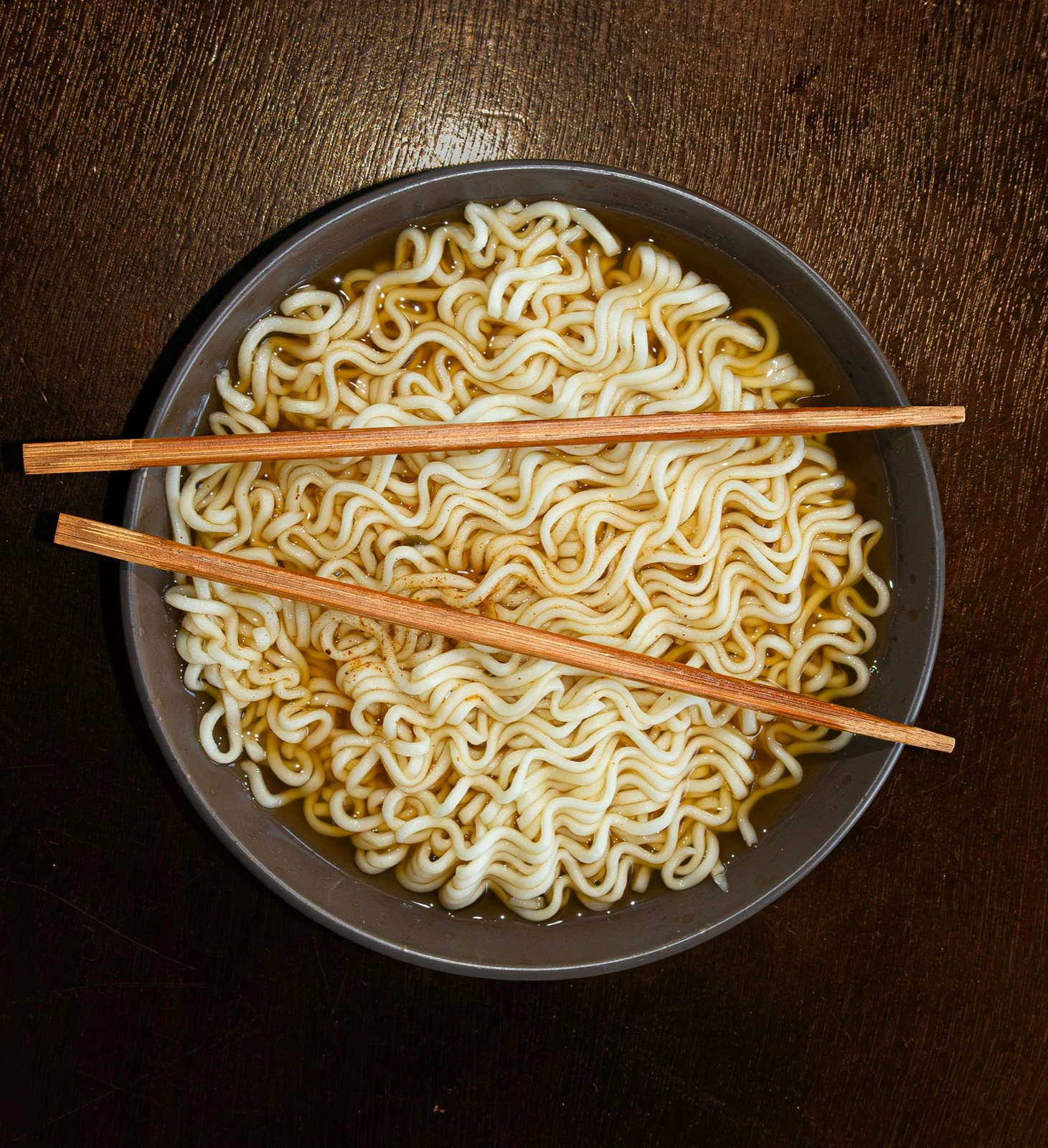
Yes—Han River ramyeon is mostly an experience. The noodles do not become a different recipe beside the water. What changes is the ritual: choosing a patch of grass, working out the cooker, carrying a steaming foil bowl to the river, and eating while Seoul moves around you. On the right evening, those ordinary steps feel like the event. On a wet, windy, or crowded day, the same bowl can feel like an inconvenient convenience-store meal.
The trick is to plan the outing in the order you will actually encounter it. Choose the conditions and your seat first. Buy and cook second. Clean up last.
1. Pick conditions, not just a famous park
Yeouido, Ttukseom, Banpo, and Mangwon are all recognizable choices, but the best park is the one that gives you a short walk between transit, a convenience store, a restroom, and the place where you want to sit. Store hours and temporary event layouts change. Before leaving, use Seoul’s official Smart Seoul Map Hangang Park Guide to inspect nearby facilities rather than assuming every entrance leads to the same setup.
Then check precipitation, wind, temperature, and any heat or heavy-rain advisory on the Korea Meteorological Administration forecast. A riverbank can expose you to more wind than a sheltered street. Sunshine does not guarantee comfortable mat weather, and a forecast that looks manageable for a walk may still be unpleasant for sitting still.
A useful seasonal rule of thumb:
- Spring and autumn: usually the easiest picnic seasons, but bring a light layer for the evening and something waterproof under a thin cloth blanket if the grass is damp.
- Summer: favor late afternoon or evening, carry water, and do not treat shade as optional. Move indoors if there is a heat warning or thunderstorm risk.
- Winter: plan for a short meal at a picnic table near the store, not a long blanket session. In a small r/koreatravel discussion, even commenters accustomed to severe winters disagreed about whether a winter picnic was tolerable; the consistent point was to judge the actual day and keep an indoor alternative. That is anecdotal advice, not a weather rule, but it is a useful warning against planning by calendar alone. See the traveler discussion.

2. Find your seat before you buy hot food
Walk from the entrance to the river first. Locate the convenience store or kiosk, the cooker area, the nearest restroom, and the waste station. Then decide how far you are willing to carry a bowl of boiling soup. A slightly less cinematic spot near the store is often better than a perfect view ten minutes away.
For a simple ramyeon stop, a small mat is enough. Rental stands near popular entrances can be convenient, but they are independent businesses: prices, deposits, identification requirements, and return times vary. Confirm the total price and the closing time before taking a set. If you are alone or the ground is cold, damp, or uneven, use a public table or bench instead.
Do not confuse a mat with a tent. Seoul’s official 2026 notice says mats may be used throughout the year, while shade tents are limited to designated zones from March through November, with seasonal closing hours and an approximate 2 m by 2 m size limit. Check the current notice and posted signs before setting one up. The 2026 Hangang Park notice board lists the permitted areas and hours. For a bowl of noodles, a tent usually adds more rental, rule-checking, and return logistics than comfort.
3. Buy the food that matches that store’s cooker
Once the seat is settled, buy your ramyeon at the convenience store beside the cooker. Look for the bagged noodles and disposable cooking bowl sold for that setup. The bowl is part of the system; an ordinary cup-noodle container or a pot brought from elsewhere may not fit or heat correctly.
Stores may also sell eggs, cheese, sausage, green onion, or other add-ons. Treat those as optional. A first attempt is easier when the bowl is not overloaded, and an egg can make the cooking time less forgiving. Buy chopsticks and a drink before you start so you do not have to leave a hot bowl unattended.
4. Follow the machine in front of you
Cooker interfaces vary. Some ask for a numbered button, some use a preset linked to the product, and labels may tell you when to add the soup powder or stir. Use the instructions on that machine rather than memorizing one viral video.
The common sequence is simple:
- Open the packet and put the noodle block and seasoning into the cooking bowl.
- Place the bowl flat in the marked position.
- Select the matching setting and let the machine dispense water and heat it.
- Stir only when the noodles have softened enough to separate.
- Wait for the cycle to finish, then lift the bowl carefully by its firm edges or with a tray.
The bowl, steam, and broth are genuinely hot. Do not move it while the machine is running, do not hold it against your body for balance, and do not fill it further after cooking. If the buttons are unclear, ask the store staff before pressing several at random. For a closer look at the cooker itself, use our separate Korean convenience-store ramyeon machine guide.
5. Carry it the shortest safe distance
This is the step polished social videos tend to skip. Use a tray if the store provides one. Keep one hand free for balance, walk around cyclists rather than across their path, and avoid stairs or a long stretch of crowded grass with a brim-full bowl. In a group, one person can hold the spot while another cooks; alone, choosing a nearby table before buying is safer than trying to defend a distant mat and transport soup at the same time.
Let the noodles cool for a minute when you sit down. The first bite is not improved by burning your mouth, and the experience is better when you are looking at the river rather than solving another logistical problem.
6. The last step is part of the experience
Seoul’s official Hangang guidance prohibits littering and personal cooking or open flames outside designated areas. It also asks visitors to avoid excessive noise and drinking that inconveniences others. The convenience-store cooker is not permission to bring a portable burner onto the grass. Read the current Hangang visitor rules and follow the multilingual signs at your park.
Before leaving, take everything back toward the store or marked waste station. Never pour leftover broth onto grass, around a tree, or into a storm drain. Use the receptacle indicated for liquid or food waste if one is provided; otherwise ask the store how to dispose of it. Empty and sort cans, bottles, and other recyclables according to the labels in front of you. Put contaminated wrappers, chopsticks, and the cooking container where the local sign directs rather than guessing by material alone. If a bin is full or no suitable station is available, carry the waste out.
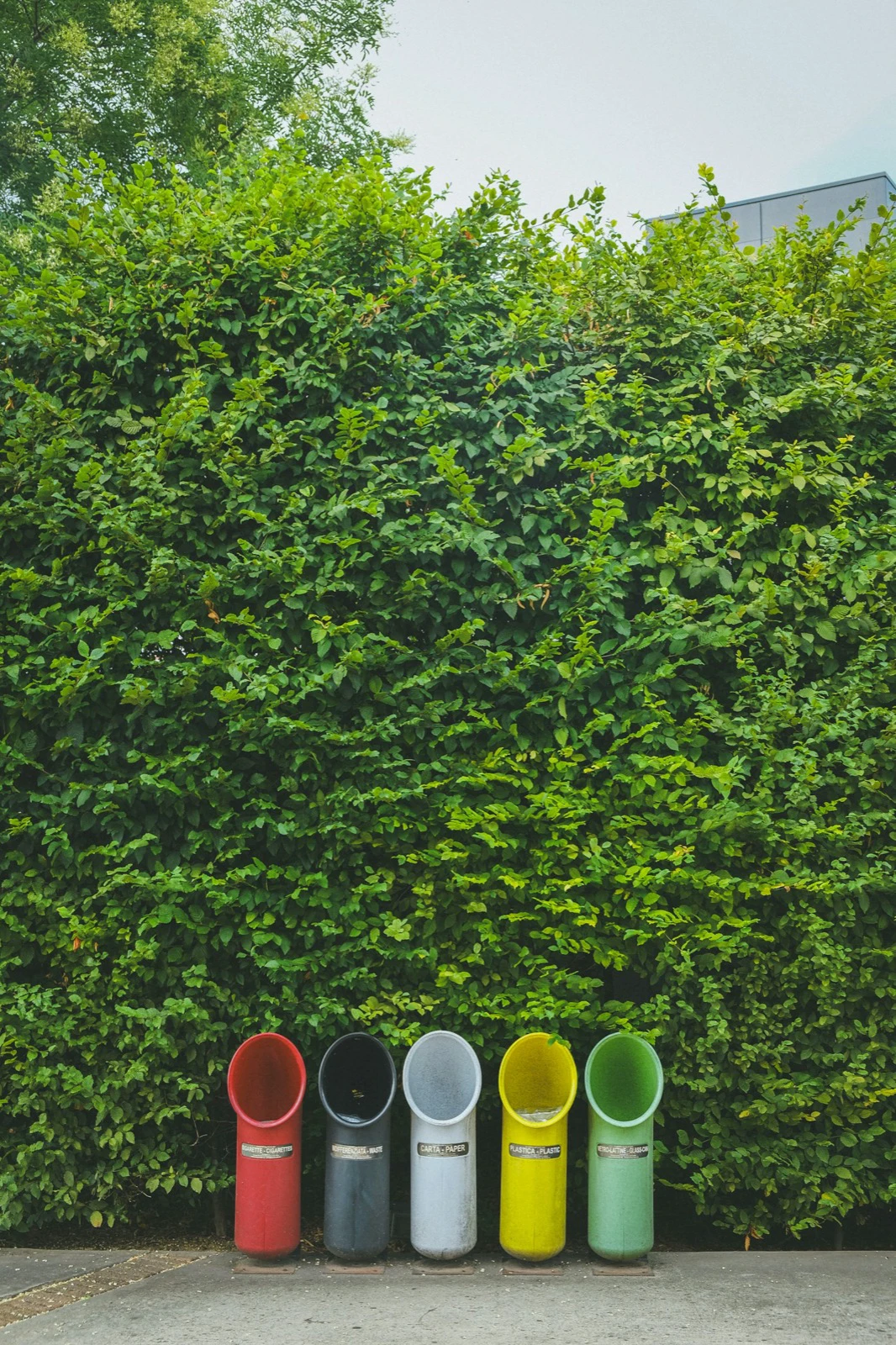
A tidy departure is not a footnote. It is what allows the next group to have the relaxed riverside moment you came for.
Common first-timer mistakes
- Buying first and scouting later. You end up walking too far with boiling soup or discovering that every nearby patch is wet.
- Renting more than you need. A full picnic package or tent creates return deadlines and rules when a small mat or table would work.
- Copying one machine from memory. The controls and sequence in front of you are the authority.
- Choosing sunset but ignoring the temperature after it. The view improves just as the air can become colder and windier.
- Leaving cleanup until the park exit. Find the correct waste station before eating, while your hands are empty.
So, is it worth doing?
Yes, if you want a low-pressure Seoul ritual rather than a destination meal. Han River ramyeon is at its best when the weather is comfortable, the walk from cooker to seat is short, and you have time to watch the light change over the water. Skip or shorten it when rain, wind, heat, cold, or crowds would make you rush.
The flavor comes from a packet. The memory comes from getting the small sequence right.
Sources and image credits
- Smart Seoul Map Hangang Park Guide — Checked for guide details or image attribution.
- Korea Meteorological Administration forecast — Checked for guide details or image attribution.
- traveler discussion — Checked for guide details or image attribution.
- 2026 Hangang Park notice board — Checked for guide details or image attribution.
- Korean convenience-store ramyeon machine guide — Checked for guide details or image attribution.
- Hangang visitor rules — Checked for guide details or image attribution.
Last updated


