
Is Gwangjang Market the Best Place for Seoul Street Food?
Gwangjang is the easiest all-in-one market food experience, but Namdaemun, Mangwon and Tongin can be better choices for a full meal, neighborhood snacks or a mix-and-match lunch.
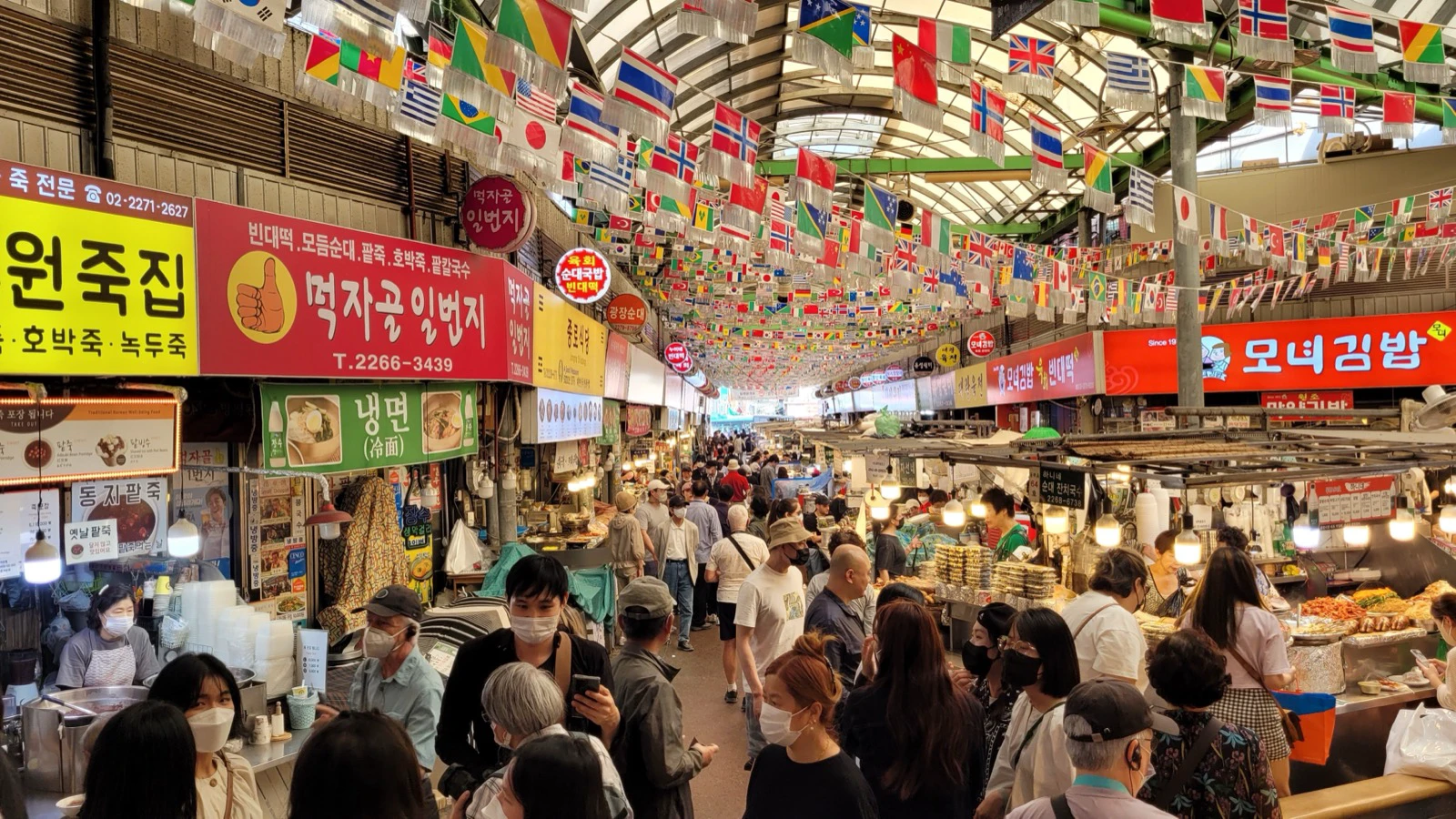
No. Gwangjang is Seoul's easiest all-in-one market for bindaetteok, yukhoe and mayak gimbap, but it is not automatically the best market for value or for every kind of meal. Choose Namdaemun for specialty food alleys, Mangwon for neighborhood snacks and takeout, and Tongin for a token-based mix-and-match lunch.
Pick the market that matches the meal
- Gwangjang — iconic food-hall atmosphere: Start with bindaetteok, yukhoe or mayak gimbap. It is very busy, and some stalls have faced repeated price and portion complaints.
- Namdaemun — a substantial sit-down meal: Choose Kalguksu Alley or Galchi-jorim Alley. The useful food lanes are easy to miss inside the larger shopping district.
- Mangwon — a neighborhood snack crawl: Look for dakgangjeong, croquettes, bunsik and tteokgalbi. Seating depends on the shop, and the market is less of one dramatic food hall.
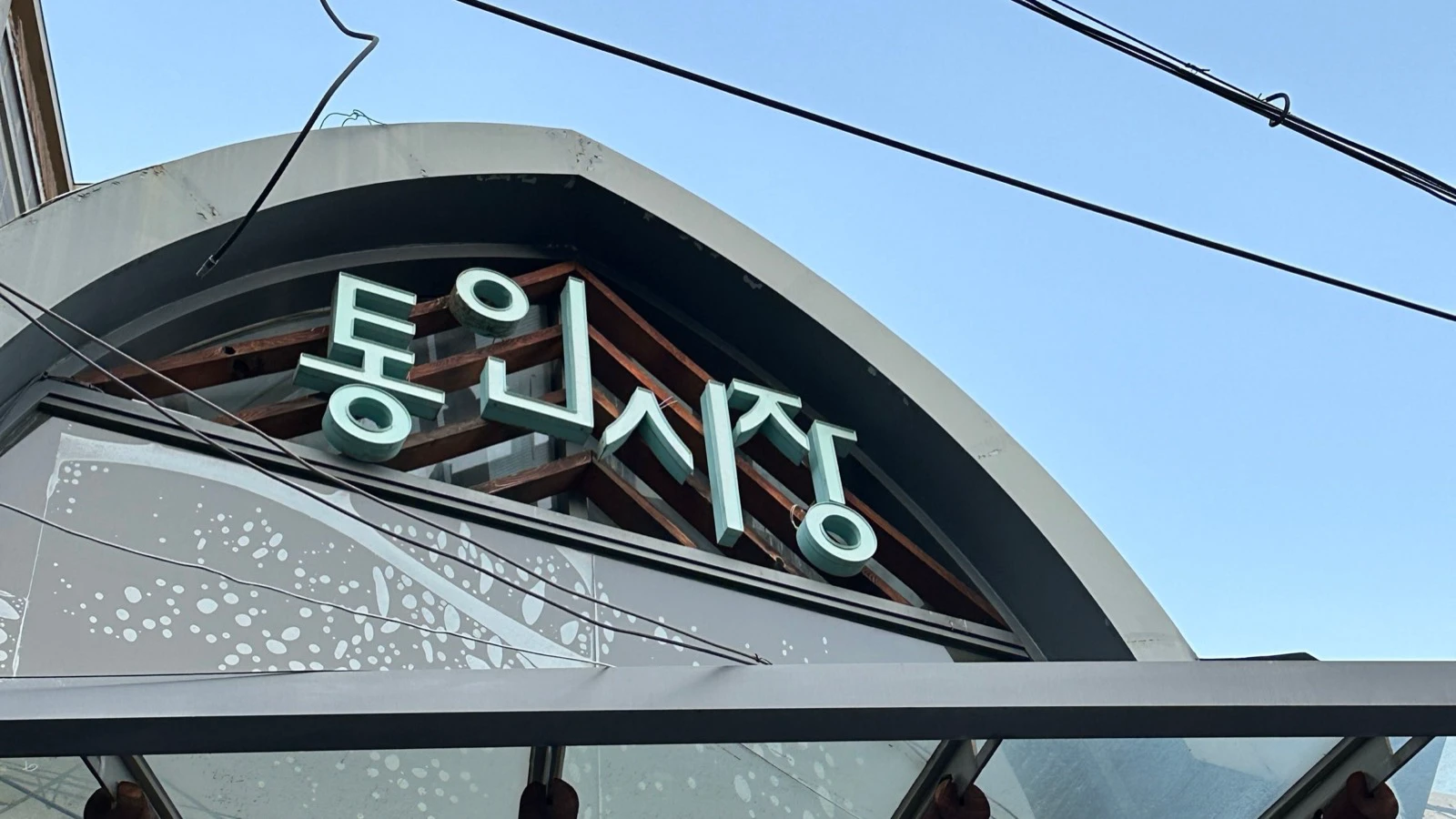
- Tongin — a mix-and-match lunch: Build a yeopjeon dosirak and try oil tteokbokki. The lunchbox program has its own limited schedule and participating vendors.
- 1Gwangjang Market
- 2Tongin Market
- 3Namdaemun Market
- 4Mangwon Market
The pins are a comparison map, not a recommendation to visit all four in one day. Each market belongs to a different neighborhood and works best when it fits the rest of your plans.
Gwangjang: choose it for concentration, not a bargain guarantee
Gwangjang remains the strongest first choice when the experience you want is a packed central aisle, stools around open counters and several famous foods within a few minutes' walk. Visit Seoul identifies bindaetteok, yukhoe and the small gimbap commonly called mayak gimbap as signature foods. Dedicated yukhoe shops and bindaetteok specialists are a better reason to come than trying to sample every photogenic snack in sight.
The price debate is real, but it needs precision. Seoul introduced menus showing quantities or weights beside prices after earlier complaints, along with sample dish displays and mystery-shopper checks. In May 2026, the city announced another inspection covering price display, hygiene and sales practices across food businesses and stalls. Those measures confirm a recurring problem worth taking seriously; they do not prove that every merchant overcharges. Seoul's price-transparency announcement and the May 2026 inspection report are more useful than treating one viral bill as the market's universal price list.
Traveler reports are equally mixed. A large Reddit discussion includes complaints about unclear additions and high prices, but also visitors who enjoyed the market and commenters who still recommend specific stalls. Read that disagreement as a buying rule: decide on the item, portion and total price before food is served.
Use these checks at Gwangjang:
- Prefer a stall with the item, price and portion or quantity clearly displayed.
- Point to the exact set you want and confirm the total before accepting extras.
- If the menu is unclear or the answer changes, thank the seller and move on. There are many alternatives in the same market.
- For yukhoe, choose a dedicated restaurant and decide whether raw beef suits your own risk tolerance.
- Ask about ingredients rather than guessing from appearance. Bindaetteok can contain pork, and broths, sauces and kimchi may contain fish-based ingredients; see our guide to hidden non-vegetarian ingredients in Korean food.
Namdaemun: better when you want a meal, not a tasting circuit
Namdaemun makes more sense when hunger matters more than spectacle. Its food identity is organized around specialty lanes: steam and handmade noodles in Kalguksu Alley, and spicy braised cutlassfish in Galchi-jorim Alley. The official Seoul guide to Kalguksu Alley, updated in June 2026, describes hand-cut noodles in anchovy broth and notes the nearby galchi lane.
Pick one lane and eat a proper meal. Kalguksu is the easier first choice for one person; galchi-jorim is fish cooked in a red pepper seasoning and is often more natural to share. Namdaemun is also a vast shopping market, so save the alley name in Korean—칼국수골목 or 갈치조림골목—rather than expecting every entrance to lead directly to food.
Mangwon: best for a neighborhood snack crawl
Mangwon is the clearest alternative for travelers who want a functioning neighborhood market with a growing food scene rather than one concentrated tourist food hall. The official Mangwon Market page, edited in May 2026, highlights dakgangjeong, croquettes, bunsik, tteokgalbi and traditional alcohol. Produce, prepared foods and everyday shopping still sit beside the snack vendors.
Come with one or two targets, then browse. Dakgangjeong travels well; croquettes and hot bunsik are better eaten soon after buying. Mangwon works especially well when you would rather assemble takeout than sit shoulder-to-shoulder at a central counter, but it is no longer a secret local market. Popular shops can still have queues, and “less touristy” does not mean every item is automatically cheaper.
Tongin: choose the format, not the largest selection
Tongin's reason to visit is specific: exchange money for yeopjeon-style tokens, take a tray around participating vendors and build a dosirak from small portions. Oil tteokbokki is the market's best-known specialty, but the pleasure is combining several items rather than hunting for one definitive stall.
The lunchbox café is a program inside the market, not the market's full operating day. Visit Seoul's current Tongin page lists the program Wednesday through Monday from 11 a.m. to 3 p.m., extending to 4 p.m. on weekends, with Tuesday and the third Sunday closed. Hours and participating shops can change, so check the official listing on the day you plan to use the tokens. If the program is closed, Tongin is still a market, but it is no longer the distinctive experience most visitors came for.
A price label matters more than a market's reputation
Traditional markets do not have one Seoul-wide street-food tariff. Portion size, ingredients, shop type and neighborhood all affect the bill, and online “normal price” lists age quickly. Use the current menu in front of you. A useful purchase has four clear facts: the item, the portion, any add-on and the total.
That rule also prevents the opposite mistake—assuming any price above an old blog post is a scam. Ingredient costs and portions vary. The warning sign is not merely that a famous market costs more than expected; it is that the price or quantity was not disclosed before the sale, an unwanted item was added, or the final bill does not match the agreed order.
If this is your first Seoul market meal, choose Gwangjang for the iconic atmosphere, Namdaemun for a filling specialty dish, Mangwon for snacks and takeout, or Tongin for the lunchbox format. You do not need to boycott Gwangjang to make a thoughtful choice—and you do not need to treat it as the only place where Korean market food counts.
Photo credits
- Featured Gwangjang Market aisle: Bgag, CC0, via Wikimedia Commons.
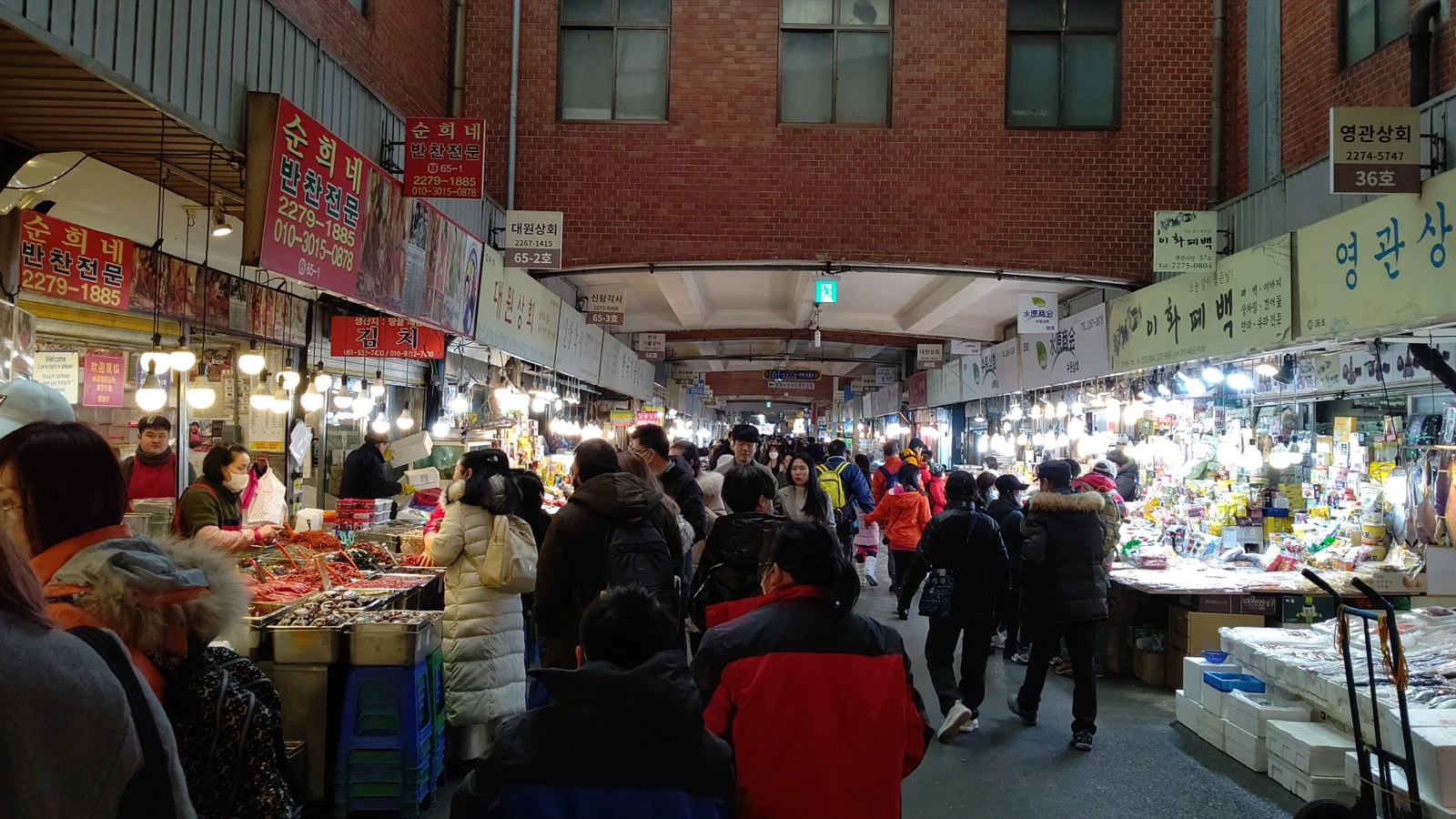
- Gwangjang Market food aisle: Stck w, CC BY-SA 4.0, via Wikimedia Commons.
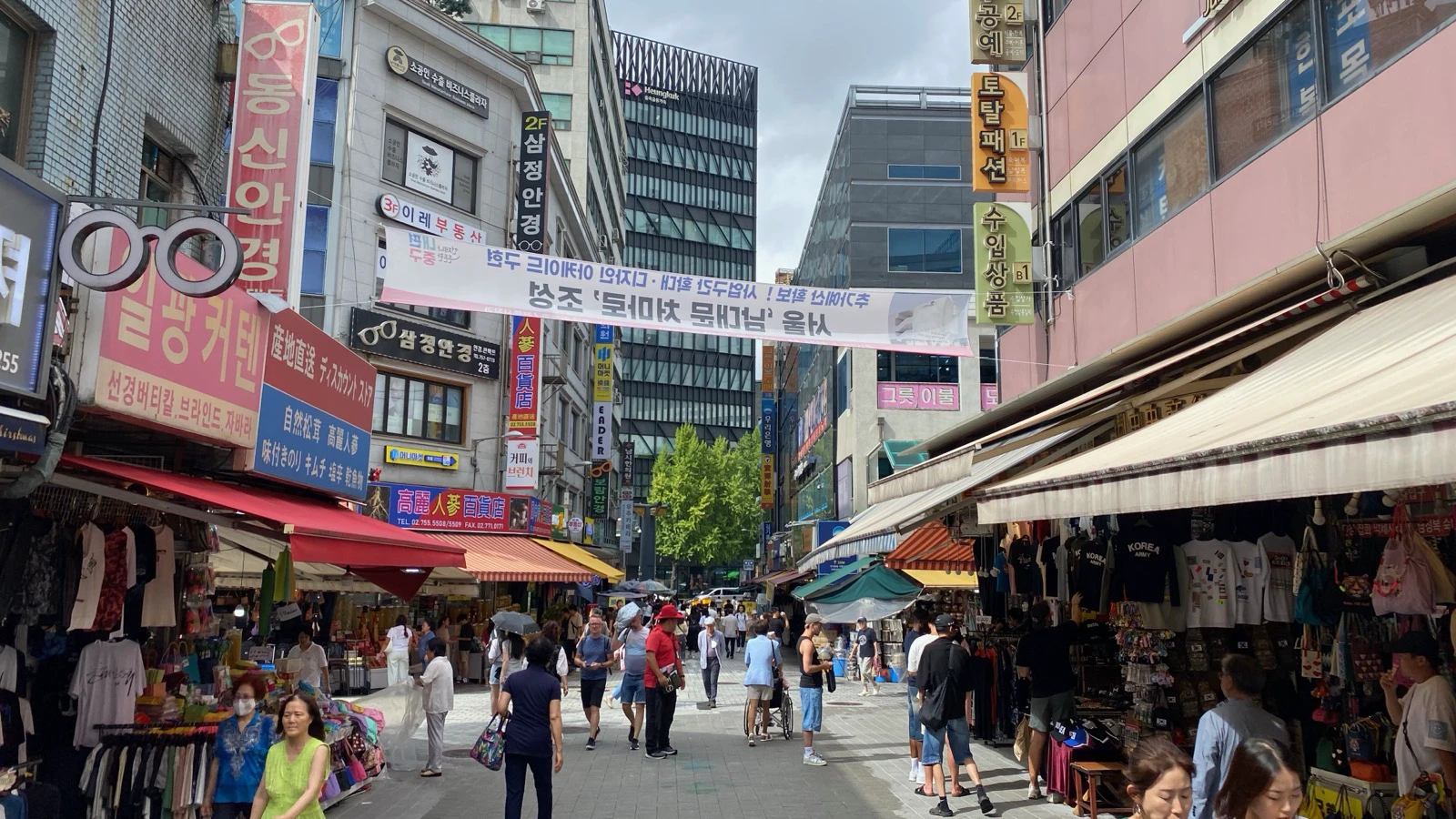
- Namdaemun Market street: Sgroey, CC BY-SA 4.0, via Wikimedia Commons.
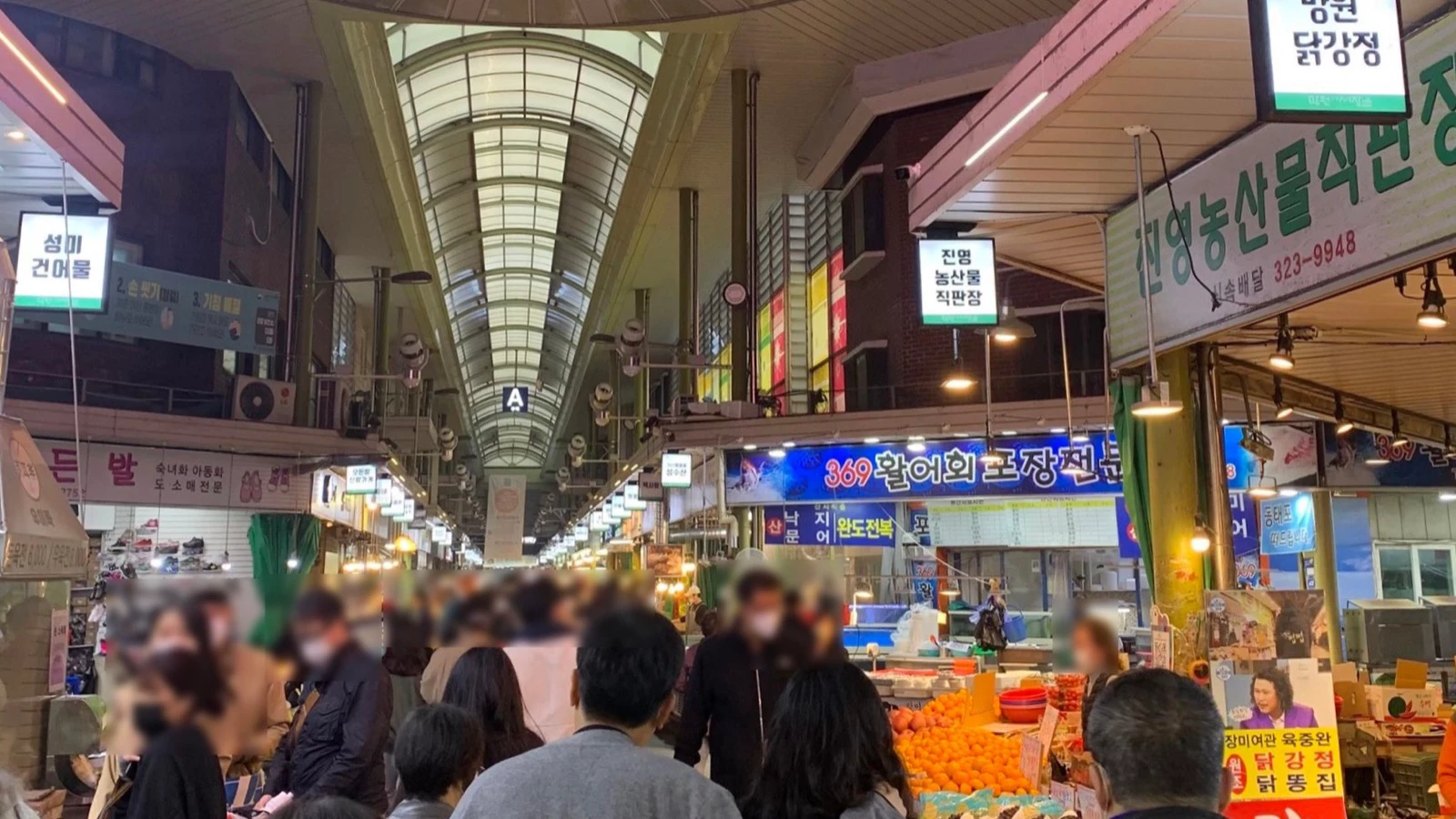
- Mangwon Market interior: 미삐찌 / Naver blogger trip_malang_m_jzi, used with written operator permission; source post.
- Tongin Market entrance: The Log: My New World / Naver blogger mynw2day, used with written operator permission; source post.
Sources and image credits
- Visit Seoul — Checked for guide details or image attribution.
- Seoul's price-transparency announcement — Checked for guide details or image attribution.
- May 2026 inspection report — Checked for guide details or image attribution.
- official Seoul guide to Kalguksu Alley — Checked for guide details or image attribution.
- official Mangwon Market page — Checked for guide details or image attribution.
- Visit Seoul's current Tongin page — Checked for guide details or image attribution.
- Wikimedia Commons — Checked for guide details or image attribution.
- CC BY-SA 4.0 — Checked for guide details or image attribution.
- source post — Checked for guide details or image attribution.
- source post — Checked for guide details or image attribution.
Last updated


