
Can You Eat Gluten-Free Korean Food? What to Check
Rice-based does not automatically mean gluten-free. Check exact soy sauce and paste labels, noodles, frying oil, stock and cross-contact—especially for celiac disease or wheat allergy.
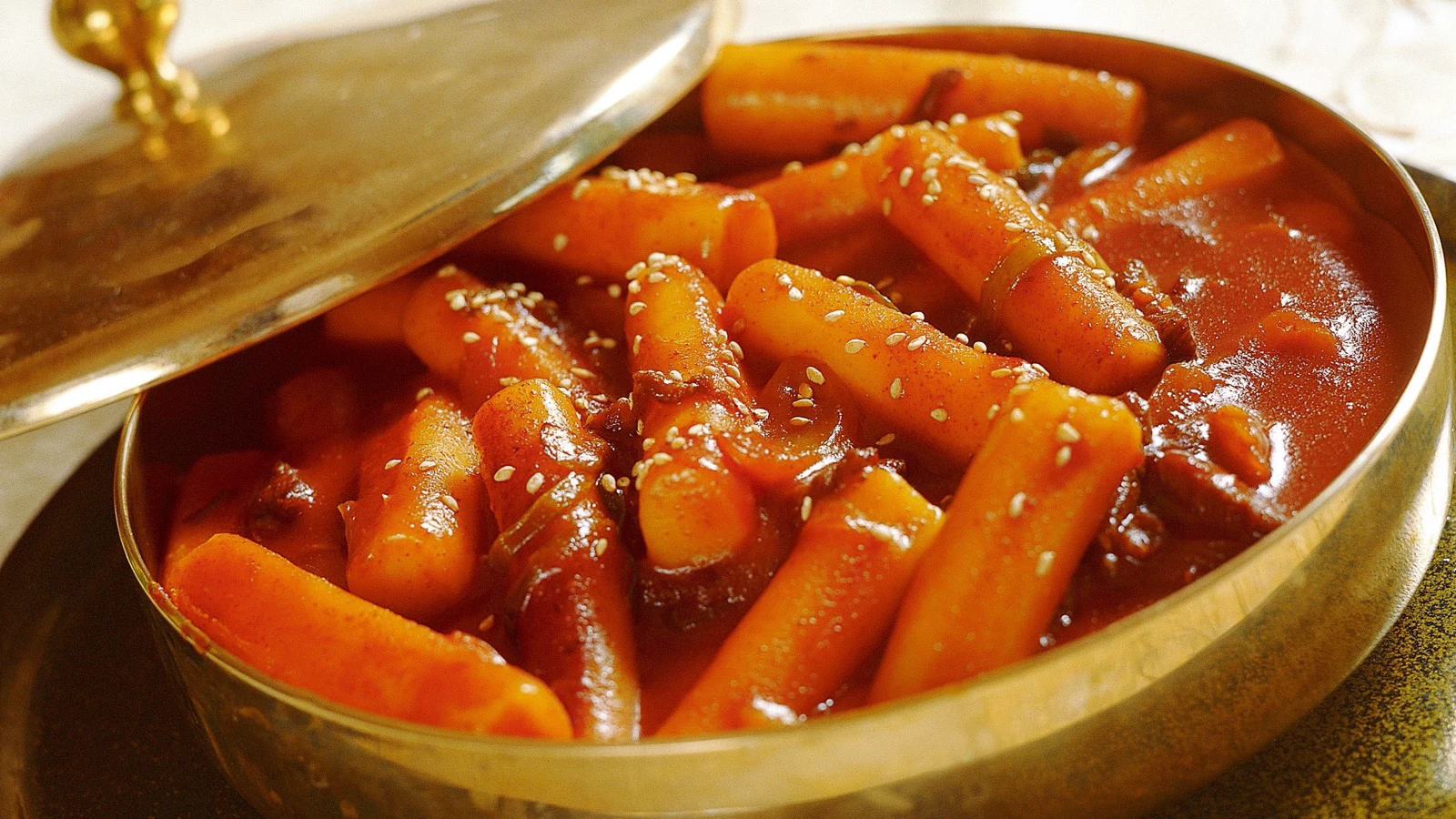
You can eat gluten-free food in Korea, but rice-based does not automatically mean gluten-free. Soy sauce, fermented pastes, stock, frying batter and oil, noodles, fish cake, seasoning mixes, and cross-contact all need separate checks.
The decision also depends on why you avoid gluten. Someone with celiac disease, a wheat allergy, non-celiac sensitivity, or a personal preference may need different ingredients, cross-contact controls, and emergency planning. A restaurant saying “no flour” is not the same as verifying wheat, barley, rye, sauces, stock, and the kitchen process.
Define your requirement before choosing a dish
- Celiac disease or strict medical avoidance: verify ingredients and cross-contact, including shared fryers, grills, utensils, prep surfaces, and storage.
- Wheat allergy: check every wheat source and relevant cross-contact, and follow the emergency plan from your clinician.
- Non-celiac sensitivity: apply the threshold and triggers established for you; restaurant staff cannot diagnose the cause of symptoms.
- Preference: decide your own cross-contact boundary, but do not present that choice as celiac-safe advice.
Korea’s latest Food Labeling Standards notice is MFDS Notice No. 2026-37, dated May 12, 2026. The Korea Gluten Free Certification Center describes gluten-free food as containing no gluten or no more than 20 mg/kg (20 ppm) and says its system manages products from raw material through sale. That is useful for a packaged product; it does not certify a restaurant’s verbal answer or shared kitchen.
Ask for the exact soy sauce
Conventional soy sauce often includes wheat. The U.S. FDA’s gluten-free labeling Q&A explains why soy sauce made from soybeans and wheat generally cannot bear a gluten-free claim. Kikkoman’s soy-sauce glossary lists soybeans, wheat, salt, and water for its conventional naturally brewed type, while identifying a separate wheat-free product.
That does not mean every Korean soy sauce contains wheat. It means the kitchen must check the exact bottle. Soy sauce can appear in bulgogi marinade, japchae, braises, dipping sauce, soup, and banchan even when the final dish does not look dark.
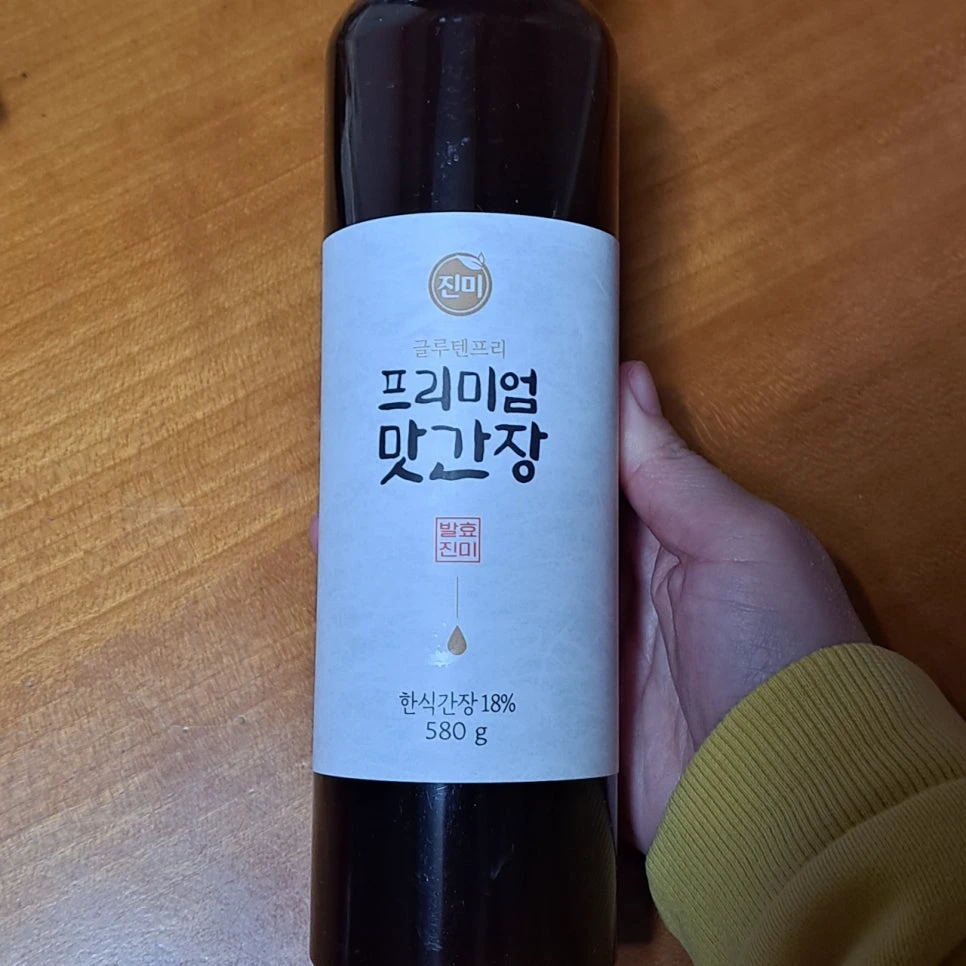
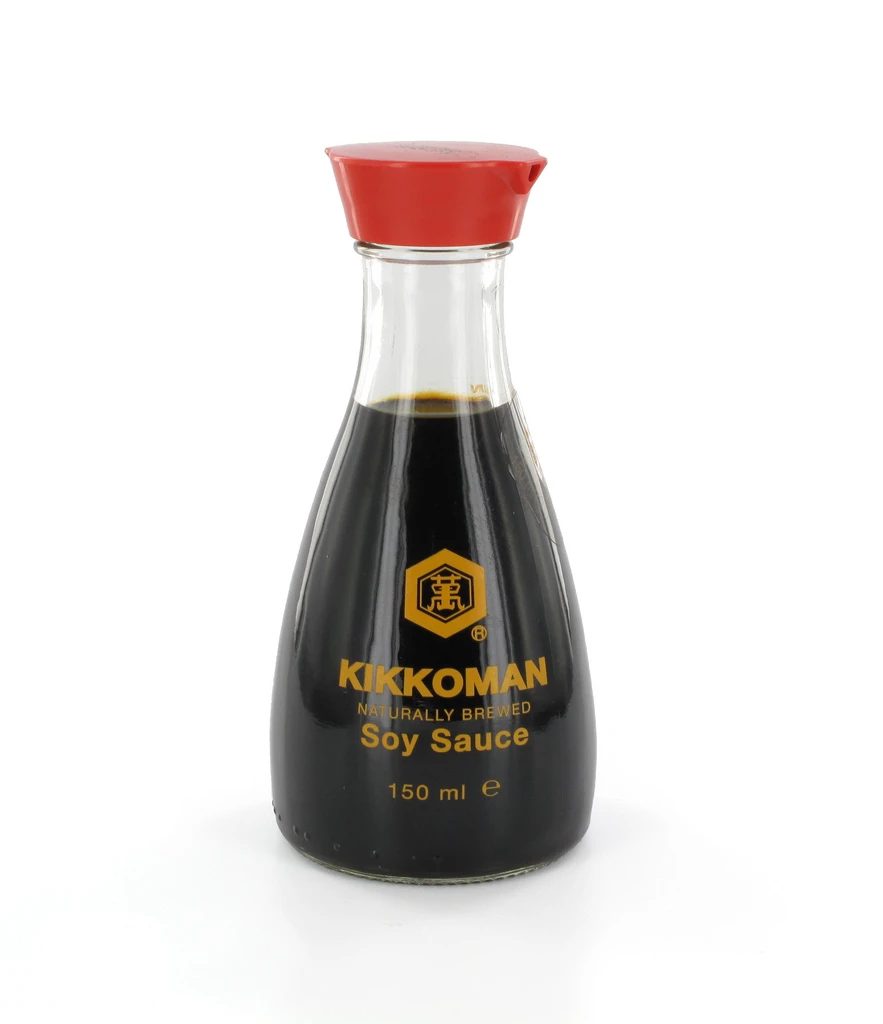
The first bottle is explicitly labeled 글루텐프리. The second represents a conventional wheat-containing product type. A product label answers more than the word “soy sauce.”
Gochujang, doenjang, and labels vary
Do not assume every gochujang contains gluten or every “rice gochujang” is safe. Commercial gochujang, doenjang, and ssamjang formulas vary and may include wheat, barley-derived ingredients, syrup, soy sauce, or other seasoning blends. Ask to see the tub or ingredient sheet when possible.
Useful Korean label terms include:
- 무글루텐 / 글루텐프리 — gluten-free
- 밀 함유 — contains wheat
- 보리 / 호밀 — barley / rye
- 엿기름 — malt, commonly barley malt
- 같은 제조시설에서 제조 — made in the same facility
MFDS lists wheat among Korea’s mandatory allergen declarations and describes a separate warning where allergen mixing is unavoidable in a shared manufacturing process. But wheat-free is not automatically gluten-free: barley and rye also contain gluten. Read the full ingredient and warning lines, not only the bold allergen box.
The main starch is not the whole dish
- Tteokbokki: rice cakes may be rice-based or include wheat; sauce can contain wheat-bearing gochujang or soy sauce, and fish cake often contains wheat.
- Japchae: dangmyeon is usually sweet-potato starch, but the seasoning normally includes soy sauce.
- Naengmyeon and “buckwheat” noodles: the menu name does not prove 100% buckwheat; wheat or other starches may be blended for texture.
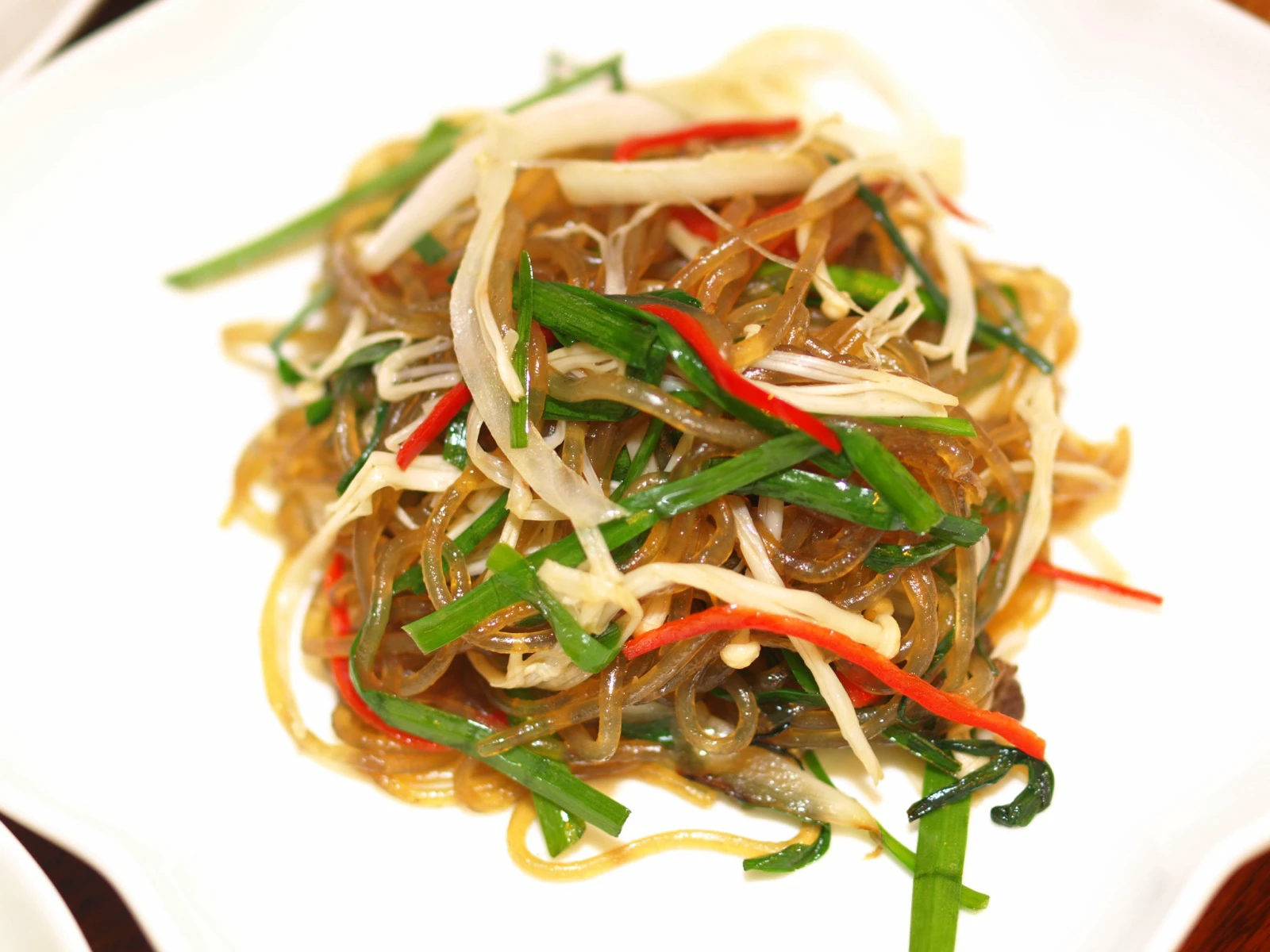
Japchae is the useful reminder: transparent noodles can look naturally safe while the sauce remains unresolved. Ramyeon, kalguksu, jjajangmyeon, and ordinary flour noodles should be treated as wheat-containing unless the restaurant identifies a verified substitute.
Fried food needs two answers
First ask what is in the batter or coating. Then ask about the fryer. The Celiac Disease Foundation’s gluten-source guidance identifies food fried in oil shared with breaded products as a cross-contact risk. Rice-flour batter does not make a dish celiac-safe if the same oil handles wheat batter. The same logic applies to a shared grill, knife, board, brush, or colander.
Better starting points—still requiring verification—include plain white rice not mixed with barley, unseasoned meat or fish cooked on a clean surface, plain vegetables without dressing or paste, a currently certified packaged item, and a restaurant able to identify sauce brands and cross-contact controls.
Be cautious with banchan. A small vegetable side may contain soy sauce, gochujang, fish cake, flour, or malt syrup. Hidden ingredients matter for other diets too; our guide to Korean foods that look vegetarian but often are not explains why stock and premixed seasoning deserve separate checks.
A Korean traveler’s 2026 planning post for two friends with celiac disease captures the gap between omitting visible sauce and finding a kitchen that understands celiac needs. A second 2026 community question shows how often travelers need ingredient-level answers. These are anecdotes, not restaurant certifications; official labels and your medical plan set the standard.
Four Korean questions to save
저는 셀리악병이 있어서 밀, 보리, 호밀을 먹을 수 없어요.
I have celiac disease, so I cannot eat wheat, barley, or rye.
간장, 고추장, 된장, 육수에도 밀이나 보리가 들어가지 않았나요?
Do the soy sauce, gochujang, doenjang, and stock contain no wheat or barley?
튀김옷과 튀김기름도 밀가루 음식과 따로 쓰나요?
Are the batter and frying oil kept separate from wheat-flour foods?
원재료표나 알레르기 표시를 볼 수 있을까요?
Could I see the ingredient list or allergen information?
If staff cannot verify a sauce, stock, or shared fryer, do not ask them to guess. For strict medical avoidance, choose another dish or restaurant and keep sealed backup food available.
Sources and asset credits
- Tteokbokki photo — wizdata via Wikimedia Commons, CC0; source for the cover crop
- Gluten-free Korean soy-sauce photo — 2024 Naver account by 까밀라; used with written operator permission
- Conventional soy-sauce photo — Creative Tools via Wikimedia Commons, licensed under CC BY 2.0
- Japchae photo — Alan Chan via Wikimedia Commons, licensed under CC BY-SA 2.0
- Cover image file — Delivery Spot crop of the credited tteokbokki image
- MFDS Food Labeling Standards, May 12, 2026 — Current Korean notice rechecked August 12, 2026
- Korea Gluten Free Certification Center — 20 mg/kg threshold and certification-system scope
- FDA gluten-free labeling Q&A — U.S. labeling context for wheat-containing soy sauce
- Kikkoman soy-sauce glossary — Product-type ingredient example, not a rule for every Korean soy sauce
- MFDS allergen-labeling overview — Korean packaged-food allergen declarations and shared-process warning
- Celiac Disease Foundation: sources of gluten — Shared-fryer cross-contact context
- Community planning post — Anecdotal 2026 travel-planning context only
- Community sensitivity question — Anecdotal 2026 traveler context only
Last updated


