
Do You Tip in South Korea? Restaurant Bills and Card Terminals
Tipping is not expected at ordinary South Korean restaurants. Pay the displayed total, distinguish optional prompts from disclosed fees, and recognize DCC on card terminals.
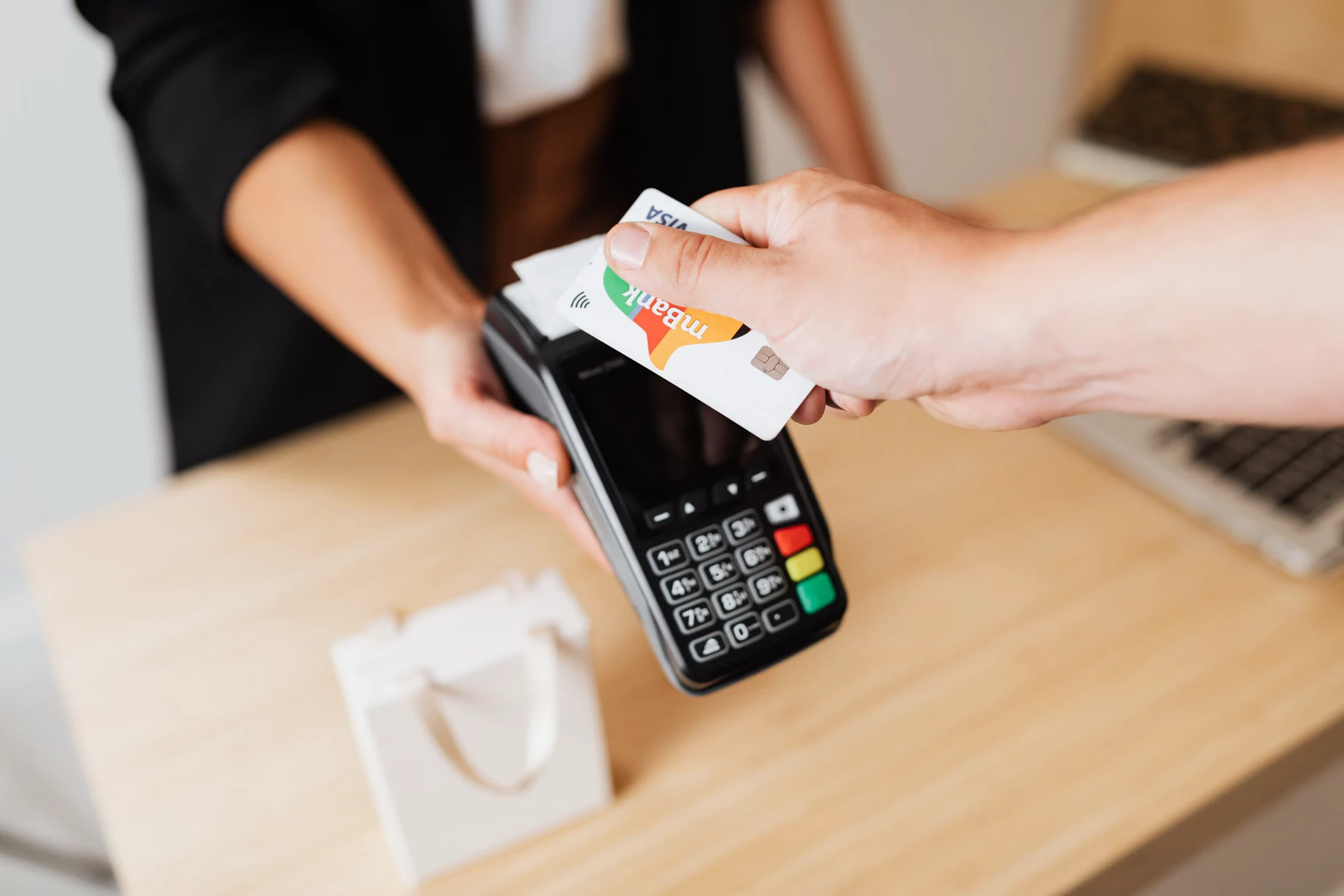
At an ordinary restaurant, cafe, or bar in South Korea, you do not need to calculate a tip. Check the total in Korean won, pay that amount, and finish the transaction. Korea Tourism Organization’s visitor guidance says there is no need to tip at Korean restaurants.
That simple rule does not mean every payment screen or booking looks the same. A tablet can show an optional gratuity field, a reservation can include a deposit, and a restaurant can disclose a table-setting or room charge. The useful question is not “Is tipping illegal?” It is “What amount did this business state, and is anything on this screen optional?”
The ordinary meal: pay the displayed total
There is no routine 10%, 15%, or 20% calculation after a normal meal. Paying the exact total is not a complaint about the service. It is the expected completion of the bill.
Payment may happen at the counter near the exit, at a kiosk, or on a portable reader brought to the table. The sequence varies by venue, so follow the staff’s cue. For seating, ordering, side dishes, and checkout together, see How Korean Restaurants Work.
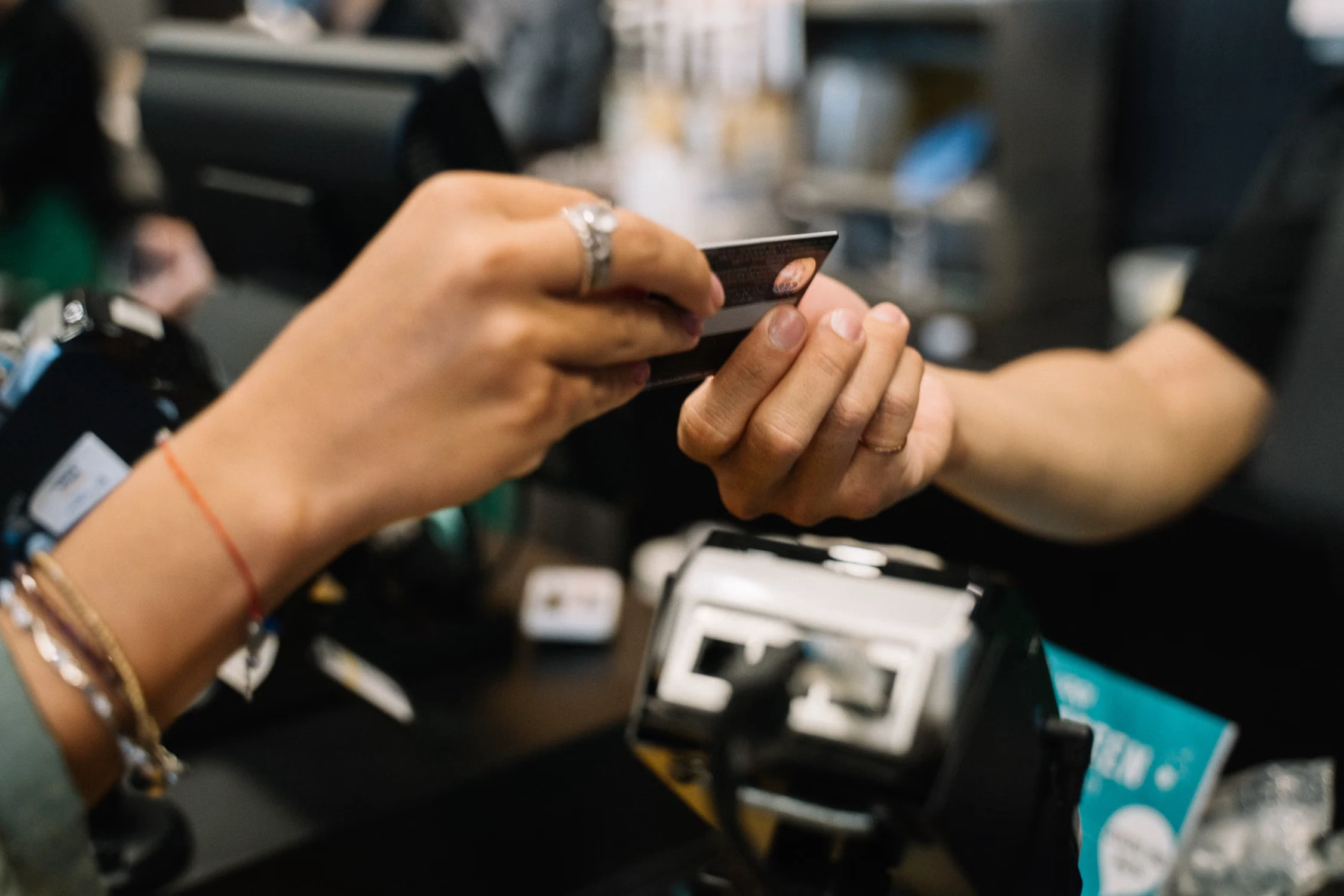
Cards are widely accepted, but not literally everywhere. Seoul Metropolitan Government says credit cards can be used in most stores, restaurants, hotels, and tourist sites; a small market stall or cash-only business can still be an exception. Its current payment overview is a useful baseline. Carrying a modest amount of won remains sensible.
Read the screen before assuming it is asking for a tip
On a normal staffed terminal, the amount may already have been entered before you tap or insert the card. Check the number and the KRW/₩ currency mark before approving. Do not rely on the colour or position of a button: terminal software, language, and layout differ.
If a genuine optional gratuity screen appears, choosing zero or skip is consistent with the ordinary Korean restaurant norm. There is no national set of Korean button labels that every terminal must use, so ask staff when the purpose of a prompt is unclear.
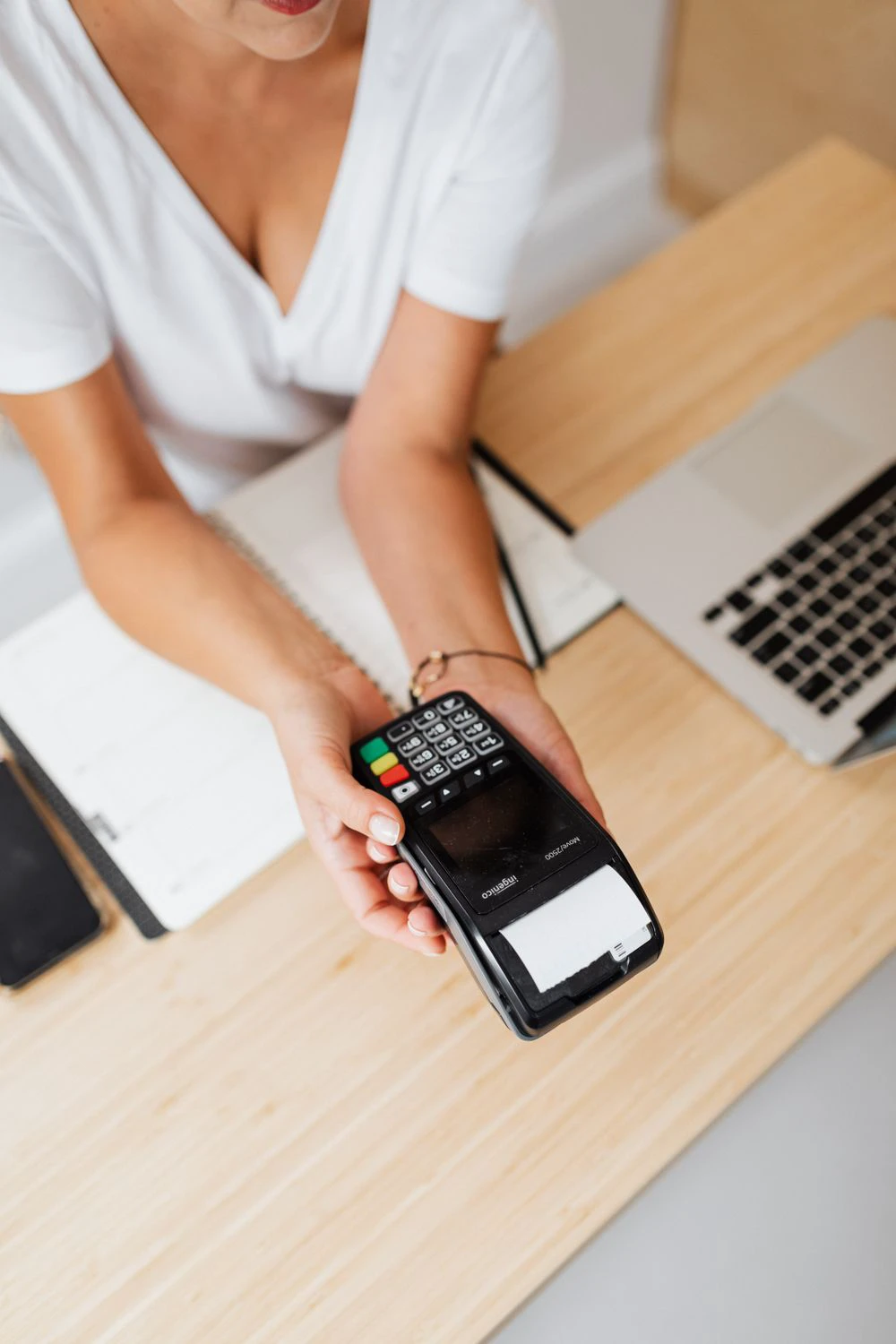
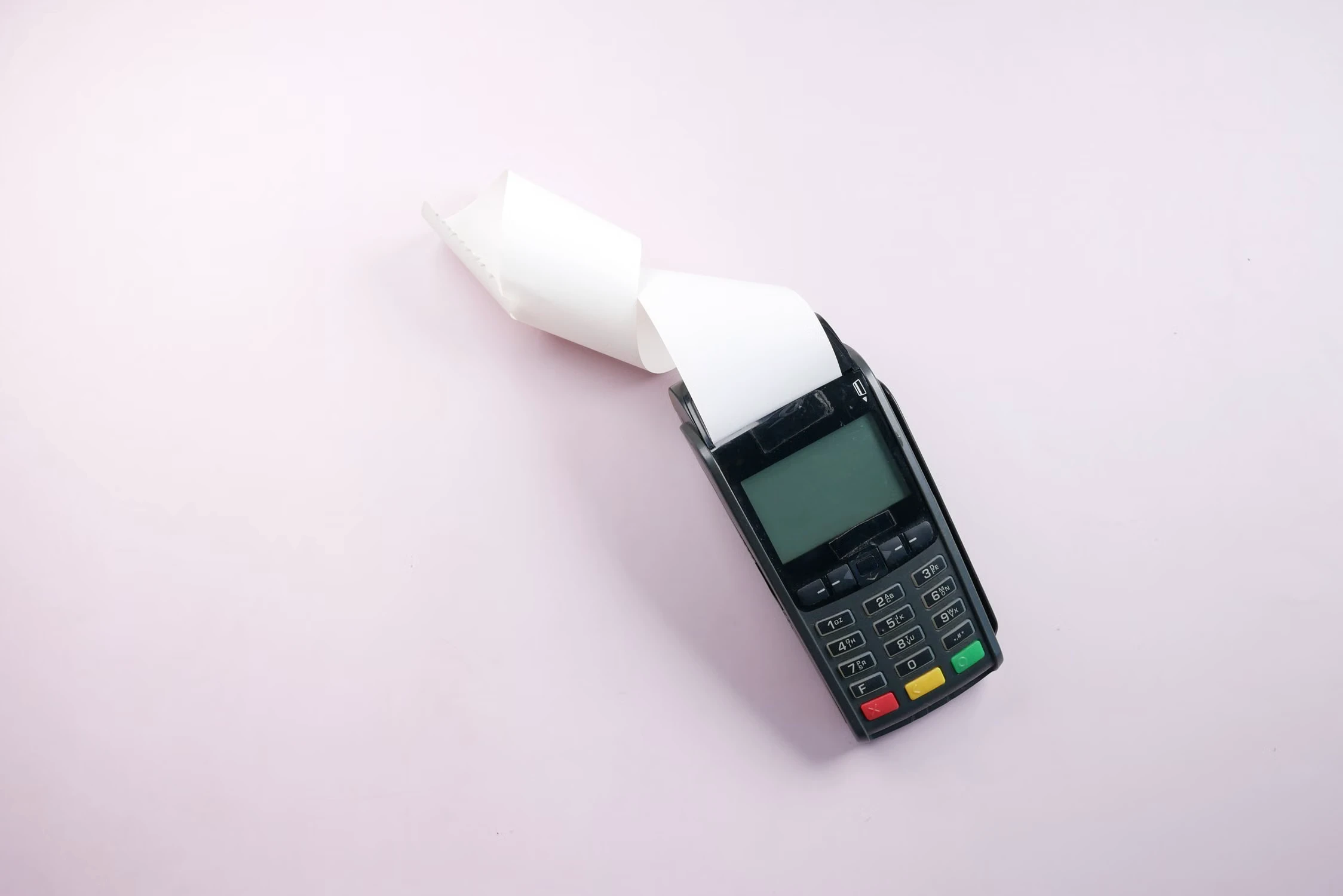
A screen offering your home currency is a different issue. That is usually dynamic currency conversion (DCC), not a tip. Visa explains that a DCC offer should show the amount in local and cardholder currencies, the exchange rate, and any added markup, and should let the cardholder accept or decline. Read Visa’s DCC explanation and compare the offer. Choosing KRW means declining the merchant’s conversion; your card issuer or network will then handle any currency conversion under your card terms.
A disclosed charge is not the same as a voluntary tip
Look for what the menu, booking page, or receipt actually calls the amount:
- 총액 means the total due.
- 봉사료 means a service charge. If it was disclosed as part of the price or booking terms, it is a bill item, not an invitation to add another percentage.
- 상차림비 means a table-setting charge. It occurs in specific formats—for example, some market restaurants charge for the table, grill, dishes, and accompaniments after you buy meat or fish separately. VISITKOREA’s current explanation of sangcharim, or sides for meat orders, shows why this is a venue charge rather than a tip.
- A reservation deposit, private-room fee, corkage fee, or cancellation charge is governed by the stated booking terms.
Korea Tourism Organization’s Muslim-friendly restaurant guide also describes tipping as not customary and restaurant prices as including service charges. Treat that as general visitor guidance, then rely on the exact menu and booking terms for the venue in front of you.
Before approving an unfamiliar amount, ask:
- 이 금액이 총액인가요? (I geumaegi chongaegingayo?) — Is this the total?
- 봉사료가 포함되어 있나요? (Bongsaryoga pohamdoeeo innayo?) — Is the service charge included?
- 이건 선택 사항인가요? (Igeon seontaek sahangingayo?) — Is this optional?
Exceptions do not create a new nationwide rule
A foreign-oriented bar may put out a tip jar. A private guide or premium transfer may mention gratuity in its booking information. A hotel package or private dining room may list a service charge. Read each as a venue- or contract-specific case.
If a jar is clearly voluntary, you may leave it alone. If a fee is in the written price, assess it before booking. If a worker politely refuses cash offered after unusual help, accept the refusal rather than insisting.
The question recurs in traveler communities, including this r/koreatravel tipping discussion. It is useful evidence of what confuses visitors, not authority for a national payment rule. Current official visitor guidance and the venue’s written price are the stronger basis.
A 20-second checkout check
Before tapping your card:
- Match the terminal amount to the bill or order screen.
- Confirm the currency is KRW unless you deliberately choose a disclosed DCC offer.
- Separate a stated service, table, room, or booking charge from an optional gratuity prompt.
- Ask whether an unfamiliar line is included, additional, or optional.
- Keep the receipt until the card alert or statement shows the expected amount.
For an ordinary meal, the confident choice remains the easy one: say 감사합니다 (gamsahamnida), pay the displayed total, and leave without doing tip arithmetic.
Facts and links checked on August 12, 2026. Payment interfaces and venue-specific charges can change; confirm the live screen and written terms before approving.
Sources and image credits
- VISITKOREA: About Korean Food — Official visitor guidance that Korean restaurants do not require a tip.
- Seoul Metropolitan Government: Currency Exchange and Payment Methods — Current official overview of card acceptance and Korean won.
- Visa: Decoding Dynamic Currency Conversion — Currency-choice disclosures and the right to accept or decline DCC.
- VISITKOREA: Sides for Meat Orders — Current example of a disclosed table-setting charge.
- Korea Tourism Organization: Muslim-Friendly Restaurants — General tipping and service-charge guidance for visitors.
- r/koreatravel: Tipping culture discussion — Community context showing recurring traveler confusion; not used as regulatory authority.
- Cover image asset — Published cover asset.
- Cover photo source: Karolina Grabowska / Pexels — Cashless card transaction image credit.
- Checkout image asset — Published body asset.
- Checkout photo source: Anna Tarazevich / Pexels — Bank card handoff image credit.
- Portable-terminal image asset — Published slider asset.
- Portable-terminal photo source: Karolina Grabowska / Pexels — Portable reader image credit.
- Receipt-terminal image asset — Published slider asset.
- Receipt-terminal photo source: Towfiqu barbhuiya / Pexels — Printed receipt image credit.
Last updated


