
Why Korean Sunscreens Are So Popular—and How to Choose One
Korean sunscreens often win on daily wearability. Choose the bottle by use case, UVA label, water resistance, regional formula, and an amount you will use.

Korean sunscreens became daily favourites because many of them remove the reason people skip sunscreen: they spread like a light moisturiser, settle quickly, and sit comfortably under makeup. That is a real advantage only if the exact bottle also matches the day. A silky commuter formula is not automatically the right sunscreen for a sweaty hike, swimming, or hours at the beach.
Choose in this order: use case, protection labels, water-resistance claim, regional formula, then finish. “Korean,” “SPF 50+,” and “PA++++” are not substitutes for reading the rest of the package.
Why the texture matters—and what it does not prove
Sunscreen ratings are tested at a specified amount. A fluid, gel-cream, or essence that leaves little visible cast and layers without pilling can make applying an even layer every morning much easier. KOTRA’s published 2025 sunscreen-market briefing similarly points to international recognition of Korean products for lightweight textures and skincare-oriented formulas.
Wearability helps consistency; it is not a separate protection rating. Country of origin alone does not tell you the UVA result, whether the product was tested after water immersion, how it behaves around your eyes, or whether the same formula is sold in every market.
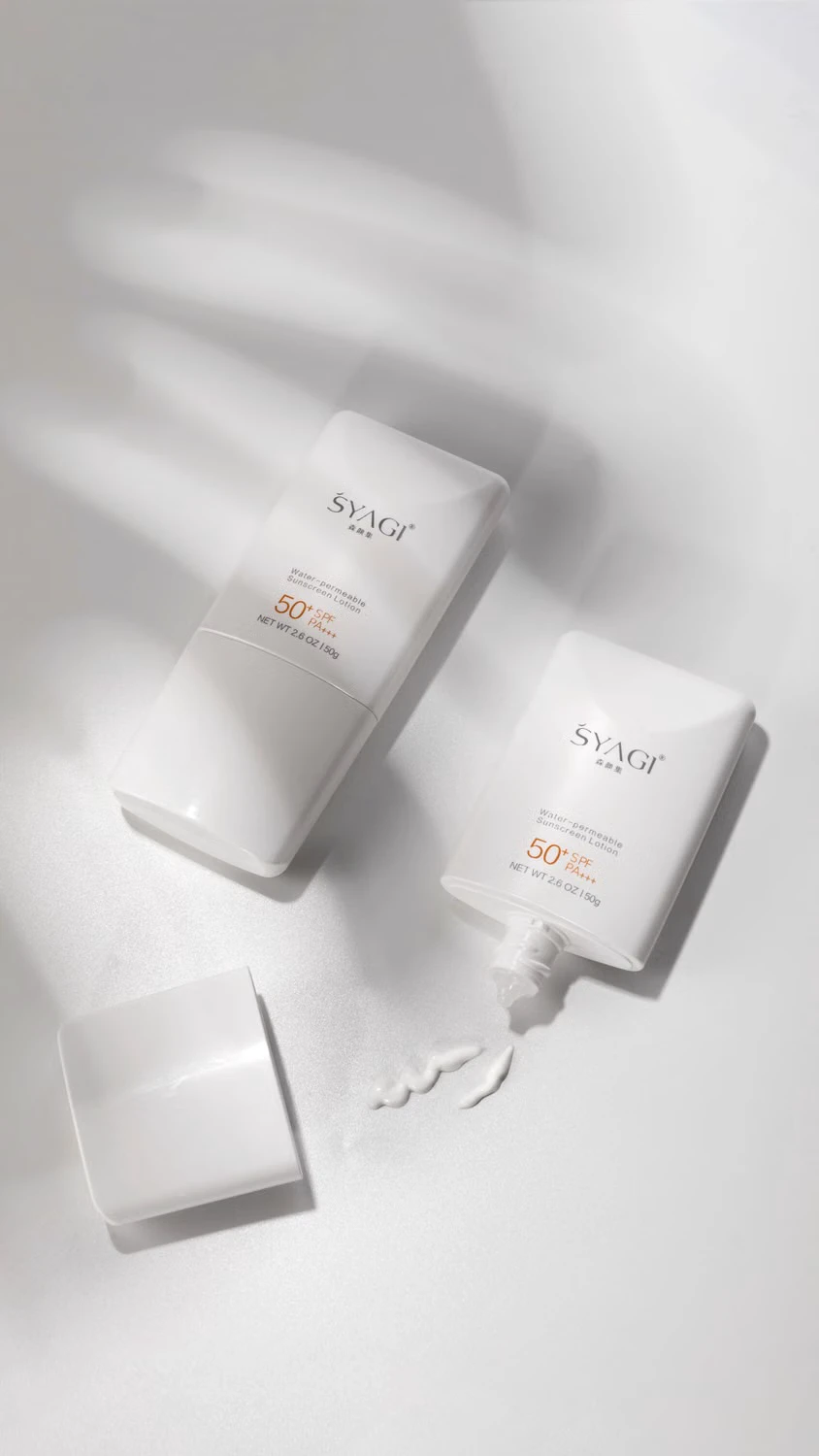
The bottles shown here are illustrative, not recommendations. Check the label on the version you can actually buy.
SPF, PA, Broad Spectrum, and the EU recommendation are different evidence
Read each system on its own terms rather than converting one logo into another.
- Korean SPF: indicates tested protection against the sunburn response, which is driven mainly by UVB. SPF does not describe texture or water resistance.
- Korean PA: grades tested UVA protection using PFA. Korea’s current measurement standard defines PA+ as PFA 2 to under 4, PA++ as 4 to under 8, PA+++ as 8 to under 16, and PA++++ as 16 or more. PA++++ does not reveal the exact number above 16.
- Korean water-resistance wording: is a separate test and label. Look for the exact Korean or translated water-resistance claim; SPF 50+ and PA++++ alone do not imply it.
- U.S. Broad Spectrum: means the product passed the FDA test with a critical wavelength of at least 370 nm. The FDA test guidance does not turn Broad Spectrum into a PA grade or numerical UVA-PF.
- U.S. Water Resistant (40 or 80 minutes): states the tested duration under the U.S. procedure. The FDA does not allow “waterproof” sunscreen claims.
- European Commission recommendation: recommends UVA-PF of at least one-third of the labelled SPF and a critical wavelength of at least 370 nm. The recommendation is not a direct conversion table for Korean PA or the U.S. Broad Spectrum test.
These systems can all provide useful consumer information. They simply do not prove identical test outcomes.
Match the bottle to the day
For ordinary commuting, office days, and short errands, start with SPF 30 or higher, a clear UVA claim for that market, and a texture you can apply in a full, even layer. The American Academy of Dermatology advises choosing SPF 30 or higher, broad-spectrum protection, and water resistance; its page was last updated August 15, 2025.
For running, hiking, long humid days, swimming, or the beach, require an explicit water-resistance claim on that exact package. Then follow its reapplication directions. Add shade, a hat, sunglasses, and covering clothing rather than asking one cosmetic to carry the entire plan.
If sunscreen often stings your eyes or irritates your skin, test the complete formula on a small area. UV filters are only part of the formula: fragrance, alcohol, film formers, preservatives, and the base can change how it feels. Stop using a product that causes a reaction and seek medical advice if symptoms are significant or persist.
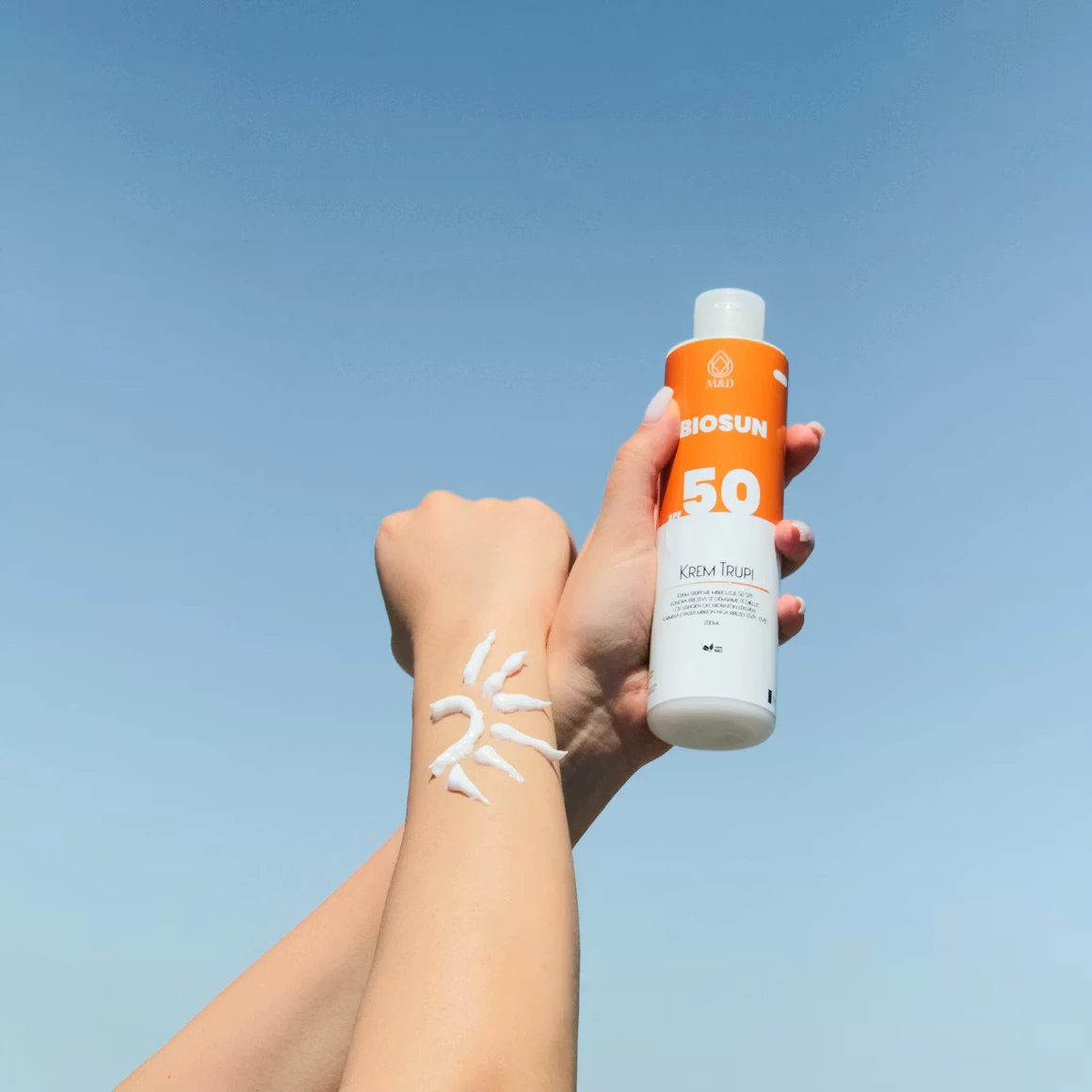

The first question is whether you will apply enough. The second is whether the formula has been tested for the sweat or water in your plan. SPF by itself answers neither.
Check the regional version, not an old filter meme
Korea regulates sunscreens as functional cosmetics and permits UV filters through its own ingredient list and concentration limits. The Korean Ministry of Food and Drug Safety overview explains that functional-cosmetics review or reporting includes SPF, water-resistant SPF, and PA data.
The United States regulates sunscreen as an over-the-counter drug. Its active-ingredient panel and package directions therefore follow a different framework; the FDA consumer guide also tells shoppers who buy sunscreen abroad to read the label for differences.
Claims that the United States has “no newer filters” are now outdated. On June 9, 2026, the FDA added bemotrizinol to the U.S. OTC sunscreen monograph, the first new permitted active since the late 1990s. The FDA announcement says the final order permits it at concentrations up to 6%; the manufacturer decides when compliant products reach retail shelves.
That change does not make Korean and U.S. products identical. A familiar brand name may still refer to different active ingredients, claims, or directions in different countries. Read the Drug Facts panel on a U.S. bottle; on a Korean bottle, read the Korean SPF, PA, water-resistance wording, directions, and full ingredient list. A viral review of one regional version is not proof about another.
The amount and price must work together
If an elegant but expensive tube makes you ration every drop, the laboratory rating cannot compensate for the thin layer. Current AAD guidance says most adults need at least about one ounce for exposed body skin and at least one teaspoon for the face. It advises applying about 15 minutes before going outdoors, reapplying every two hours, and reapplying immediately after swimming or sweating. Follow the product label when it gives more specific timing.
Use this five-step buying check:
- Name the day: routine indoor-and-commute wear, or sustained sun, heat, sweat, and water?
- Read the protection system: SPF 30+, plus PA, Broad Spectrum, or another credible UVA claim used on that market’s package.
- Find the separate water-resistance claim when the activity needs it.
- Confirm the regional formula: active ingredients, fragrance, finish, directions, and seller—not only the product name.
- Choose a texture, size, and price you will apply generously, then patch test.
For a first Korean skincare basket, keep sunscreen as the final morning skincare step and avoid buying several overlapping actives at once. The first Olive Young skincare shopping list explains how to keep the rest of the basket focused.
Korean sunscreen’s strongest selling point is not a flag or a filter buzzword. It is the chance to find a pleasant formula you will use consistently—after confirming that its tested labels suit the day ahead.
Standards and guidance checked August 12, 2026. Labels, regional formulas, and retail availability can change.
Sources and image credits
- Delivery Spot cover image — published sunscreen-application photograph credited to Mikhail Nilov on Pexels; reused under the operator’s August 9, 2026 rights confirmation.
- KOTRA — 2025 sunscreen-market briefing — published market context on lightweight, skincare-oriented Korean sunscreen formulas; URL availability rechecked August 12, 2026.
- Korean National Law Information Center — UV-protection measurement methods and standards — current Korean SPF, water-resistance, PFA, and PA test categories; rechecked August 12, 2026.
- FDA — sunscreen labelling and effectiveness test guidance — U.S. Broad Spectrum critical-wavelength and Water Resistant 40/80-minute requirements; rechecked August 12, 2026.
- European Commission Recommendation 2006/647/EC — recommended minimum UVA-PF ratio and critical wavelength; rechecked August 12, 2026.
- American Academy of Dermatology — How to apply sunscreen — selection, amount, application, and reapplication guidance; page updated August 15, 2025 and rechecked August 12, 2026.
- Korean National Law Information Center — permitted UV filters — Korean functional-cosmetics ingredient framework retained from the published guide; rechecked August 12, 2026.
- Korean Ministry of Food and Drug Safety — functional-cosmetics overview — current review/reporting framework and SPF, water-resistant SPF, and PA data requirements; rechecked August 12, 2026.
- FDA — Sunscreen: How to Help Protect Your Skin from the Sun — current consumer guidance on labels, water resistance, reapplication, foreign products, and bemotrizinol; rechecked August 12, 2026.
- FDA — Expands Sunscreen Options for the First Time in 20 Years — June 9, 2026 final bemotrizinol action and retail-availability qualifier; rechecked August 12, 2026.
- Delivery Spot SPF-and-PA product image — published product photograph credited to mearlywan on Pexels.
- Delivery Spot sunscreen-amount image — published photograph credited to Onela Ymeri on Unsplash.
- Delivery Spot beach-application image — published photograph credited to Mikhail Nilov on Pexels.
Last updated


