
Why Many Korean Homes Do Fine Without a Bathtub
Korean housing standards require a bathing facility, not a tub. Shower-first layouts, varied home sizes, and optional public soaking explain why many homes work without one.
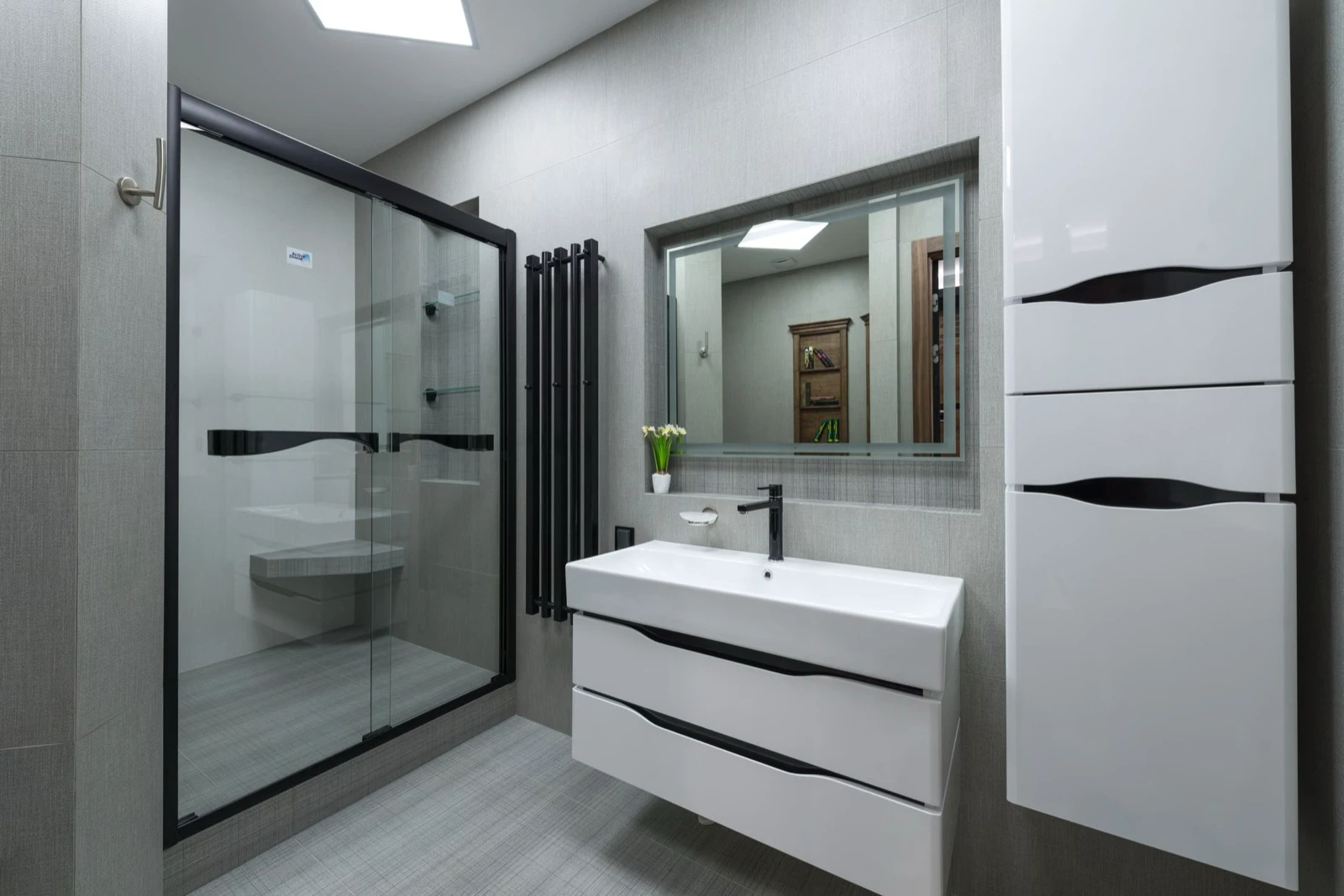
A bathtub-free Korean home often does not feel incomplete to its residents because daily washing and long soaking are treated as different jobs. A shower handles everyday hygiene in the private bathroom; a public bath or jjimjilbang can provide a deep soak when someone wants one. A tub is therefore useful, but not the default definition of a functioning bathroom.
That is a pattern, not a national rule. No current nationwide bathtub-rate dataset surfaced in the official sources checked for this guide, and plenty of family apartments, hotels, and renovated homes do have tubs. The practical answer depends more on the dwelling type, bathroom size, household, and renovation choices than on nationality alone.
A legal bathroom does not have to contain a tub
Korea’s current minimum housing standard requires a home to have water and drainage plus a private standing kitchen, flush toilet, and bathing facility. It even allows the bathing facility to share the toilet room. The rule does not require a built-in bathtub.
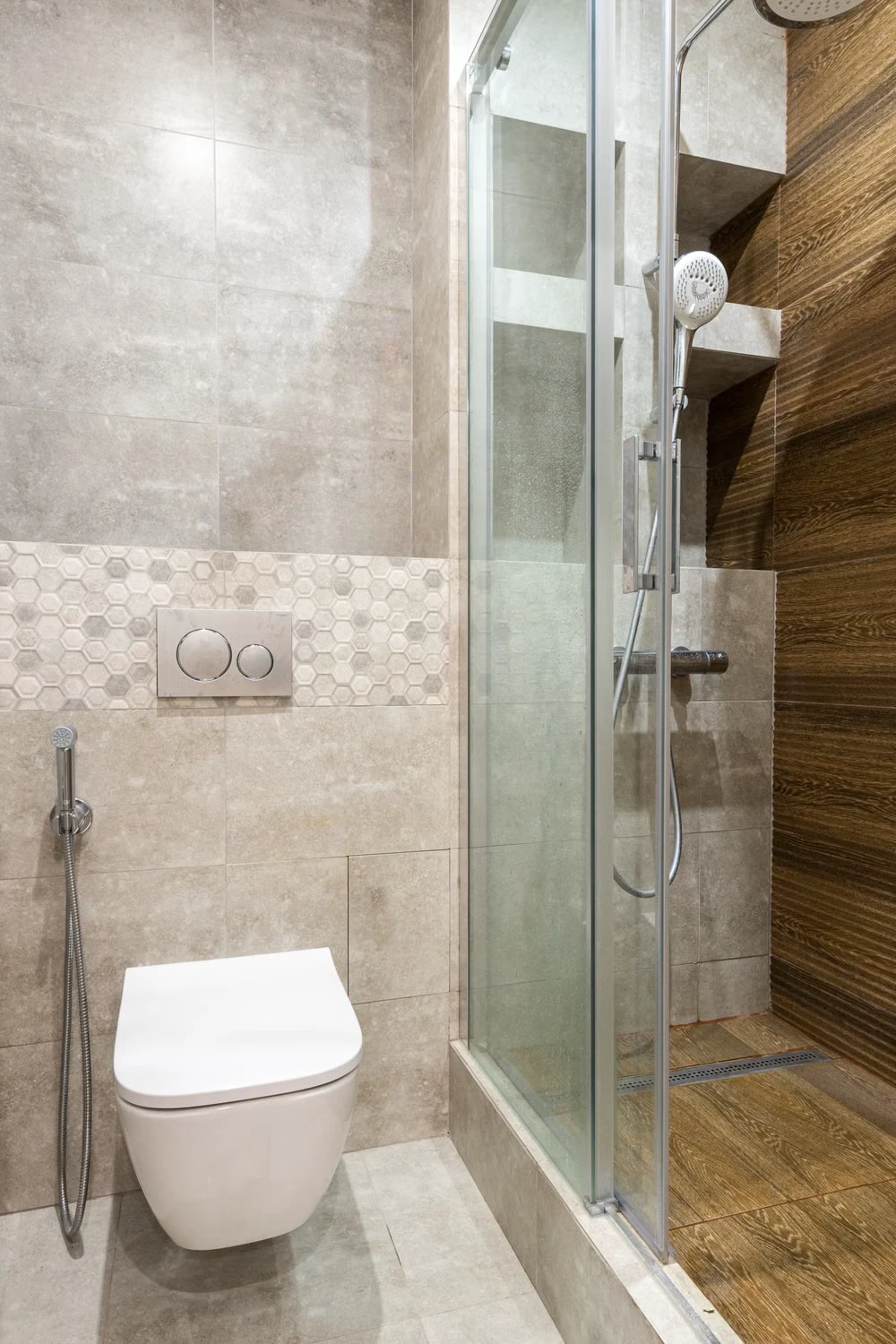
A tiled room with a shower head, floor drain, toilet, and sink can satisfy that bathing function without permanently giving floor area to a tub. In a compact one-room, villa unit, or older rental, the trade-off is easy to understand. Choosing a shower instead of a tub can create a wider standing area, easier cleaning access, or space for storage and a washing machine.
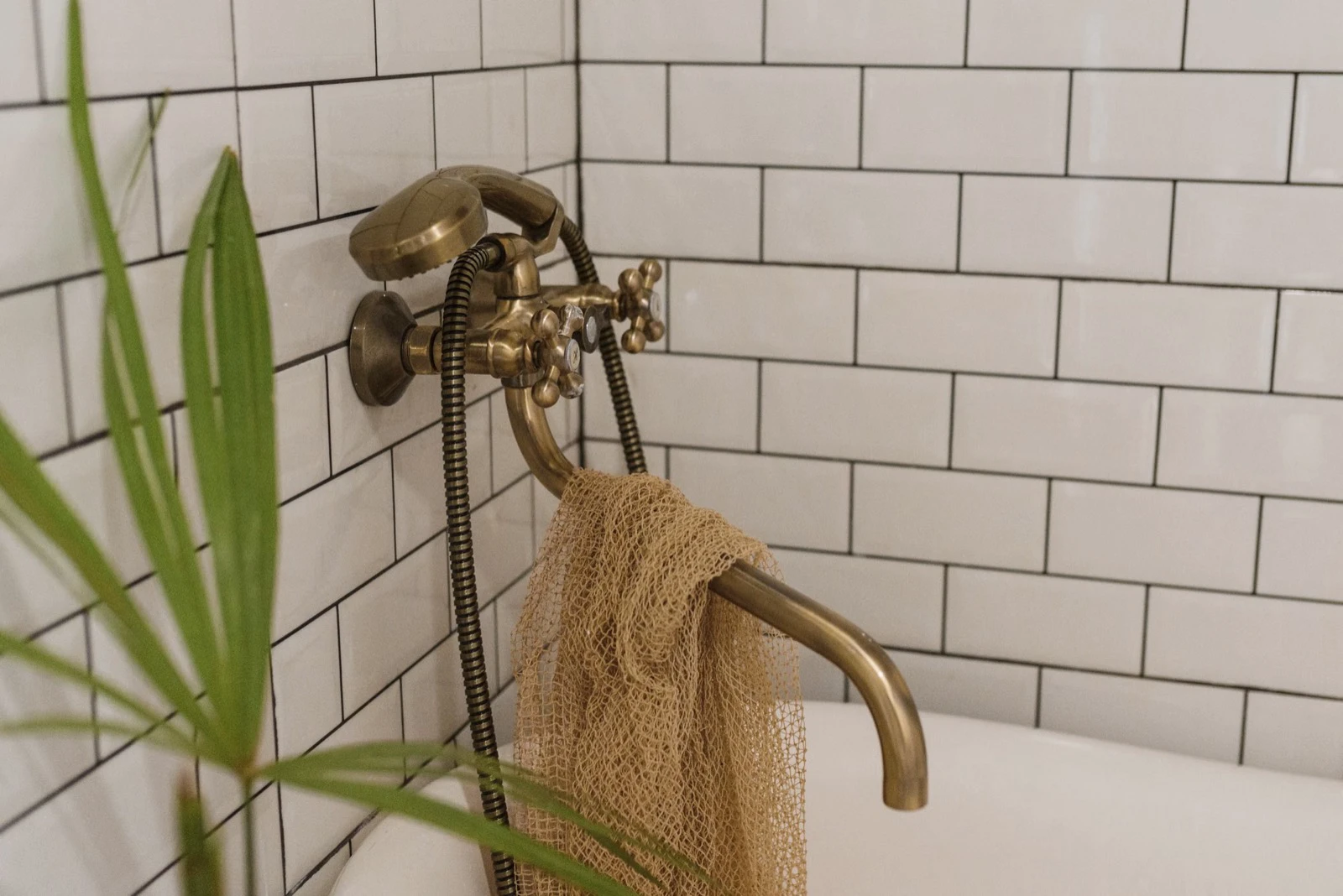
The two images below are illustrations rather than claims about one standard Korean floor plan. They show the basic design choice: reserve the footprint for a shower, or keep a fixture for soaking.
“Korean homes are small” is only part of the explanation
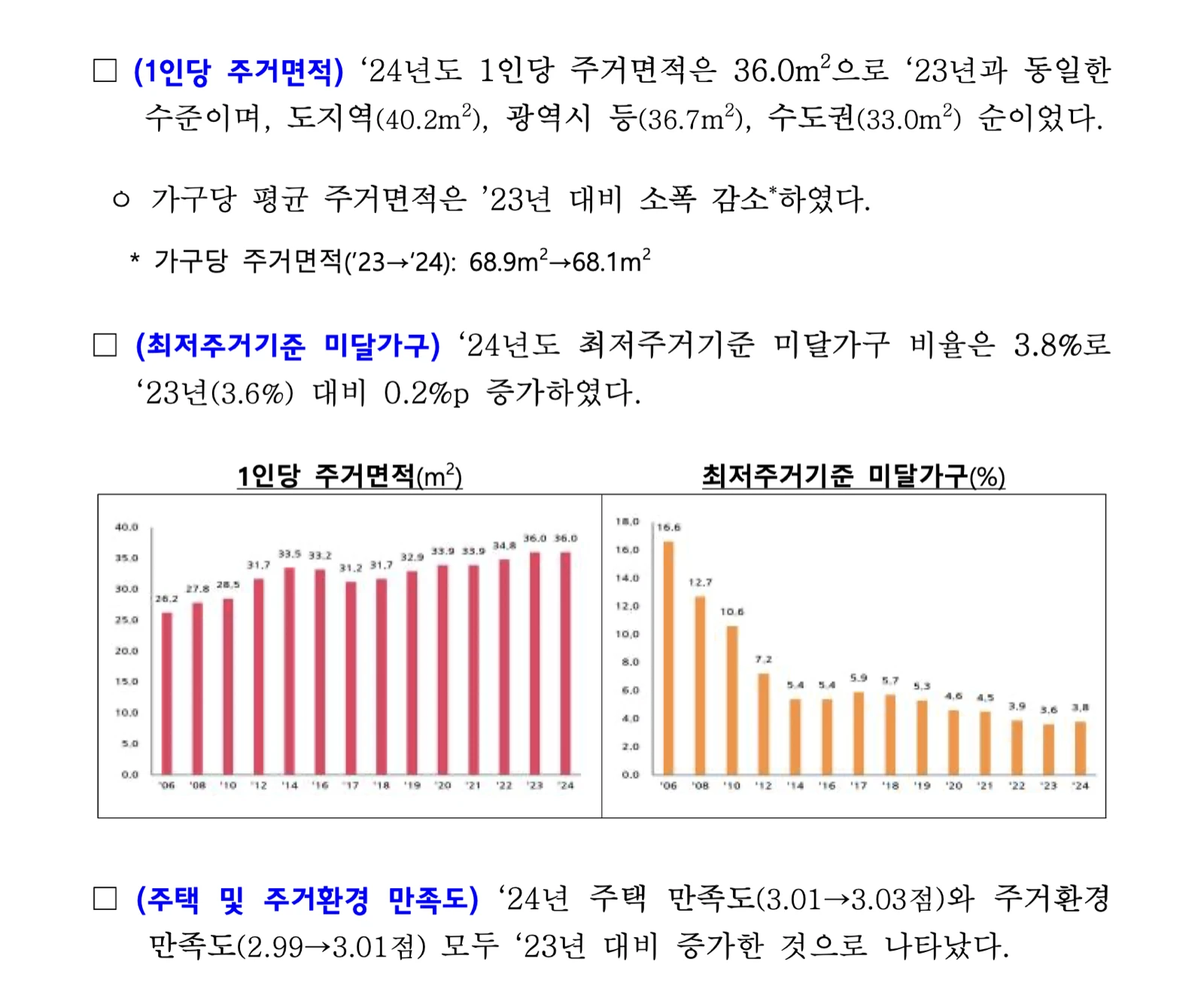
It is tempting to reduce the answer to size, but the latest official data is more nuanced. The Ministry of Land, Infrastructure and Transport’s 2024 Housing Survey, based on a sample of 61,000 households, reported 36.0 square meters per person and 68.1 square meters per household nationwide. Those averages do not describe a uniformly cramped country.
The pressure is stronger in particular parts of the market. The same survey found 31.1 square meters per person for young households, below the general-household figure. It also reported that 82.6% of young households rented and that 17.9% lived in accommodations classed outside housing when officetels were included. It is reasonable to infer that a fixed tub loses the space competition more often in small urban rentals than in larger family apartments. The survey does not count bathtubs, so it cannot prove a bathtub rate.
Household composition matters too. A family bathing small children may value a tub; an adult household may prefer a shower booth or an open wet-room floor. An older resident may favor a low-threshold shower rather than stepping over a high tub wall. Remodeling trends can therefore move in both directions even within the same apartment complex.
Daily showers and long soaking are different habits
A shower can be quick, works with the floor-drain layout, and does not require filling and cleaning a large vessel. That helps explain why someone can shower every day without missing a private tub. It does not mean Koreans never soak or that every shower is short.
A 2013 Reddit discussion captures the variation better than a stereotype. One commenter described small homes without tubs and floor-drain bathrooms; another replied that almost every modern home they knew had at least one tub. Neither anecdote is a survey. Their disagreement is the useful point: age, price, location, and household type change what “normal” looks like.
For a guest, the considerate question is not “How long do Koreans shower?” but “Does anyone else need this combined bathroom, and who pays for the hot water?” In a private studio, you are not queueing behind housemates; in a homestay or shared apartment, a long shower can block the toilet and sink as well as consume hot water.
Public bathing keeps a soak available outside the home
For people who use them, Korea’s bathhouses can make a private tub feel less necessary for an occasional soak. They are not a one-for-one substitute for a home bathroom. A neighborhood mogyoktang centers on gender-separated washing, hot and cold pools, and saunas. A jjimjilbang adds clothed, mixed-gender heated rooms and often lounges, food, or other facilities after the bathing area.
The Korea Tourism Organization’s current jjimjilbang guide describes facilities with multiple baths, sauna rooms, lockers, rest areas, and snacks. A 2025 Living in Korea discussion likewise shows why some residents enjoy the long hot-soak ritual while others dislike communal nudity, noise, or hygiene uncertainties. These are optional leisure and wellness spaces, not evidence that every household uses them.
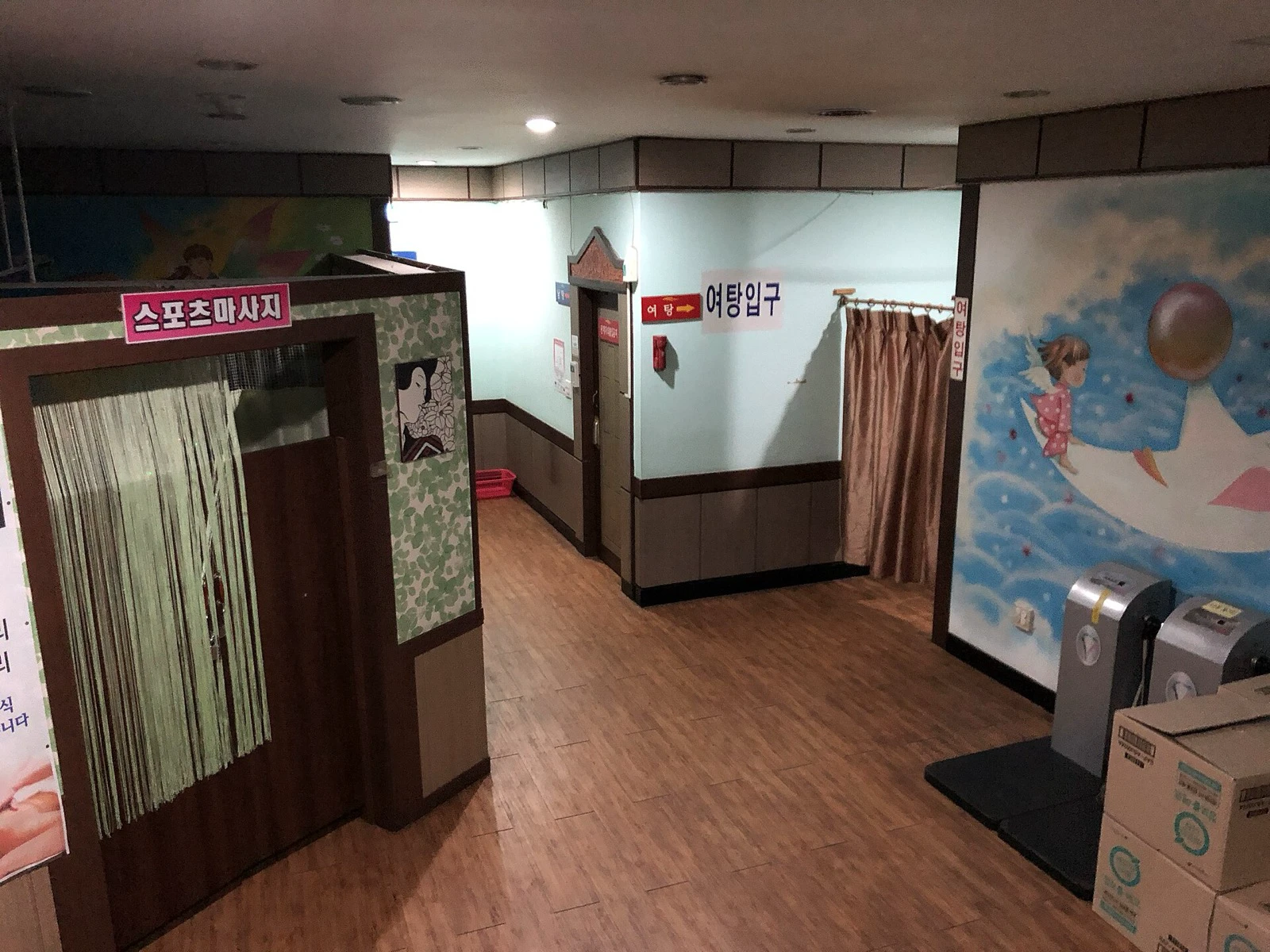
If you try one, shower before entering a shared pool, follow the posted washing and pool rules, and check the venue’s current tattoo, child, overnight, and admission policies. Facilities vary, and a Reddit comment about one sauna is not a rule for another.
What renters and travelers should check
Do not translate “private bathroom” or yoksil (욕실) as “room with a bathtub.” It means the unit has its own bathroom. If a tub matters, verify it before paying:
- Look for a visible yokjo (욕조, bathtub) in photos, not just a shower mixer that could serve either a tub or a floor shower.
- Ask whether the exact apartment or hotel room category has a tub. Building-level amenity lists are not enough.
- Check the floor drain, ventilation fan or window, silicone joints, and signs of persistent dampness. A tub-free wet room still needs good drainage and drying.
- In a rental, do not install or remove a tub without written owner approval. A portable tub can add substantial water weight and must not block the drain or overflow into the home.
- For children, limited mobility, or a strong soaking habit, treat the tub as a search filter rather than assuming one can be added later.
The short answer
Many residents are comfortable without a bathtub because a shower is the everyday necessity and a long soak is optional—sometimes available in another bathroom, a public bath, or a jjimjilbang. Compact urban layouts make that separation especially attractive. But Korea has no single tub-free floor plan: confirm the exact home instead of treating a cultural tendency as a housing guarantee.
Sources and image credits
- Korean minimum housing standard — Official requirement for a bathing facility, without a built-in-bathtub requirement.
- Ministry of Land, Infrastructure and Transport 2024 Housing Survey — 61,000-household sample, floor-area and young-household figures, and source of the cropped housing chart.
- 2013 r/korea shower discussion — Conflicting anecdotes used only to illustrate variation among homes and households.
- Korea Tourism Organization jjimjilbang guide — Current overview of baths, sauna rooms, lockers, rest spaces, and food facilities.
- 2025 Living in Korea bathhouse discussion — Anecdotal preferences and concerns, not household-use statistics.
- Pexels shower-only bathroom — Max Vakhtbovych image used for the cover under the Pexels license.
- Pexels shower-stall bathroom — Max Vakhtbovych image used in the comparison slider under the Pexels license.
- Pexels bathtub faucet — Arina Krasnikova image used in the comparison slider under the Pexels license.
- Wikimedia Commons jjimjilbang entrance — Choikwangmo9 image, CC0.
- Delivery Spot featured image file — Shower-only bathroom image used as the cover.
Last updated


