
Why K-Drama Adaptations Change Webtoon Endings
Webtoon-based K-dramas often change their endings because the source may still be running, a fixed episode order forces compression, live action changes what can be shown, and the adaptation needs a final statement of its own. Here is how to tell a purposeful rewrite from a weak one.
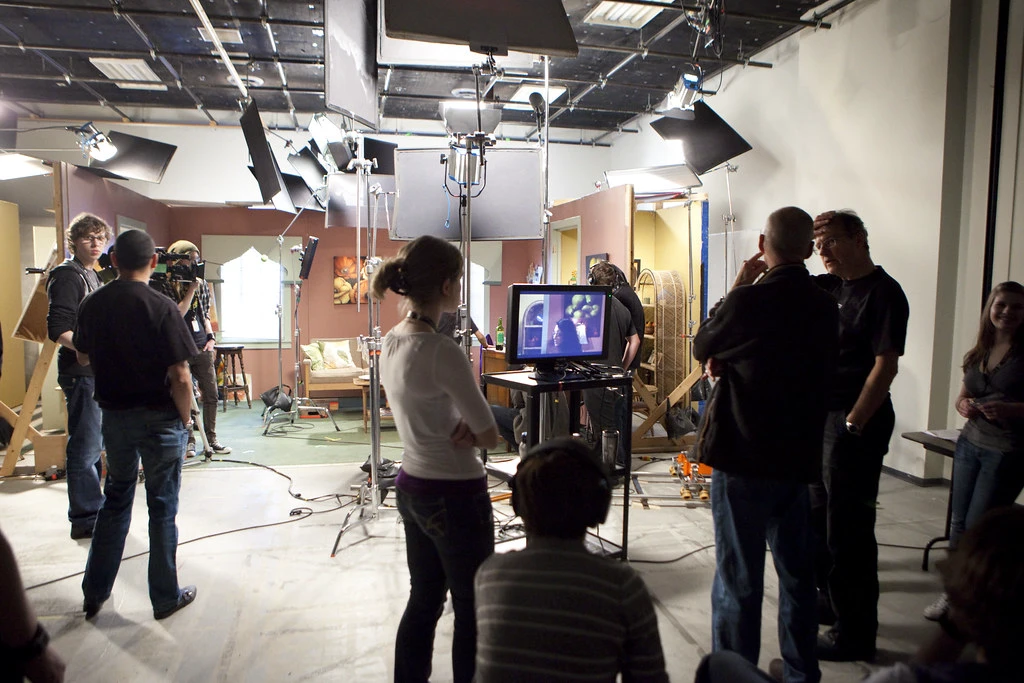
A webtoon-based K-drama can reproduce famous panels, keep the same character names, and still arrive at a completely different ending. The change can be coherent because a drama runs on a different production clock, fits a fixed episode order, and must resolve the particular version of the story its screenwriters chose to tell.
Ask what the drama needed its ending to do. Four pressures explain most differences: the source's publication stage, the amount of story that fits on screen, the rules of live-action expression, and the adaptation's chosen theme.
Sometimes the drama reaches the finish line first
The clearest reason is timing. Production cannot wait indefinitely for a weekly serial to finish. The adaptation team must lock scripts, casting, locations, and a shoot schedule while the source may still be adding characters and changing direction.
True Beauty is an easy example. The official Naver WEBTOON page now lists the series as complete at 261 episodes, with its last epilogue dated May 1, 2023. The official tvN page says the 16-episode drama ran from December 9, 2020 to February 4, 2021. In other words, the television story had to close more than two years before the webtoon finished publishing. The drama could preserve the premise and relationships, but it could not copy an ending that did not yet exist.
This is why “based on a webtoon” does not always mean “the complete webtoon on screen.” It may mean one arc, the available chapters at the script deadline, or a new route built from the same premise. If you want to compare versions fairly, check whether the source was finished when the drama was being written—not only whether it is finished today.
A fixed episode order turns expansion into selection
A long-running webtoon can pause for side stories, spend chapters inside a supporting character's viewpoint, and let a relationship change in small weekly steps. A drama normally has a predetermined number of episodes and must repeatedly move toward a finale. The adaptation process is therefore an act of selection: characters are combined, subplots disappear, motivations become more direct, and turning points move earlier.
Pyramid Game screenwriter Choi Soo-i described that process directly in an April 2024 XportsNews interview. She said the first adaptation question was what to keep and what to change. Because the series had ten episodes, some relationships had to be expressed more directly, supporting material had to be compressed, and a new outside helper was created to perform functions that could not be carried over exactly.
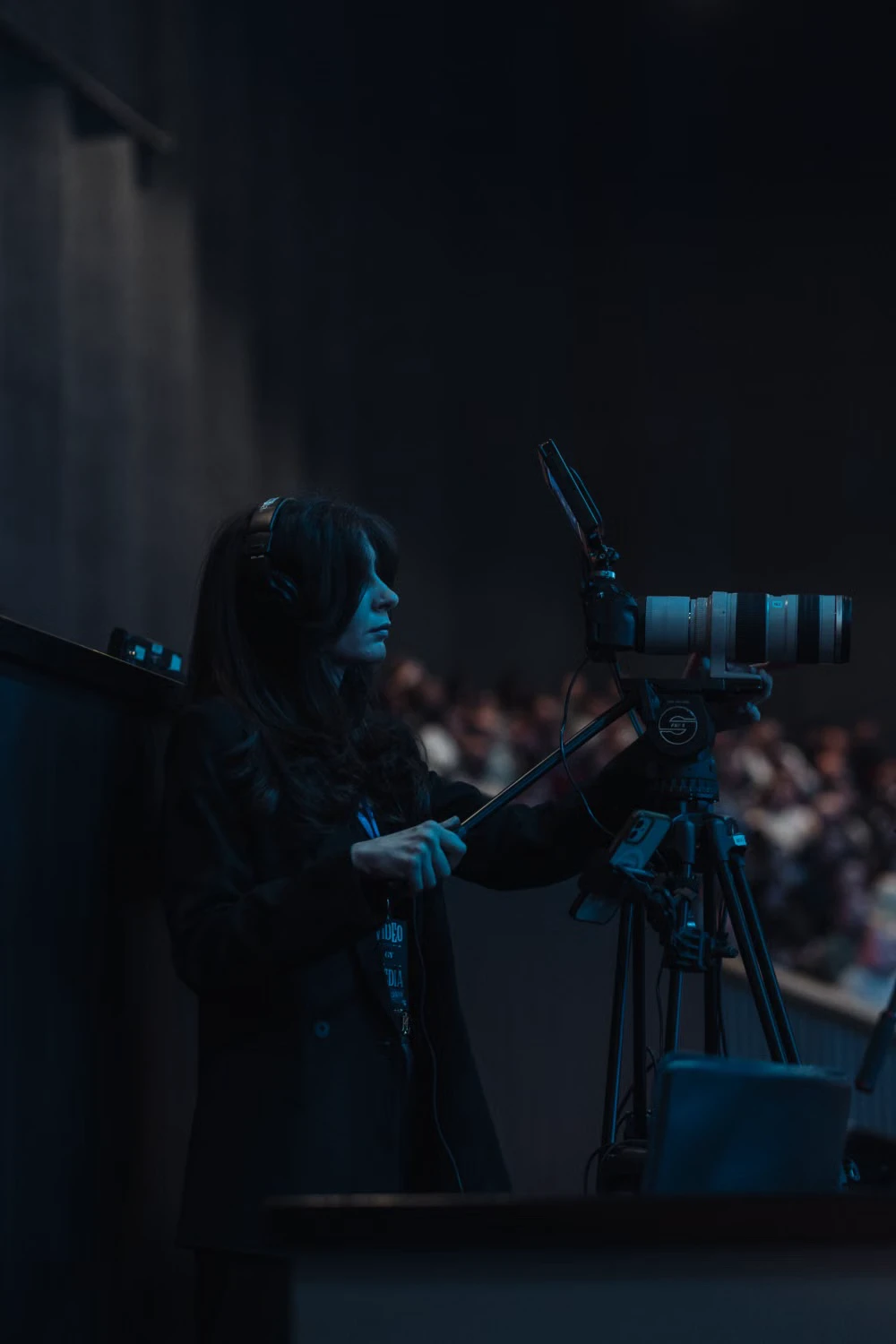
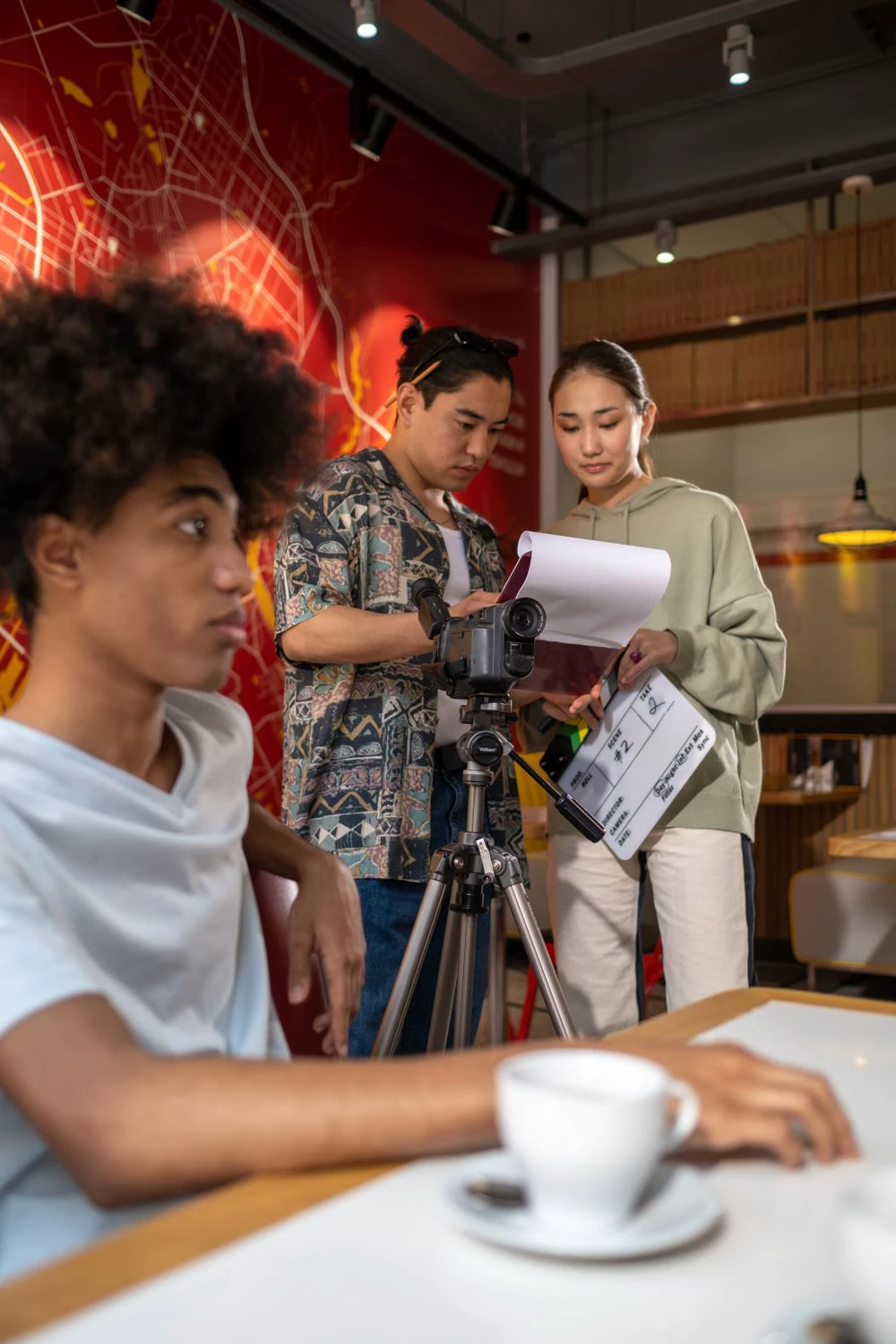
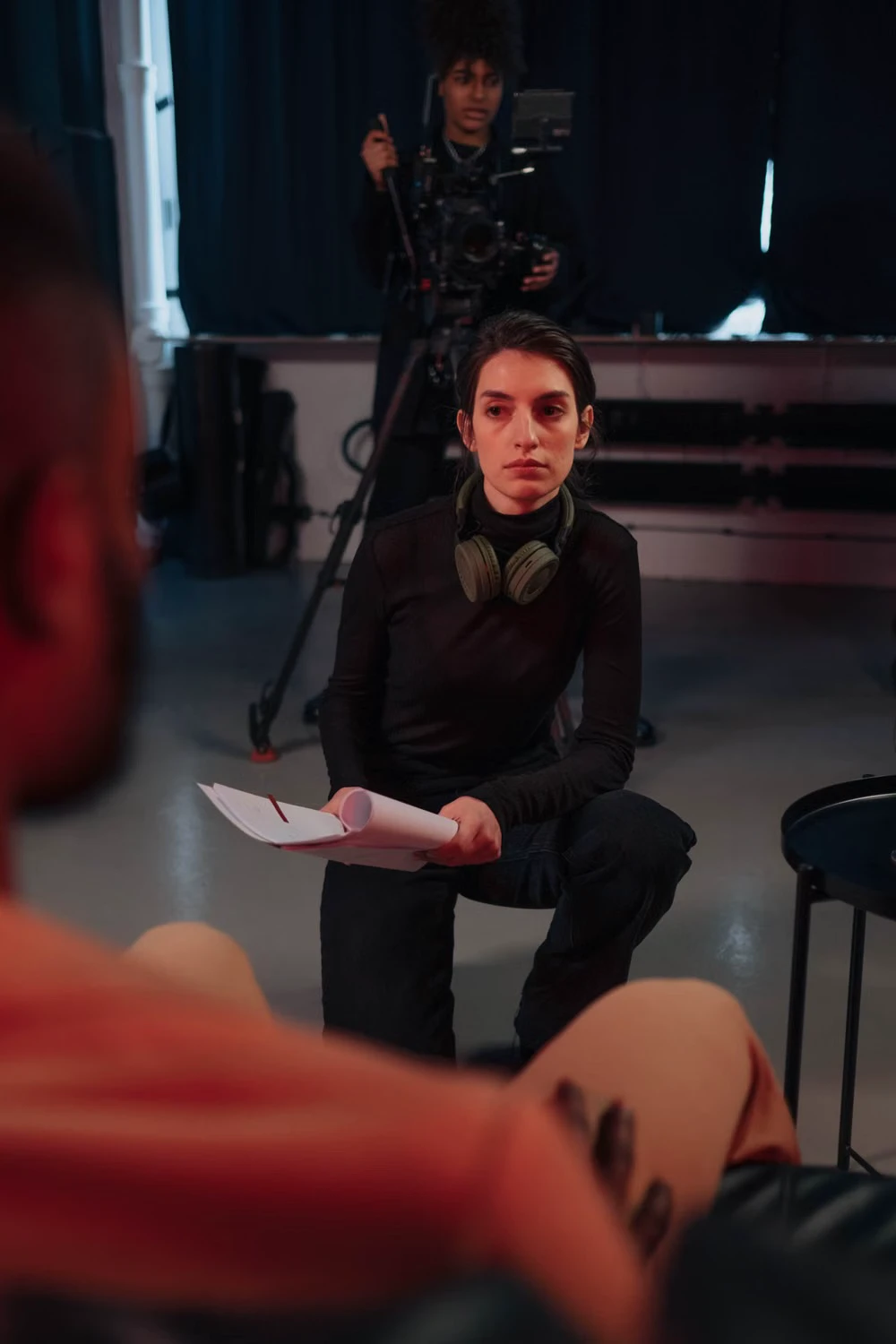
These production images show the practical cost behind adaptation. A script must become shots, performances, locations, sound, and a workable day on set. Every additional character or detour claims time in all of those departments. Compression that begins in the writers' room continues through shooting and editing.
That compression can change an ending even when the final couple or winner stays the same. If the drama removes the steps that made the webtoon ending feel earned, it needs new setup and payoff. Conversely, if the adaptation gives a supporting character more screen time, that character may need a new conclusion rather than simply vanishing before the credits.
A drawn panel and a filmed scene do not carry the same weight
Live action changes intensity. A stylized drawing can create distance from violence, sexuality, or humiliation; the same action performed by actors, with sound and close-ups, may feel much harsher. Broadcaster or platform standards, the intended audience rating, actor ages, and the ethics of showing vulnerable characters can all affect what reaches the screen.
Choi made this distinction explicit when discussing Pyramid Game: she said the acceptable level of expression differed between webtoon and video, particularly for teenage characters, so the adaptation needed clearer boundaries. This kind of change can alter not only individual scenes but the emotional logic of the finale. When an adaptation reduces or redirects a harmful relationship, for example, it may also reject the source's route to reconciliation or punishment.
The reverse can happen too. Film can use performance, music, parallel editing, and a held close-up to give a minor source moment much greater importance. A drama ending may be quieter than the webtoon yet feel more final because the camera has spent episodes teaching viewers what a look, room, or repeated gesture means.
The last episode states what this version believes
An ending is not only the last plot event; it is the adaptation's argument. The writers may preserve the source's central conflict but change what the resolution says about love, justice, violence, family, or responsibility.
For Pyramid Game, Choi said she focused on the message a school-violence story should leave when it puts down its final period. She deliberately avoided using an aggressor's past as an excuse for chosen harm. She also left several forms of violence unresolved to show that violence outside the classroom can return to it. That thematic choice explains why the drama's endpoint diverged from the webtoon more clearly than a vague claim about “creative freedom” would.
This is a useful way to read any changed ending:
- Identify which character became the drama's emotional center.
- Ask which conflict received the most setup during the final third.
- Notice what the adaptation added, removed, or repeated.
- Read the last consequence as a statement about that conflict.
If the ending completes those choices, the rewrite may be coherent even when it disappoints source readers. If it abandons the drama's own setup, the problem is not that it differs—it is that it does not pay off the version viewers actually watched.
Even the original creator may choose a different route
Creator involvement is not a guarantee of identical plotting. Sometimes the person who knows the source best sees live action as a chance to repair omissions or widen the world.
Kang Full wrote the screenplay for the Disney+ adaptation of his own webtoon Moving. In a Yonhap interview, he explained that the longer drama format let him dig deeper into character narratives, add characters, and combine several genres. He also said webtoon deadlines had sometimes prevented him from doing more in the original. In this case, the screen format gave the creator room to expand the material.
The ending may then change because the middle changed. New backstories create new obligations; a character added for television needs a destination; an expanded family relationship may become more important than the source's original final beat. Fidelity to the creator's intention and fidelity to the old sequence of events are not necessarily the same thing.
An open ending is not proof of another season
Streaming has made viewers alert to cliffhangers, but an unresolved image can be thematic rather than commercial. The Pyramid Game finale led some viewers to suspect a second season. Choi said in the same interview that the image was meant to show violence could recur, and that no season-two discussion had taken place.
Treat renewal theories as theories until the platform or production company announces them. An open ending can do at least three different jobs: preserve the story's theme, leave room for a possible continuation, or withhold closure on purpose. Those functions can overlap, but a final teaser alone does not confirm production.
Why fans still object—and when they have a point
Source readers have a legitimate stake in the ending. They may have followed a serial for years, and the conclusion changes how every earlier choice is remembered. A drama's marketing can also invite expectations by recreating iconic panels and emphasizing the original title.
A r/KDRAMA discussion about adaptation differences illustrates the split in audience response. Viewers described enjoying exact visual callbacks while disagreeing about erased characters, merged roles, partial adaptations, and changed endings. Some thought changes strengthened pacing or character development; others felt the new route weakened the source's payoff. Those comments are anecdotal, not production evidence, but they show that “accuracy” contains several separate expectations.
Use three tests instead of one:
- Structural test: Does the ending resolve the drama's main conflict and the arcs it spent time building?
- Thematic test: Does the outcome express the idea the adaptation emphasized?
- Source test: If it changes a defining promise of the webtoon, does the drama build a convincing replacement?
A changed ending can pass the first two tests and still upset readers on the third. That disagreement is real, but it is more precise than saying every deviation is bad. The most satisfying adaptations understand the source's function—why a moment matters—and then find a screen-native way to deliver that function.
When a webtoon drama ends differently, look backward before judging the final scene. Check the source timeline, episode order, characters the drama condensed or expanded, and the theme its last episodes kept repeating. The new ending usually began taking shape long before the credits.
If you are looking for legal viewing options after comparing adaptations, see our guide to finding Korean films with English subtitles in Korea.
Sources and image credits
- Naver WEBTOON: True Beauty — Official episode count, completion status, and final epilogue date.
- tvN: True Beauty — Official 16-episode television run from December 9, 2020 to February 4, 2021.
- XportsNews interview with Choi Soo-i — April 2024 comments on compression, live-action expression, theme, and the open ending of Pyramid Game.
- Yonhap interview with Kang Full — Creator comments on expanding characters and genres for the Moving adaptation.
- Reddit r/KDRAMA discussion — Anecdotal viewer responses to visual callbacks, merged roles, partial adaptations, and changed endings.
- Vancouver Film School via Wikimedia Commons — Featured film-production class image, CC BY-SA 4.0.
- BBSO via Pexels — Camera-operator image under the Pexels License.
- Ron Lach via Pexels — Location film-crew image under the Pexels License.
- Pexels — Set-videographer image under the Pexels License.
Last updated


