
Why Are K-Drama Episodes Often Over 70 Minutes?
The long K-drama episode grew from Korean television's advertising and scheduling model, then survived the move to streaming even as newer series experiment with shorter seasons and flexible runtimes.

A 70- or 80-minute K-drama episode can feel closer to a small film than a conventional television chapter. The length is not an ancient storytelling rule, and it is not shared by every Korean series. It grew from the economics and weekly grid of broadcast television, was stretched by competition among channels, and then carried into streaming because many productions still serve both television and online audiences. OTT platforms are now loosening that inheritance, but they have not erased it.
The simplest answer is this: Korean broadcasters built a profitable prime-time product around roughly 60 to 70 minutes of drama, usually shown twice a week, and writers learned to fill that container. Once viewers, production companies, advertisers, and distributors were organized around the format, it became a default even when the screen moved from a living-room TV to a phone.
The “episode” was first a broadcast slot
For a traditional prime-time miniseries, episode length was part of a larger package: two nights per week, a run of about two months, and a new drama ready to replace it in the same slot. The exact clock time and advertising around the program mattered as much as the story's natural stopping point. A 16-episode series with two broadcasts per week fit that system neatly.
The Korea Creative Content Agency's essay on OTT runtimes makes the business logic unusually explicit. It says Korean television dramas developed to hold viewers for a long period and maximize advertising, and connects the familiar 16-episode, twice-weekly, 60-to-70-minute pattern to the form in which ads could be sold most effectively. In other words, the length came from a revenue and programming model before it became a storytelling habit.
This does not mean that 70 minutes consists of advertising. International platforms normally show the program itself without Korea's surrounding commercial pods. It means the drama was commissioned, written, edited, and scheduled inside a television system that valued a long prime-time appointment.
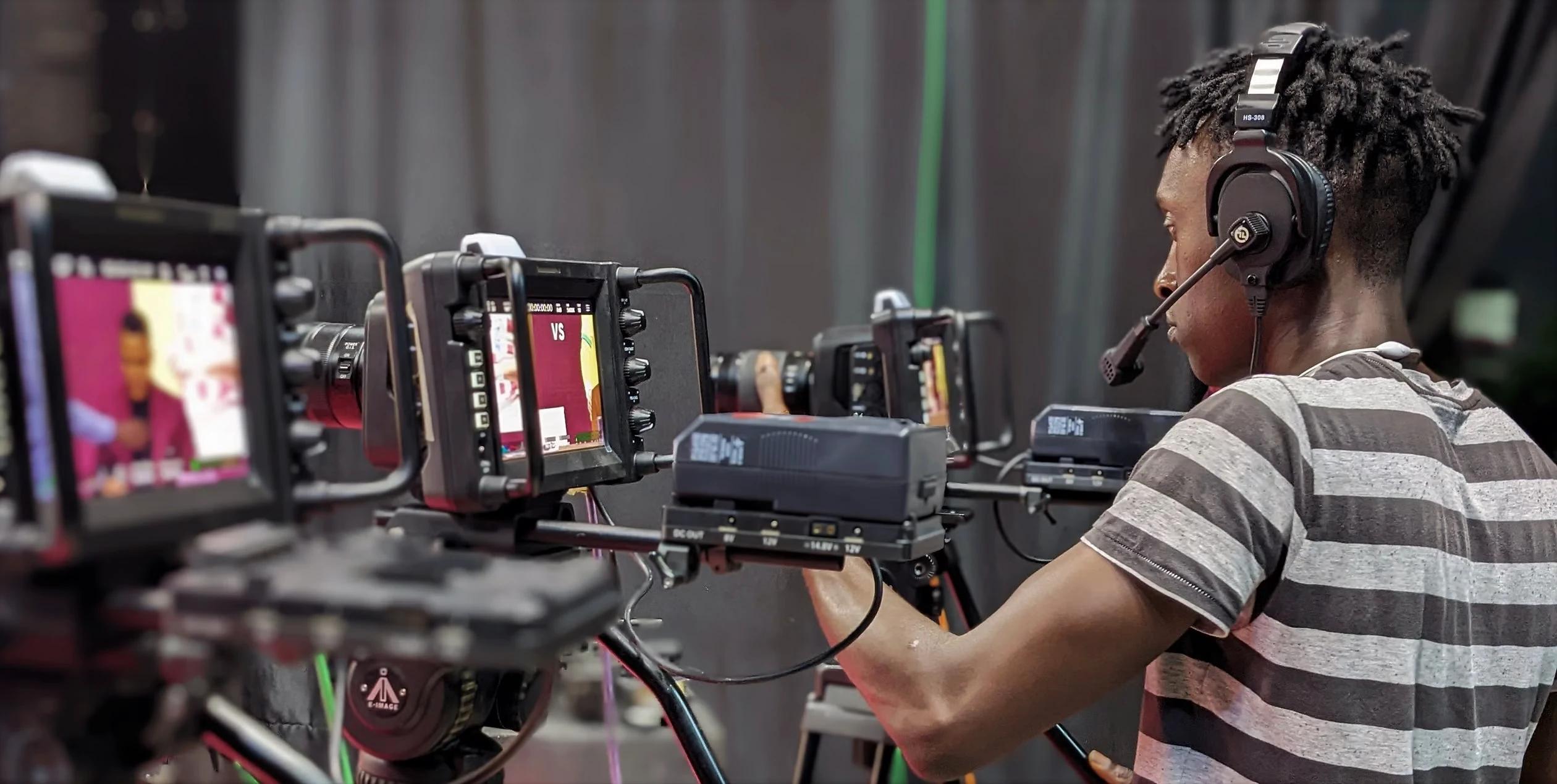
A broadcast drama has to meet a slot as well as an artistic goal. Scripts, shooting schedules, episode endings, recaps, previews, and ad inventory all develop around that deadline.
Why some services list 32 episodes of 35 minutes
One historical wrinkle makes K-drama runtimes especially confusing. In 2017, terrestrial networks began labeling one continuous drama night as two separate 30- or 35-minute programs, placing a commercial between them. At the time, terrestrial broadcasters were barred from running a conventional mid-program commercial.
A May 2017 Korea Times report described MBC and SBS interrupting new dramas after about 35 minutes, then announcing that the next 35-minute “episode” would follow. Broadcasters argued that the first program had ended and the next had begun, while viewers complained that a single dramatic flow had merely been split for a premium ad. Some video-on-demand listings also treated the halves as separate purchases.
That is why the same series might appear as 16 long episodes in one catalog and 32 short episodes in another. The story was not necessarily doubled or restructured; the numbering could reflect an advertising workaround. The rule later changed. A 2025 Korea Communications Commission market report notes that terrestrial mid-program advertising has been permitted since July 2021. The 35-minute split is therefore useful history, not a safe description of every current broadcast.
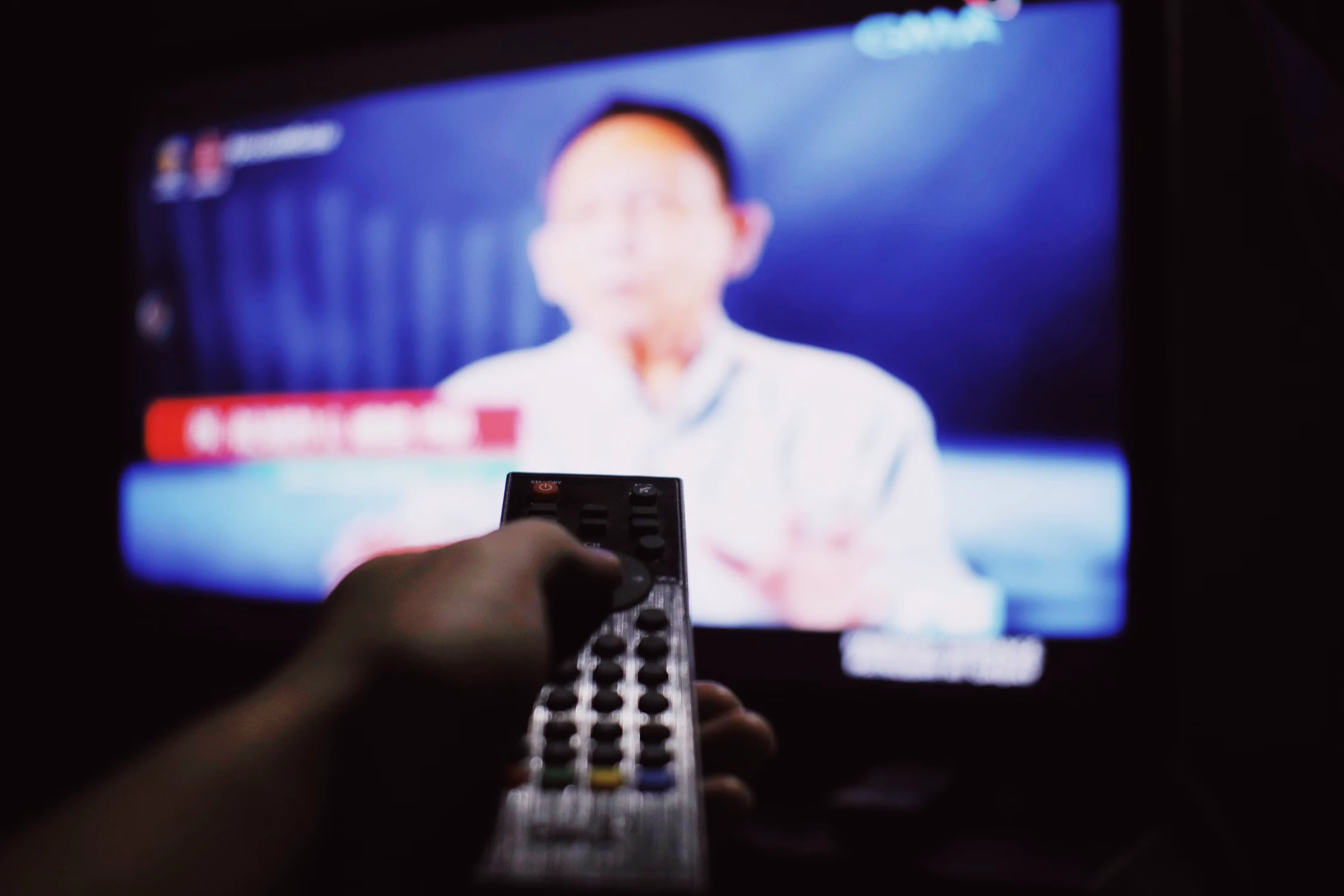

The first slide represents the fixed television slot; the second represents on-demand viewing. A streaming catalog may inherit the old numbering even though the viewer experiences both halves back to back.
Competition encouraged channels to stretch the edges
Cable channels were freer to experiment with start times and unusually long episodes. Beginning a drama a little earlier than a rival could capture viewers before they changed channels, while a popular finale could run far beyond an hour. Once 70- to 90-minute episodes became associated with ambitious ensemble or prestige dramas, length could also signal that a series was offering something closer to cinema than to a short soap episode.
This is not a single documented rule applied by every network. It is a pattern viewers noticed across schedules. In a KDRAMA community discussion about longer episodes, commenters distinguished the common 60-to-70-minute range from especially long cable dramas, and one described channels starting earlier to get a head start on competing shows. Others said 75-plus-minute episodes felt exhausting, while fans of specific ensemble dramas thought the extra time was justified. These are viewer observations rather than industry measurements, but they show how the same duration can feel generous or padded depending on pacing.
Writers learned to build several arcs into one night
A long slot creates a recognizable K-drama rhythm. One episode can advance the central romance, a family conflict, a workplace problem, and a supporting character's story before converging on a cliffhanger. Tonal shifts—from comedy to grief to suspense—need room to breathe. Emotional reaction shots, location transitions, flashbacks, and OST reprises can make the chapter feel expansive.
None of those devices inherently requires 70 minutes. They are conventions that became practical inside a long container. At their best, they let an ensemble feel like a community and give consequences time to register. At their worst, the same container produces repeated information, delayed revelations, or a middle section that exists mainly because the episode must fill its slot.
This is why “K-dramas have long episodes because Korean stories are more detailed” is only half an answer. The industrial format invited a certain kind of layered storytelling, and successful shows then made that storytelling style desirable. Business shaped form; form shaped audience expectations; expectations made the form easier to commission again.
Streaming removed the grid, not the habit
An OTT service does not need every episode to end at 10:10 p.m. Episode one can be 47 minutes and episode two 58. A season can contain eight chapters rather than 16. The KOCCA essay says exactly this: television must fill a scheduled slot, while OTT can vary episode length according to the story. It also notes that viewers often leave 60-to-70-minute television episodes before the end, giving streaming services a reason to test shorter lengths.
Yet many “Netflix K-dramas” are not purely Netflix-shaped. A drama may premiere on a Korean broadcaster and stream internationally soon afterward. That co-distribution preserves the broadcast runtime because one master has to work in both systems. Even an OTT original is made by writers, directors, actors, and production companies trained in the television form. A familiar 60-minute-plus chapter can remain creatively comfortable and commercially legible.
Streaming also changes how length is perceived. Weekly television turns a long episode into an appointment. On demand, the same runtime appears beside a “next episode” button, so two clicks can become a two-and-a-half-hour session. Pausing, changing subtitle speed, or replaying a scene adds more time. The number displayed in the catalog is therefore not the same as the time a viewer feels they have committed.
The format is already getting shorter and less uniform
The direction of travel is not simply “episodes keep getting longer.” Season length and episode length are both becoming more variable. A 2025 Korea Times overview reported that 12-, 10-, and eight-episode series were increasingly replacing the traditional 16-episode package. It cited The Trauma Code as a project restructured from a planned ten 60-minute episodes into eight 45-minute episodes to improve pace.
Shorter seasons do not automatically mean shorter episodes: a 12-part ensemble drama can use 80-minute chapters, while an eight-part thriller may stay under an hour. Nor does a long runtime automatically mean filler. The more useful measure is total season time and how the story uses it. Eight 70-minute episodes amount to less viewing than 16 one-hour episodes, even though every individual chapter looks long.
Korean television also contains many formats that never fit the prime-time miniseries mold. Daily dramas can use shorter episodes across a much longer run. Weekend family dramas may span dozens of episodes. Web dramas and short-form series can last only minutes. Historical epics, cable ensembles, broadcast romances, and OTT thrillers should not be compressed into one “standard K-drama length.”
How to read the runtime before you start
Check three things on the service you will actually use:
- Individual runtimes: open the episode list instead of trusting an “hour-long” label. Finales are often longer than early chapters.
- Numbering: if a broadcast title shows 32 episodes of about 30 to 35 minutes, pairs may represent one original drama night.
- Total hours: multiply a typical runtime by the episode count. This is the best comparison between an eight-part OTT original and a 16-part broadcast series.
A long episode is therefore a trace of several systems at once. It remembers the prime-time grid and the advertising market, carries a writing style built for ensemble arcs, and now sits inside a platform that no longer needs a fixed clock. Seventy minutes remains familiar, but it is no longer inevitable.
Photo credits
- TV viewer: Andres Ayrton / Pexels.
- Broadcast camera operator: Isaiah Ekele / Pexels.
- TV remote: Nothing Ahead / Pexels.
- Laptop viewer: Arina Krasnikova / Pexels.
Sources and image credits
- Korea Creative Content Agency's essay on OTT runtimes — Checked for guide details or image attribution.
- May 2017 Korea Times report — Checked for guide details or image attribution.
- 2025 Korea Communications Commission market report — Checked for guide details or image attribution.
- KDRAMA community discussion about longer episodes — Checked for guide details or image attribution.
- 2025 Korea Times overview — Checked for guide details or image attribution.
- Andres Ayrton / Pexels — Checked for guide details or image attribution.
- Isaiah Ekele / Pexels — Checked for guide details or image attribution.
- Nothing Ahead / Pexels — Checked for guide details or image attribution.
- Arina Krasnikova / Pexels — Checked for guide details or image attribution.
Last updated


