
Why K-Dramas Show Soju So Often
K-dramas use soju as visual shorthand for hierarchy, closeness, confession, or distress. The rituals have real roots, but television compresses them.
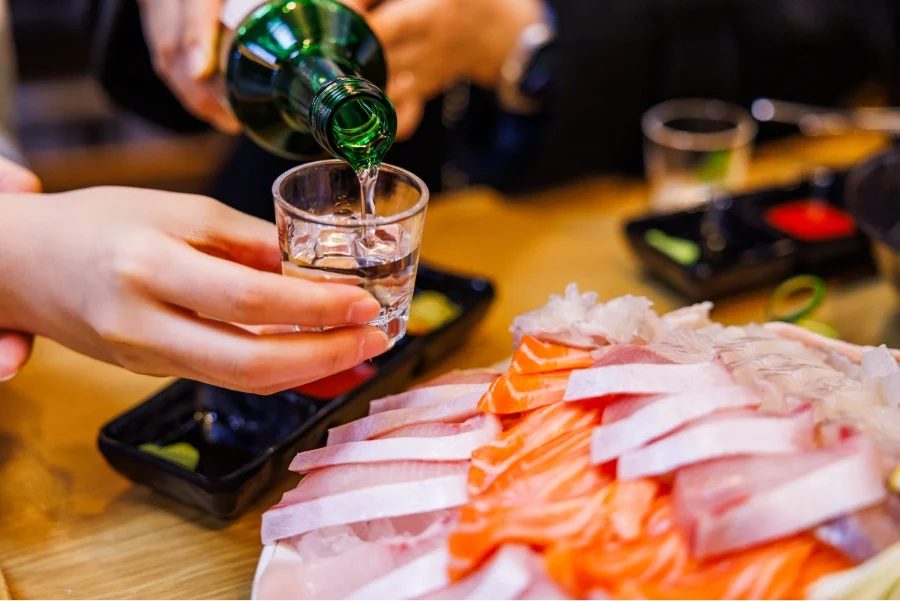
Soju appears so often in K-dramas because one familiar green bottle can explain a relationship before the dialogue does. It can place colleagues at an after-work dinner, make rank visible through who pours, create a believable setting for a confession, or show that one character is struggling. Those settings and gestures have roots in Korean life; television concentrates them for the story. It is not evidence that every Korean drinks.
One bottle can do four storytelling jobs
- Signal a company dinner: The workday has ended, but the hierarchy may still be present. The boss's seat, the first toast, and who attends can establish the whole office dynamic.
- Create a half-private confession scene: A pocha—an informal place for drinks and simple food, historically associated with tented or cart-style stalls—lets characters speak privately while remaining in public.
- Move a relationship: Pouring or refusing a glass can show respect, obligation, care, discomfort, reconciliation, or a new boundary without a long speech.
- Warn that a character is not coping: Drinking alone may stand for grief, avoidance, exhaustion, or dependence. It is not always a celebration.
JTBC's official character page for Mr. Gu in My Liberation Notes describes a man using alcohol to get through the day and withdraw from other people. That is a precise character choice: the drinking makes his isolation visible. It should not be read as a portrait of every Korean adult.
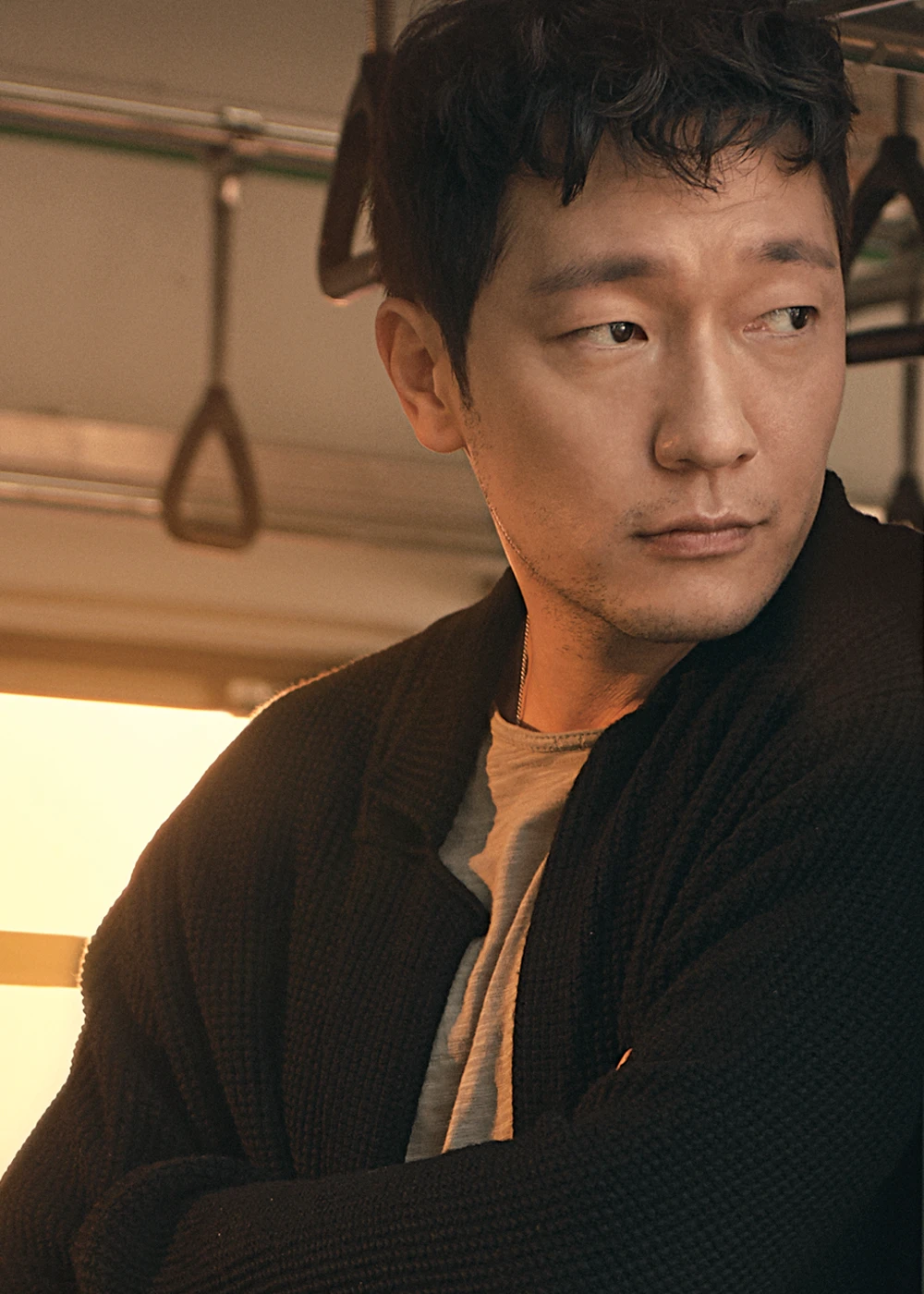
The gestures let viewers read the table
In a formal or age-conscious group, someone may pour or receive a drink with two hands. A younger person may turn slightly away before drinking in front of an older person. Korea.net's official etiquette overview illustrates these conventions. They are useful courtesy in a formal setting, not a performance that every group follows identically.
Food also tells viewers what kind of scene they are watching. Anju means food eaten with alcohol: soju beside sashimi or grilled meat reads as a shared meal rather than a quick drink. Mixing soju and beer into somaek creates a visible group ritual in a few seconds. VISITKOREA's official drinking-culture guide shows both the food pairing and the familiar somaek mix.
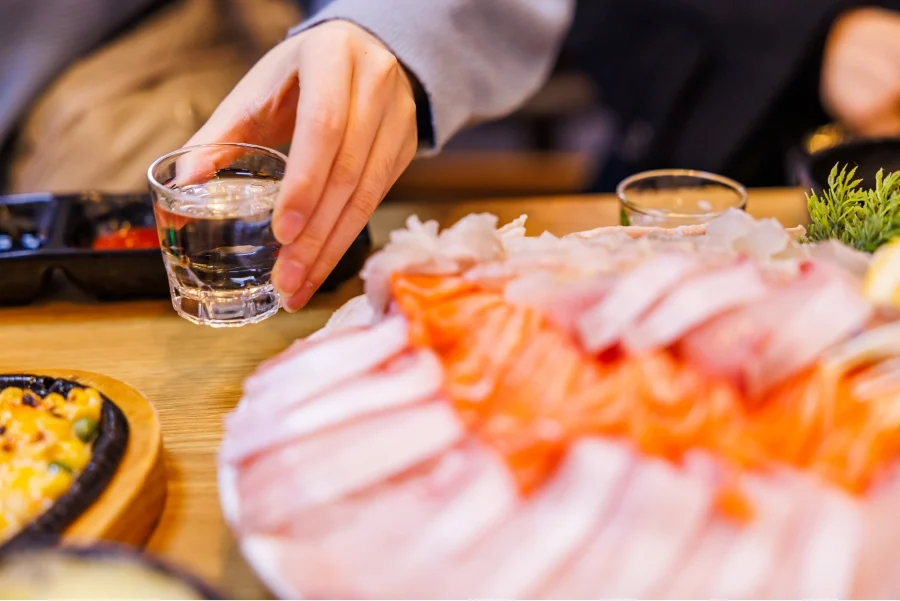
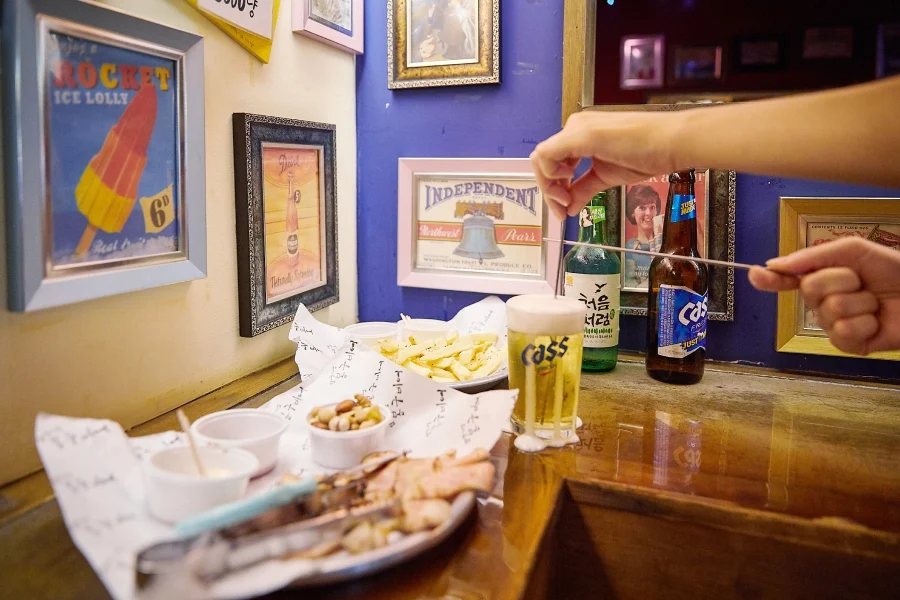
On screen, the first image establishes a shared table. The second turns the whole group into participants. Both are visual shorthand; neither tells you how much anyone must drink in real life.
What is real, and what the drama compresses
Soju and beer are familiar restaurant choices, and an after-work meal can give colleagues space to talk outside the office. A Korea.net interview about soju culture presents both sides: people may value the sense of connection, while an unwanted drink from a superior can create pressure.
Drama controls the timing. Characters arrive at a table just when a secret needs to surface, become conveniently candid, stumble into a romantic beat, and recover in time for the next episode. Real intoxication does not reliably produce truth or intimacy. It can impair judgment and harm health, relationships, and work. The World Health Organization alcohol fact sheet states that no form of alcohol consumption is risk-free.
Company dinners are changing too. HRD Korea's current worker-orientation material says alcohol may be served but can be declined politely. It also describes lunch gatherings and events centred on a meal or another activity, with participation varying by personal circumstances and preference. A drama in which everyone must match the boss's pace shows a particular workplace—or deliberate pressure—not a rule for every Korean office.
How to read the next soju scene
Treat the table as a relationship diagram.
- Who pours first? The gesture may reveal age, rank, gratitude, or an attempt to repair distance.
- Who refuses or leaves a glass untouched? That can mark discomfort, self-protection, conflict, or simply a decision not to drink.
- Who drinks alone? The scene may be signalling isolation or loss rather than social fun.
- What changes after everyone sits down? The writers have created a place where a character can say what was difficult to say elsewhere.
The most useful clue is rarely the brand or the number of bottles. Watch the distance between people, the formality of the gestures, and whether a choice is respected.
If you are invited to a Korean dinner
You can join the meal and toast without drinking alcohol. A few clear choices are enough:
- Say 저는 술을 안 마셔요 (jeoneun sureul an masyeoyo, “I don't drink”) or 오늘은 안 마실게요 (oneureun an masilgeyo, “I won't drink today”).
- Ask for water, soda, or another non-alcoholic drink and raise that glass if you want to join the toast.
- In a formal setting, receiving a glass with two hands is a safe courteous gesture. Follow the actual group's tone instead of reproducing every K-drama ritual.
- Repeated pressure is not etiquette you must accept. A clear refusal should be respected.
If you choose to drink, decide your limit before the table becomes lively, eat with the drink, and use public transport or a taxi. The point of understanding the scene is to read the relationship—not to copy the quantity shown on television.
Cultural and health sources were rechecked on August 12, 2026. Customs vary by age, relationship, workplace, and individual choice.
Sources and image credits
- Delivery Spot cover image file — Web-ready soju-and-sashimi image credited to Korea Tourism Organization / VISITKOREA.
- Korea.net — Table manners — Official overview of two-handed pouring and receiving and turning away in age-conscious settings; rechecked August 12, 2026.
- VISITKOREA — How to Drink Like a Korean — Official soju, anju, and somaek context and source for the table images; rechecked August 12, 2026.
- Korea.net — Interview on soju culture — Official interview presenting both social connection and pressure around an unwanted drink; rechecked August 12, 2026.
- HRD Korea — EPS-TOPIK workplace culture — Current official worker-orientation material on declining alcohol and changing company-dinner formats; rechecked August 12, 2026.
- World Health Organization — Alcohol — Current public-health context and the statement that alcohol consumption is not risk-free; rechecked August 12, 2026.
- JTBC — Mr. Gu character page, My Liberation Notes — Official characterization used to explain the drama-specific role of solitary drinking; rechecked August 12, 2026.
- Delivery Spot — Mr. Gu image — Published web asset credited to JTBC.
- Delivery Spot — soju with sashimi — Published web asset credited to Korea Tourism Organization / VISITKOREA.
- Delivery Spot — mixing somaek — Published web asset credited to Korea Tourism Organization / VISITKOREA.
Last updated


