
Which Seoul Palace Should You Visit? Four Palaces Compared
Choose Gyeongbokgung, Changdeokgung, Changgyeonggung or Deoksugung by history, garden access, photo style, timing and reliable night entry.
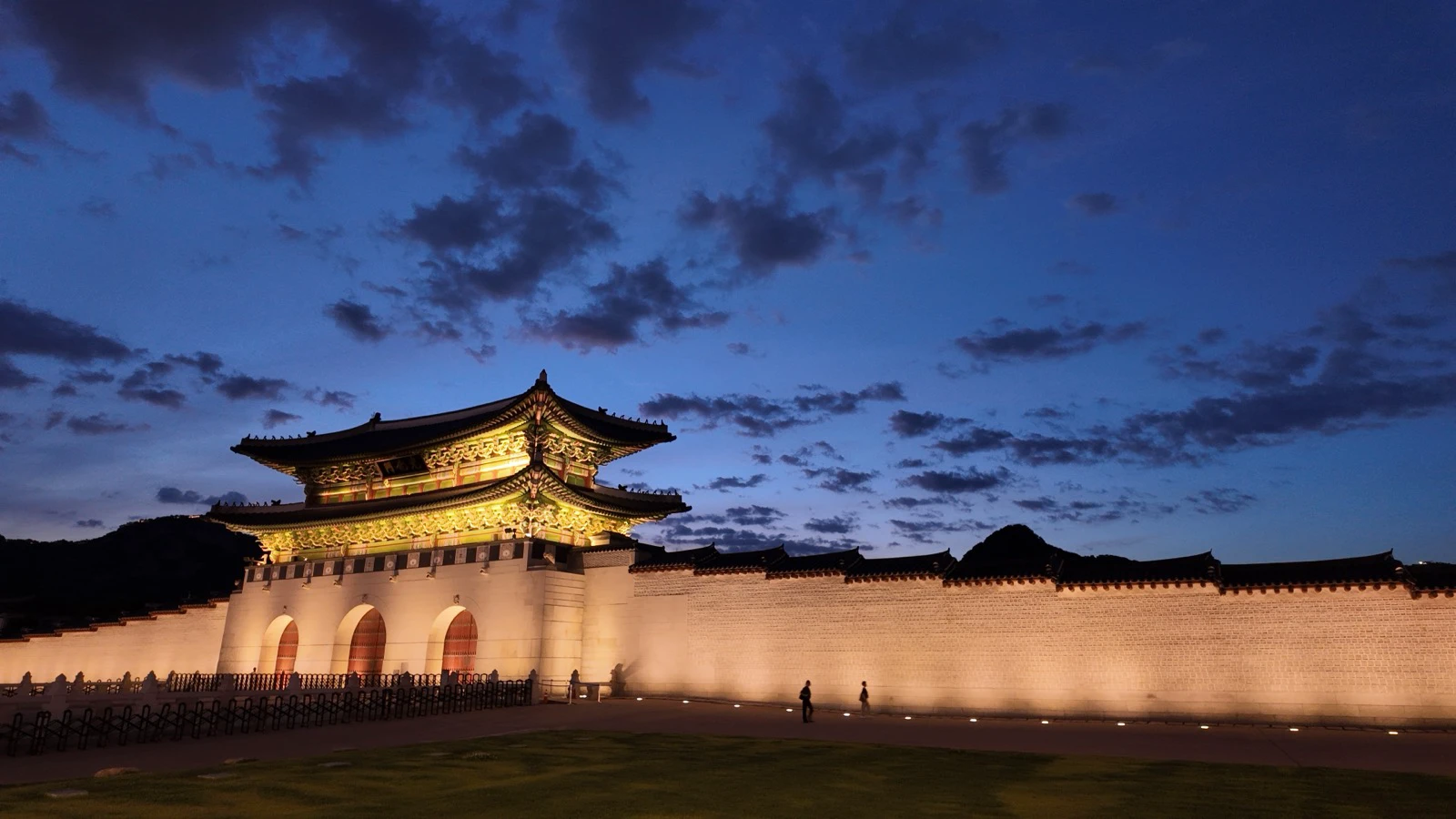
You do not need all four palace tickets. Choose Gyeongbokgung for monumental scale and classic photographs, Changdeokgung for architecture shaped around the landscape and a timed Secret Garden visit, Changgyeonggung for a calmer residential story with regular evening access, or Deoksugung for Korean Empire history in a compact City Hall stop.
The quick decision
- First palace and iconic royal axis: Gyeongbokgung
- UNESCO landscape and Secret Garden: Changdeokgung
- Royal family life and flexible evening: Changgyeonggung
- Korean Empire and the shortest night visit: Deoksugung
Seoul's traditional list is the Five Grand Palaces, including Gyeonghuigung. This comparison focuses on the four large ticketed complexes visitors most often weigh against one another; it does not claim Seoul has only four palaces.
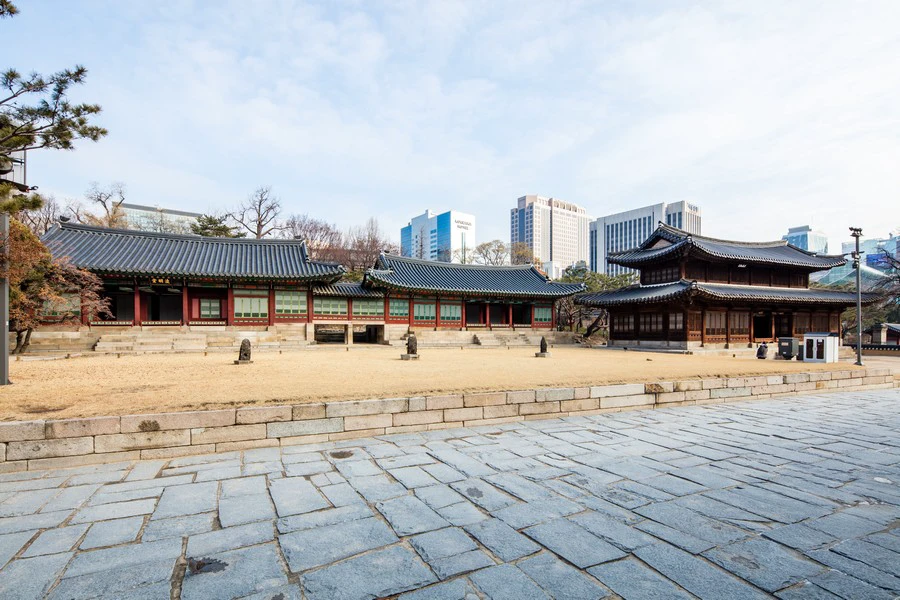
Gyeongbokgung — choose scale and ceremony
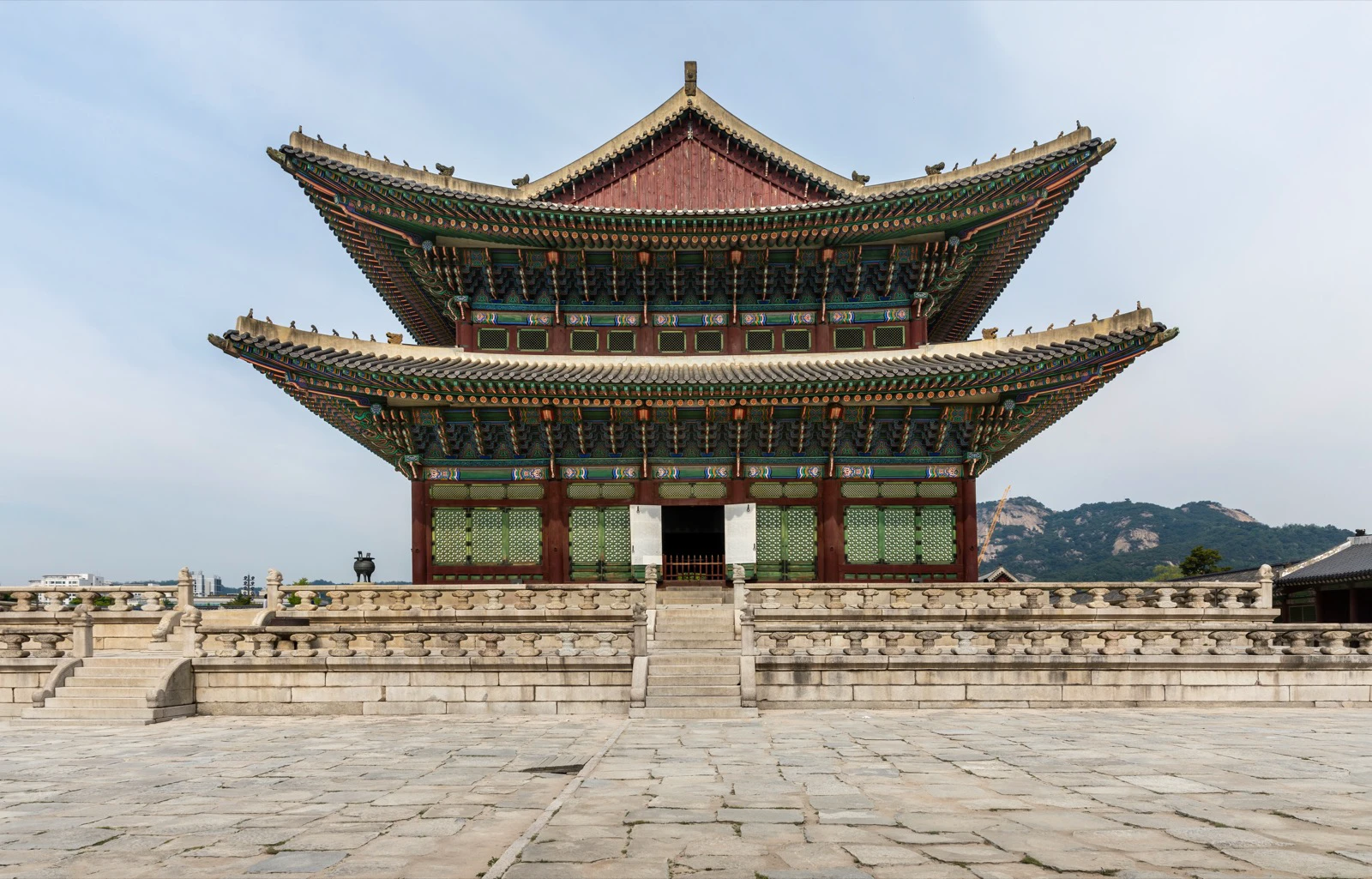
Founded in 1395 as Joseon's main palace, Gyeongbokgung has the clearest processional axis and the broadest courtyards. Visit Seoul's official overview describes it as the first and largest of the Five Grand Palaces and notes the National Palace Museum and National Folk Museum nearby.
It is the strongest first-palace choice for symmetrical architecture, grand gates and photographs that immediately read as a royal capital. The trade-off is crowding: tour groups and hanbok photo sessions gather around the best-known courts. Start near opening if clean sightlines matter and allow about two hours for the palace rather than every museum on the same ticket window.
- June–August: 09:00–18:30; last entry 17:30
- Closed: Tuesday; when the regular closure falls on a public holiday, the next first non-holiday closes instead
- Regular adult admission: KRW 3,000
Seasonal closing times change. Check the current official palace schedule on your date.
Changdeokgung — choose the landscape, then secure the garden
Changdeokgung was built in 1405 as a secondary palace and later functioned as the main royal residence for long periods. Its official history and UNESCO context explain why the buildings follow the terrain instead of a rigid central grid.
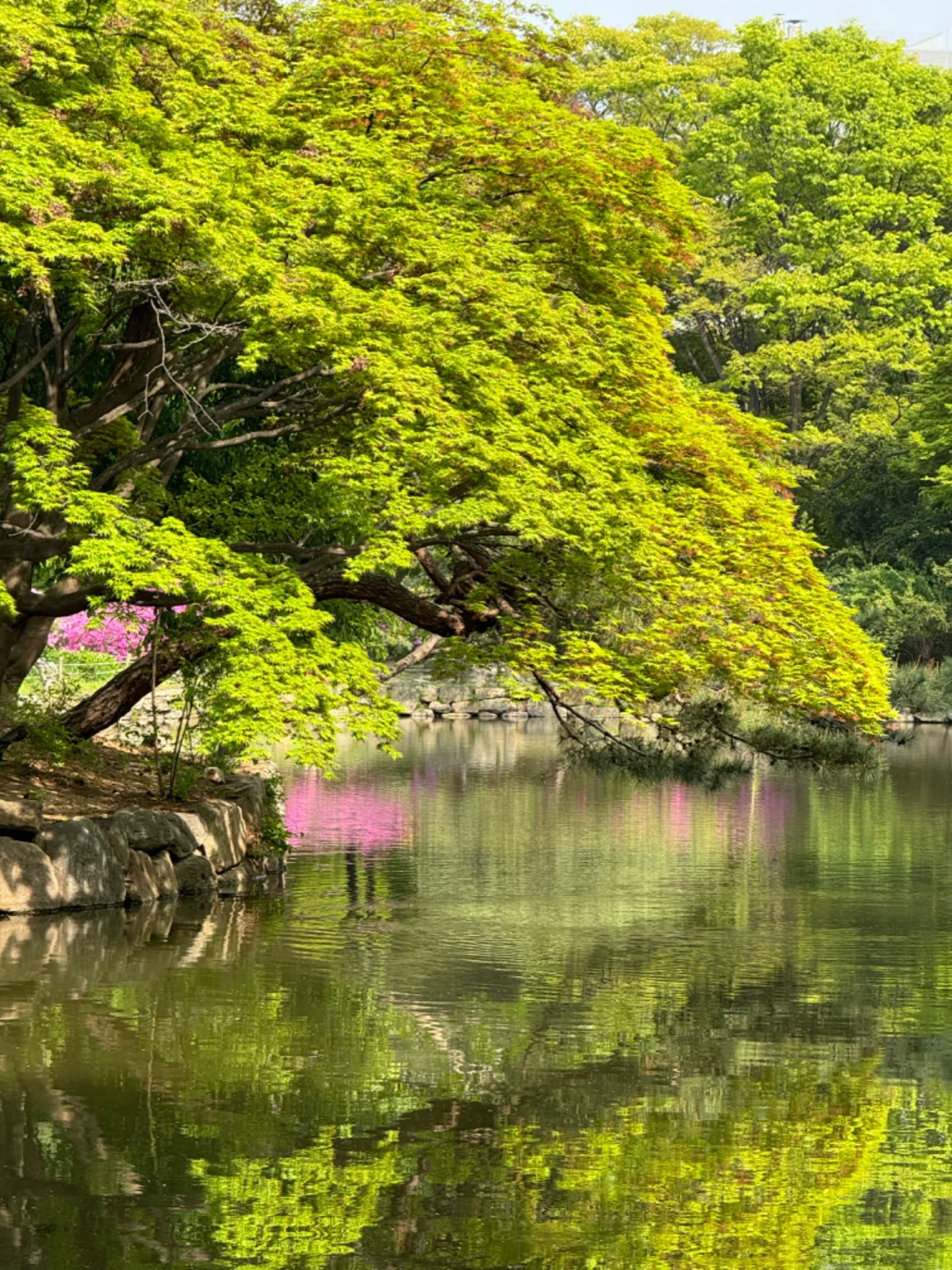
Pick it when your palace question is really a garden question. The Secret Garden is a separate, timed, capacity-limited visit, not an open extension of the main ticket. The official Seoul garden guide explains the session system, and the current KTO listing gives the regular palace and garden prices.
- Main palace, June–August: 09:00–18:30; last entry 17:30
- Closed: Monday, subject to the public-holiday replacement rule
- Regular admission: Main palace KRW 3,000; Secret Garden adult ticket KRW 5,000
- Garden sessions: Fixed entry times and language schedules; current official capacity is 100 per session, split between online and on-site inventory
Reserve the garden first if it is essential. A sold-out garden does not make the main compound worthless, but the visit will be shorter and less green than garden-heavy search images suggest.
Changgyeonggung — choose royal family life and an ordinary evening
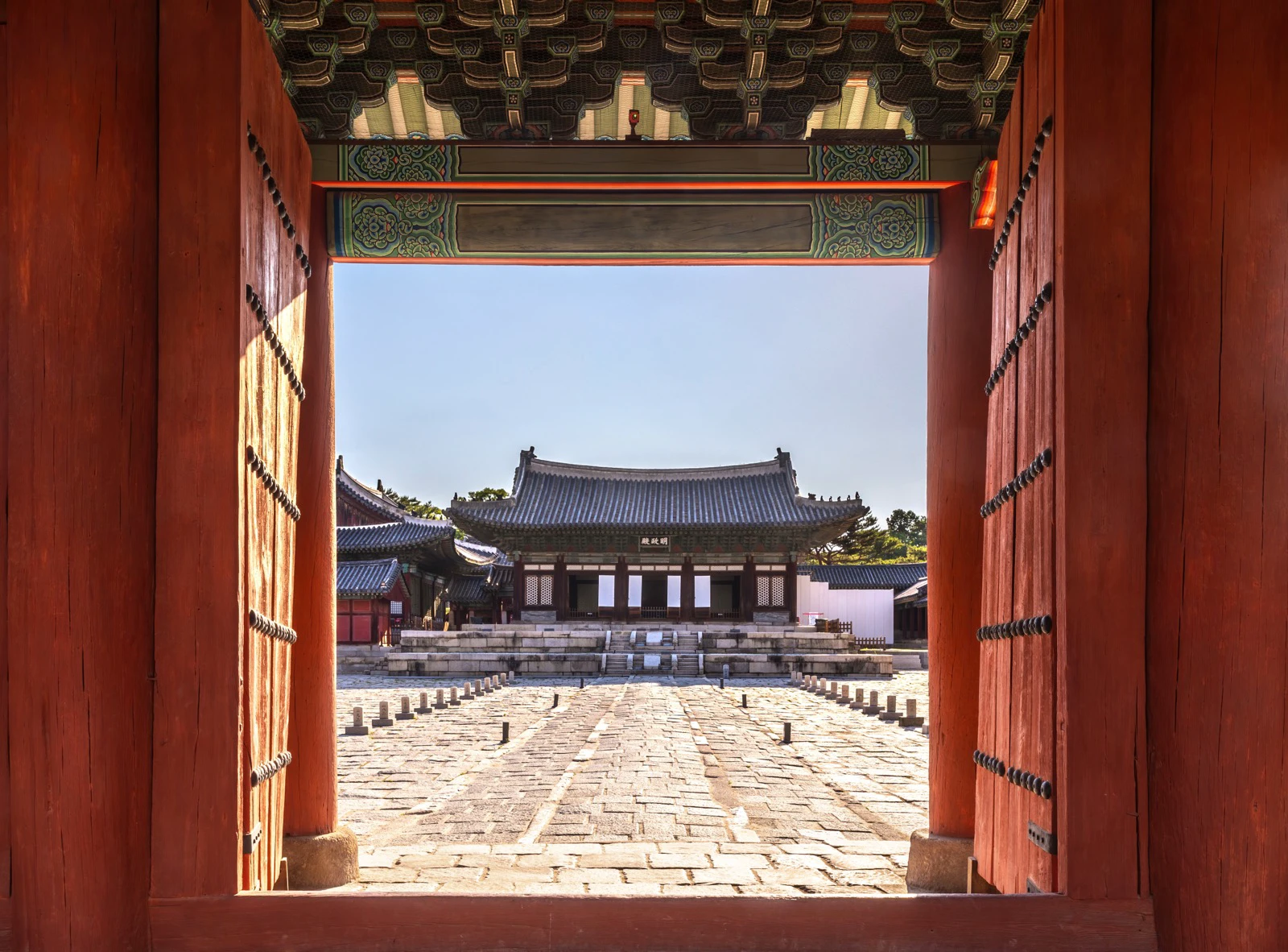
Expanded in 1483 for senior royal women, Changgyeonggung worked mainly as a residential palace. Its official history also records the colonial-era zoo and botanical garden and the restoration begun in 1983.
The grounds have fewer monumental set pieces and more space for the domestic and modern history of the court. They are adjacent to Changdeokgung, which makes these the most coherent two-palace combination when each still receives its own time.
- Regular hours: 09:00–21:00; last entry 20:00
- Closed: Monday, with the replacement-day rule when Monday is a public holiday
- Regular adult admission: KRW 1,000
The current KTO listing confirms those hours and fees. Regular access after sunset does not guarantee that every greenhouse, path or temporary program remains open at night; follow any same-day restriction.
Deoksugung — choose the Korean Empire and City Hall convenience
Deoksugung, formerly Gyeongungung, became the imperial palace when Gojong proclaimed the Korean Empire in 1897. Its traditional halls and Western-style stone buildings belong to the historical transition described in the official palace history.
Choose it for a compact one-hour visit, Korean Empire history, or an evening near City Hall. The smaller grounds are easier to fit into a crowded day, but do not assume every museum or interior stays open as late as the outdoor palace route.
- Regular hours: 09:00–21:00; last entry 20:00
- Closed: Monday, with the replacement-day rule when Monday is a public holiday
- Regular adult admission: KRW 1,000; exhibitions inside may need separate tickets or reservations
The current KTO page lists separate, earlier hours for Seokjojeon, Dondeokjeon and Jungmyeongjeon.
Night access: regular hours and seasonal events are different
Deoksugung and Changgyeonggung admit regular visitors until 21:00. Gyeongbokgung and Changdeokgung do not offer routine late entry every night. Their well-known evening programs have fixed dates, limited capacity and booking rules.
The 2026 Gyeongbokgung spring night notice covered May 13–June 14, while the 2026 Changdeokgung Moonlight Tour notice covered April 16–May 31. Both had program-specific schedules. As checked August 12, 2026, do not plan an autumn night around either palace until an official notice for your dates appears.
If late access cannot move, choose Deoksugung for a compact urban visit or Changgyeonggung for broader outdoor grounds. An announced seasonal event should be planned as a reserved event, not as ordinary admission.
If you have time for two
Changdeokgung plus Changgyeonggung is the efficient pair: they are adjacent, yet landscape-led state architecture and residential court history keep the second visit meaningful. A Secret Garden reservation should control the order.
For maximum contrast, put Gyeongbokgung and Deoksugung in different parts of the day. One shows the early Joseon capital's monumental axis; the other shifts to the Korean Empire and mixed architectural languages.
Correctly worn hanbok qualifies for free regular admission under the official guidelines, but a free ticket is not a reason to overload the day. Long stone courts, summer heat and museum security make rolling luggage a poor companion. If this follows checkout, review when luggage can derail a Korea day and find a nearby place to leave your bags before entering.
Hours, fees and event status were checked August 12, 2026. Garden sessions, interiors, seasonal night programs and temporary closures can change independently of regular palace admission.
Sources and asset credits
- Visit Seoul: Gyeongbokgung Palace — Official Seoul overview edited April 12, 2026; scale, museum context, summer hours and admission.
- Royal Palaces and Tombs Center: current viewing hours — Current Royal Palaces and Tombs Center schedule; regular closing days, seasonal hours, Secret Garden session limits and year-round late access.
- Changdeokgung official history — Official palace histories and current KTO visit listings used for historical context, fees and closure qualifiers.
- Visit Seoul: Changdeokgung Secret Garden — Official palace histories and current KTO visit listings used for historical context, fees and closure qualifiers.
- VISITKOREA: Changdeokgung and Secret Garden — Official palace histories and current KTO visit listings used for historical context, fees and closure qualifiers.
- Changgyeonggung official history — Official palace histories and current KTO visit listings used for historical context, fees and closure qualifiers.
- VISITKOREA: Changgyeonggung — Official palace histories and current KTO visit listings used for historical context, fees and closure qualifiers.
- Deoksugung official history — Official palace histories and current KTO visit listings used for historical context, fees and closure qualifiers.
- VISITKOREA: Deoksugung — Official palace histories and current KTO visit listings used for historical context, fees and closure qualifiers.
- 2026 Gyeongbokgung spring night viewing — Official 2026 spring night program notices; evidence of limited dates and booking, not routine nightly entry.
- 2026 Changdeokgung Moonlight Tour — Official 2026 spring night program notices; evidence of limited dates and booking, not routine nightly entry.
- Official hanbok free-admission guidelines — Current official free-admission guidelines for correctly worn hanbok.
- Featured image source — Featured image: Lunisaa, CC BY 4.0, via Wikimedia Commons; resized. Exterior illumination does not imply grounds access.
- Gyeongbokgung body image source — Body image: Basile Morin, CC BY-SA 4.0, via Wikimedia Commons; resized.
- Changdeokgung body image source — Body image: Rachel.zrq, CC0 1.0, via Wikimedia Commons; resized.
- Changgyeonggung body image source — Body image: Basile Morin, CC BY-SA 4.0, via Wikimedia Commons; resized.
- Deoksugung body image source — Body image: Seoul 2020 Urban Form and Landscape, Seoul Metropolitan Government; Seoul Institute, CC BY 4.0 / KOGL Type 1.
- Published featured asset — Retained uploaded derivative matching the credited Wikimedia source.
- Korea Tourism Data Lab — 2025 completed-year inbound-market framework used for localization.
Last updated


