
Why Viral Korean Cafes Disappoint: 7 Reality Checks
A viral cafe's hero photo rarely shows the whole visit. Use seven checks for the room, crowd, weather, menu, ordering rules, seating, and exact branch before deciding whether a famous Korean cafe is worth your time.

A viral Korean cafe is not automatically a bad cafe. The disappointment usually starts earlier: one carefully framed photo gets treated as evidence for the entire visit. The camera may show a perfect window, cake, or rooftop while leaving out the queue, the ordering rules, the ordinary seats, and the trip back to the subway.
Before choosing a cafe, decide what you actually want from it: one memorable photo, a particular dessert, serious coffee, or an hour-long rest. Then run these seven checks. A place can be excellent for one purpose and frustrating for another.
1. Look beyond the one famous corner
The most shared image may show one seat, one mirror, or one slice of the room. It does not show how many people can use that spot, whether there is a line for it, or what the rest of the cafe feels like.
Open recent visitor photos on Naver Map, KakaoMap, or Google Maps and look specifically for wide shots. Useful evidence includes the entrance, order counter, stairway, ordinary tables, and the view from seats that are not beside the featured window. Short visitor videos are especially helpful because they are harder to frame around a single attractive angle.
Korea Tourism Data Lab's report on travel “hot places” explains how Instagram hashtags and rapid, repeated exposure can amplify a destination, while blogs and online communities provide different layers of detail. That is a useful way to research a cafe: use social media to discover it, then use wider and more recent sources to test the impression.
2. Check the crowd at the time you will visit
An empty photo may have been taken at opening, during a private shoot, or while the photographer waited for people to move. Search reviews from the same weekday and time window as your planned visit. Separate three delays: the line to order, the wait for a seat, and the wait after payment. They can happen independently.
A traveler describing a famous Gangneung cafe reported both a queue and another long wait after ordering. Other travelers discussing famous Seoul bakeries suggest using a quieter branch when the food matters more than the original location. These are individual experiences, not a timetable. Their value is the question they reveal: does the wait happen before the order, after it, or both?
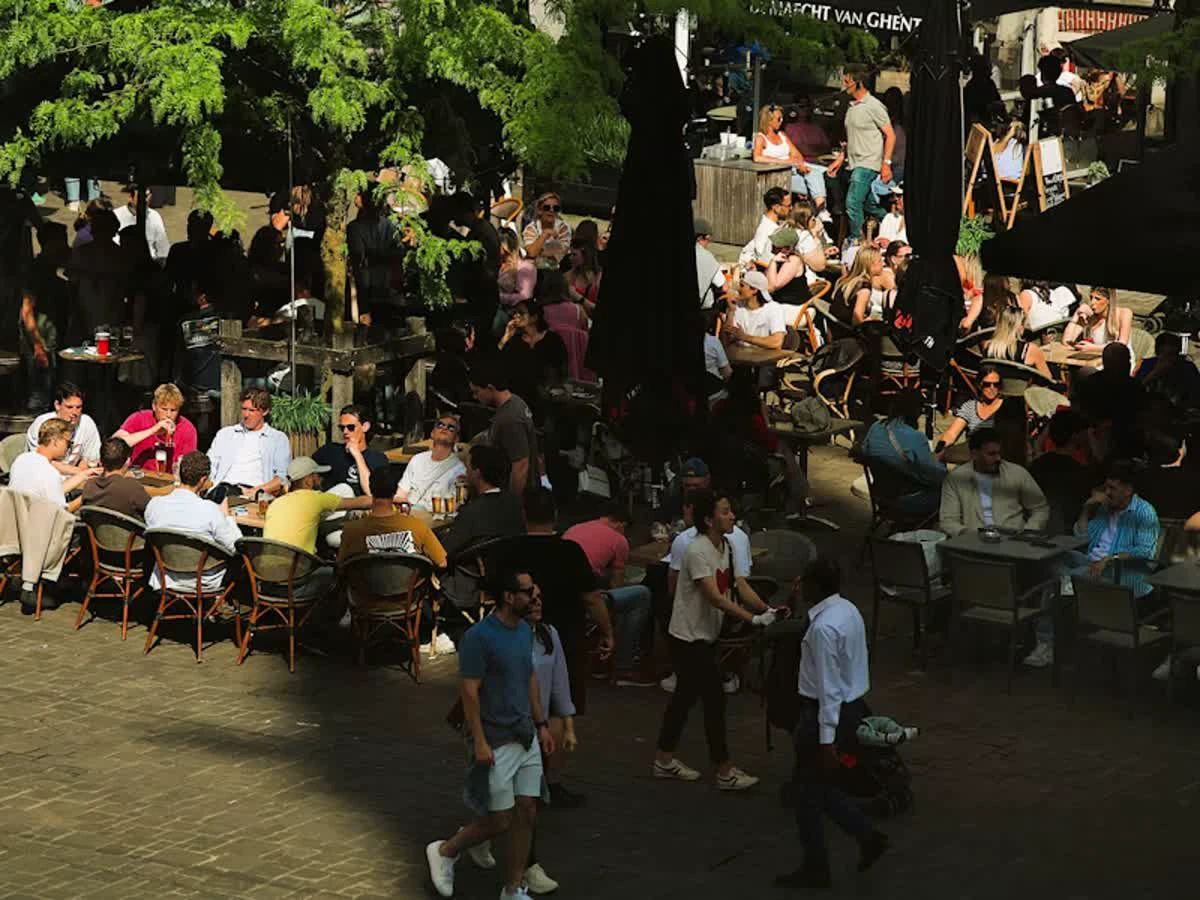
If recent reviews repeatedly mention long waits, set a personal limit before you go. “I will wait 20 minutes for this dessert” is a decision; joining a line with no limit is how a quick cafe stop consumes half a day.
3. Test the view against season, weather, and exact seat
Rooftop, ocean-view, garden, and window-seat cafes are highly conditional. Rain may close the roof. Bare winter trees may replace spring foliage. Window reflections can change with the sun, and the view may belong to only two tables.
Search for visitor photos from your month, not only the cafe's best season. For a view cafe, read how seating works: first come, first served, a separate floor, a required set, or a time limit. One Naver visitor to a view cafe described about a 30-minute wait and a different set-menu arrangement upstairs; another rooftop review noted that the photo zone and access changed by season. Policies can change, so treat those posts as clues and verify the latest notice on the cafe's own channel.
4. Compare the current menu with the photo
A beautiful dessert can disappear before the cafe closes. It may be seasonal, available only on certain days, or much smaller than the close-up suggests. Check the current menu, price, signature-item availability, and last order. Look for a dated menu photo or an official post rather than copying a price from an old reel.
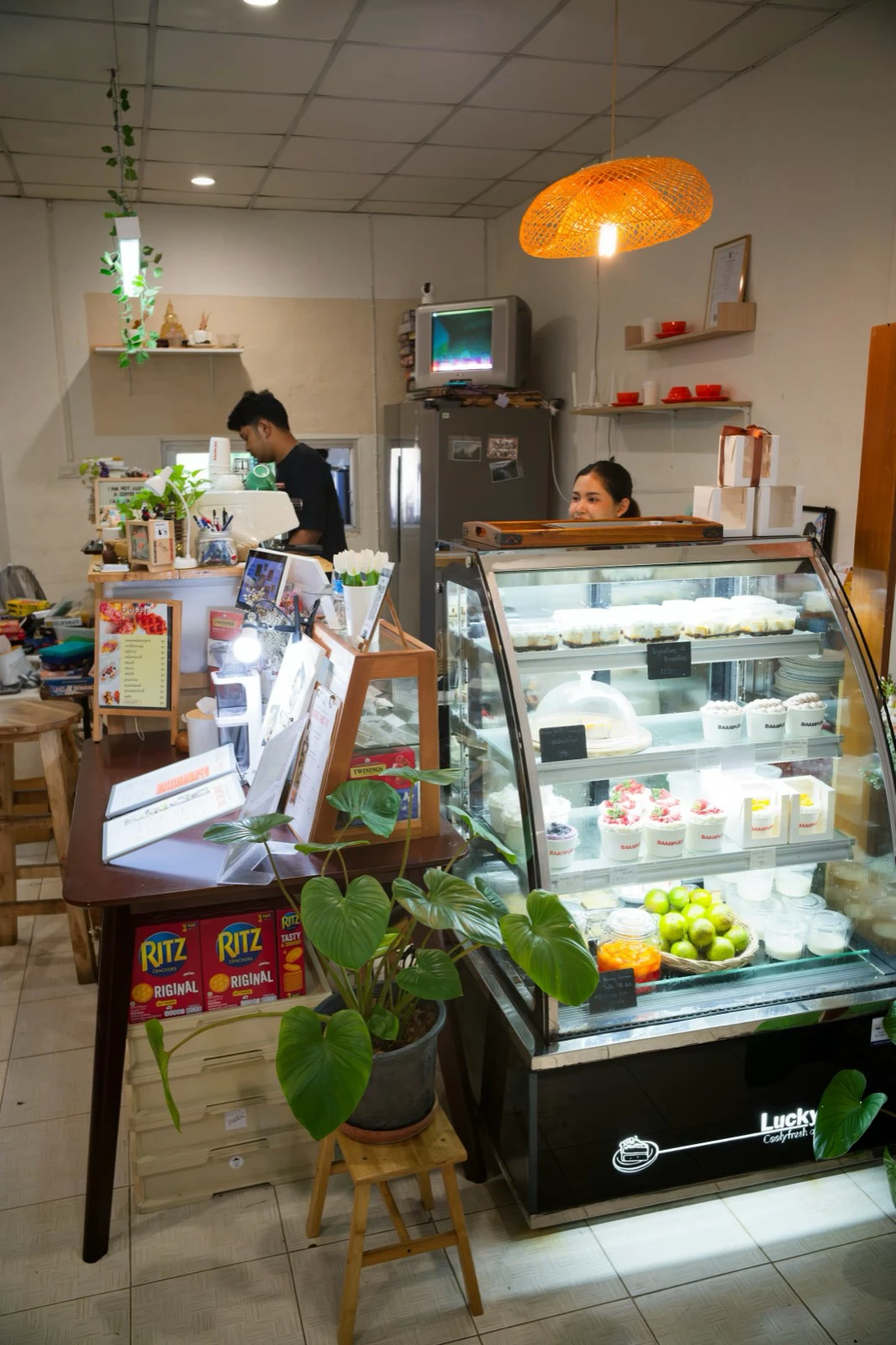
Recent display-case photos are often more useful than styled menu shots: they show what was actually available and provide scale. A Naver visitor to a signature cafe described disappointment with the size-to-price relationship as well as the ordering and seating process. That does not prove the same value judgment for you. It does show why price, portion, and availability should be checked separately from appearance.
5. Add the cafe's ordering rule to the real cost
Some Korean cafes post 1인 1음료, meaning one drink per person. The details vary. A cake may not replace a drink; young children may be exempt; or the rule may apply only to certain floors or peak periods. Do not assume that every cafe has the rule, and do not assume that one expensive dessert covers two people.
Read the entrance notice and menu before taking a seat. If the wording is unclear, ask: “Il-in il-eumryo-yeyo?” (1인 1음료예요? — “Is it one drink per person?”). Travelers continue to ask about this rule because branches apply it differently. For a group, calculate the minimum order before deciding whether the cafe is worth the stop.
6. Decide whether the seating fits your visit
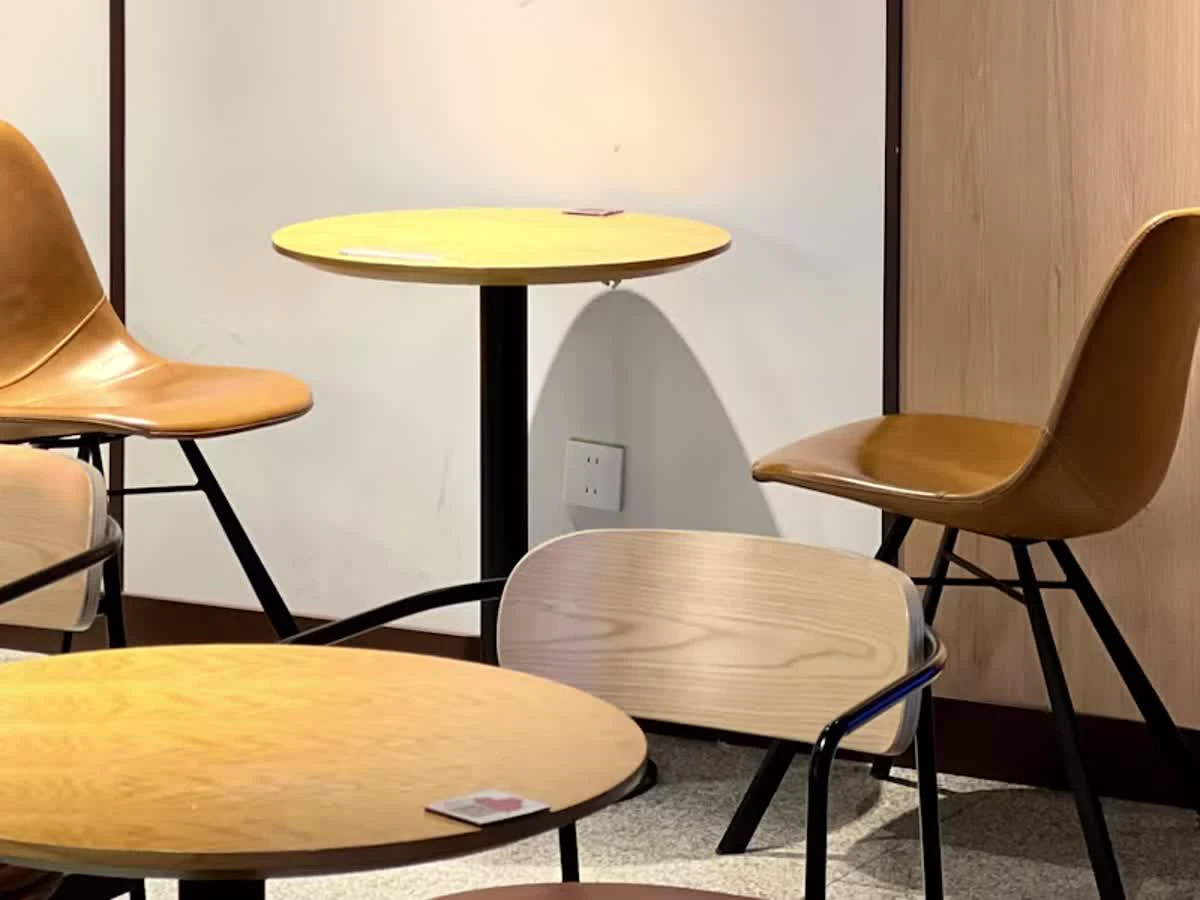
Photogenic seating can be intentionally compact. Narrow tables, backless stools, tightly spaced chairs, loud music, and no outlets may be completely reasonable for a 20-minute photo and dessert stop. They are poor clues for a long conversation, laptop session, or rest with shopping bags.
One Naver cafe review praised the photo-friendly design but also noted a narrow room and small backless seats that made a long stay difficult. Again, that is one visit, not a permanent verdict. Use recent wide photos to answer practical questions: Is there back support? Can two plates fit on the table? Is there space for luggage? Are most customers standing or waiting behind seated guests?
7. Confirm the exact branch and the detour
Viral images often belong to one branch, one floor, or one window. Search the Korean branch name, compare the exterior photo, and pin the entrance before leaving. A chain's quieter branch may have the same signature item but not the famous architecture; the famous branch may sell the atmosphere but cost an extra hour in transit and waiting.
Judge the cafe as part of the day, not in isolation. If it is far from your route, pair it with a museum, neighborhood walk, beach, or shop you would visit even if the cafe were closed. A remote cafe that is the day's only reason to be in the area needs stronger evidence than a cafe already beside your main plan.
A simple go-or-skip rule
Write down your main purpose, then look for four matching signals: recent wide photos, a manageable wait, a current menu, suitable seating, predictable ordering rules, weather that supports the view, and the correct branch on a sensible route. If at least four support the visit—and one of them matches your main purpose—the cafe is a reasonable bet.
If only the hero photo survives the checks, treat the place as a short photo stop or skip it. That is not cynicism. It is simply judging the whole visit instead of one frame.
Photo credits
- Feature photo by Breakslow on Unsplash
- Crowded cafe photo by Merih Tasli on Unsplash
- Cafe seating photo by Leo Liu on Unsplash
- Dessert counter photo by Kelvin Zyteng on Unsplash
Sources and image credits
- Korea Tourism Data Lab's report on travel “hot places” — Checked for guide details or image attribution.
- traveler describing a famous Gangneung cafe — Checked for guide details or image attribution.
- One Naver visitor to a view cafe — Checked for guide details or image attribution.
- another rooftop review — Checked for guide details or image attribution.
- A Naver visitor to a signature cafe — Checked for guide details or image attribution.
- One Naver cafe review — Checked for guide details or image attribution.
- Feature photo by Breakslow on Unsplash — Checked for guide details or image attribution.
- Crowded cafe photo by Merih Tasli on Unsplash — Checked for guide details or image attribution.
- Cafe seating photo by Leo Liu on Unsplash — Checked for guide details or image attribution.
- Dessert counter photo by Kelvin Zyteng on Unsplash — Checked for guide details or image attribution.
Last updated


