
Can You Trust Vegan and Cruelty-Free K-Beauty Labels?
Treat a named certification you can verify in the certifier's directory as stronger evidence than a leaf, bunny graphic, or one-line brand claim. Vegan and cruelty-free answer different questions, may cover only certain products or categories, and should be rechecked when formulas or ownership change.

Yes—but trust the evidence behind the claim, not the word alone. A named certification that you can confirm in the certifier's directory is stronger evidence than a leaf, bunny graphic, retailer filter, or one-line brand statement.
Start by separating two questions: Does this formula exclude animal-derived materials? And what animal-testing policy covers the product, its ingredients, suppliers, and markets? A product can satisfy one without satisfying the other. Some vegan certifications also include animal-testing rules, but the bare word “vegan” does not tell you which standard was used.
Vegan and cruelty-free are not synonyms
Vegan: Answers whether animal products, by-products, or derivatives are excluded under a stated standard. By itself, it does not prove that the whole brand is vegan or that every animal-testing concern is covered.
Cruelty-free: Answers whether animal testing is excluded within a stated product-development and supply-chain policy. By itself, it does not prove that the formula contains no honey, beeswax, lanolin, carmine, collagen, or snail-derived material.
Natural, clean, green, conscious: Usually describes a brand's formulation or marketing position. It does not prove vegan status, cruelty-free status, organic certification, or lower allergy risk.
Certified: Means a named organization checked the claim against its rules. It does not automatically include every product, parent company, market, or future reformulation.
This is why the name under a logo matters more than the shape of the logo. A generic rabbit or leaf can be a design element. A genuine mark should lead to an identifiable certifier, a published standard, and a directory or other way to confirm the scope.
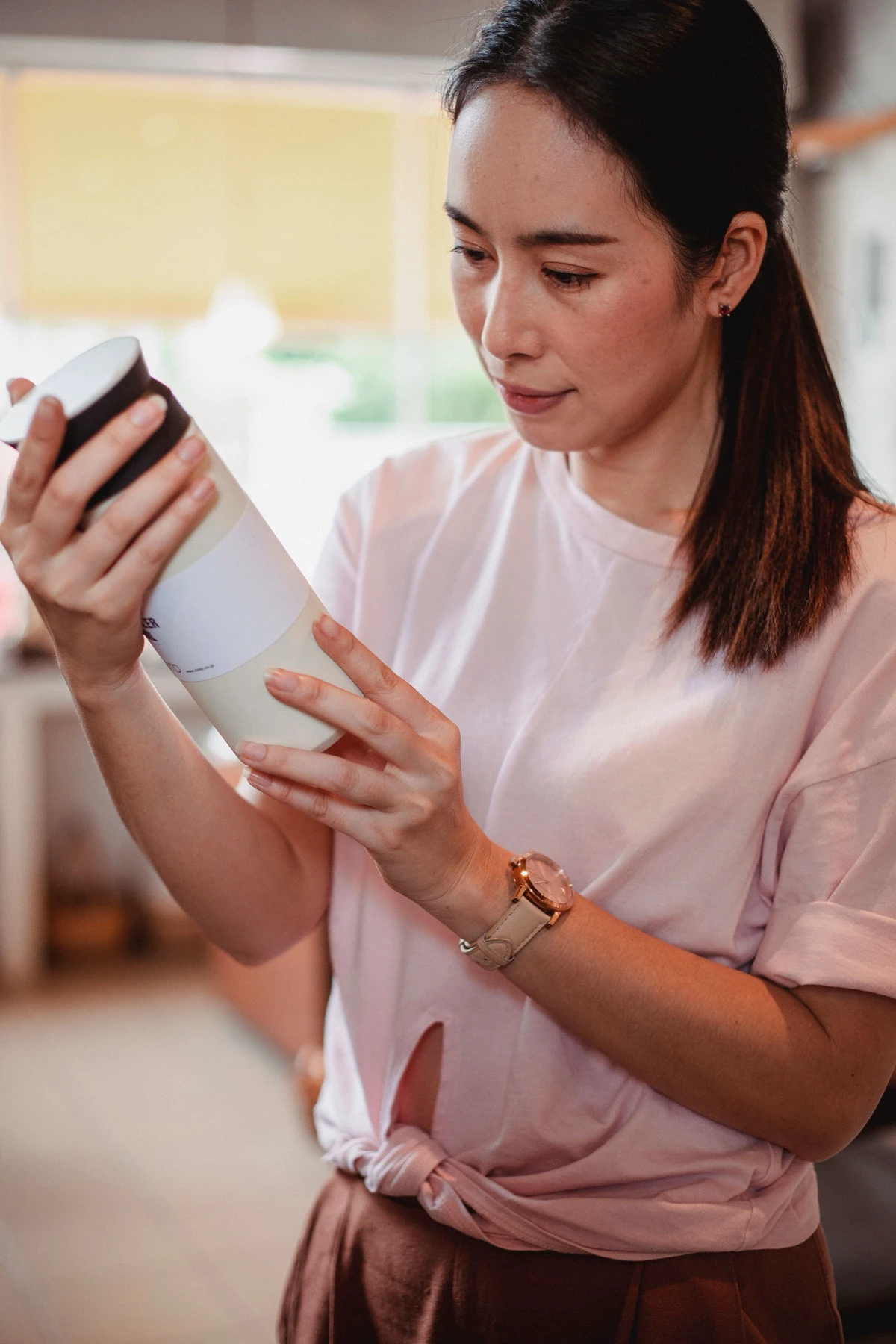
Read the exact pack rather than relying on a search-result badge. The product name, shade or variant, country version, and responsible company should match what you verify. Our guide to reading K-beauty ingredient lists explains why a front-label ingredient story is not the same as the full formula.
Read the scope, not only the seal
Third-party certifications do not all certify the same unit. Some records are attached to a specific product; others approve a brand's own products in particular categories. That difference explains why a K-beauty brand may sell several certified vegan items without claiming that every product it makes is vegan.
The Korea Agency of Vegan Certification and Services (KVCS) says its vegan certification checks three areas: no animal-derived raw materials, prevention of cross-contamination, and no animal testing. Its site also provides a searchable product database for cosmetics. For a KVCS mark, search the exact product instead of assuming the logo applies to the brand's entire catalogue.
The Vegan Society's Vegan Trademark standard excludes animal products, by-products, and derivatives from the product and its development. It also addresses animal testing initiated by the company, conducted on its behalf, or performed by parties under its effective control, and requires manufacturers to minimize cross-contamination. That is more information than the word “vegan” printed without a named standard.
For cruelty-free approval, Cruelty Free International describes a global programme built around a fixed cut-off date, examination of the supply chain down to ingredient-manufacturer level, supplier monitoring, and independent audits. It also says brands may apply for their own-brand products in all or selected product categories. Check the organization's approved-brand directory and the category scope; do not treat the rabbit logo as a moral rating for every company connected to the brand.
Cruelty-free can still contain animal-derived materials
Honey and beeswax can appear in a cruelty-free formula because the claim concerns testing, not whether the ingredient came from an animal. Snail secretion filtrate creates the same distinction in K-beauty: a product using it is not vegan under standards that exclude animal-derived materials, even if the brand makes a separate cruelty-free claim.
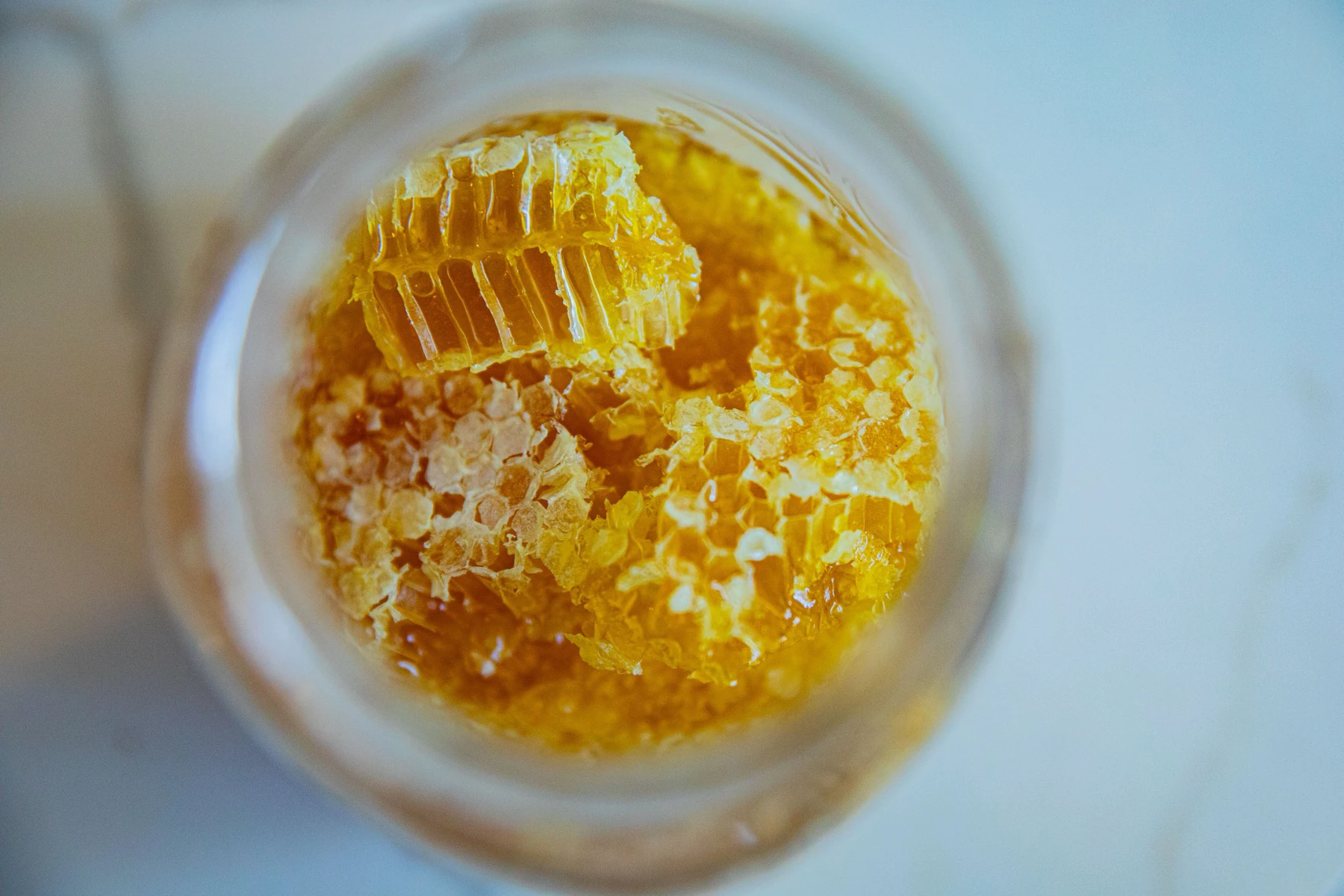

Other ingredients that may need source verification include lanolin, carmine, collagen, and some forms of glycerin or squalene. An ingredient name alone does not always reveal whether its source is animal, plant, microbial, or synthetic. If strict vegan status matters, use the certifier's record or ask the brand for the source of the ingredient in that exact formula rather than guessing from the INCI name.
The reverse distinction matters too. A formula advertised as containing no animal-derived ingredients does not automatically disclose what the brand, contract manufacturer, ingredient suppliers, or regulators may have done. Look for an animal-testing policy with a defined scope.
Korean law helps, but it is not the same as certification
Korea's current Cosmetics Act, Article 15-2, effective April 2, 2026, generally prohibits responsible cosmetic sellers and customized-cosmetic sellers from distributing or selling a cosmetic tested on animals or made with an animal-tested cosmetic ingredient. The same article includes exceptions. They cover circumstances such as the absence of a recognized alternative method, testing required by an export or import country's law, ingredients developed through testing required under another law, and certain safety assessments.
The practical conclusion is narrow: Korean law reduces animal testing in the cosmetics market, but “made in Korea” or “sold in Korea” is not itself a cruelty-free certification. The statute is a legal rule with exceptions; it is not a public audit of each brand's global suppliers, overseas distribution, parent company, or future products.
This also makes old shopping lists fragile. In one Asian Beauty community discussion, a commenter explained that a personal spreadsheet had not been rechecked and that some entries were in a “grey list” based on brand claims rather than certification. That is useful evidence of the consumer problem, not proof of any brand's present status. Ownership, certification, formulas, and market policies can change, so verify on the day you buy.
A 90-second verification method
1. Decide what you require. If you need both vegan and cruelty-free, write down both. Add parent-company or environmental criteria separately; they are not automatically included.
2. Identify the exact item. Record the full product name, variant or shade, and the company named on the package. A retailer's “vegan” filter is a lead, not final evidence.
3. Name the certifier. Search the logo and organization, then open the certifier's own directory—not a reseller's list or an image of a certificate reposted by a marketplace seller. Confirm whether the result covers the product, the brand, or only a category.
4. Read the standard's testing boundary. Look for ingredients, formulations, finished products, third-party manufacturers, suppliers, fixed cut-off dates, regulatory testing, foreign markets, audits, and renewal. A statement that mentions only the finished product leaves more unanswered than one that defines the supply chain.
5. Cross-check the formula. If vegan status matters, compare the current package with the product record and inspect the full ingredient list. Ask the brand when an ingredient's source is unclear. A certification for one serum does not transfer to a toner with a similar name.
6. Save the evidence. Keep the certifier page or a dated screenshot with your receipt if the criterion affects whether you would use the product. That makes it easier to recheck after a reformulation or ownership change.
How much weight should a brand-only claim carry?
A detailed, dated brand policy can still be useful when no third-party certification exists. A brand may choose not to pursue certification, so absence of a seal does not prove that its claim is false. It simply means the consumer has to rely more heavily on the brand's own evidence.
A stronger self-published policy answers concrete questions: Does it cover ingredients, formulations, and finished products? Contract manufacturers and raw-material suppliers? Testing commissioned by third parties? Tests required by regulators? Every market where the product is sold? Is the whole brand covered, or only named products?
A weaker claim stops at “we do not test our finished products on animals,” uses an untraceable bunny icon, or appears only in a retailer listing. If the brand will not define its scope, treat the status as unverified rather than filling the gaps with assumptions.
Parent-company ownership is a separate ethical choice. A product or brand may meet a certifier's programme while its parent owns other businesses that do not meet your personal standard. If that matters to you, check current ownership and the certifier's rules, then decide consistently. Do not assume a product-level vegan mark certifies the parent's entire portfolio.
The reliable shopping rule is simple: verify the claim, the certifier, the scope, and the date. A real certification can carry substantial evidence, but no green color, rabbit graphic, viral list, or country of origin should substitute for those four checks.
Photo credits
- Featured photo: RDNE Stock project via Pexels.
- Label-reading photo: Sam Lion via Pexels.
- Honeycomb photo: Ekaterina Belinskaya via Pexels.
- Snail photo: Egor Kamelev via Pexels.
Sources and asset credits
- KVCS vegan-certification standard — Scope and review criteria; rechecked August 12, 2026
- KVCS cosmetic product search — Product-level verification directory
- The Vegan Society trademark standard — Ingredients, development, animal-testing and cross-contamination rules
- Cruelty Free International approval programme — Supply-chain, cut-off-date, monitoring and audit scope
- Cruelty Free International approved brands — Current directory and category scope
- Korean Cosmetics Act Article 15-2 — Current legal rule and exceptions; rechecked August 12, 2026
- Asian Beauty community discussion — Anecdotal example of why old crowd-sourced lists need rechecking, not brand-status evidence
- Featured photo credit — RDNE Stock project via Pexels
- Label-reading photo credit — Sam Lion via Pexels
- Honeycomb photo credit — Ekaterina Belinskaya via Pexels
- Snail photo credit — Egor Kamelev via Pexels
- Label-reading image — Delivery Spot licensed asset
- Honeycomb image — Delivery Spot licensed asset
- Snail image — Delivery Spot licensed asset
- Cover image — Delivery Spot licensed asset
Last updated


