
Bought Too Much K-Beauty? Add It to Your Routine Safely
Keep your proven routine in place, queue unopened products, patch-test each one, and use a simple reaction log so a large K-beauty haul does not become one uncontrolled experiment.

If a K-beauty haul has left you with more products than you can safely try, do not build a ten-step routine from the whole box. Keep the cleanser, moisturizer, and daytime sunscreen your skin already tolerates, leave the rest closed, then patch-test and introduce only one new product at a time while recording the date, area, frequency, and reaction.
The safest sequence is not toner, essence, serum, ampoule, cream. That is a layering order. An introduction order is a controlled queue: one change, enough observation to understand it, then the next change.
First, freeze the routine that already works
Write down every product you currently use without trouble. That is your baseline, and it matters more than the number of steps. If you replace your cleanser, sunscreen, and moisturizer while adding three serums, a reaction leaves six possible causes.
The American Academy of Dermatology's basic application order is cleanse, apply medication or treatment, then moisturizer and/or sunscreen, followed by makeup. The same guidance warns that using too many products can irritate skin, especially when more than one anti-aging product is involved. Use that sequence to place products on the face, but use the queue below to decide when each new one earns a place.
If your skin is already stinging, unusually dry, inflamed, or breaking out, this is a poor time to run a multi-product trial. Pause the haul and return to products you know you tolerate. Prescription acne, eczema, rosacea, or pigment treatment should follow the clinician's plan rather than a shopping-haul schedule.
Turn the haul into a queue before opening it
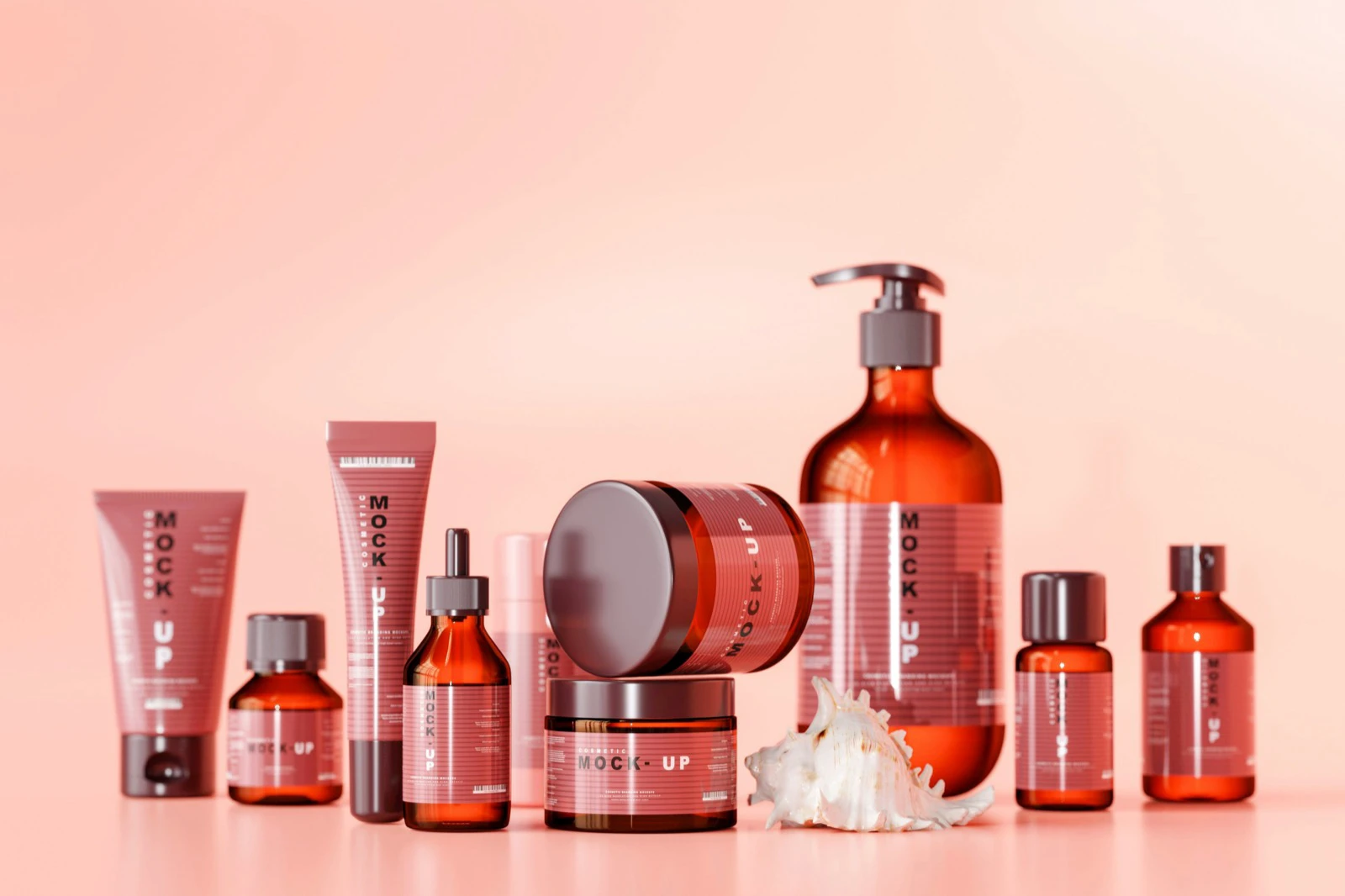
Make one inventory with the exact product name and version. Next to each item, note its job, whether it is sealed or opened, its labeled expiry or use-by information, and whether it duplicates something already in your routine. Do not assume that every toner is interchangeable or that a reformulated product will behave like the old version.
Put the products in this order:
- A necessary replacement, one at a time. If a tolerated basic is about to run out, test its replacement before adding an optional treatment. A new cleanser or sunscreen still counts as a new product.
- One product for your main concern. Choose the item with the clearest purpose and directions, not the one with the most dramatic marketing. Keep every other new treatment out of the routine.
- Optional layers and duplicates. Extra essences, masks, and second products for the same job can wait. Opening them does not make the routine more complete; it only starts the clock on the package.
Product category is not a safety ranking. A watery toner can contain a strong exfoliant, while a thick cream may be a plain moisturizer. Read the directions and ingredient list for the exact version you bought. If two products both exfoliate or target the same concern, do not introduce them together just because their textures occupy different steps.
Community discussions repeatedly reveal the practical cost of ignoring this rule. In one r/AsianBeauty thread about opening a new haul all at once, users described having to strip their routines back because they could no longer identify the trigger. In a separate Korean-skincare discussion, the recurring advice was to add one product at a time and move more slowly with concentrated actives. These are personal experiences, not clinical rules, but the debugging problem is real: several simultaneous changes destroy the comparison.
Patch-test the next product, not the whole haul
Before full-face use, the AAD recommends testing a skincare product on a small area. Apply the normal amount to a quarter-sized spot on the underside of the arm or inside the elbow twice daily for 7 to 10 days. For a wash-off product, leave it on only as long as the directions say; if the label gives no time, the AAD suggests about five minutes before rinsing.
A home test can reveal irritation or a contact reaction, but passing it does not guarantee that repeated full-face use will be trouble-free. It also does not prove that a product is effective. For a concise walkthrough, use Delivery Spot's step-by-step patch-test guide.
If the test area becomes red, itchy, or swollen, the AAD advises washing the product off and not using it again. Severe symptoms or a reaction that does not resolve need medical attention. Sudden swelling of the lips, mouth, throat, or tongue, or trouble breathing can signal anaphylaxis and requires emergency help. Widespread hives, blistering, or rapidly worsening symptoms also warrant urgent assessment; do not deliberately retest a product after a severe reaction.
Give one product a real routine trial
After a clear patch test, add that product to only one part of the routine and follow its label. Do not increase the amount or frequency to catch up with an overflowing shelf. Keep the rest of your routine, hair products near the face, and other likely variables as stable as reasonably possible.
There is no honest universal answer to “How many days until I add the next one?” Safety observation and proof of benefit are different timelines. The AAD notes that, unless a product is irritating, consistent use for at least 30 days may be needed to tell whether a skincare product is working. Its separate guidance on anti-aging products says some results take six weeks or longer. Neither point is a reason to push through a bad reaction.
For the queue, the practical checkpoint is simpler: do not add the next product while you are still unsure whether the current one is changing comfort, redness, dryness, or breakouts. If the current item is a prescription or a strong treatment, use the timeline given by the clinician or label. A sale calendar, return deadline, or social-media routine is not a skin-safety schedule.
Keep a log short enough that you will use it


A useful entry takes less than a minute. Record:
- date and time;
- exact product name and version;
- where you applied it;
- amount and frequency;
- any new sensation or visible change;
- other relevant changes, such as another cosmetic, unusual sun exposure, illness, or a menstrual-cycle shift;
- one photo in the same lighting and camera position when there is something worth comparing.
A line such as Aug 10, PM — Product X, one pump, cheeks and forehead — no sting; cheeks normal next morning is more useful than “skin good.” If something changes, record when it began, where it appeared, whether it spread, and what happened after you stopped the new item. Do not rely on memory after several days.
Review the log before advancing the queue. No new symptoms means continue observing according to the directions. A mild, brief sensation is not automatically dangerous, but it is also not automatically “purging.” Persistent burning, spreading redness, swelling, marked itching, hives, or blistering are stop signals, not evidence that a product is working.
When a reaction appears, remove the single new item and return to the tolerated baseline. That is the payoff of one-at-a-time testing: you have one clear suspect instead of dismantling the entire routine. If symptoms are severe, keep worsening, or do not settle, seek professional advice rather than cycling through the remaining haul.
What to do with everything still waiting
Keep unopened products sealed, cool, dry, and away from direct sun according to their labels. Check the retailer's return policy before breaking a seal. If you will not reach an item before its labeled date or do not need the duplicate, a permitted return or an unopened gift is more sensible than opening it “just to try.” Donation programs set their own rules, so confirm that they accept sealed cosmetics before sending anything.
Do not decant products into unmarked jars to save space; you lose the exact name, directions, batch information, and date that make the log useful. Do not share products you have already opened if the packaging or applicator can be contaminated. Discard a product that is beyond its labeled date or has an unexplained change in smell, color, or texture.
A large haul does not require a large routine. The products that remain closed are not being wasted: they are waiting until the current experiment gives you a clear answer.
Photo credits
- Skincare product counter: Polina Tankilevitch / Pexels.
- Closed skincare product queue: pmv chamara / Unsplash.
- Starting a product log: Anete Lusina / Pexels.
- Reviewing a product log: Anete Lusina / Pexels.
Sources and image credits
- basic application order — Checked for guide details or image attribution.
- r/AsianBeauty thread about opening a new haul all at once — Checked for guide details or image attribution.
- Korean-skincare discussion — Checked for guide details or image attribution.
- testing a skincare product on a small area — Checked for guide details or image attribution.
- anaphylaxis and requires emergency help — Checked for guide details or image attribution.
- consistent use for at least 30 days — Checked for guide details or image attribution.
- some results take six weeks or longer — Checked for guide details or image attribution.
- Polina Tankilevitch / Pexels — Checked for guide details or image attribution.
- pmv chamara / Unsplash — Checked for guide details or image attribution.
- Anete Lusina / Pexels — Checked for guide details or image attribution.
Last updated


