
Why TikTok-Famous K-Beauty Differs From What’s Popular in Korea
TikTok virality, Korean retail sales, and Korean review rankings measure different audiences and behaviors. Learn how to identify the market, metric, time window, and commercial incentives behind any K-beauty bestseller claim.
TikTok-famous K-beauty and products popular in Korea often differ because they measure different markets, people, and behavior. A viral video or TikTok Shop sale can show overseas discovery, while Korean retail receipts and reviews show what particular Korean shoppers bought or rated—neither proves a product is better for your skin.
Read any ranking by asking four things: who generated it, in which country, during what period, and which action the ranking counted.
There is no single “real Korea” beauty list
Korea is not one consumer profile. A product can be strong among teenagers, sensitive-skin app users, department-store customers, dermatology-clinic shoppers, or Olive Young members without leading every group. Age, price, skin concern, season, neighborhood, and retail channel all change the answer.
Brand popularity and product popularity also diverge. One cleanser or lip shade may be a repeat-purchase staple while the rest of its brand is less visible. A brand that is quiet at Olive Young may sell through department stores, pharmacies, clinics, its own website, or export distributors. Absence from one shelf or ranking is not proof that Korean consumers rejected it.
Treat broad “what Korean women use” lists cautiously. A useful list names its sample and metric; an authenticity claim does not.
TikTok measures discovery in a specific feed and market
TikTok rewards content that earns attention quickly. A peel, texture change, device demonstration, before-and-after sequence, or simple ingredient story is easier to show in a short video than a plain moisturizer that succeeds through months of quiet repurchase. Shoppable videos, live sessions, creator commissions, free products, and limited offers can then turn that attention into platform sales.
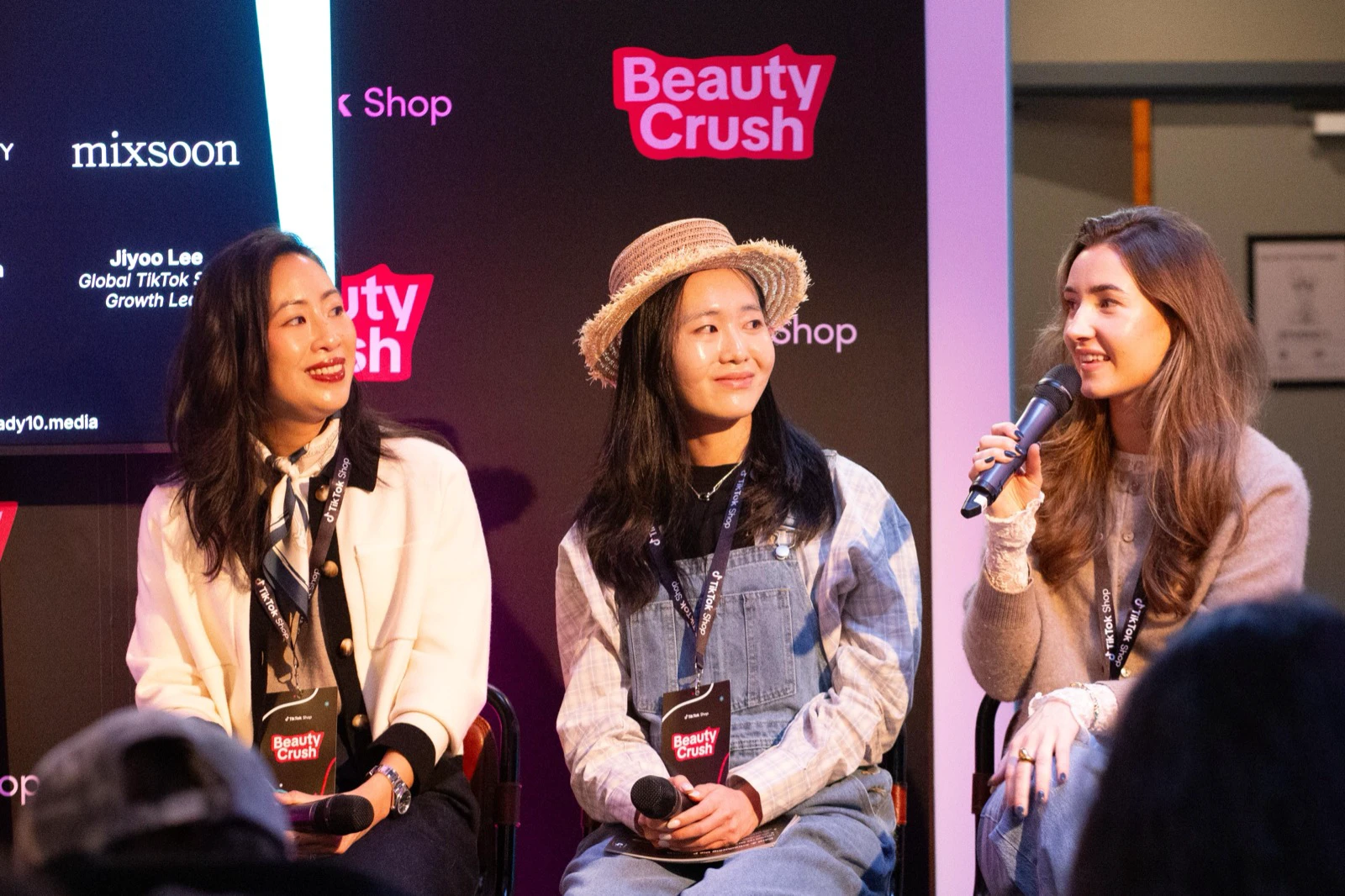
TikTok's own January 2026 Beauty Crush report makes the market boundary unusually clear. It reports 60% year-on-year beauty growth and a 125% rise in K-beauty searches on TikTok Shop UK, and describes its model as content-first discovery driven by creators, live shopping, and searches by skin concern. Those are meaningful UK commerce signals; they are not Korean household purchase data.
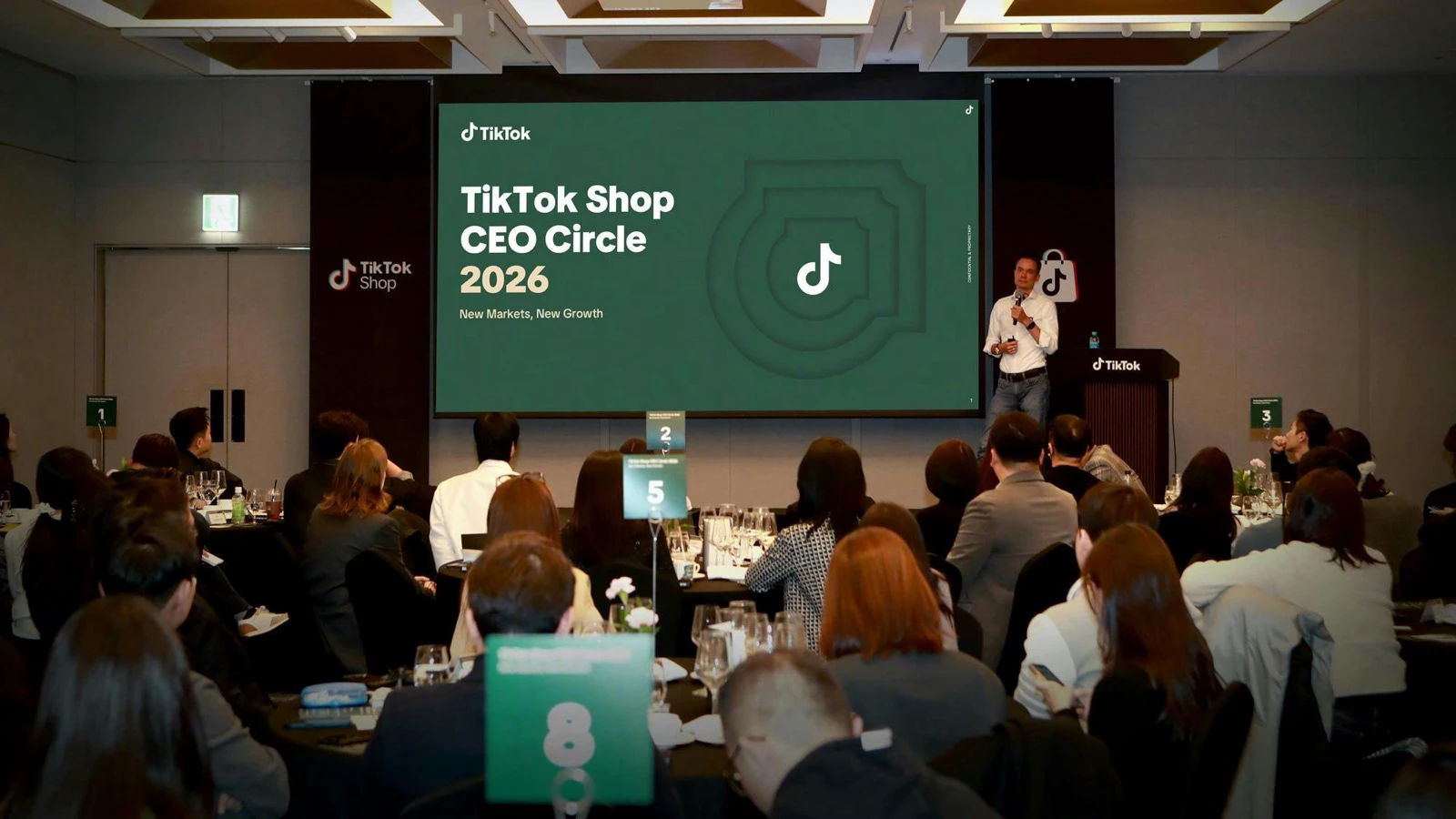
The platform's Korean newsroom provides another useful clue. At its TikTok Shop CEO Circle 2026, TikTok described cross-border tools helping Korean companies sell into the United States and Southeast Asia and said on January 13 that a Korean TikTok Shop launch date had not been set. A “TikTok Shop bestseller” can therefore reflect an export market even when the product is made in Korea.
Virality is still informative. It can reveal fast-growing interest, a compelling format, or an underserved overseas concern. It just answers a different question from “What do shoppers in Korea repeatedly buy?”
Korean rankings also have denominators
A Korean retailer ranking is closer to domestic purchasing, but it is not a national census. It reflects that retailer's assortment, members, promotions, stock, stores, online traffic, category rules, and measurement window. Live rankings can also move during a sale or after a prominent placement.
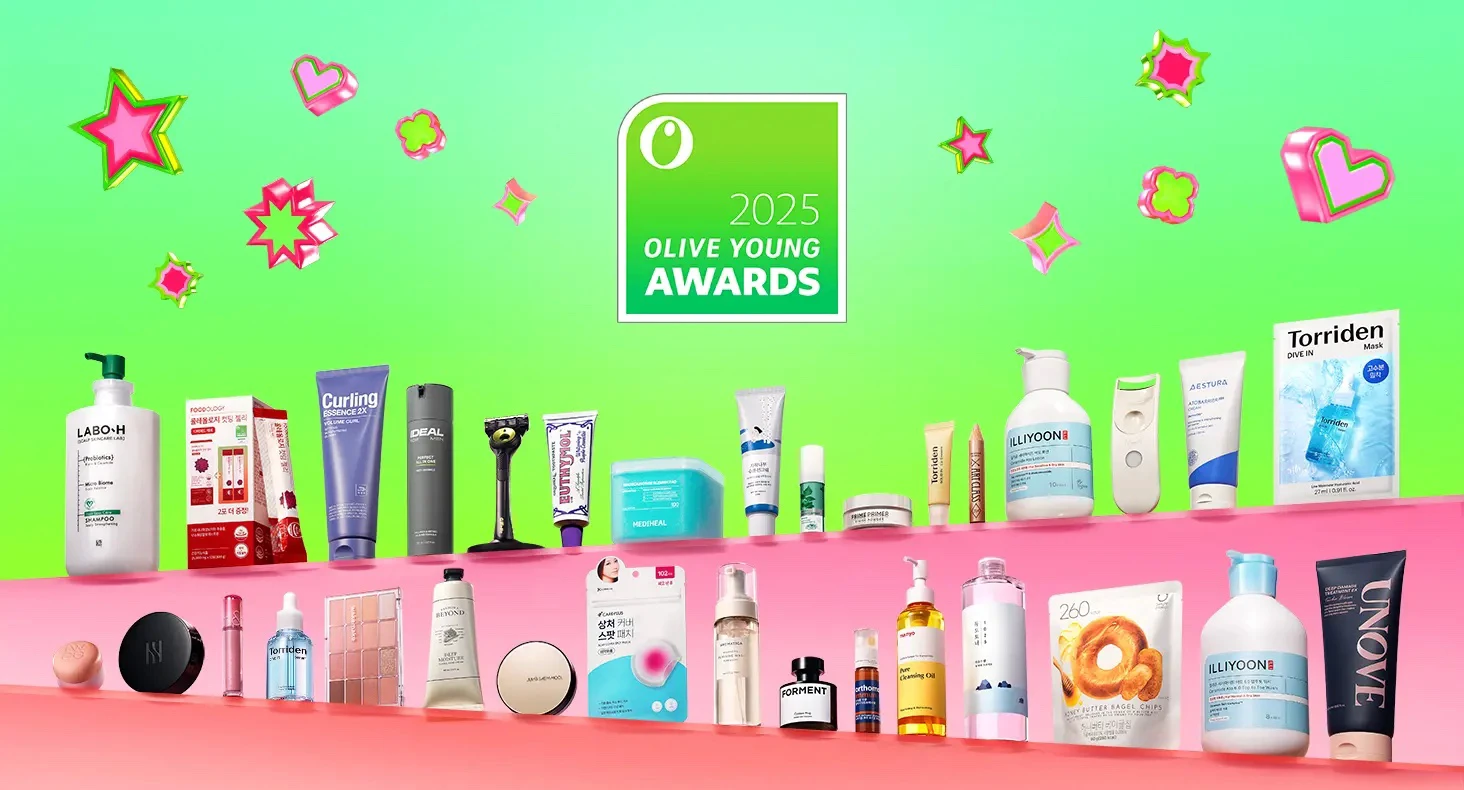
The official 2025 Olive Young Awards explains its base: 180 million customer-purchase data points from July 1, 2024 through June 30, 2025, analyzed alongside category trends. It separates 32 established domestic categories, five domestic trend categories, and three global trend categories. The separation itself is the point—Olive Young does not treat domestic and global demand as identical.
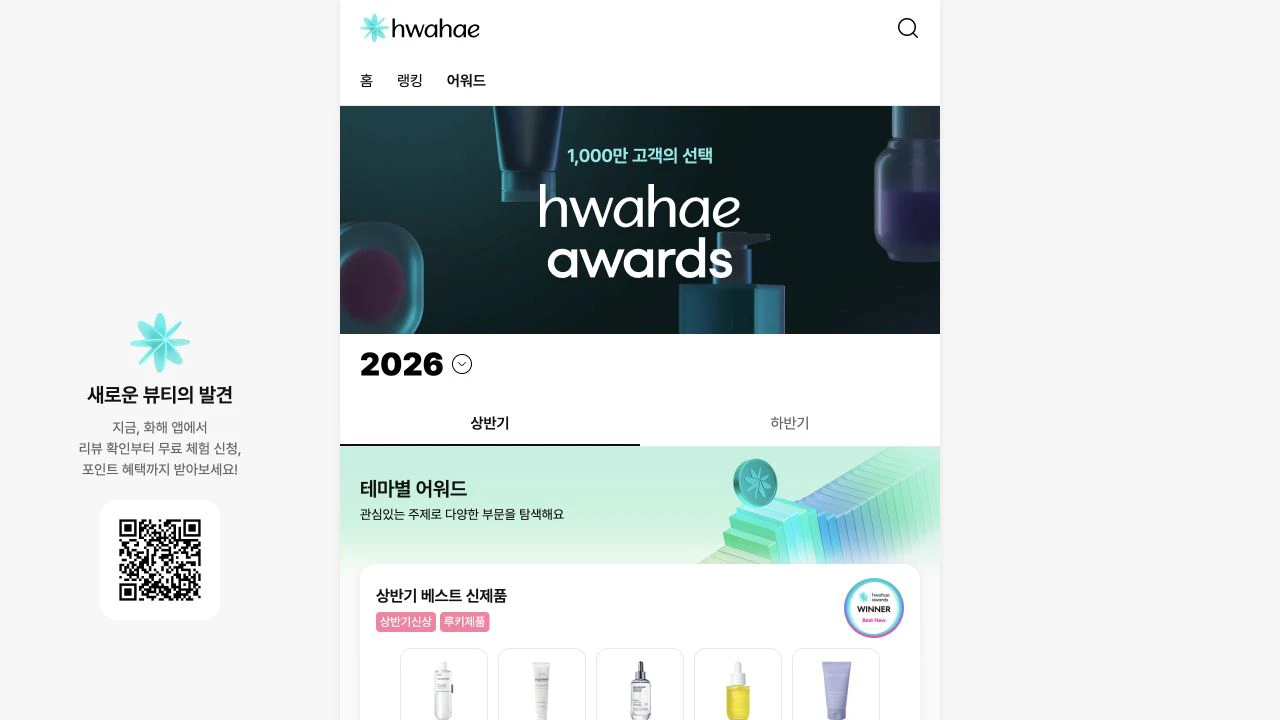
Hwahae measures another population: people who use a Korean beauty-review platform. Its official 2026 awards page separates new products, efficacy/effect, vegan, next beauty, rising trend, and global picks. A professional report on the 2026 first-half Hwahae Awards says the program drew on more than 440,000 products and over 10 million reviews and ratings, with the half-year awards based on reviews collected from November 2025 through April 2026. That is strong review evidence, but still evidence from Hwahae's users and rules—not every buyer in Korea.
Five reasons the lists diverge
- Different people. A US or UK TikTok audience, Korean Olive Young members, and Hwahae reviewers differ in age, language, concerns, and shopping access.
- Different actions. Views, searches, likes, platform sales, receipts, repeat purchases, and star ratings are not interchangeable.
- Different catalogs. Export-focused brands can invest in overseas creators before gaining broad Korean distribution. Korean channel staples may have little English-language marketing or overseas stock.
- Different incentives. Creator commissions, gifted products, paid placements, retail promotions, and awards badges can accelerate visibility. None automatically makes a recommendation dishonest, but the relationship changes how you should weigh it.
- Different clocks. A seven-day viral surge, a live bestseller list, six months of reviews, and a full year of receipts describe different stages of a product's life. Rankings can reverse without either source having been wrong.
Reddit threads repeatedly ask which products are “actually popular” rather than TikTok-famous. One long Korean-skincare discussion contains conflicting brand lists, reminders that individual products can outperform their brands, and comments that the answer changes quickly. That disagreement is useful evidence of the question's limits, not a reliable national leaderboard.
Audit any “bestseller” claim in 60 seconds
First, identify the country or storefront. “TikTok Shop,” “Olive Young,” and “global” are incomplete without a market. Next, find the date and time window. A current live chart and a 2025 annual award should not be compared as if they were simultaneous.
Then identify the metric. Does “popular” mean views, search growth, units, revenue, receipts, reviews, rating, repurchase, or an editor's choice? Look for the category and eligible catalog too: No. 1 among newly launched toners is not No. 1 across all skincare.
Finally, check the commercial connection. The US Federal Trade Commission's influencer disclosure guidance says a material relationship includes payment as well as free or discounted products, and that disclosure should be hard to miss. Look for “ad,” “sponsored,” gifted-product language, an affiliate link, or a shop commission. A disclosed partnership can still contain useful testing; it should not be mistaken for independent population-level evidence.
For a purchase, use three signals instead of chasing one winner:
- Discovery signal: What does the TikTok post actually demonstrate, and is the creator's relationship disclosed?
- Korean purchase signal: Does a dated domestic retailer or annual sales-based award show demand in the relevant category?
- Korean review signal: Do recent reviews from people with a similar skin type describe consistent benefits and recurring problems?
If the product appears in only one signal, that is a reason to investigate, not an automatic rejection. Confirm the exact formula, choose for your skin concern, and patch test rather than buying because a product is “viral abroad” or “what Koreans use.” If you are shopping in person, our duty-free, Olive Young, and flagship comparison explains which channel is most useful for testing, stock, and final-price checks.
A TikTok hit can become a Korean staple, and a Korean staple can later break overseas. The lists diverge because beauty trends cross borders through different platforms, audiences, and clocks.
Sources and image credits
- TikTok Shop Beauty Crush report — January 2026 UK-market growth figures, discovery model, and source page for the Beauty Crush panel image.
- TikTok Shop CEO Circle 2026 — Korean companies' cross-border commerce context, January 13 Korean-launch status, and source page for the CEO Circle image.
- 2025 Olive Young Awards — Purchase-data window, award-category structure, and source of the awards display image.
- 2026 Hwahae Awards — Official award-category definitions and source of the awards-page image.
- ZDNet Korea report on the 2026 first-half Hwahae Awards — Product, review, rating, and review-window figures.
- Reddit Korean-skincare discussion — Conflicting anecdotal views used only to show why “actually popular” lacks one universal answer.
- US Federal Trade Commission influencer-disclosure guidance — Material-relationship and clear-disclosure guidance.
- Delivery Spot featured image file — TikTok Shop CEO Circle 2026 presentation image used as the cover.
Last updated


