
Can Teens Use K-Beauty Actives? Retinol, AHA and BHA
Most teens do not need anti-aging actives. Match one treatment to a real concern, keep the routine simple, and stop when irritation appears.

Most teenagers do not need retinol, vitamin C, or strong AHA/BHA exfoliants for “anti-aging” or a viral glass-skin routine. An active can make sense for a defined concern—most often acne—but it should be one treatment inside a stable cleanser, moisturizer, and sunscreen routine, not the start of a product stack.
That is not a blanket age ban. A younger teen with eczema and an older teen already following an acne plan need different advice. Treat this as a shopping and routine framework, not a diagnosis; painful, widespread, scarring, or persistent acne and any severe reaction need qualified medical care.
Start with the job, not the percentage
Before comparing concentrations, finish one sentence: “I want this product to help with ___.” If the only answer is “anti-aging,” “prevention,” or “everyone online uses it,” leave it on the shelf.
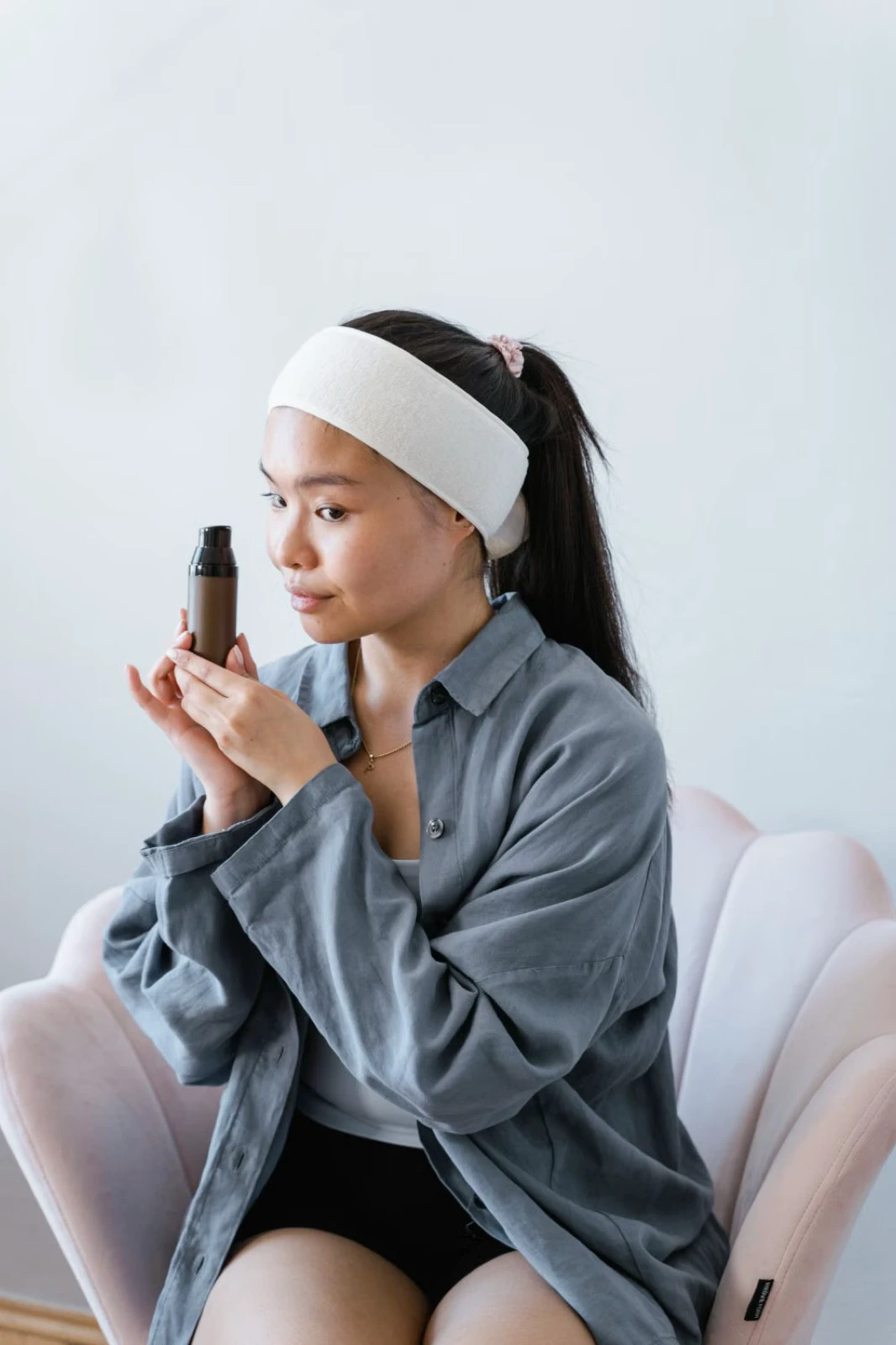
The American Academy of Dermatology’s guidance published in October 2025 recommends that tweens and teens avoid trend-driven retinol, vitamin C, and exfoliating acids aimed at wrinkles, sun damage, and uneven tone. It distinguishes those adult-targeted products from acne care: salicylic acid or benzoyl peroxide may be useful for some teens, and a dermatologist may recommend a retinoid or salicylic acid for acne.
Use the purpose to choose the lane:
- No defined concern: keep the routine simple and skip the active.
- Blackheads or mild acne: consider one evidence-based acne treatment, not an acid toner, pad, serum, and cleanser doing the same job.
- Painful, widespread, scarring, or persistent acne: get medical advice instead of escalating acids at home.
- Wrinkle prevention or adult-style brightening: daily sunscreen is the relevant long-term habit; a retinol or vitamin C routine is not a teen requirement.
Real questions show how quickly a routine grows. A community discussion about skincare for ages 12–17 and a Naver Q&A from a middle-school student both focus on what to add and how to order several products. These are personal experiences, not medical evidence. Their useful lesson is the shopping pattern: each bottle can look harmless while the combined routine quietly repeats exfoliation or irritation.
Retinol, AHA, BHA, and vitamin C do different jobs
“Active” is a broad retail label. A teen does not need one product from every category.
- Retinol and retinoids: retinol is widely sold in cosmetic anti-aging products. Retinoids also include acne medicines. Skipping an unnecessary cosmetic serum does not mean ignoring a clinician-directed acne treatment; the purpose, formula, and instructions differ.
- AHA: glycolic and lactic acids exfoliate the skin surface. They are often marketed for texture and radiance, but a strong acid toner or peel is not a basic teen step.
- BHA: in skincare, BHA usually means salicylic acid. It can help clogged pores and acne, but can still dry or irritate skin. A salicylic cleanser plus an acid pad and toner may duplicate one treatment.
- Vitamin C: it is marketed for brightness and antioxidant care. It is not required for healthy teen skin, and a low percentage does not create a need that was absent.
Read the ingredient list across the whole shelf, not bottle by bottle. Our guide to K-beauty ingredient lists helps spot duplicate exfoliants hidden behind different front-label names.
Build the routine that can carry a treatment
The American Academy of Pediatrics’ HealthyChildren guidance, last updated in August 2025 favors a short, consistent routine over a long viral one. Its core is gentle cleansing, lightweight moisturizing, and broad-spectrum SPF 30+ protection.
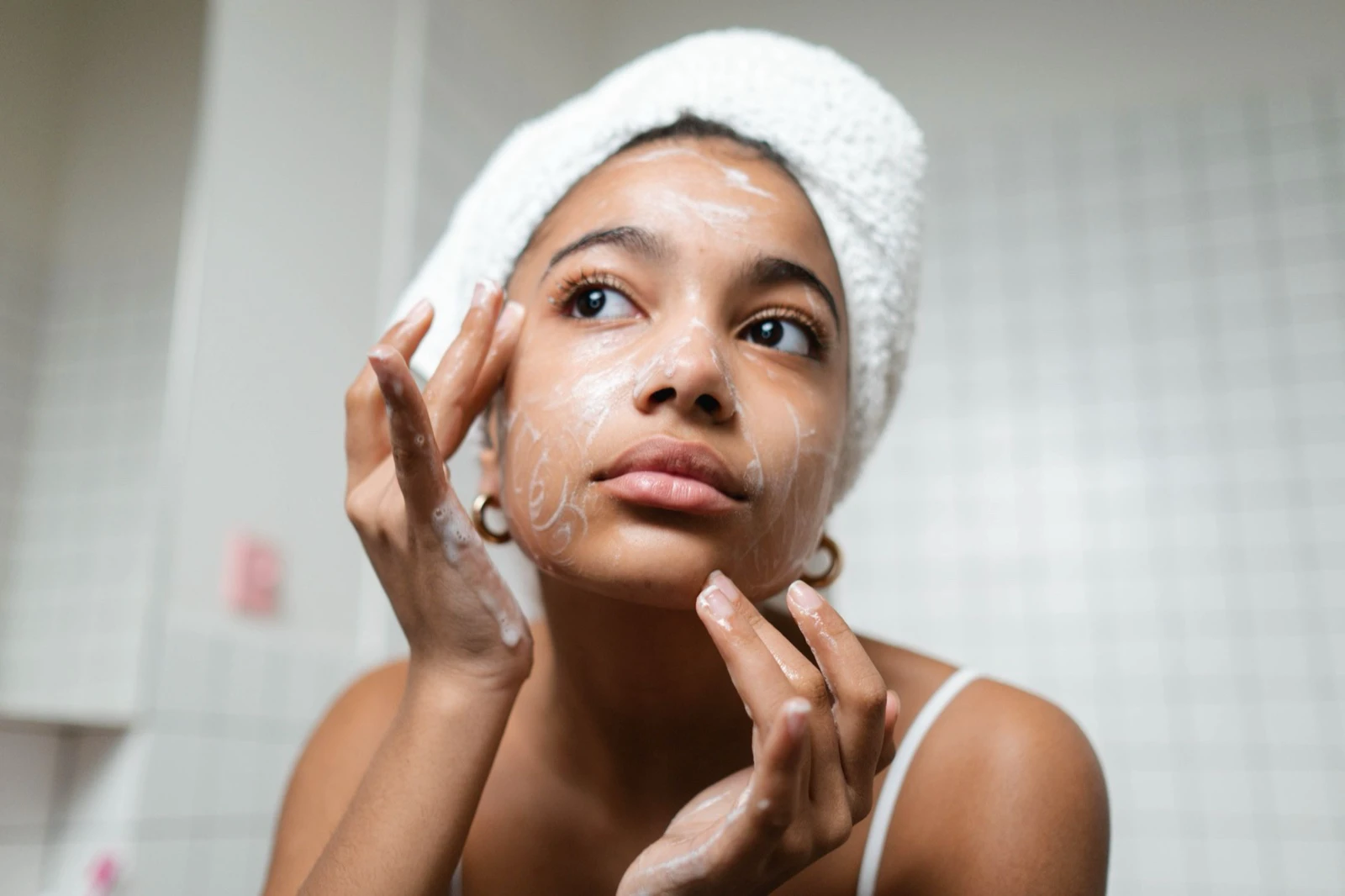
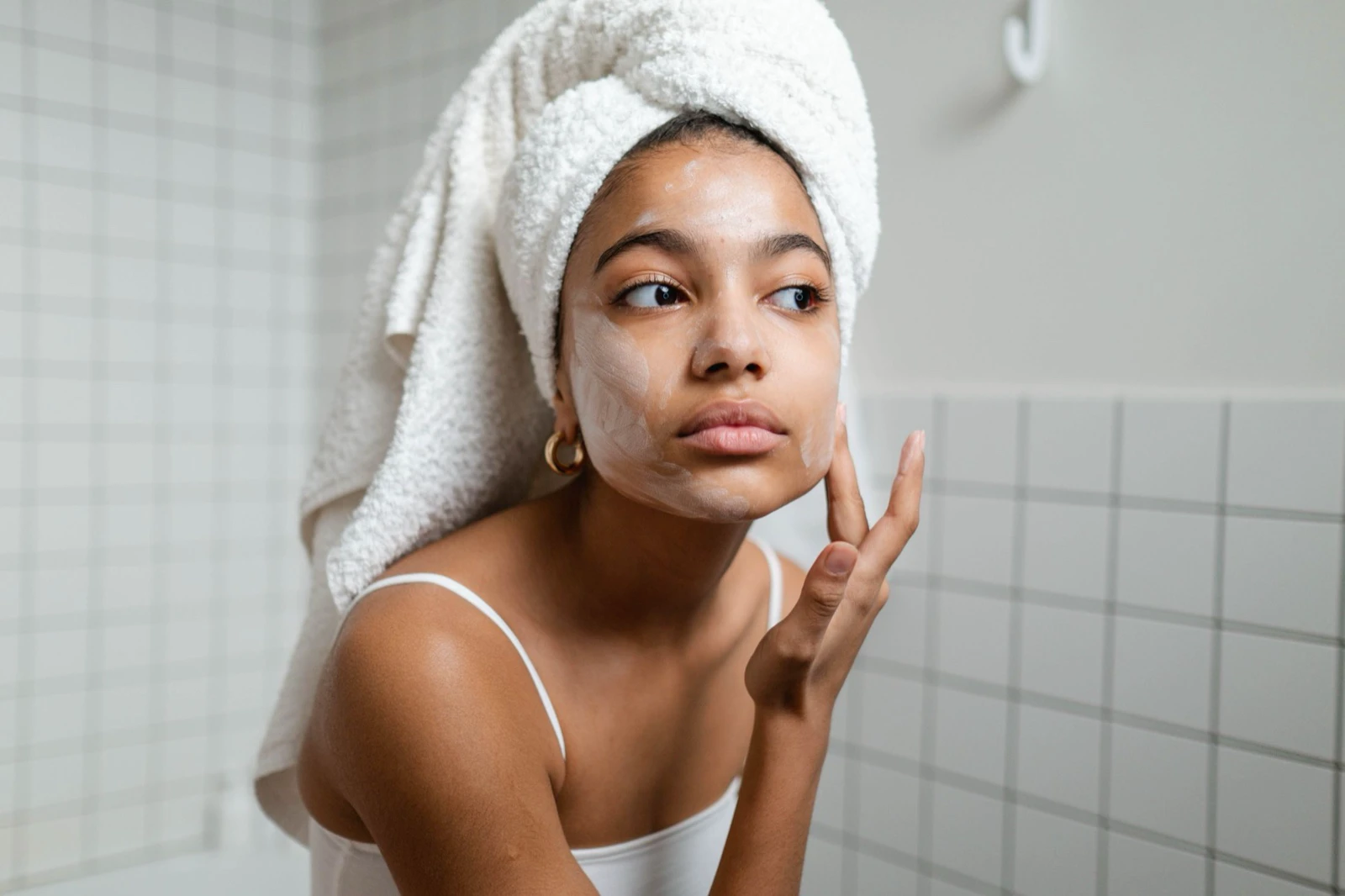
Morning: gentle cleanse if needed → lightweight, fragrance-free moisturizer → broad-spectrum SPF 30+ sunscreen. Follow the sunscreen label for amount and reapplication, especially outdoors.
Evening: gentle cleanser → one chosen acne treatment, if needed → moisturizer. Follow the product label or clinician’s instructions instead of assuming daily use from the first night.
Toner, essence, ampoule, eye cream, sheet mask, exfoliating pad, and sleeping pack are optional formats, not missing health requirements. The same logic behind our realistic alternative to a 10-step routine matters even more when easily irritated skin is involved.
If acne is the reason, choose one treatment lane
Hormonal changes can increase oiliness and breakouts during the teen years. “Never use actives” is therefore too blunt. The practical rule is to match one treatment to the concern while keeping moisture and sun protection in place.
- Choose a salicylic-acid cleanser or leave-on product for clogged pores rather than several overlapping acid steps.
- Consider benzoyl peroxide for inflammatory breakouts only when its label or a clinician makes it appropriate; it can dry skin and bleach fabric.
- Use a retinoid when a qualified clinician recommends or directs it for acne, and follow those instructions rather than a creator’s layering schedule.
Some acne products intentionally combine ingredients. That is different from independently layering a peel, acid toner, acne serum, and retinol because separate videos recommended them. If over-the-counter care has not helped after a few months, or acne is leaving dark marks or scars, arrange a dermatology assessment.
Introduce one new product, then wait
Do not start a new active in the same week as three other purchases. Patch-test the product, then add it to an otherwise stable routine. Keep the packaging so the active, directions, and warnings remain available.
During the first weeks, do not treat tingling, tightness, or peeling as proof that a product works. Redness, burning, persistent itching, rash, or noticeable peeling are reasons to stop the new product and return to gentle cleanser, moisturizer, and sunscreen. Our skin-barrier recovery guide explains what to remove first. Seek prompt medical care for swelling, blistering, breathing trouble, eye involvement, or symptoms that are severe or do not settle.
When the skin is calm, ask whether the product had one clear job and could be used as directed without ongoing irritation. Popularity is not a reason to keep a product that fails that test.
The shelf-side decision
Ask three questions before buying a viral K-beauty active:
- What exact concern is this treating?
- Is another cleanser, pad, toner, serum, or acne product already doing that job?
- Can this be the only change while cleanser, moisturizer, and sunscreen stay the same?
If the answers are vague, skip it. The goal is not to make teenage skin “anti-age” sooner; it is to address acne or another real concern without turning normal skin into irritated skin.
Sources and image credits
- cottonbro studio via Pexels — featured image.
- Uploaded featured image — published copy of the credited cover asset.
- MART PRODUCTION via Pexels — product-label image.
- Ron Lach via Pexels — cleanser image.
- Ron Lach via Pexels — moisturizer image.
Last updated


