
How Much to Budget Per Day in Korea, Excluding Hotels
Plan a realistic Korea day at ₩50,000–70,000, ₩90,000–140,000, or ₩180,000–300,000 per person before accommodation, with editable spending examples.
For day-to-day spending in Korea, plan ₩50,000–70,000 per person on a careful budget, ₩90,000–140,000 for a typical sightseeing day, or ₩180,000–300,000 for a comfortable day. Accommodation is not included. Neither are intercity trains or flights, shopping, nightlife, or an unusually expensive tour.
The ranges are planning tools, not a national average. Prices and public-transport fares were rechecked on August 11, 2026. Build the trip in won, then use the live rate in your card or bank app when you need a home-currency estimate; an exchange rate fixed months in advance is likely to mislead you.
Price the day you will actually have
A palace-and-neighborhood day can be inexpensive. A day with two taxis, a ticketed performance, cocktails, and Korean barbecue is a different product, even if both happen in Seoul.
Treat the three budgets below as editable receipts. Remove what you will not buy and increase the lines that matter to you.
Careful: about ₩60,000
- Breakfast or convenience-store food: ₩6,000
- Simple lunch: ₩10,000
- Casual dinner: ₩13,000
- Subway and bus rides: ₩5,000
- One low-cost sight: ₩3,000
- Coffee, water, and a snack: ₩8,000
- Unplanned margin: ₩15,000
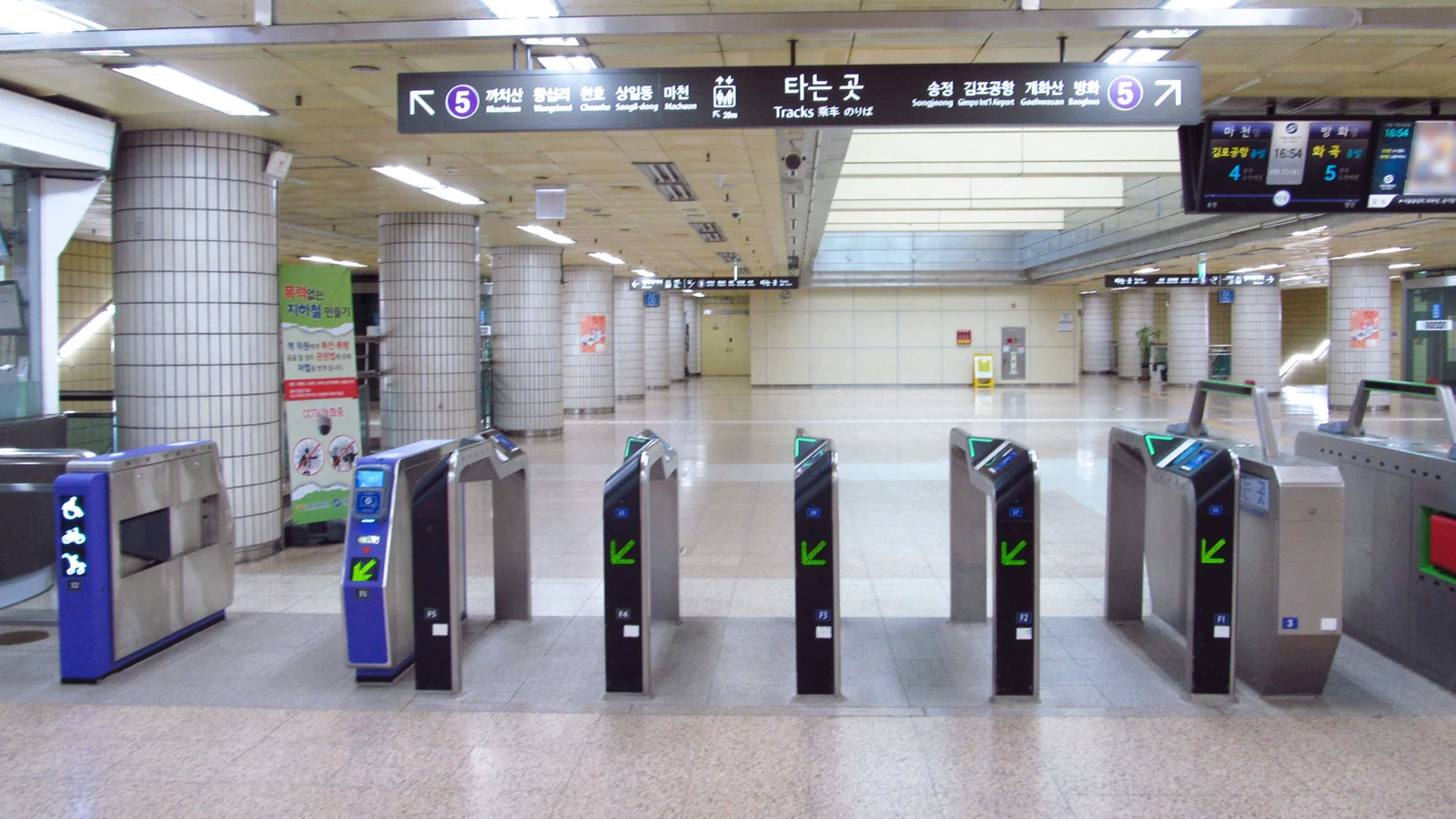
This tier does not require skipping meals, but it assumes public transport, inexpensive restaurants, and few paid activities. Seoul's adult subway base fare is ₩1,550 with a transit card; a single-ride ticket starts at ₩1,650. Gyeongbokgung costs ₩3,000 for visitors aged 19–64, so a full sightseeing day does not automatically require an expensive attraction pass.
The vulnerable line is the margin. A taxi or a second café can consume it, and a day on Jeju can cost more when public transport does not fit the route.
Typical: about ₩110,000
- Breakfast: ₩8,000
- Lunch: ₩12,000
- Dinner: ₩25,000
- Local transport: ₩7,000
- Admissions or one booked activity: ₩20,000
- Coffee, dessert, and water: ₩13,000
- Flexible margin: ₩25,000
Choose this tier for three restaurant meals, one paid attraction, and enough room to change plans without auditing every drink. It is a comfortable everyday budget, not a luxury one.
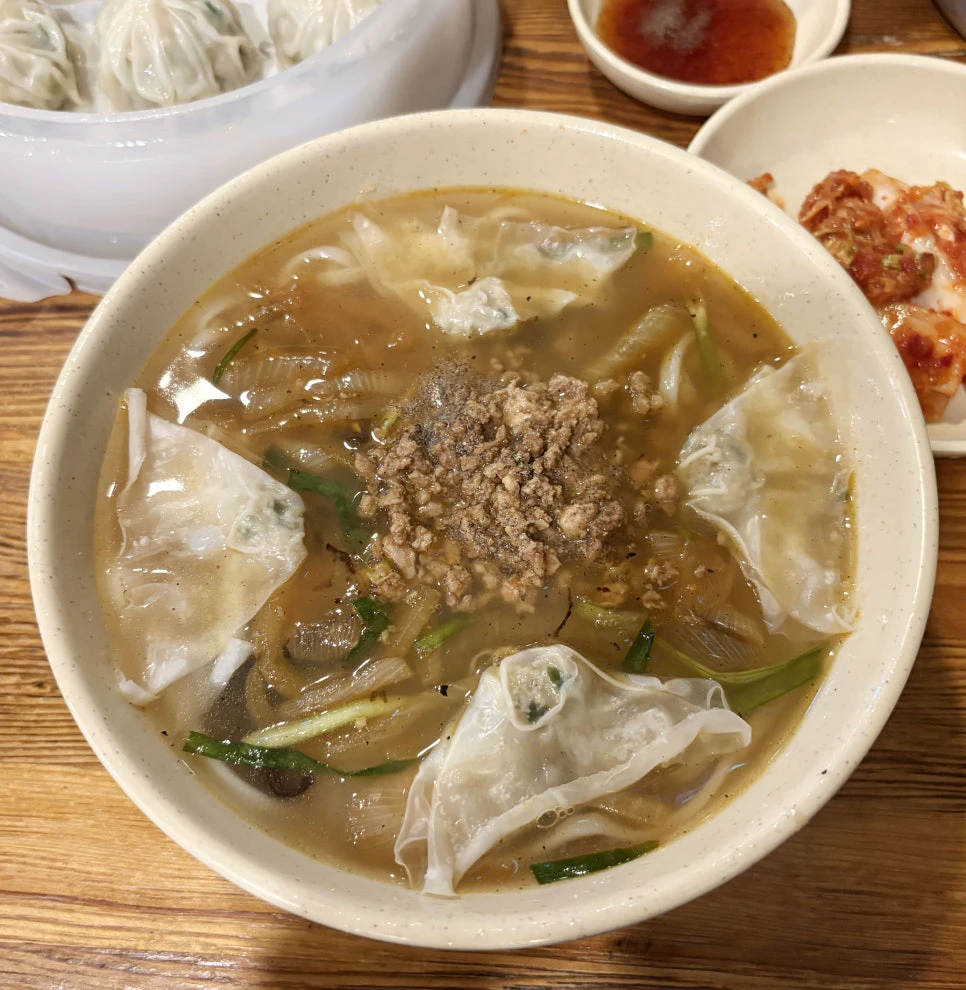
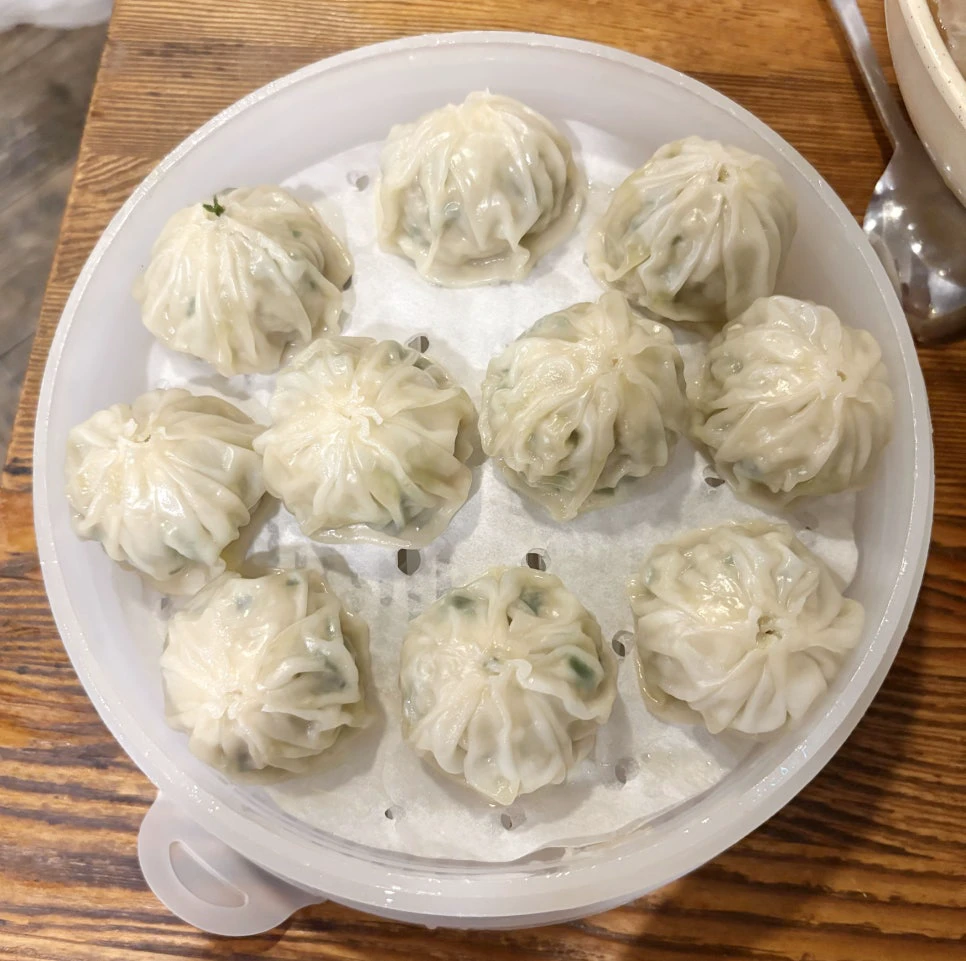
A real menu makes the numbers easier to judge. Naver currently lists Myeongdong Kyoja Main Store's kalguksu at ₩12,000 and dumplings at ₩13,000. One bowl fits the lunch line. If two people each order kalguksu and share one dumpling tray, the food total is ₩18,500 per person before drinks. This is a price anchor, not a promise that every popular Myeongdong meal costs the same.
Comfortable: about ₩230,000
- Meals: ₩100,000
- Taxis: ₩30,000
- Tickets or a premium activity: ₩50,000
- Coffee, dessert, or drinks: ₩20,000
- Flexible margin: ₩30,000
The extra money mostly buys convenience: a taxi when rain, luggage, or fatigue makes the subway unattractive; freedom to order without optimizing every dish; and room for a premium activity on the same day.
Seoul's standard daytime taxi meter starts at ₩4,800 for the first 1.6 km. The base fare rises after 10 p.m.; the city's highest listed late-night surcharge applies from 11 p.m. to 2 a.m. Two or three rides will shape the day's total far more than the opening number on the meter.
Even this tier may be too low for a tasting menu, premium concert seat, club night, or a large beauty purchase. Give those items their own budget line rather than hiding them in ordinary daily spending.
Keep transfer days and shopping separate
Do not bury a Seoul–Busan KTX ticket, a Jeju flight, airport transport, or a rental car inside the ₩110,000 model. Price each transfer when you book it, then add that day's food and local-transport allowance.
Shopping needs the same treatment. Skincare, fashion, souvenirs, and duty-free purchases are choices, not daily living costs. Combining them with meals and transport is why two travelers can report wildly different “daily budgets” while eating in similar places.
Read traveler totals with context
In one 2025 Naver account of a two-person Seoul trip, the writer listed ₩100,000 for food and ₩40,000 for admissions across two days. That works out to ₩35,000 per person per day for only those two categories. The same account also mentions a taxi and a ₩20,000 rickshaw ride, showing how a neat headline total can leave out the small choices that change the bill. It is one family's record, not a Korea-wide benchmark.
In a Korea Travel Reddit discussion, the original poster considered ₩100,000–130,000 a day, while one reply reported spending closer to ₩60,000–70,000. Both can be plausible once food style, paid activities, day trips, and shopping are named. Without those details, another traveler's number is not portable to your trip.
Make the budget survive the trip
Choose the tier that fits most of your days, add intercity transport and expensive bookings separately, and keep a 15–20% buffer for the whole trip. If you expect six ₩110,000 days and one ₩230,000 day, write exactly that. Averaging the week only makes it easier to forget why one day costs more.
Sources and image credits
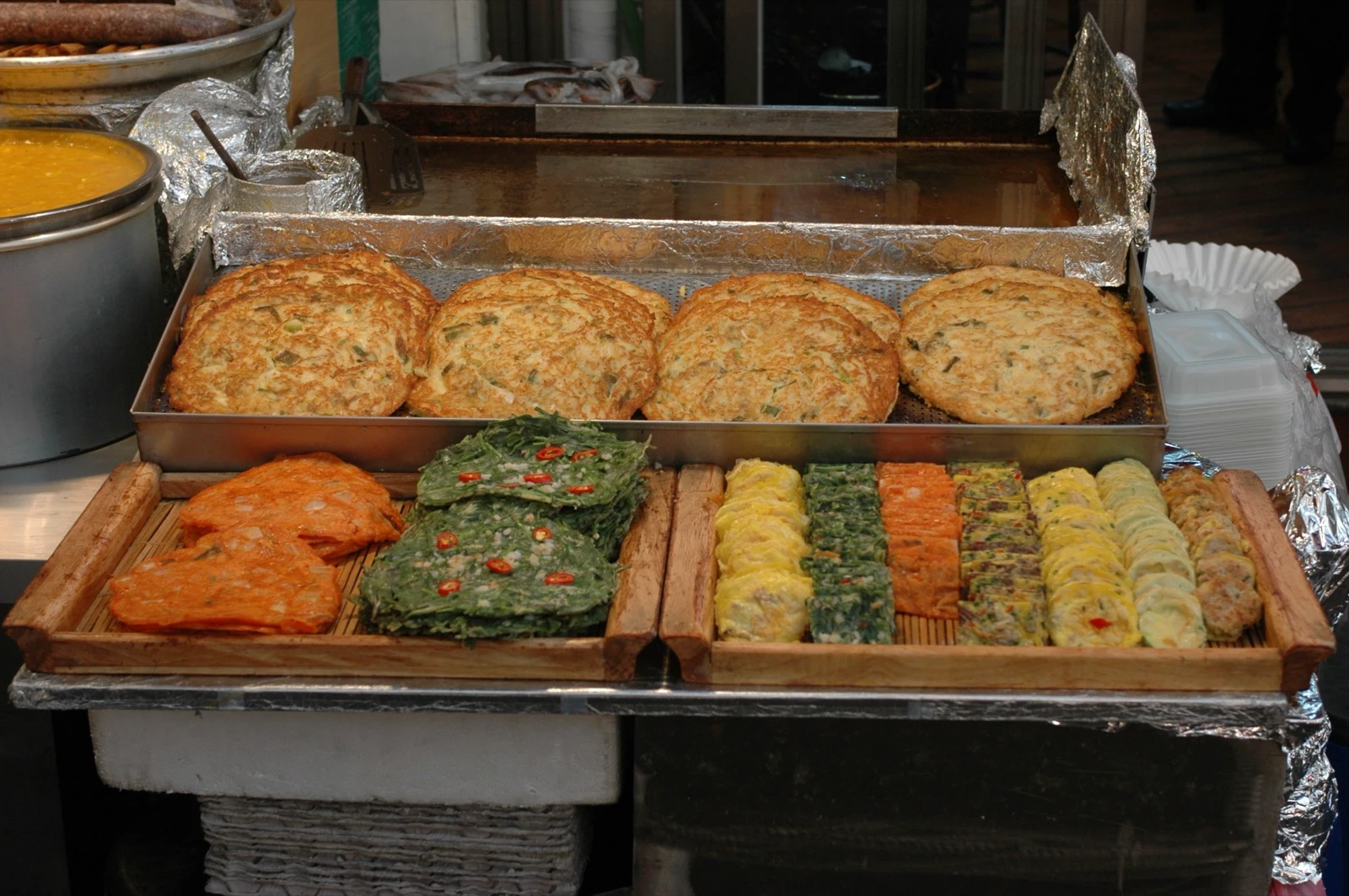
- Delivery Spot cover image file — Web-ready Gwangjang Market cover used by this guide.
- Seoul Metropolitan Government — Subway — Official base fares, effective June 28, 2025; rechecked August 11, 2026.
- Royal Palaces and Tombs Center — Admission fees — Official Gyeongbokgung adult admission; rechecked August 11, 2026.
- Naver — Myeongdong Kyoja Main Store menu — Current menu-price listing; rechecked August 11, 2026.
- Seoul Metropolitan Government — Taxi — Official standard-taxi base fare and late-night surcharge periods; rechecked August 11, 2026.
- 2025 two-person Seoul budget account — Individual trip record used only to illustrate which expenses can be omitted, not as a general price benchmark.
- Korea Travel Reddit budget discussion — Community examples used only to show how spending styles change a daily total.
- Delivery Spot subway-gate image file — Web-ready body image used by this guide.
- LERK / Wikimedia Commons — Original subway-gate photograph — Source of the subway image, adapted under the linked license.
- Creative Commons — CC BY-SA 4.0 — License for the credited subway-gate photograph.
- Delivery Spot kalguksu image file — Web-ready body image used by this guide.
- Delivery Spot dumpling image file — Web-ready body image used by this guide.
- bangdaing1 / Naver Blog — Source of the Myeongdong Kyoja food photographs; used with permission.
- Pfc. Bo Park / U.S. Army via Wikimedia Commons — Source of the cover image; public domain in the United States.
Last updated


