
Where to See Korean Street Fashion in Seoul: 4 Neighborhoods
Choose Seongsu for pop-ups and brand experiments, Hongdae for fast youth trends and affordable mixing, Hannam for curated designer minimalism, or Apgujeong Rodeo for polished contemporary and luxury fashion. Each is a retail ecosystem, not a dress code.
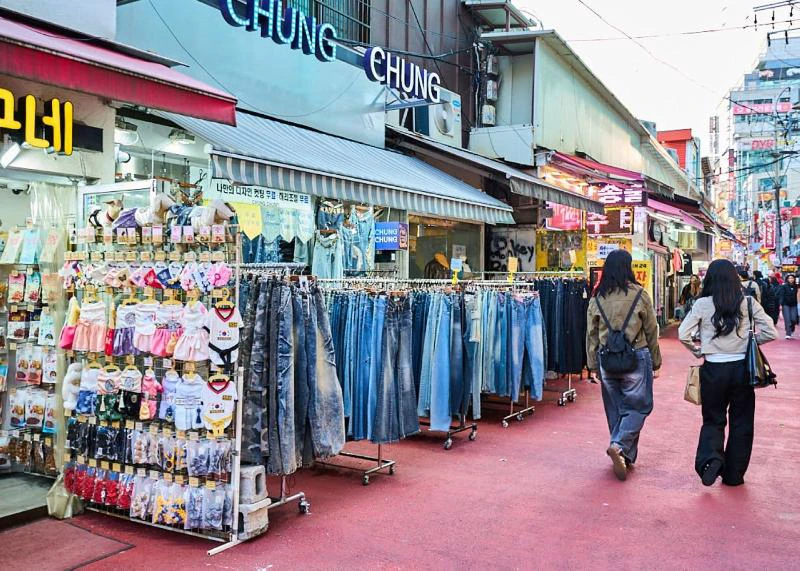
For a first Seoul fashion walk, choose Seongsu for pop-ups and experimental brand staging, Hongdae for younger and faster-moving affordable trends, Hannam for quieter designer showrooms and edited minimalism, or Apgujeong Rodeo for a polished mix of contemporary, luxury, and global streetwear. You do not need to shop to learn from any of them.
There is no single street where everyone dresses in one recognizable “Korean style.” Seoul fashion changes by age, budget, subculture, workday, weather, and even the block you are standing on. These neighborhoods simply concentrate different stores, presentations, and crowds, making certain ideas easier to observe.
The four neighborhoods at a glance
- Seongsu: best for pop-ups, flagships, sneakers, workwear references, unisex silhouettes, and brand-built experiences.
- Hongdae: best for Y2K, balletcore, casual streetwear, accessories, inexpensive trend pieces, and a dense youth-shopping atmosphere.
- Hannam: best for independent and established designer showrooms, restrained color, thoughtful materials, and lifestyle-led curation.
- Apgujeong Rodeo: best for polished contemporary dressing, luxury and multi-brand shops, statement accessories, and a local-global brand mix.
These are useful starting points, not rules about the people who live there. A weekend crowd can look different from a weekday crowd, and one event can temporarily reshape an entire street.
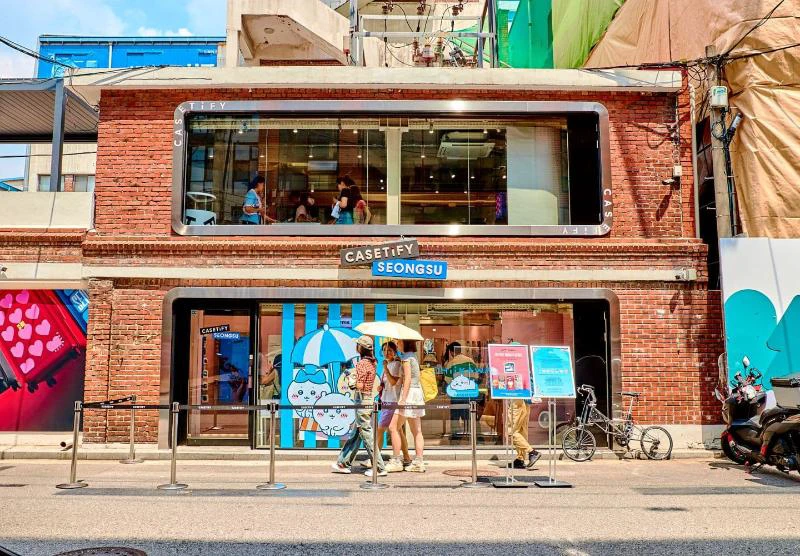
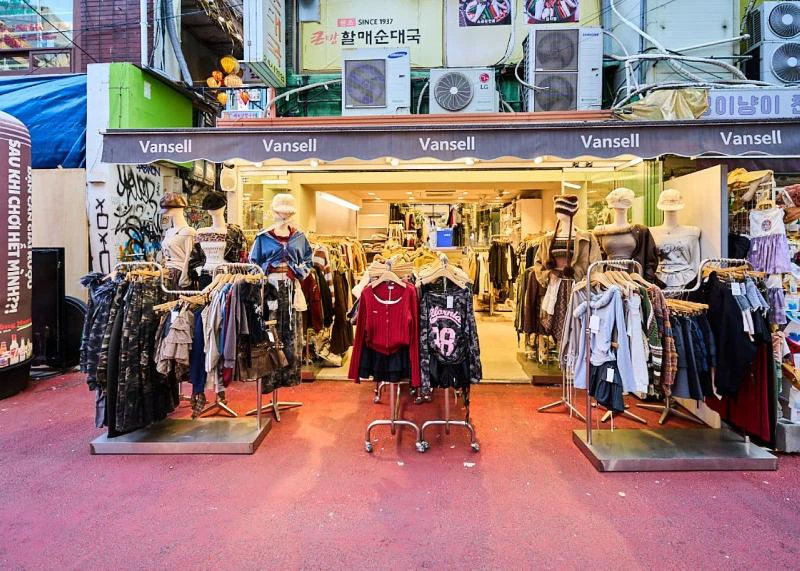
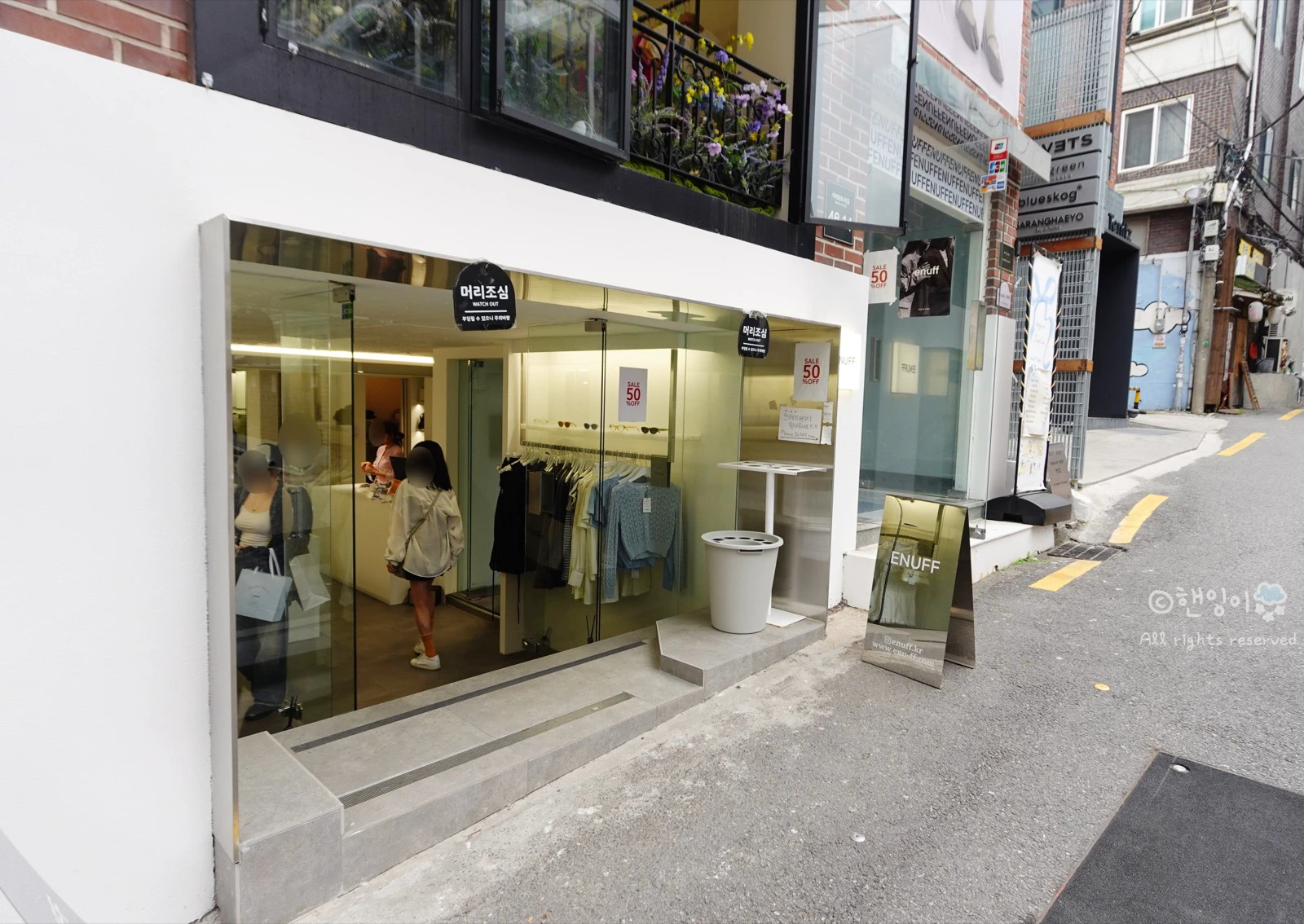
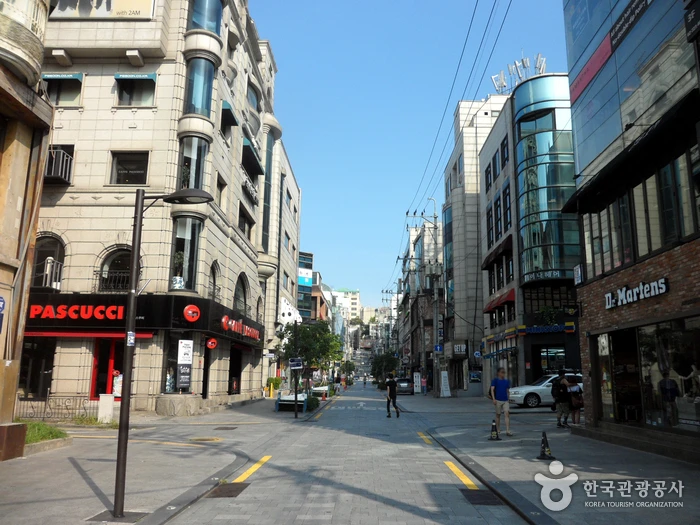
The slider below compares the retail environments themselves: a pop-up-style brick façade in Seongsu, an open clothing shop in Hongdae, a small showroom tucked into a Hannam alley, and the broader commercial streetscape of Apgujeong Rodeo.
1. Seongsu: fashion as an event
Go to Seongsu when you want to see how brands turn clothes, beauty, objects, architecture, and social media into one experience. Former factory buildings and low brick structures make adaptable settings for flagships and short-lived pop-ups. The result is less like one continuous shopping street and more like a sequence of launches, installations, cafés, and stores spread through the side roads around Yeonmujang-gil and Seoul Forest.
The official Seoul guide to Yeonmujang-gil describes the street as a mix of industrial traces, modern sensibility, and consecutive global-brand pop-ups. Visit Seoul's 2025 Seongsu trend report also stresses how quickly new flagships and pop-ups replace one another. Korea Tourism Organization's Seongsu select-shop guide treats the area as a place to discover current Korean brands rather than one fixed style.
Look at both the clothes and the staging: oversized outerwear, workwear details, technical fabrics, sneakers, caps, gender-neutral layers, and restrained outfits built around one unusual proportion or accessory. The way a brand uses a queue, façade, fitting room, or photo zone is part of the story. Seongsu works best for novelty and brand discovery, but it changes faster than any static list. Check official channels on the day and let unexpected stores become part of the walk.
2. Hongdae: fast, young, and easy to sample
Hongdae gives you the densest low-commitment fashion scan of these four areas. Around Hongik University and the R3 fashion street, clothing, beauty, accessories, shoes, cafés, busking, and nightlife overlap. The mix is broad: low-cost racks outside small stores can sit near Korean chains, vintage shops, global sportswear, and carefully branded flagships.
Visit Seoul's Hongdae R3 Fashion Street page, updated in December 2025, specifically points to Y2K and balletcore among the recent trends visible in its dense clothing and cosmetic-store cluster. Korea Tourism Organization's guide to Korean thrift culture contrasts Hongdae's vintage scene—laid-back, edgy, and experimental—with more refined secondhand shopping in Seongsu.
Cropped layers, baggy denim, sporty jerseys, pleated skirts, ballet flats, platform shoes, charms, headphones, and graphic bags all provide useful observation prompts. Hongdae suits someone who wants variety, accessories, affordable experimentation, or an evening walk with fashion mixed into entertainment. Price and quality vary sharply, so inspect seams and fabric, ask whether fitting is allowed, and confirm returns. “Free size” is a store label rather than a promise of universal fit.
3. Hannam: curated showrooms and quiet confidence
Hannam is the best choice when you would rather study selection than volume. Fashion and lifestyle shops are dispersed through sloped streets around Hangangjin, Itaewon-ro, and the Hannam residential-commercial area. The storefronts tend to feel more deliberate, and a single showroom may present clothing beside furniture, ceramics, fragrance, or art.
That context supports a more edited impression: neutral or earthy colors, precise relaxed tailoring, quality knitwear, subtle bags, and silhouettes that reward a closer look. It does not mean everyone in Hannam dresses minimally. It means the shop mix makes considered materials and quieter styling easier to encounter.
Visit Seoul's current MECLADS guide describes a gender-inclusive concept store carrying more than 40 overseas brands, while its MONOHA Hannam page presents a minimalist lifestyle shop and gallery mixing garments, crafts, and home goods. Those are good examples of Hannam's curation-first retail logic, not a mandatory store checklist.
Watch for controlled volume, clean shoulder lines, tonal outfits, leather shoes or refined sneakers, one well-chosen bag, and texture doing the work of loud graphics. Inside, notice which brands are placed together and how clothing relates to objects and space. Hannam rewards a slower showroom visit; its shops are scattered across hillier terrain, and prices often rise with designer positioning. Plan fewer stops and browse properly.
4. Apgujeong Rodeo: polished and globally connected
Apgujeong Rodeo and the nearby Dosan Park–Cheongdam edge are where Seoul's fashion scene most visibly overlaps with luxury, high-end multi-shops, celebrity styling, and international streetwear. The area is not only logo-heavy formalwear: it also contains Korean contemporary labels, American vintage, sneakers, experimental eyewear, and strong casual brands. The common thread is a more finished presentation and a higher average spending ceiling.
Korea Tourism Organization's Apgujeong Rodeo Street guide describes luxury brands, multi-shops, distinctive interiors, cafés, and restaurants as the street's central mix. Current Visit Seoul listings show the range: WE11DONE's flagship for influential multi-brand presentation, GROVE for understated retro casualwear, and Omnipeople Gallery for American vintage and military clothing.
Start with sharper jackets, intentional grooming, designer bags, statement eyewear, refined sneakers or boots, and high-low combinations where one luxury piece anchors simple clothes. Store windows and interiors often communicate as much as the garments. The area makes sense for comparing Korean and international brands or studying luxury-adjacent retail. Read proportion, color, material, and coordination before the logo; a higher price does not automatically mean a more useful styling idea.
Choose one neighborhood by your actual goal
If you have only half a day, use this decision rule:
- Choose Seongsu to discover what brands are launching now.
- Choose Hongdae to see the widest youth trend mix with the lowest barrier to trying something.
- Choose Hannam to study curation, materials, and restrained designer styling.
- Choose Apgujeong Rodeo to compare polished Korean contemporary fashion with luxury and global streetwear.
Do not try to combine all four on one walking route. Seongsu is east of central Seoul, Hongdae is far west, Hannam is near the central Han River slope, and Apgujeong is south of the river. Travel time will crowd out observation. Pair fashion with a café, gallery, or meal in the same district and give yourself time to take side streets.
How to observe street style without copying a costume
Use a simple four-part scan:
- Silhouette: fitted, boxy, cropped, long, wide, or layered?
- Color: tonal, neutral, high-contrast, washed, or one bright accent?
- Anchor item: shoes, jacket, bag, eyewear, headwear, or jewelry?
- Context: commuting, shopping, nightlife, a pop-up queue, or an event?
Save combinations, not identities. For example, note “wide dark trousers + compact jacket + narrow shoe” instead of deciding that everyone in a neighborhood follows one aesthetic. Then adapt the proportion to your body, climate, and budget. If you plan to buy clothes, review our Korean clothing-size guide and the fit-safe Musinsa Standard guide before relying on a familiar size label.
Be considerate with cameras. Wide streetscape photos are different from making a stranger the identifiable subject. Ask before taking a close portrait, avoid blocking shop entrances or queues, and follow no-photography signs inside stores.
Sources and image credits
- Visit Seoul: Yeonmujang-gil — Seongsu industrial context, pop-up concentration, and storefront image
parentSn=72530. - Visit Seoul: 2025 Seongsu trend report — Current flagship and pop-up turnover.
- VISITKOREA: Seongsu select shops — Korean-brand discovery context.
- Visit Seoul: Hongdae R3 Fashion Street — December 2025 trend and retail-cluster context; featured asset
parentSn=73196and shop imageparentSn=73195. - VISITKOREA: Korean thrift culture — Hongdae and Seongsu secondhand-shopping contrast.
- Visit Seoul: MECLADS — Hannam concept-store example and brand count.
- Visit Seoul: MONOHA Hannam — Hannam lifestyle, craft, and garment curation example.
- VISITKOREA: Apgujeong Rodeo Street — District retail context and official streetscape asset
2024970_image2_1.jpg. - Visit Seoul: WE11DONE flagship — High-end multi-brand retail example.
- Visit Seoul: GROVE — Korean contemporary casualwear example.
- Visit Seoul: Omnipeople Gallery — American vintage and military-clothing example.
- snowrun (핸잉이) on Naver Blog — Hannam alley-showroom image
DAY02250.JPG, used with operator-confirmed permission.
Last updated


