
Seoul Self-Photo Studio vs Four-Cut Booth: Which Should You Choose?
Choose a four-cut booth for a quick, playful strip during a day out. Book a self-photo studio when taking the photos is the main activity and you want more privacy, control, and portrait options.
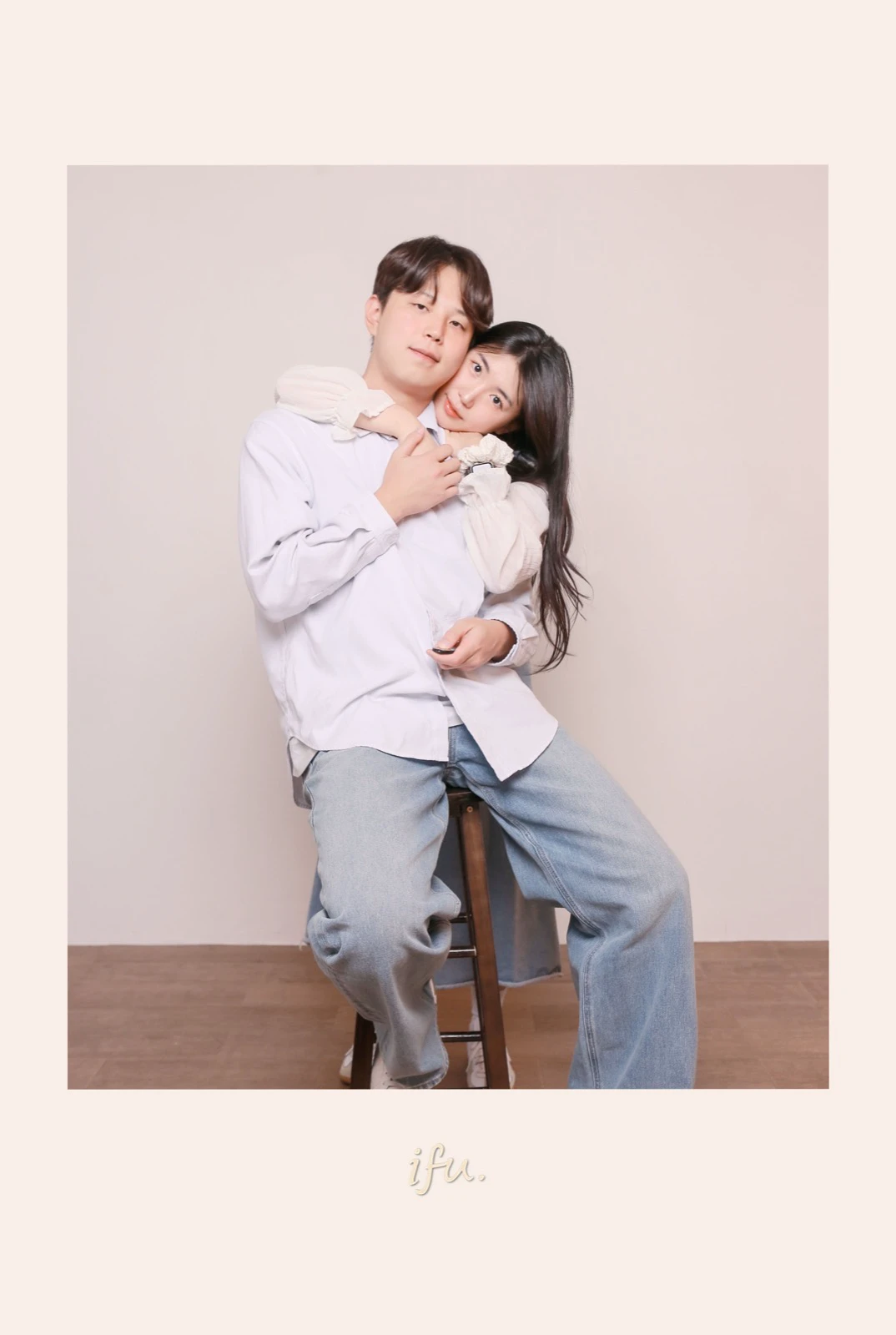
A Seoul four-cut booth is the better choice for a quick, playful souvenir. A reservation-based self-photo studio is better when taking the photos is the activity and you want more privacy, more attempts, and portraits you can use beyond a small strip. Neither is automatically better for solo travelers, couples, or friends; the right choice depends on how much time and control your group wants.
The Korean phrase insaeng ne-cut literally means “life's four cuts.” It is also closely associated with the Life4Cuts brand, but travelers often use it loosely for the wider four-cut booth category. Seoul has several booth chains and many independent studios, so do not assume that every place called a four-cut booth has the same timer, file delivery, frame, or price.
The practical difference
A four-cut booth is usually a walk-in machine experience. You select a frame, pose through a timed sequence, choose the final cuts if the machine allows it, and receive a printed strip. The camera position and crop are mostly fixed. The fun comes from making quick decisions together, using the available props, and accepting a little imperfection.
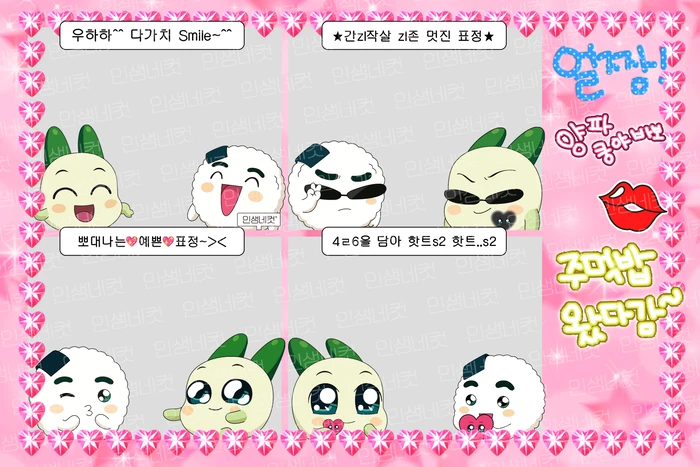
Life4Cuts' official site presents pose ideas for one person, couples, friends, and groups, and its app explains QR-based saving for supported sessions. That shows how broad the format has become, but it is not a promise that every booth or every brand provides the same digital file. Check the instructions on the exact machine before paying, especially if the download matters to you.
A self-photo studio gives you a studio camera and lighting while letting you trigger the shutter yourself, often with a small remote. Some businesses provide a private room for the booked session, then add time to select images, order prints, or request retouching. The Visit Gangnam description of Photomatic is one current example: its private Photomatic Black room uses advance reservations and a remote shutter. That model is much closer to a portrait appointment than a walk-in booth.
The labels are not perfectly standardized. A place advertised as a “self studio” may still use a timer, limit the number of shots, or sell most outputs as extras. A “photo booth” may offer high-resolution downloads or a larger room. Compare the package, not only the name.
If you are taking photos alone
Choose a four-cut booth if you want a low-commitment experiment. You can walk in while exploring a neighborhood, try four simple expressions, and leave with a compact souvenir. It works best when you already know where to stand and have two or three poses ready. The tradeoff is pressure: there may be little time between frames, no one can check your crop from outside, and a fixed camera may not suit the portrait you imagined.
Choose a private self-photo studio if being watched makes you tense or you want a more deliberate portrait. A remote shutter lets you pause, adjust your posture, and build a rhythm without a photographer in the room. Confirm that the package accepts a solo booking, whether staff help with the camera before the session, and whether you receive all original files or only selected images.
For either format, ask someone at the venue to explain the first screen if the controls are only in Korean. Do that before the paid countdown begins.
If you are a couple
A four-cut booth is ideal as a spontaneous date souvenir. It takes little planning, the tight crop encourages playful poses, and the strip is easy to carry. Decide before the countdown whether you want matching expressions, one close-up, and one intentionally silly frame. That small plan prevents all four cuts from looking the same.
Book a self-photo studio for an anniversary, a planned outfit, or a portrait you may frame. The larger composition can show clothing and full-body poses, while repeated remote shots give you time to change distance and arrangement. Some packages include only a few edited images and prints; others sell original files, extra people, extra copies, or retouching separately. A reservation price therefore does not tell you the final cost by itself.
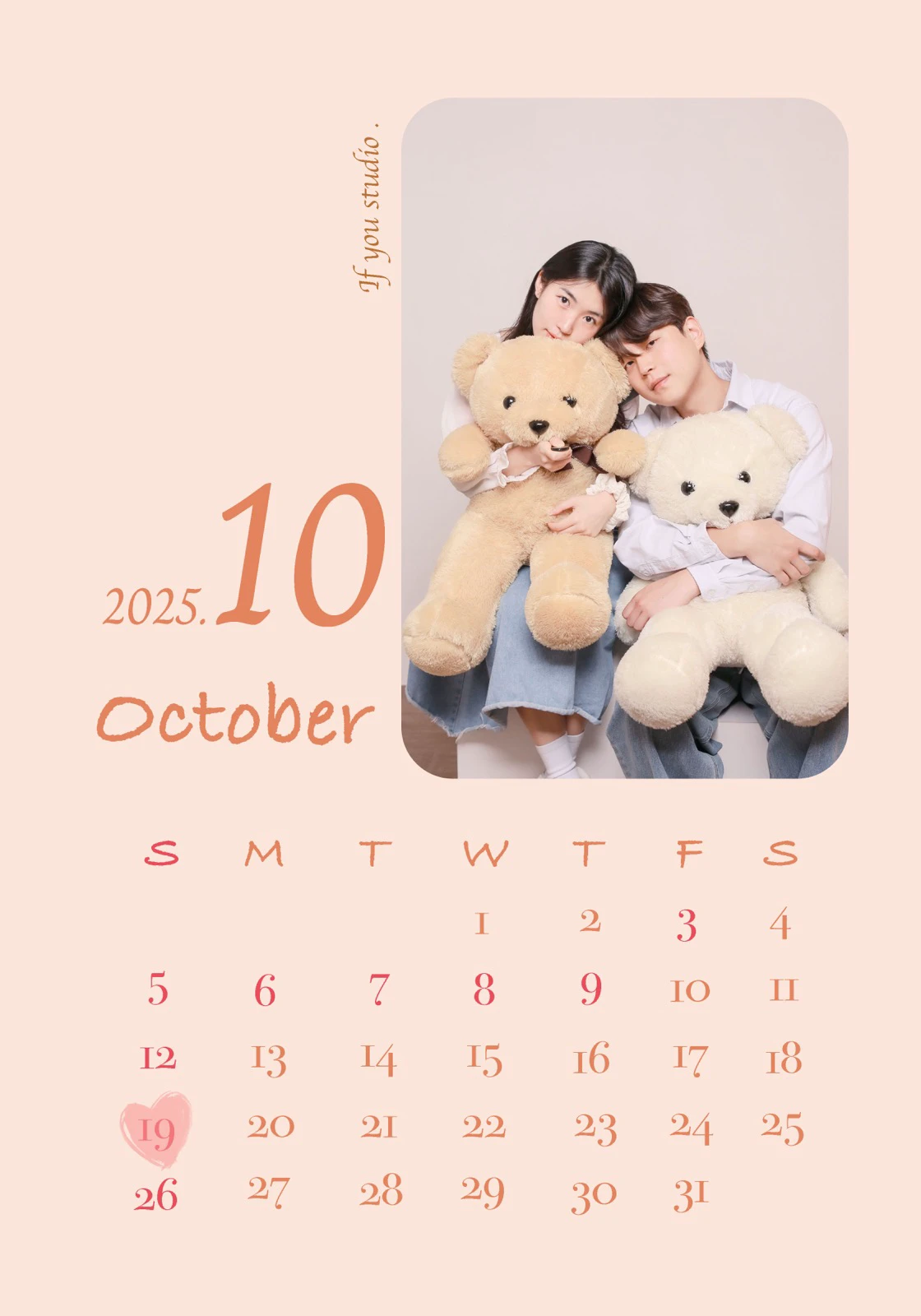
The following images come from one Seoul self-studio visit. They show why package details matter: the playful prop shot is only one part of the experience, while the selection sheet and designed print are separate outputs.
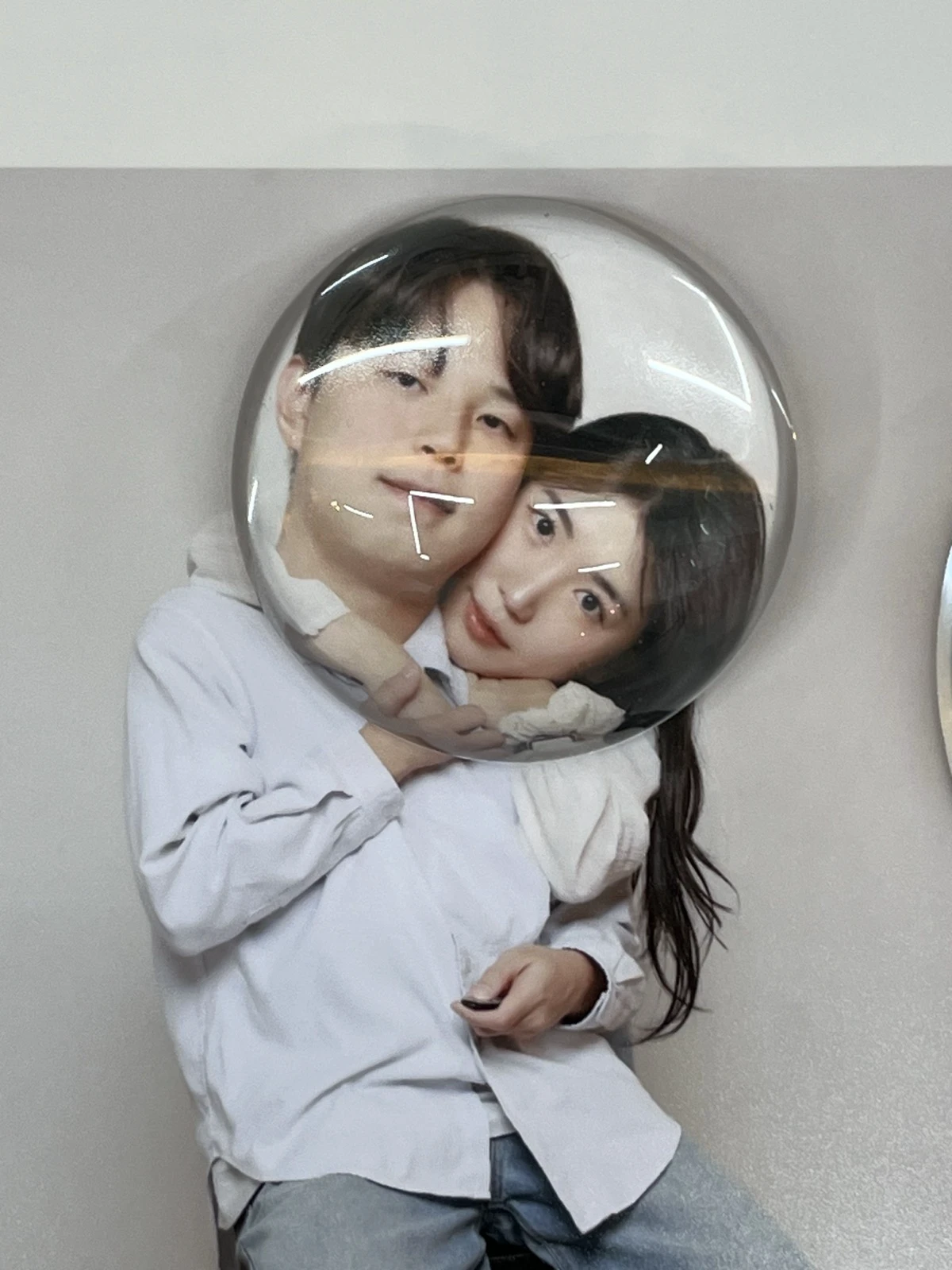
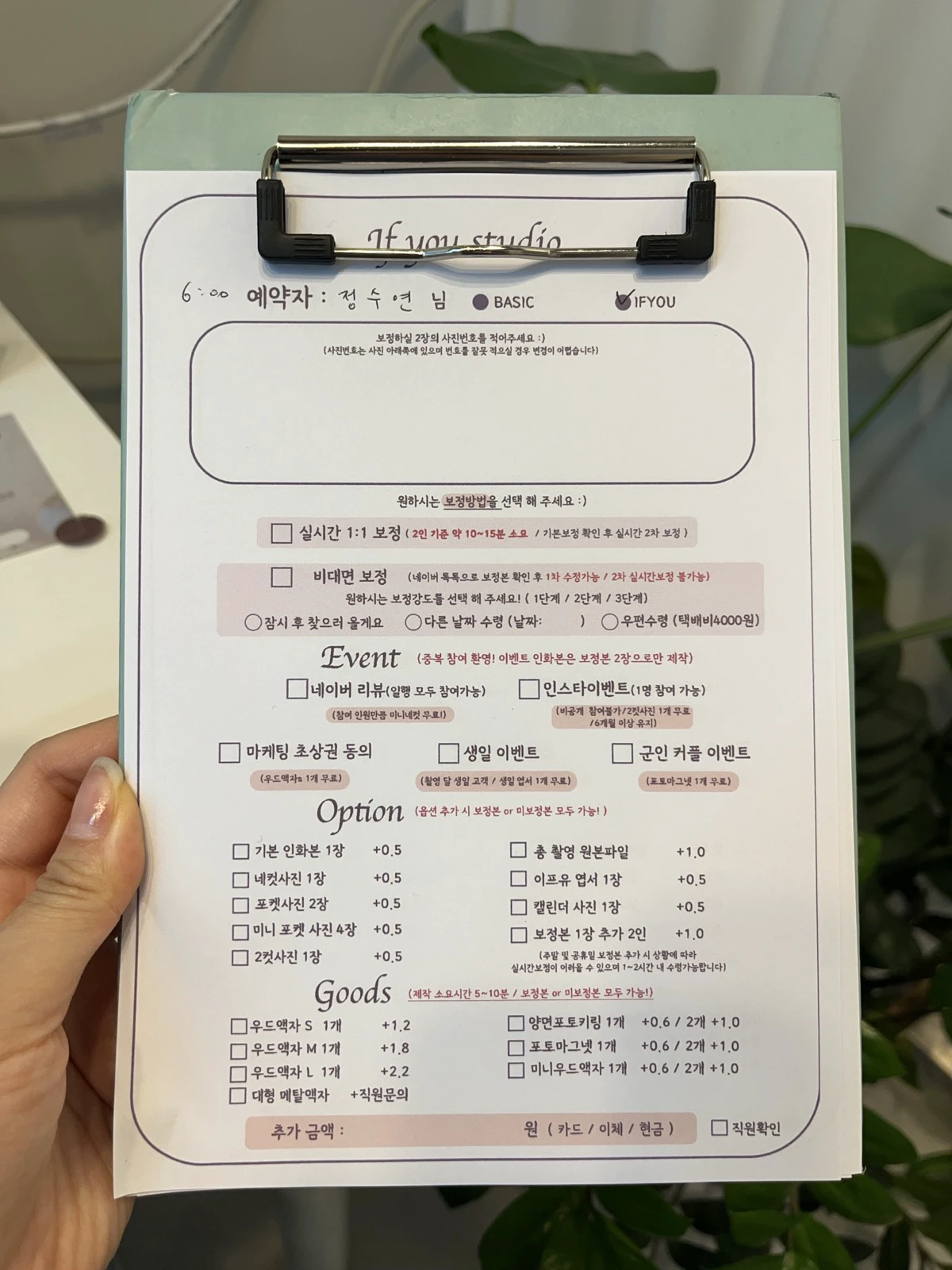
Do not copy a pose that requires uncomfortable lifting or balancing just because it looks good online. Choose poses both people can hold safely, and tell the studio in advance if you need seating or easier movement.
If you are going with friends
Choose a four-cut booth when the group wants energy more than polish. It is easy to add between dinner and another stop, and the countdown itself becomes part of the memory. Before paying, count how many faces can fit in the preview. A booth that feels comfortable for two can crop people at the edge when four or five friends squeeze in. Put taller people toward the back only if the live preview confirms that everyone remains visible.
A self-photo studio is usually the stronger option when the group is larger, wants full-body images, or plans coordinated outfits. Book the correct group size and ask whether adding people changes the price or session length. Also confirm how many print copies are included. One included print is not enough if every friend expects to take one home.
For both formats, agree on a few poses before the session. Groups lose more time deciding than pressing the shutter. Assign one person to watch the preview and another to call out the next pose.
Check these details before you pay
A clear package description matters more than a fashionable frame or a low headline price. Check:
- Whether the venue is walk-in or reservation-only
- Whether the shooting space is private and whether other customers wait nearby
- How much time is for preparation, shooting, selecting, and retouching
- Whether the camera supports close-up, half-body, or full-body framing
- Whether the session is color, black-and-white, or a choice between them
- Whether you control a remote shutter or follow an automatic countdown
- How many final images, printed copies, and frame designs are included
- Whether digital delivery includes every original or only selected images
- The file resolution, download method, and any QR or link expiration date
- Whether retouching is included, optional, or unavailable
- Charges for extra people, extra prints, original files, or late arrival
- Whether the room and props meet your accessibility and hygiene needs
If the venue promises a QR download, save the files before leaving Korea and back them up somewhere other than the phone's camera roll. If the images are sensitive, read the venue's privacy notice and ask how long uploaded files are retained. Do not photograph another customer's displayed strip or screen.
The simplest decision rule
Pick a four-cut booth when you want something fast, inexpensive relative to a studio session, playful, and easy to add to an existing day. Pick a self-photo studio when you want privacy, deliberate poses, more attempts, larger compositions, or a portrait-quality result.
If you are unsure, start with a booth. If you enjoy the remote, unposed feeling but wish you had more time and space, book a studio later in the trip. If the photos are for an anniversary, coordinated group, or framed gift, start with the studio and confirm the complete output package before paying.
Photo credits
- Four-cut frame: Life4Cuts; used with written operator permission.
- Self-studio visit, package sheet, and finished prints: Naver blogger florajsy; used with written operator permission.
Sources
- Life4Cuts official site — Brand format, pose and supported digital-save context; exact booth features still vary
- Visit Gangnam Photomatic — Official current remote-shutter and reservation-based studio example, updated August 11, 2026
- Life4Cuts frame credit — Four-cut body image, used with written permission
- Self-studio visit and output examples — Body images, package sheet and finished print, used with written permission
- Featured cover asset — Delivery Spot editorial asset
Last updated


