
Michelin vs Local Restaurants for Your First Korean Meal
A Michelin restaurant explains a chef's point of view; a neighborhood specialist shows how a dish fits everyday Korean dining. For the strongest introduction, use two meals—or choose one based on the experience you actually want.

The best first introduction to Korean food is usually not a choice between Michelin and local. The two formats answer different questions. A neighborhood restaurant can show how Koreans build an everyday meal around rice, soup, banchan, or one specialty. A chef-led tasting menu can show what happens when those flavors, ferments, and ingredients are edited into a deliberate story.
If your schedule allows, do both: start with a neighborhood specialist or baekban meal, then book a Michelin-listed restaurant that adds a clear point of view. If you have only one meal, choose by the experience you want—not by the assumption that a higher price is automatically more authentic.
First, decode what “Michelin” means
“Michelin restaurant” is not one single format. Michelin's own guide to its distinctions says Stars recognize exceptional cooking, Bib Gourmand recognizes good-quality cooking at good value, and Michelin Selected restaurants merit inclusion without a Star or Bib. A Bib or Selected address may be a casual specialist, so “Michelin” and “neighborhood favorite” can overlap.
That distinction matters for a first-time diner. A Star may point you toward a long tasting menu, but the red guide also contains noodle shops, soup specialists, barbecue restaurants, and other focused places. Before reserving, read the restaurant description and current menu instead of treating the badge as a promise of white tablecloths—or of traditional food.
What a neighborhood meal teaches you
A good neighborhood restaurant gives you the grammar of Korean dining. The Korea Tourism Organization's introduction to a Korean meal table describes rice and soup placed in front of the diner, with a main dish, kimchi, and banchan arranged around them. You choose the combinations yourself, so two diners sharing the same spread can build different bites.
Baekban makes that structure especially visible. VISITKOREA describes baekban as steamed rice, soup, and several side dishes—the backbone of familiar Korean meal traditions. A one-dish specialist can be just as instructive: a restaurant devoted to seolleongtang, naengmyeon, kalguksu, or dwaeji-gukbap lets you see the condiments, pacing, and finishing habits that regulars take for granted.
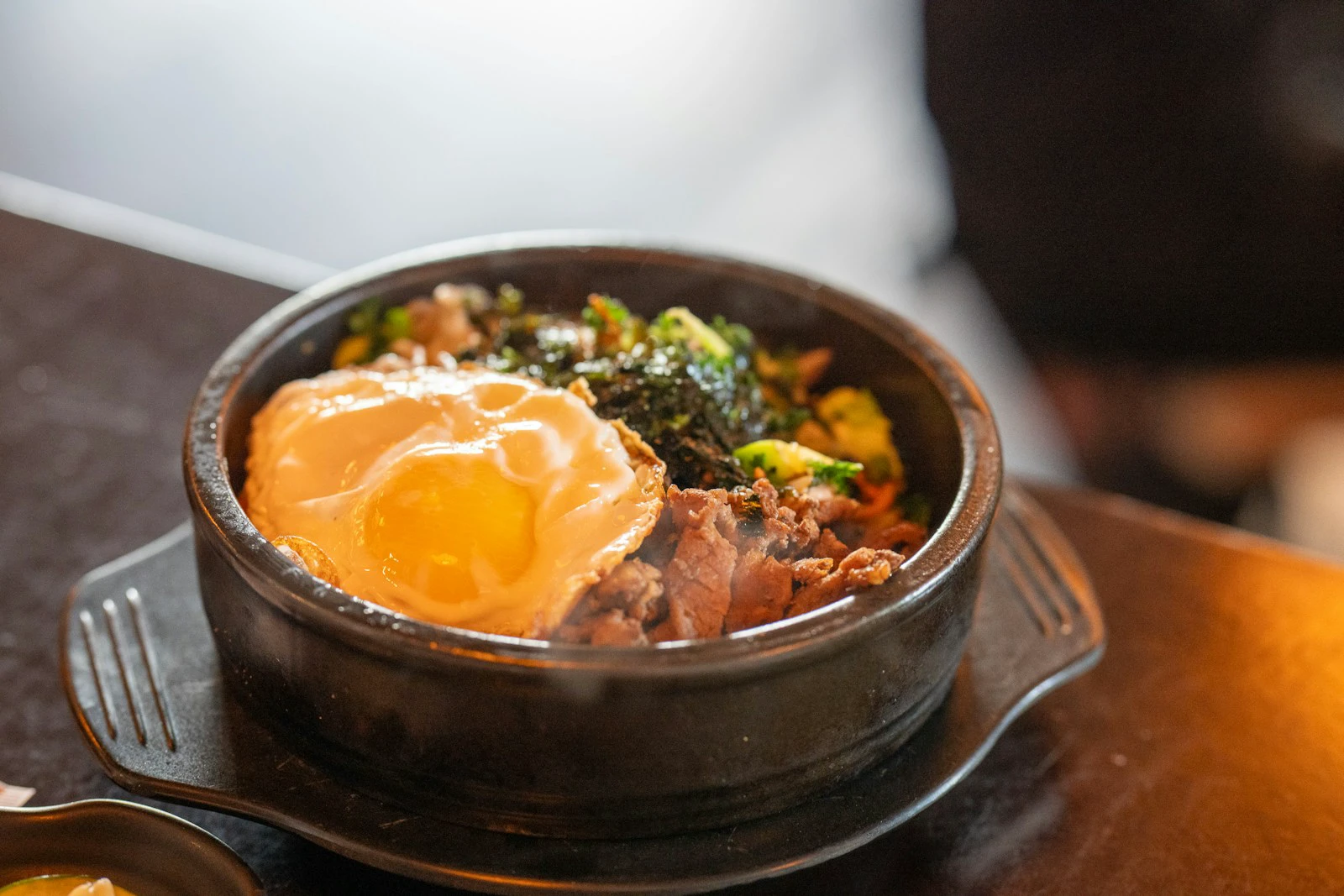
The tradeoff is that the lesson may be less explained. The menu might be mostly Korean, staff may be too busy for a long conversation, and a restaurant built around one dish may have limited substitutions. Some barbecue and shared-dish restaurants also require two portions. Check the current menu, last order, break time, and minimum order before going—especially if you are dining alone or have dietary restrictions.
What chef-led dining teaches you
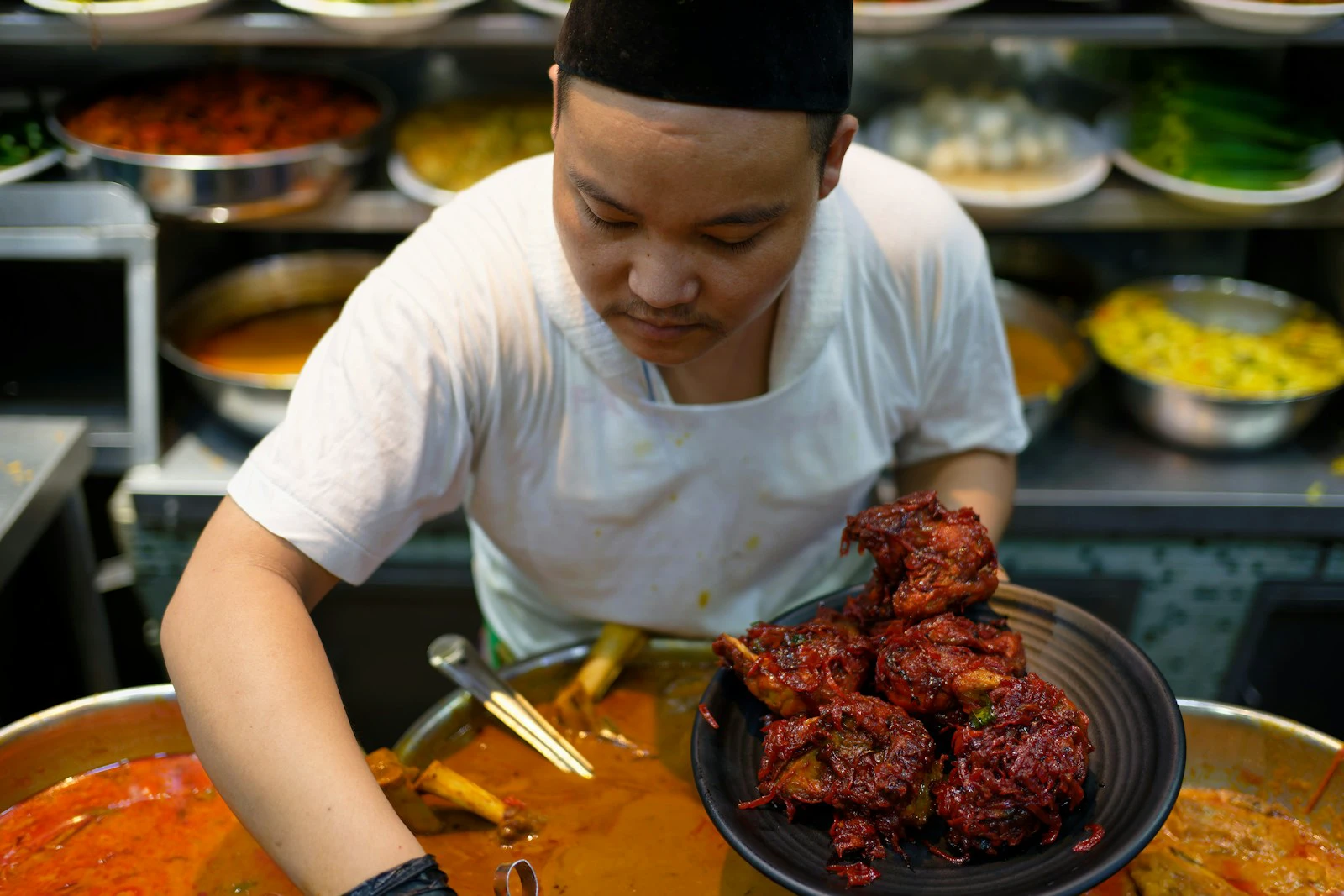
Fine dining offers interpretation rather than a neutral survey. A chef may isolate the flavor of jang, recast a soup as one course, pair regional seafood with a different technique, or explain seasonality through the order of the menu. VISITKOREA's 2026 overview of K-fine dining highlights chefs reworking Korean fermented pastes, kimchi, and local ingredients through contemporary techniques. That can be a vivid lesson in where Korean cooking is going.
It is also a managed experience: timed courses, deliberate service, advance booking, and often more support for international guests. The same VISITKOREA guide notes that CATCHTABLE Global supports email verification without a Korean phone number and offers multilingual reservation tools. Still, each restaurant sets its own deposit, cancellation, beverage, dress, and dietary policies, so confirm the exact terms on the live booking page.
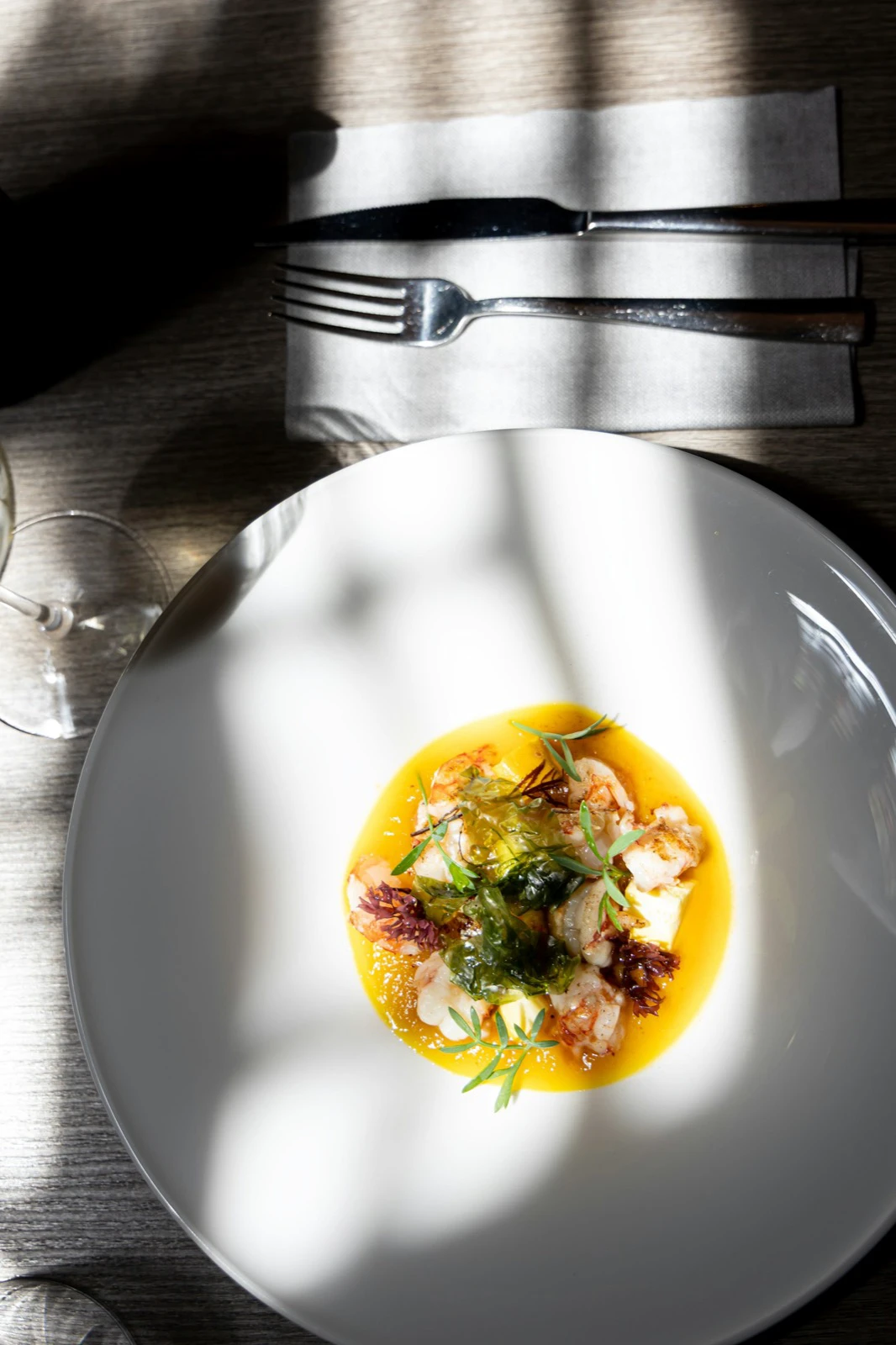
The limitation is just as important. A tasting menu shows one chef's argument about Korean food. It may not teach you how an ordinary lunch is ordered, how banchan changes the rhythm of a meal, or what a classic version of the dish tastes like. If your only Korean meal is a reinterpretation of gukbap, you have learned something real—but not the same thing as eating gukbap at a busy specialist.
Choose by goal, not prestige
Use this quick decision rule:
- Choose a neighborhood specialist if you want everyday context, one classic dish, a flexible stop near your route, or a meal that does not occupy an entire evening.
- Choose baekban or a set meal if you want to understand rice, soup, kimchi, and banchan as one system.
- Choose Bib Gourmand or Michelin Selected if you want curation without assuming a formal tasting-menu format. Check the listing because the experience can still be very casual.
- Choose a Michelin-starred tasting menu if you want a chef's interpretation, paced service, ingredient storytelling, or a special-occasion anchor.
- Choose both if food is a main reason for the trip. The contrast is more educational than either meal alone.
Price should be a constraint, not the verdict. A neighborhood restaurant is not automatically better because it is inexpensive, and an expensive meal is not automatically a fuller introduction. Ask what the extra money buys: rare ingredients, more courses, labor-intensive preparation, service, pairings, design, or simply demand. Then decide whether those are the things you want from this meal.
A practical two-meal plan
For most first-time visitors, this sequence works well:
- Start with a focused everyday meal. Pick one dish you already want to understand, then find a restaurant known for that dish near a neighborhood you are visiting. Baekban, soup, noodles, barbecue, or a market meal can all work; the key is to notice how the meal is assembled and eaten.
- Add a guided meal later. Choose a Bib, Selected, or Starred restaurant whose cuisine description—not just its badge—matches your interest. Read the current menu and decide whether it presents classic cooking, regional ingredients, or a modern reinterpretation.
This order gives you a reference point. After tasting a familiar-format meal, you can recognize what a chef has preserved, changed, or emphasized. Reversing the order is not wrong, but the comparison may be harder to read when every flavor is new.
How to find a neighborhood favorite without chasing “hidden gems”
Do not treat “local” as a secret password. A famous shop can still be part of everyday food culture, and a quiet alley restaurant is not automatically excellent. Search the Korean dish name plus the neighborhood in Naver Map or KakaoMap, then look for practical evidence:
- A current menu with prices and the exact dish you want
- Recent opening-hour, break-time, and last-order information
- A clear specialty rather than a huge menu designed to cover everything
- Recent diner photos that show portion size, table setup, and ordering method
- Solo-dining or minimum-order notes when relevant
- Enough time to walk away if the menu or atmosphere is not right for you
A recent Korea-travel discussion about finding local restaurants is useful as anecdotal evidence, not a ranking: travelers and locals described combining Naver or Kakao menu information with what they could see on arrival, including whether the place specializes in the dish and appears to have a steady crowd. The same thread warned that review incentives can distort raw ratings. Use reviews to gather details, not to outsource your judgment to a number.
Check friction before you commit
For a formal reservation, confirm the course length, deposit and cancellation deadline, menu language, allergy policy, beverage requirements, and whether the restaurant can accommodate your party. Do this before paying. A booking platform can make access easier, but it cannot guarantee that a kitchen can safely change a fixed menu.
For a neighborhood meal, save the restaurant name and address in Korean, inspect the menu before the lunch rush, and keep a backup nearby. Translate the dish name, not a long speech. If the restaurant is clearly built around a shared order you cannot meet, choose another place rather than pressuring staff to redesign the service.
The answer for a first Korean meal
If you want the clearest baseline, start local: baekban or a specialist shows the structure and habits that make Korean dining distinctive. If you want a polished, narrated expression of contemporary Korean cooking, choose the chef-led meal. If you want the most complete introduction, pair them.
The useful comparison is not cheap versus expensive or authentic versus invented. It is everyday grammar versus an author's interpretation. Learn one, then let the other change how you see it.
Photo credits
- Korean barbecue table: Daniel on Unsplash.
- Stone-bowl meal: Michael Kahn on Unsplash.
- Chef at work: Kelvin Zyteng on Unsplash.
- Fine-dining plate: Tommaso Ubezio on Unsplash.
Sources and image credits
- Michelin's own guide to its distinctions — Checked for guide details or image attribution.
- Korea Tourism Organization's introduction to a Korean meal table — Checked for guide details or image attribution.
- VISITKOREA describes baekban — Checked for guide details or image attribution.
- VISITKOREA's 2026 overview of K-fine dining — Checked for guide details or image attribution.
- recent Korea-travel discussion about finding local restaurants — Checked for guide details or image attribution.
- Daniel on Unsplash — Checked for guide details or image attribution.
- Michael Kahn on Unsplash — Checked for guide details or image attribution.
- Kelvin Zyteng on Unsplash — Checked for guide details or image attribution.
- Tommaso Ubezio on Unsplash — Checked for guide details or image attribution.
Last updated


