
How K-pop Fanchants, Birthday Ads, and Fan Support Began
K-pop fan culture grew from collective voice, color, and volunteer organization—not from one invention or a shopping checklist. Fanchants, public birthday projects, and charity support each turn private affection into visible group action.
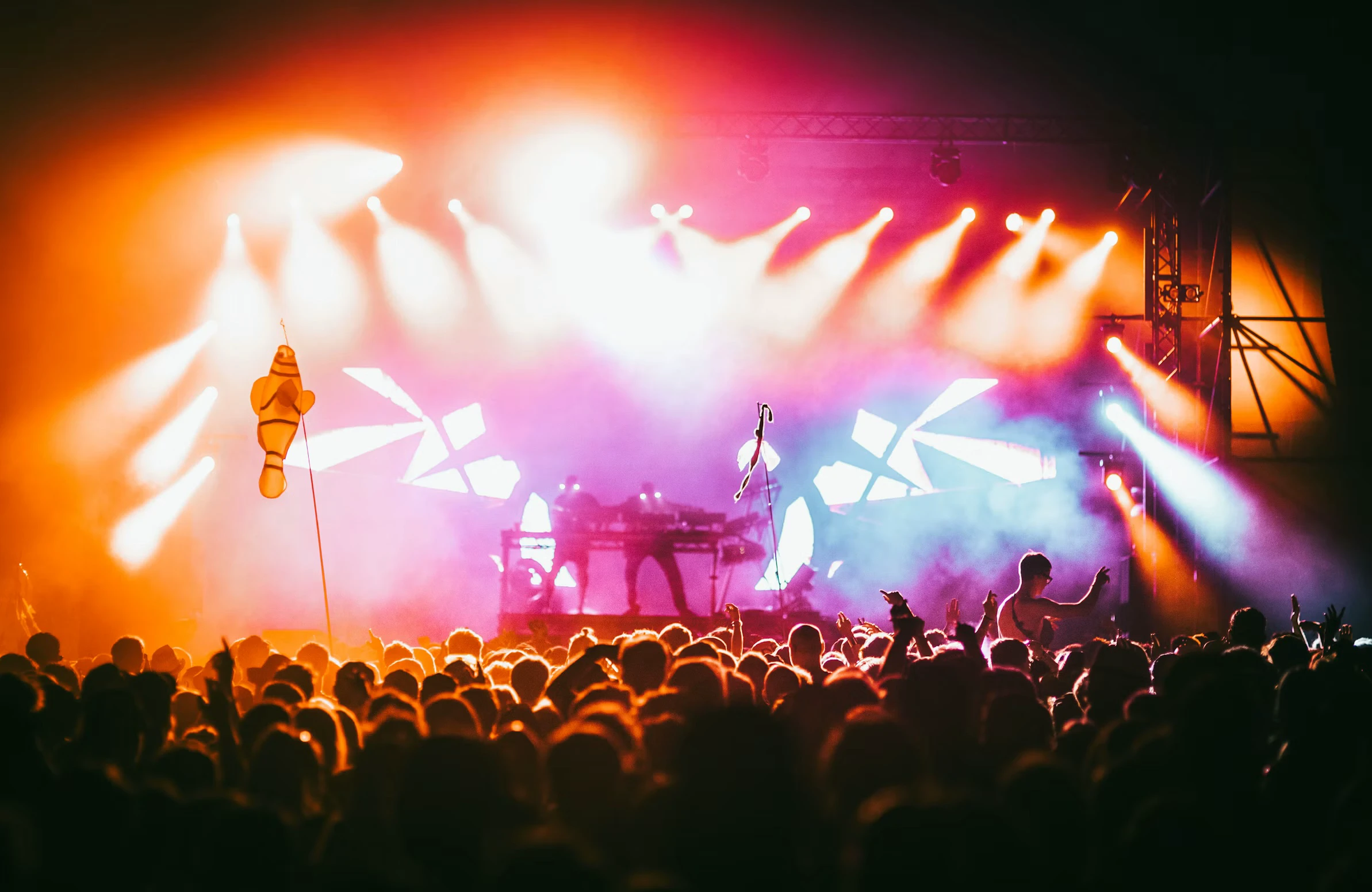
K-pop fanchants, birthday ads, and fan support share one origin: fans wanted to make collective affection visible and audible. A synchronized name chant makes a crowd sound like one participant. A subway ad gives an online community a place in the city. A donation project turns an anniversary into action under a shared name.
There is no reliable single “inventor” of this culture. It developed across generations as fans organized themselves, entertainment companies formalized some practices, and digital platforms made coordination global. The history follows scattered listeners learning to act as a public.
The 1990s made fandom visible through color and voice
Large, organized idol fan clubs became a defining part of Korean youth culture in the first-generation era. At music programs and joint concerts, a crowd needed to show where one fandom began and another ended. Color did that work. Fans carried balloons and wore raincoats in a group’s designated color, producing visible blocks across an arena.
A 2017 KBS history of cheering tools records the familiar examples: white for H.O.T., yellow for Sechs Kies, orange for Shinhwa, sky blue for g.o.d, pearl purple for S.E.S., and pearl red for Fin.K.L. These colors were more than decoration. They gave fans an identity that could be recognized from the stage and across a stadium.
Voice served a similar function. Fans repeated names, short calls, and responses at points where they would be heard clearly. Early versions spread through regular concertgoers, official fan clubs, fan cafés, and word of mouth. It is safer to describe this as a gradual collective practice than to assign the first fanchant to one group or date; recordings from the period are incomplete, and later memories often mix spontaneous cheers with already organized routines.
A fanchant turns listening into co-performance
The Korean word eungwonbeop (응원법) literally suggests a “method of cheering.” A modern guide may mark member names, repeated words, or a response that fits between sung lines. The arrangement matters: the crowd adds another rhythmic layer without simply singing over every vocal.
That is why a strong fanchant feels different from noise. Thousands of people who do not know one another have learned the same timing. The performance now includes a part made by the audience, and the artists can anticipate that answer. The chant expresses recognition—of names, order, lyrics, pauses, and shared history.
Creation also changed over time. One fan discussion about who makes fanchants describes an often-repeated generational pattern: early official fan-club members spread cheers at performances, while agencies and artists now frequently publish highlighted text or demonstration videos. Fan-made practice videos and translations then carry the guide across languages. This is community testimony rather than a complete historical record, but it explains why there is no single answer to “Did fans or the company make it?” Both have done so in different eras and cases.
Learning a chant is participation, not an entrance exam. At many concerts people sing full lyrics, cheer freely, follow only the easiest response, or listen quietly. A recent new-fan discussion overwhelmingly treated the published chant as optional. Venue rules and consideration for nearby fans matter; memorizing every syllable does not determine whether someone belongs.
The tools changed, but the collective logic stayed
As more groups debuted, colors alone became difficult to distinguish. KBS traces the transition from balloons to group-specific lightsticks with distinctive shapes, logos, and meanings. The Korea Tourism Organization’s 2025 overview of K-pop fan culture describes the same arc: 1990s signature-color balloons gave way to customized lightsticks, and Bluetooth synchronization later made the audience part of the stage lighting.
This was commercialized—official lightsticks are products—but the cultural value is produced collectively. One light in a bedroom is merchandise. Thousands changing color together become a temporary public artwork. The important unit is not the object alone; it is the coordinated crowd.
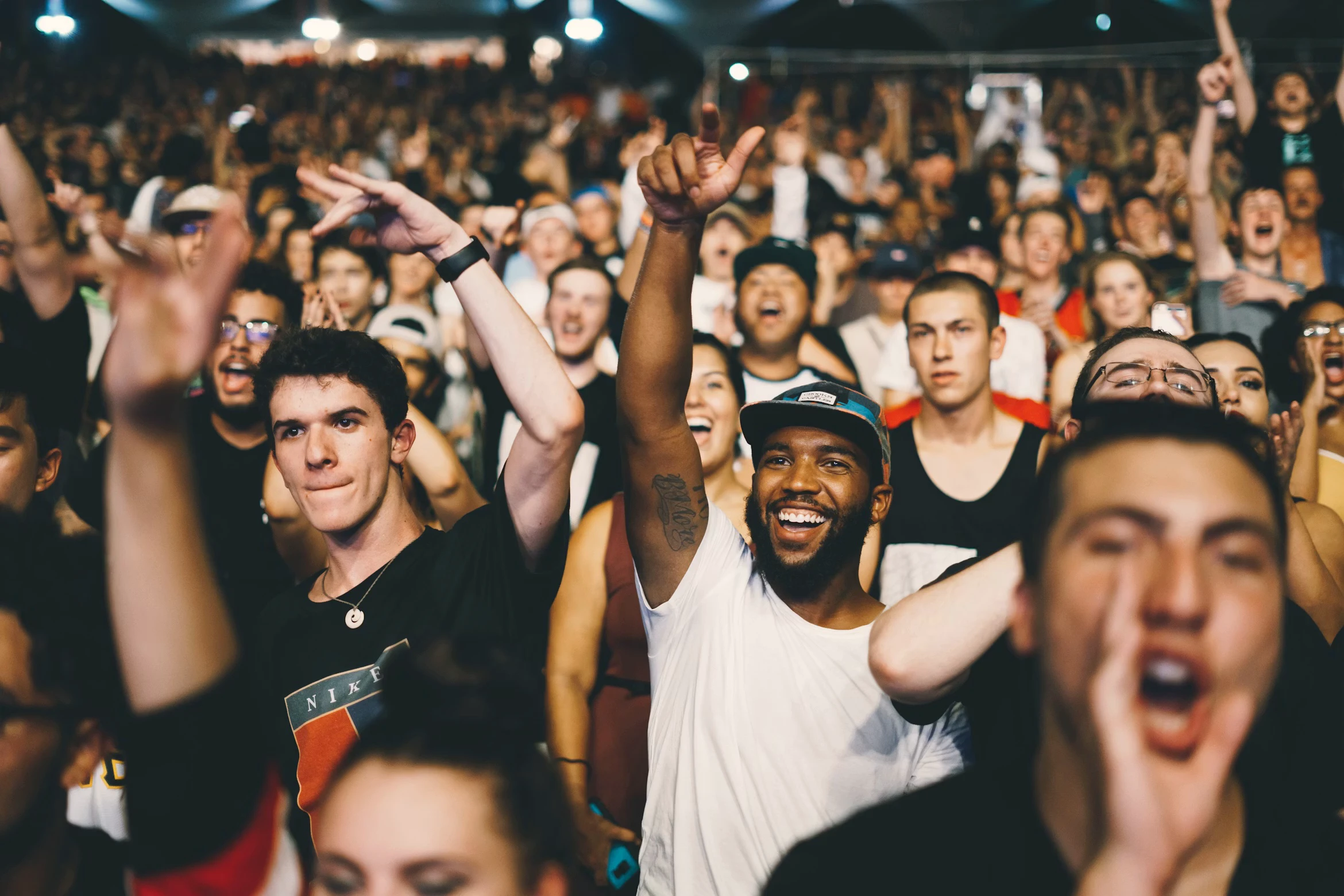
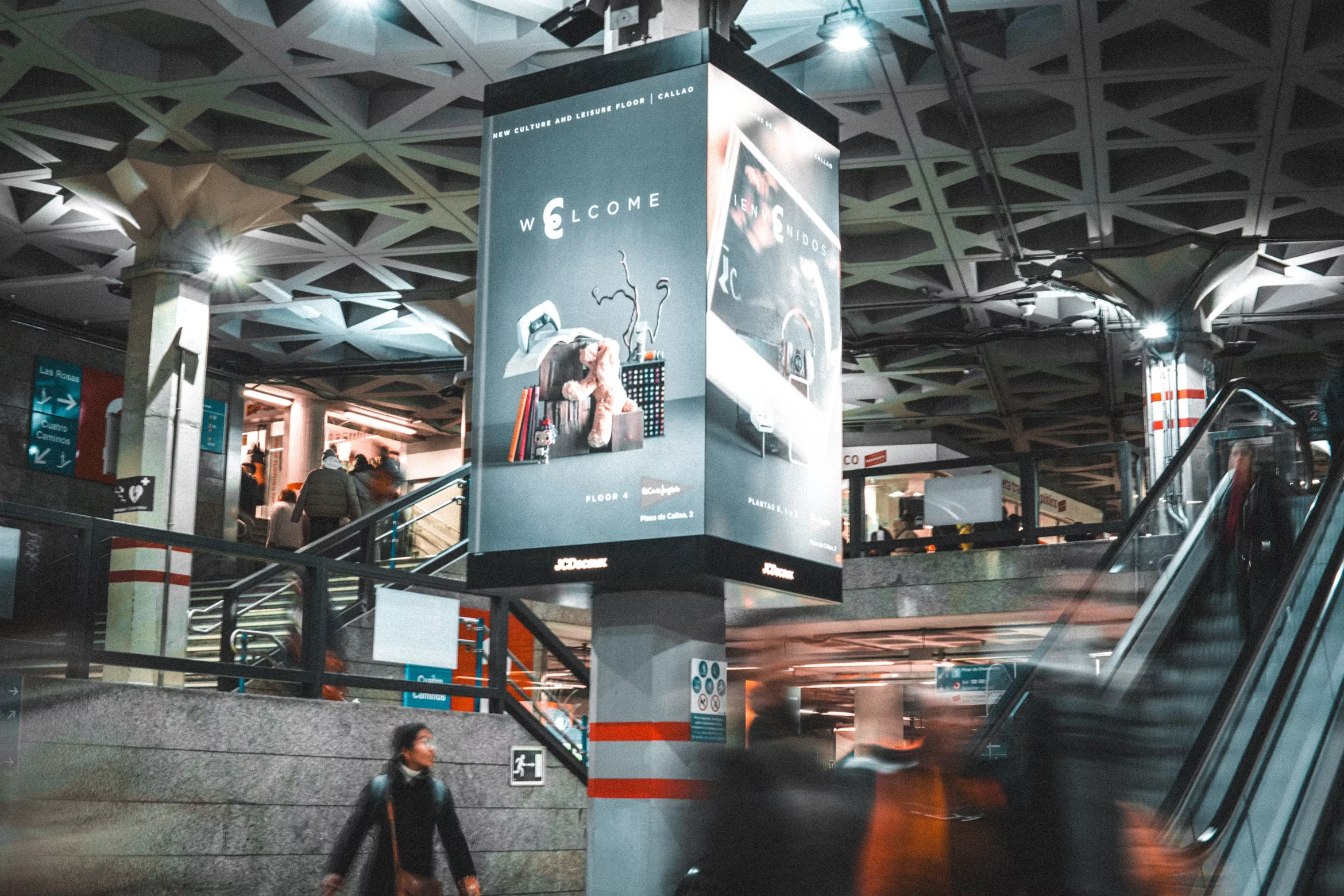
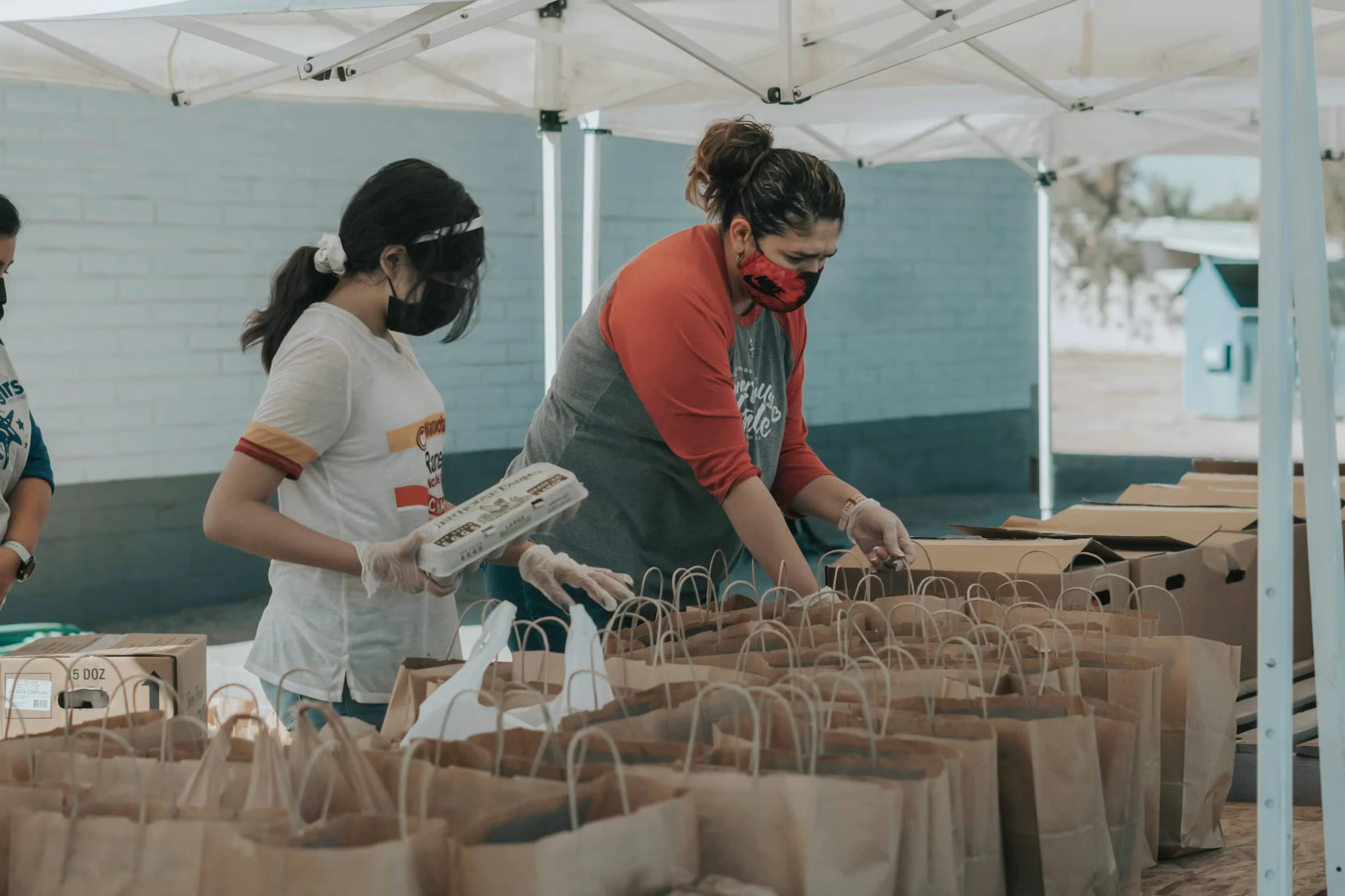
These images are contemporary illustrations rather than photographs of the specific historical cases discussed here. Together they show the movement at the center of fan culture: a crowd creates sound, a city screen creates public presence, and organized volunteers convert shared feeling into service.
Birthday ads moved fandom into everyday city space
In the 2010s, fan-funded messages became a familiar sight in the Seoul Metro. A birthday, debut anniversary, comeback, or achievement could be marked on a poster, digital screen, bus shelter, or billboard. Contributions from many people allowed a community to rent media that would normally belong to commercial advertisers.
Olga Fedorenko’s 2021 study, “Idol Ads in the Seoul Metro”, treats this as more than promotion. Fans visited the ads, photographed them, met one another, and turned transit surfaces into social places. The study argues that the ads temporarily reclaim urban space for fandom, particularly female fandom, through symbolic rather than legal ownership.
Reach is only one measure of a fan ad. The project gives dispersed contributors a physical meeting point. A fan who designed the layout, translated a slogan, tracked donations, checked the screen, or photographed the finished ad participated in making the event. The artist might never visit, yet the community still created a shared place and archive.
Birthday cafés apply the same idea at a smaller scale. A host works with a café for a limited period, decorates the space, prepares cup sleeves or paper goods, and creates a place where fans can meet. The drink is only one part of the event. The meaningful activity is often taking photos, exchanging handmade items, recognizing references in the design, and talking with people who arrived for the same reason.
These projects also explain why fandom calendars feel so dense. Birthdays, debut anniversaries, album releases, concert dates, and fandom anniversaries provide recurring occasions around which volunteers can organize. An anniversary is a deadline, a theme, and an invitation all at once.
“Support” is really a broad category of organized care
In K-pop, support can refer to many things: a food or coffee truck sent to an approved production site, meals for staff, an event banner, a fan project inside a venue, a donation in an artist’s name, or practical help for other fans. The exact form depends on agency and venue rules, and some artists or agencies do not accept personal gifts.
Earlier “tribute” culture often centered on giving objects or food directly to a celebrity and their staff. Over time, some communities redirected money toward public-benefit projects. Rice wreaths became a visible example: instead of disposable flower arrangements at a concert or musical, fans could display a congratulatory stand representing rice that would later be donated.
A 2019 Seoul Foundation for Arts and Culture feature on fandom giving describes fan projects ranging from rice and fuel donations to tree planting, wells, and help for animal shelters. These projects showed that a fandom’s organizational ability could also be directed outward, linking an artist’s name to a cause the participants wanted to support. Many other projects remained focused on celebration or promotion.
This form of giving still requires care. A visible total does not automatically mean a useful donation. Organizers need the recipient’s consent, a verifiable channel, realistic items, receipts, and transparent accounting. Good intentions do not remove the need to ask what a charity or community actually needs.
The invisible work is the real infrastructure
A completed billboard or food truck can look like a single purchase. Behind it may be weeks of unpaid coordination:
- someone proposes the project and checks official rules;
- volunteers translate the announcement and answer questions across time zones;
- designers negotiate dimensions, deadlines, and revisions;
- another person keeps contribution records and publishes proof;
- local fans visit a screen or venue to confirm that the booking ran correctly; and
- photographers and archivists preserve the result for people who could not attend.
This labor is why fandom can act quickly. Communities build reusable skills: design, subtitling, logistics, fundraising, moderation, and conflict resolution. A birthday project is also a rehearsal for the next comeback, concert, charity drive, or emergency information thread.
Digital platforms widened who could take part. A fan abroad might contribute a translation or five dollars; a local fan might check a Seoul screen; another might edit the final report. Participation becomes distributed rather than limited to people who can stand near a broadcast studio. The same structure can produce remarkable cooperation—and pressure.
Visibility can create competition and exclusion
Public projects are easy to count. Advertisement size, donation totals, album sales, streaming figures, and the number of lightsticks can become a scoreboard. This can turn a gift into a test of loyalty and make people with less money or time feel insufficient. It can also hide who did the administrative work or whether contributors understood how funds would be used.
The history includes real tensions. First-generation color blocks could intensify rivalry. Large gifts can cross boundaries. Fan labor can be exploited by companies or by unaccountable organizers. Advertising can cover public space while presenting itself as resistance to advertising, and charity can become reputation management. The community remains real even when its projects deserve scrutiny.
A healthier measure asks what the action enabled: Did people connect? Was the artist and venue’s boundary respected? Was the accounting clear? Did the recipient want the donation? Could people participate without being shamed for spending less?
How to participate without turning belonging into shopping
You can join this culture at the level that suits you. At a concert, listen to an official chant guide once and learn the response that feels fun. At a birthday café or subway ad, enjoy the design and leave room for commuters and other visitors. Online, translating a notice accurately or helping a first-time attendee can be more useful than another purchase.
For a fan-run project, check four things before contributing:
- Permission: Does the agency, venue, café, advertiser, or charity allow the project?
- Transparency: Are the organizer, target amount, budget, refund plan, and proof process clear?
- Privacy: Does the form request only information actually needed, and is payment handled safely?
- Purpose: Is the project serving a real community goal, or mainly creating pressure to match another fandom?
If you organize, publish the rules before collecting money, separate project funds, keep receipts, disclose changes, and close the project with a report. Do not promise artist contact or special access that you cannot guarantee. If the project involves a public place, protect pedestrian flow and do not attach unofficial materials to station property.
K-pop fandom became culturally powerful because people coordinated voice, attention, skill, and care. Money can fund a screen or donation; community also comes from cheering, translating, designing, documenting, helping, or simply sharing the moment. Spending is one possible role, never a test of belonging.
Historical and current reference pages were checked on August 10, 2026.
Sources and image credits
- KBS history of K-pop cheering tools — First-generation fandom colors and the move from balloons to group-specific lightsticks.
- Reddit r/kpopthoughts discussion — Community testimony on fan-made and agency-published fanchants; not treated as a complete historical record.
- Reddit r/kpophelp discussion — Recent individual views on fanchants as optional concert participation.
- Korea Tourism Organization — 2025 overview of signature-color balloons, customized lightsticks, and Bluetooth synchronization.
- Olga Fedorenko, “Idol Ads in the Seoul Metro” — 2021 research on fan-funded ads as social and urban spaces.
- Seoul Foundation for Arts and Culture — 2019 feature on fandom donations and public-benefit projects.
- Ben Wicks on Unsplash — Featured concert-crowd image under the Unsplash License.
- Nicholas Green on Unsplash — Contemporary cheering-audience illustration under the Unsplash License.
- Diego Alexander on Unsplash — Contemporary metro-billboard illustration under the Unsplash License.
- Ismael Paramo on Unsplash — Contemporary food-bank volunteer illustration under the Unsplash License.
Last updated


