
How to Plan a K-pop Fan Trip to Seoul Without a Checklist
Build a Seoul trip around the K-pop moments that matter without spending every day racing between pins. This planning method balances one fan anchor, one nearby slice of city life, and enough open time for the day to breathe.
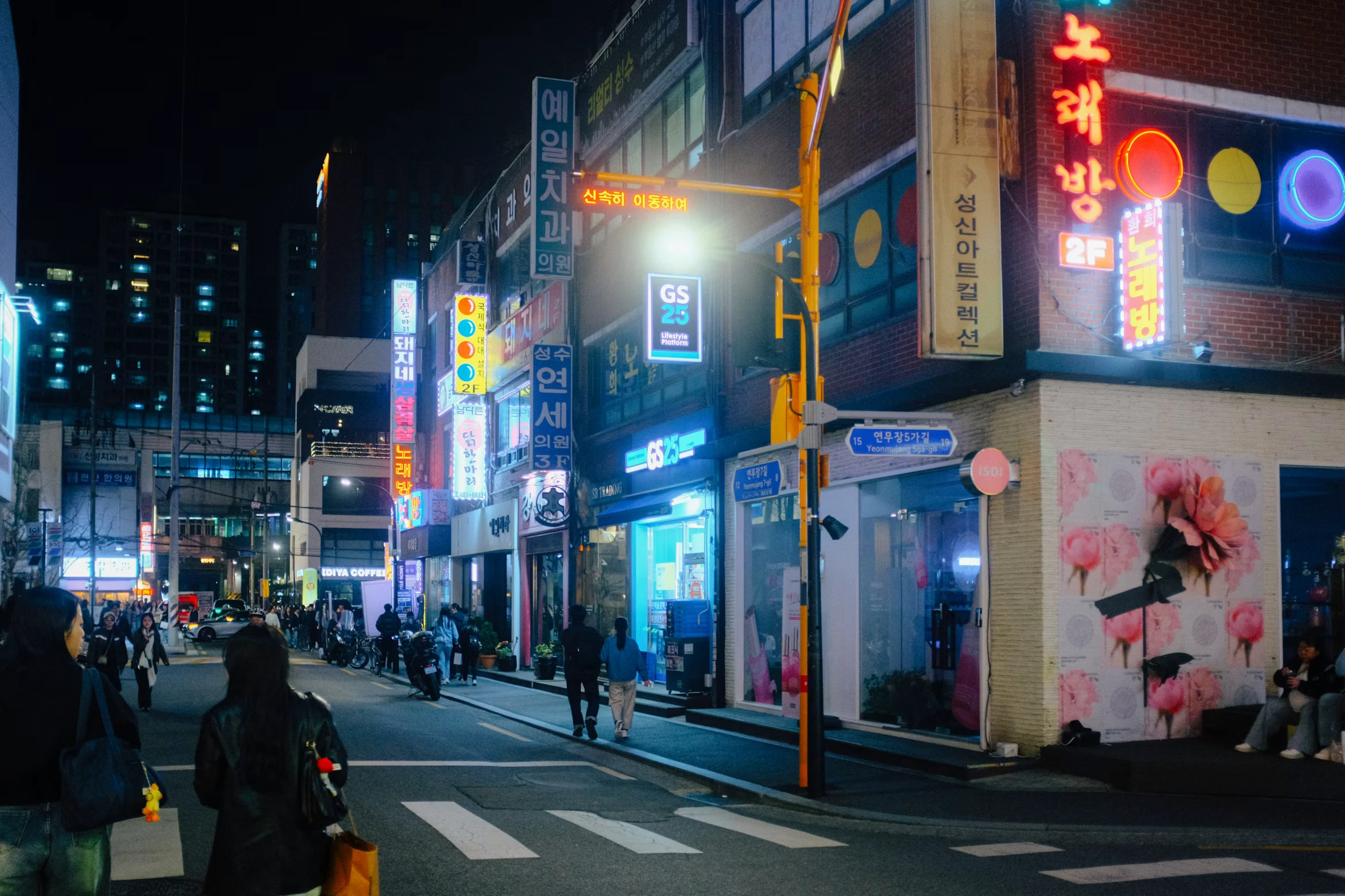
A K-pop trip to Seoul can be a concert journey, a reunion with songs that carried you through difficult years, and a chance to meet people who understand the same references. It can also become a blur of subway transfers, screenshots, and places visited only long enough to prove you were there.
The problem is not loving K-pop too much. It is giving every possible fan stop the same importance. A better itinerary protects the few moments that matter most, then lets Seoul become more than their backdrop.
Start with an anchor, not a list
Choose the one event that would make the trip feel worthwhile: a confirmed concert, fan meeting, exhibition, pop-up, birthday café, or a personally meaningful place. That is the day's anchor. Everything else should make that anchor easier or more enjoyable.
This matters because temporary fan events are not stable foundations. Announcements can arrive late, tickets can be difficult to secure, and cafés or photo-booth collaborations may run only during a promotion. In a discussion among Korea travelers planning around concerts, fans repeatedly advised building a trip that would still be enjoyable if the hoped-for show did not happen. Another discussion about K-pop-themed travel included a useful warning: fan cafés and pop-ups may not be available on the dates you visit, so leave room for interests beyond one group. These are traveler experiences, not official rules, but they reveal the same planning weakness.
If the anchor is not confirmed, label it possible, not fixed. Do not book a cross-city day around a rumor.
Use the 1–1–1 day
A balanced fan day has three layers:
- One fan anchor: the concert, exhibition, café event, record shop, or filming location you genuinely care about.
- One neighborhood companion: a market, park, meal, gallery, bookshop, or riverside walk in the same part of Seoul.
- One open block: at least two hours with no reservation and no must-do pin.
The open block is not wasted time. It absorbs ticket pickup, merchandise lines, a longer café wait, a wrong station exit, rain, tired feet, or an unexpectedly good street. If nothing goes wrong, it becomes the part of the trip where you can stay.
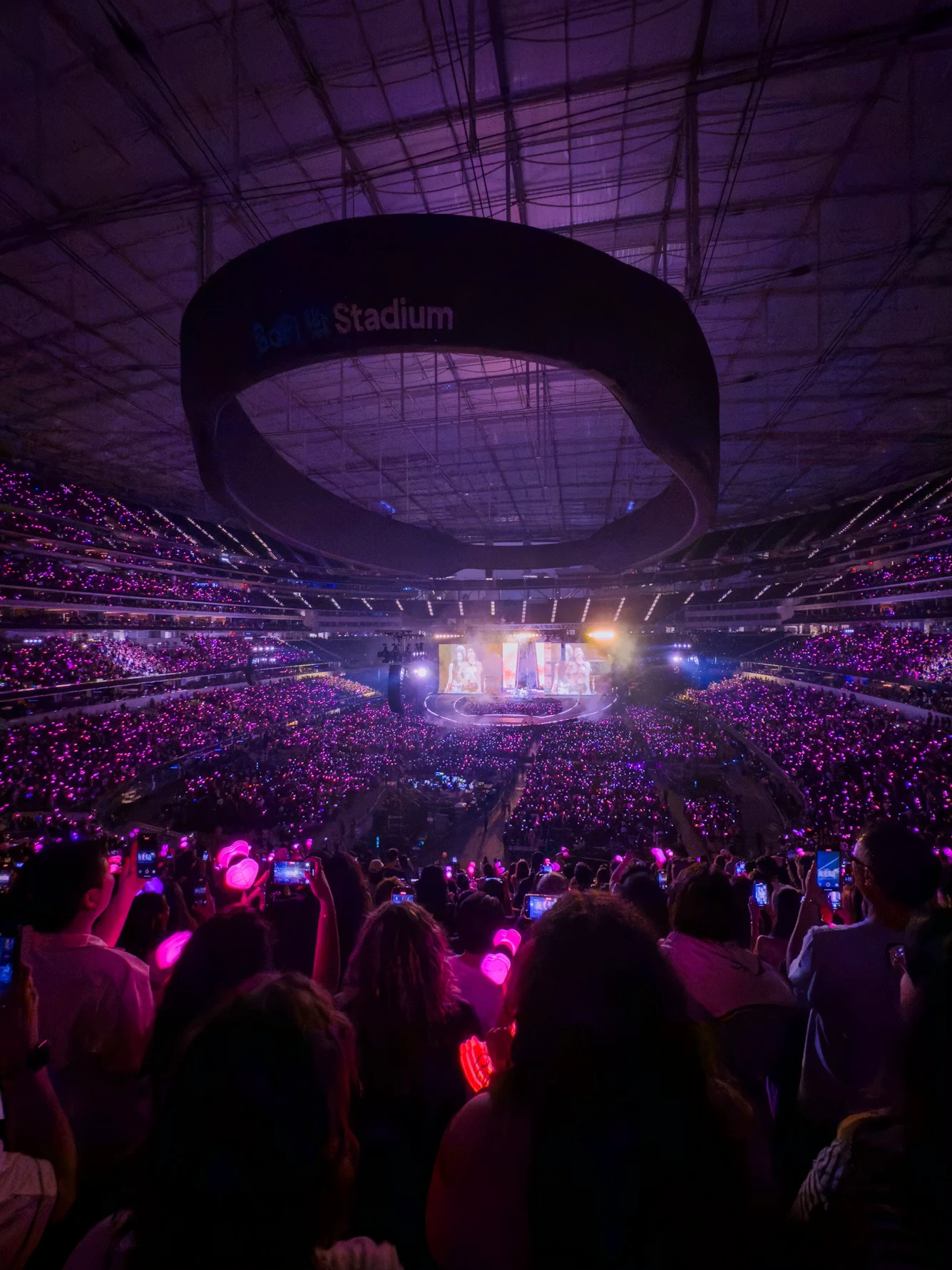
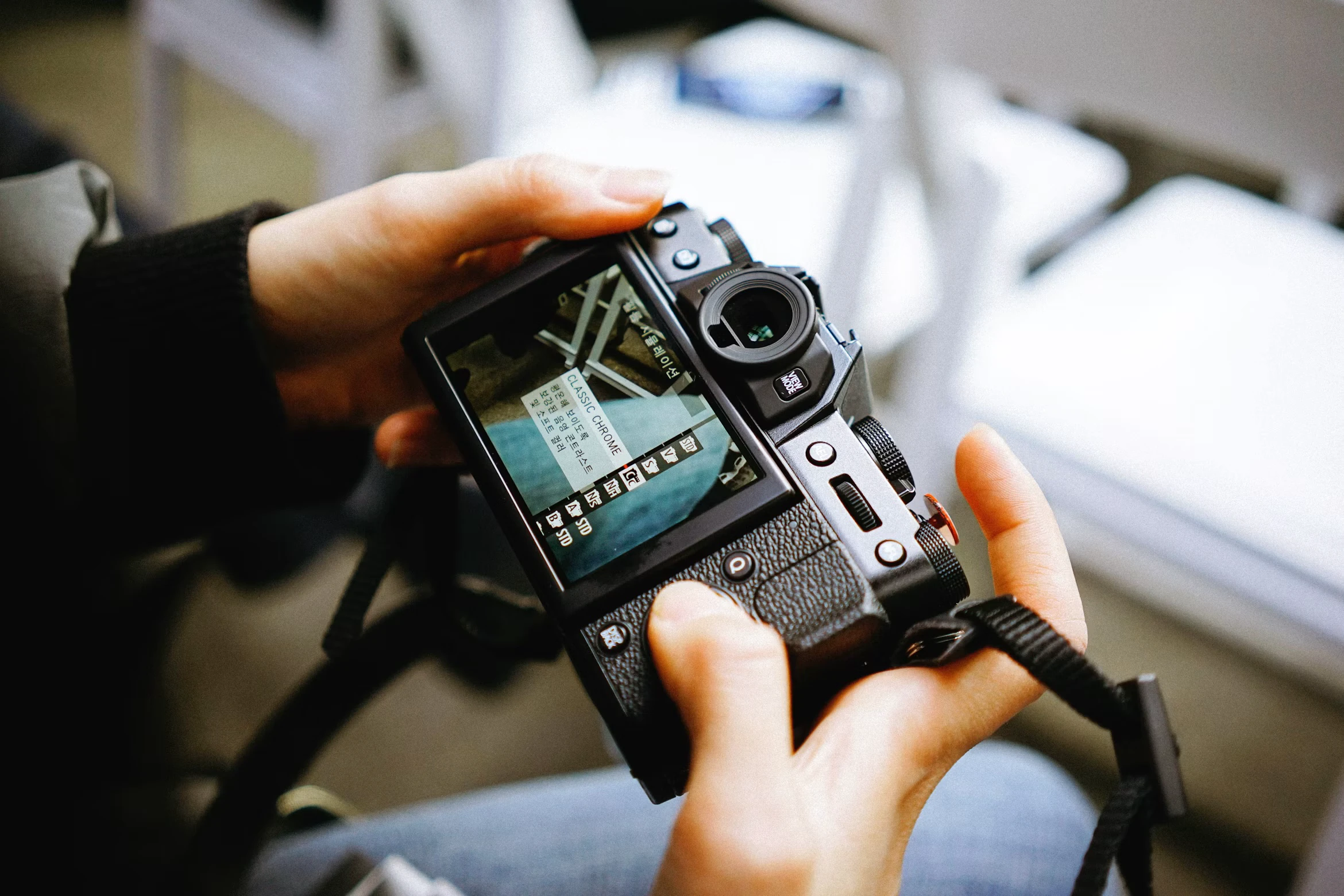
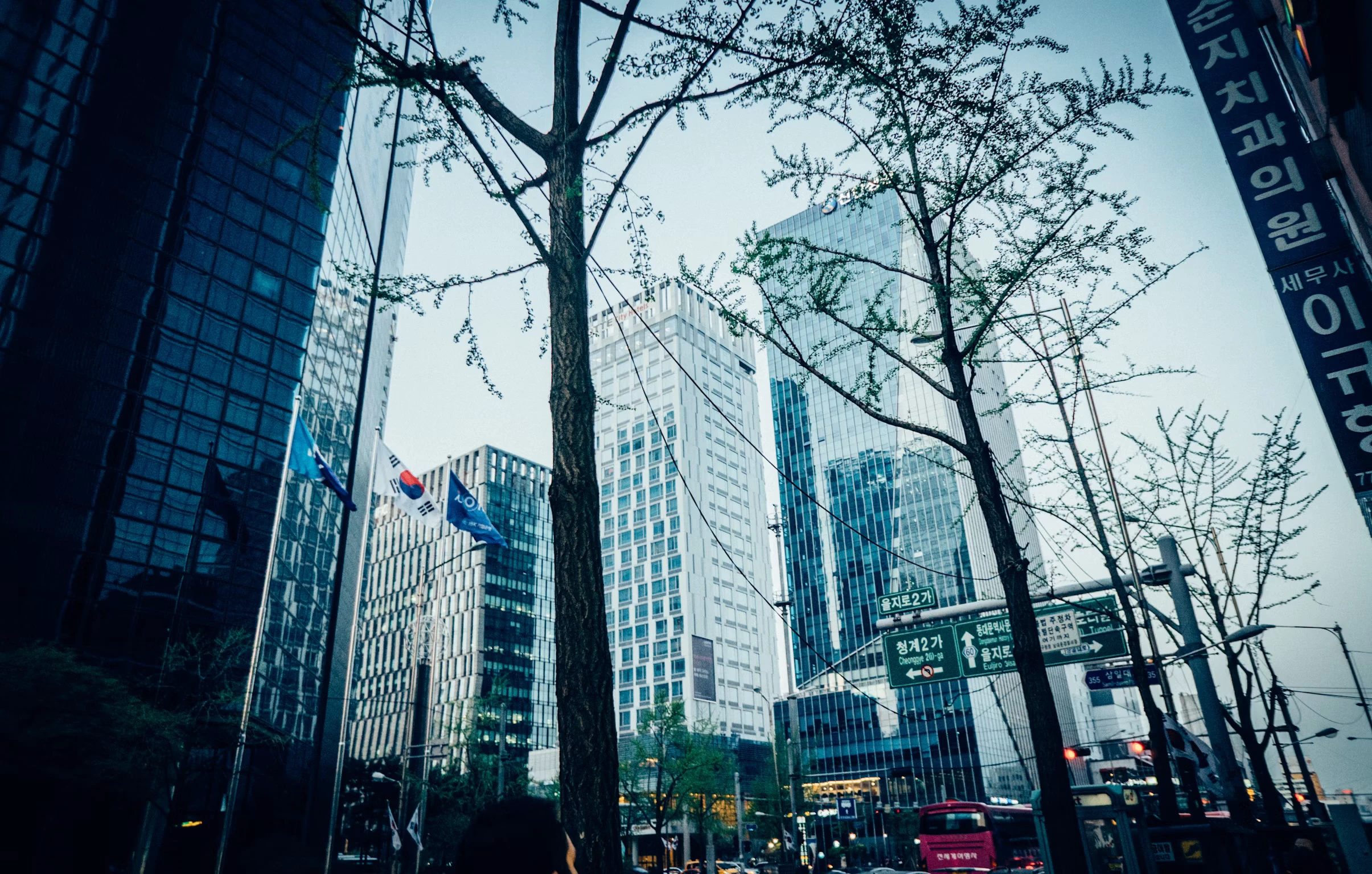
Think of the slider above as the whole trip in miniature: the peak event, the moment you choose to remember, and the ordinary city around it. A good itinerary makes space for all three.
Let neighborhoods organize the trip
Do not arrange stops by category—every merchandise shop on Monday, every agency area on Tuesday, every café on Wednesday. Group them by neighborhood. Seoul is large enough that three attractive pins can consume a day if they sit on opposite sides of the river.
Mapo: fan energy plus a lived-in afternoon
Hongdae, Yeonnam, Hapjeong, Sangsu, and Mangwon work well as one broad day because music, small shops, cafés, parks, and residential streets sit close together. Pick one fan stop, then walk rather than collecting more subway transfers.
The official Hongdae and Mangwon village guide shows how much can fit into a two-hour local route: Gyeongui Line Forest Park and Yeonnam alleys, indie books in Hapjeong, Hongdae music and art streets, or a walk toward the Hangang. Its value is not the exact business list, which can change. It is the scale: one compact walk can mix music, food, books, and neighborhood life.
A practical Mapo day might be a confirmed café event before lunch, an unhurried meal, one record or goods shop, then Yeonnam or Mangwon with the evening left open.
Songpa: make recovery part of concert day
If your anchor is in eastern Seoul, pair it with something calm nearby instead of squeezing in a morning trip to western Seoul. Seokchon Lake is one option for a Jamsil or Songpa day. Visit Seoul's official Seokchon Lake guide describes the loop as about 2.5 kilometers and just over an hour at a leisurely pace, with easy access from Jamsil Station. You do not need to finish the loop. A bench, a short walk, and a proper meal can be the companion to a high-energy evening.
For an Olympic Park-area event, keep the same principle but choose a nearby green space or meal based on the actual venue entrance and your route that day. Check the venue notice rather than assuming every Songpa arena uses the same station or gate.
Gangnam: choose contrast, not more branding
A Gangnam fan stop does not require a full day of entertainment-company buildings. Pair one public exhibition, store, or café with a place that changes the pace: a temple visit, a royal-tomb walk, a bookstore, or lunch on a side street. The contrast is the point. It turns an address into a day you can remember.
Make concert day deliberately small
Treat the concert as the whole day's main work. A ticketed show creates more tasks than its start time suggests: checking the latest notice, traveling to the correct entrance, collecting a ticket, buying or skipping merchandise, eating, charging your phone, finding a restroom, and waiting for doors. After the show, crowds can slow station access and you may simply be tired.
A strong concert day therefore has:
- a slow morning near your accommodation;
- one proper meal before traveling;
- a venue arrival time based on the organizer's latest notice;
- no reservation on the other side of Seoul;
- a simple return plan and a late-night food backup near your hotel.
Do not measure the day by how many extra pins you reached. The concert is not an empty evening slot to fill around.
Treat temporary events like weather
Birthday cafés, subway ads, photo booths, pop-ups, and broadcast-related opportunities can make a trip magical. They can also change, sell out, close early, or be announced after your itinerary is built. Track them without letting them control the whole plan.
Use three labels in your notes:
- Fixed: ticket or reservation confirmed, identity requirements checked, travel time protected.
- Check again: official dates exist, but hours, entry method, stock, or queue policy may change.
- Bonus: interesting only if you are already nearby and still have energy.
Set one update window each day—perhaps after breakfast—instead of refreshing social media between every stop. Save the official post, the Korean address, and a screenshot of essential entry details. If a bonus disappears, replace it with the neighborhood companion already in your plan.
Choose fan stops by meaning
A long list often grows from fear: if you skip a place, perhaps you are missing the real fan experience. Reverse the test. For every stop, complete this sentence: I want to go because…
A strong answer is personal and specific: this is where a favorite performance was filmed; the exhibition contains costumes I want to study; this café event is run by friends I hope to meet. A weak answer is that the address appeared on every itinerary.
Keep three kinds of fan memory at most:
- one live memory, such as a concert or performance;
- one community memory, such as meeting fans or visiting a fan-run event;
- one private memory, such as listening to an album while walking, writing a postcard, or taking one careful photograph.
Spending is optional in all three. The point is participation, not proof.
A five-day rhythm that can bend
This is a structure, not a list of attractions:
Day 1 — Arrive and learn your base. Check in, eat nearby, locate the station entrance and convenience store you will actually use, and take one short evening walk. Do not make arrival night responsible for a major fan goal.
Day 2 — Neighborhood fan day. Put one confirmed event in Mapo, Gangnam, Seongsu, or another district at the center. Add one local walk or meal and keep an open block.
Day 3 — Seoul day. Choose something that would interest you even without an idol connection: a market, museum, palace area, hiking path, design district, or riverside. Music can still accompany the day without determining every address.
Day 4 — Concert or major event. Keep the morning light, eat, travel early enough for the organizer's process, and make no ambitious plan afterward. If there is no confirmed event, this becomes the flex day for a newly announced pop-up or a second ordinary-Seoul day.
Day 5 — Return to one feeling. Revisit the neighborhood you liked, collect a small purchase you considered carefully, meet a friend, or sit somewhere long enough to write down what surprised you. Leave for the airport with margin appropriate to your flight and route.
If your concert date falls elsewhere, move the concert day rather than rebuilding every day around it. The rhythm—arrival, focused fandom, wider city, peak event, gentle ending—matters more than the numbering.
Respect the city behind the story
Some fan-linked places are homes, offices, schools, temples, memorial spaces, or ordinary businesses. A public sidewalk does not turn every nearby doorway into an attraction. Do not block entrances, photograph private interiors, follow staff or residents, or expect an agency office to provide access to artists. Follow posted rules, buy something when occupying a small café table, and keep group noise appropriate to the place.
Respect also improves the trip. When you stop trying to extract proof from every location, you can notice why a neighborhood mattered in the first place.
Build the final plan in 15 minutes
Before you travel, make one page with five columns: day, fixed anchor, neighborhood companion, open block, and backup. Then run four checks:
- Are there more than two fixed times on any non-concert day? Remove one.
- Does any day cross Seoul for a stop you would spend less than 30 minutes enjoying? Move or drop it.
- Would the day still feel good if the temporary fan event vanished? Add a real neighborhood companion if not.
- Is there one half-day with no fan obligation at all? Protect it.
A meaningful K-pop trip does not need to prove the scale of your devotion. Let the concert be huge, let a fan event be joyful, and let breakfast, trees, side streets, and a quiet subway ride remain ordinary. Those ordinary parts are not gaps between the real memories. They are how Seoul becomes part of the memory too.
Sources and image credits
- discussion among Korea travelers planning around concerts — Checked for guide details or image attribution.
- discussion about K-pop-themed travel — Checked for guide details or image attribution.
- official Hongdae and Mangwon village guide — Checked for guide details or image attribution.
- official Seokchon Lake guide — Checked for guide details or image attribution.
Last updated


