
One Menu Per Person in Korea: How Minimum Orders Differ
Separate Korea's one-menu-per-person rule from per-dish, first-order, and table minimums, then use the right question at cafes, barbecue restaurants, hot-pot places, and family meals.
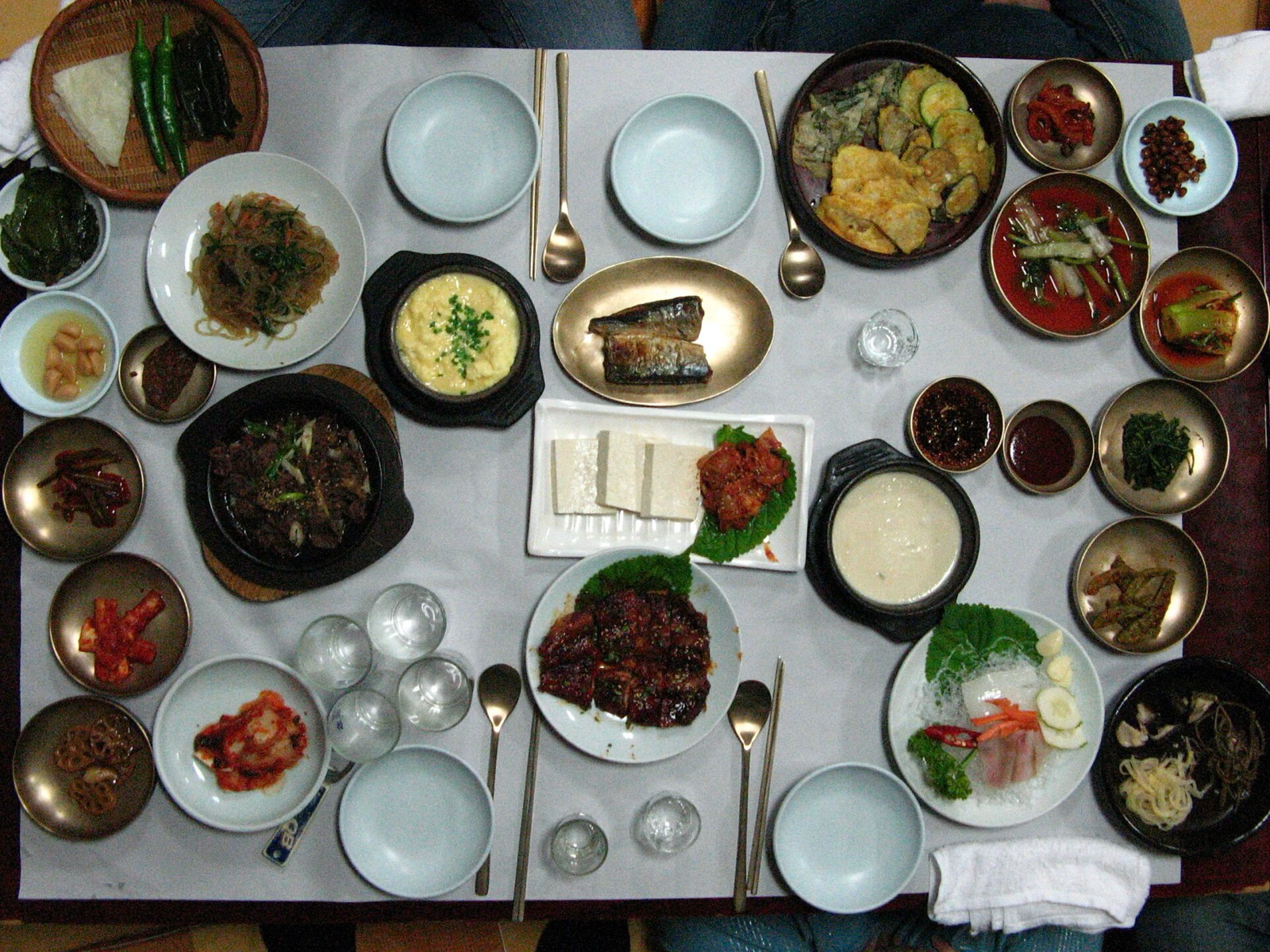
1인 1메뉴 usually means one qualifying item for each person the venue counts. A separate minimum order can set the smallest quantity of one dish, the first order, or the whole table—so a party may face one rule, both, or neither.
The practical question is never just “How many people are here?” Check what counts as a menu item, whether a price is per serving or per pot, and which guests the venue includes.
Read the Korean line before the price
The Korea Tourism Organization's official food-translation guide treats 1인 1메뉴, 최소 주문조건, and “available from two servings” as distinct messages. Rechecked on 11 August 2026, that distinction remains the safest way to interpret a sign or menu.
- 1인 1메뉴: One qualifying menu item per counted guest. A drink, dessert, side dish, or children's item counts only if that venue says it does.
- 1인 1음료 / 1인 1잔: One beverage per counted guest. Look for an age exemption rather than assuming one.
- 2인분 이상 주문: That dish can be ordered from two servings. Identify whether the printed price is for one serving or the whole vessel.
- 첫 주문 2인분 이상: The initial order must total at least two servings. Mixed cuts or different menu items may still need staff approval.
- 인원수대로 주문: Order according to the counted headcount. Check how the venue treats young children.
- 최소 주문 금액: Reach the stated spend for the table or order. Confirm which products count and whether the rule applies only to dine-in guests.
These are venue policies, and a rule can apply to one section of the menu rather than every order. The current sign, menu note, booking notice, or staff answer controls.
At a cafe, “one menu” may still mean one drink
With 1인 1음료, each counted guest needs a beverage; sharing cake does not replace a drink unless staff explicitly allow it. 1인 1메뉴 looks broader, but a cafe may still define qualifying items narrowly. The heading alone cannot tell you whether a pastry or dessert is enough.
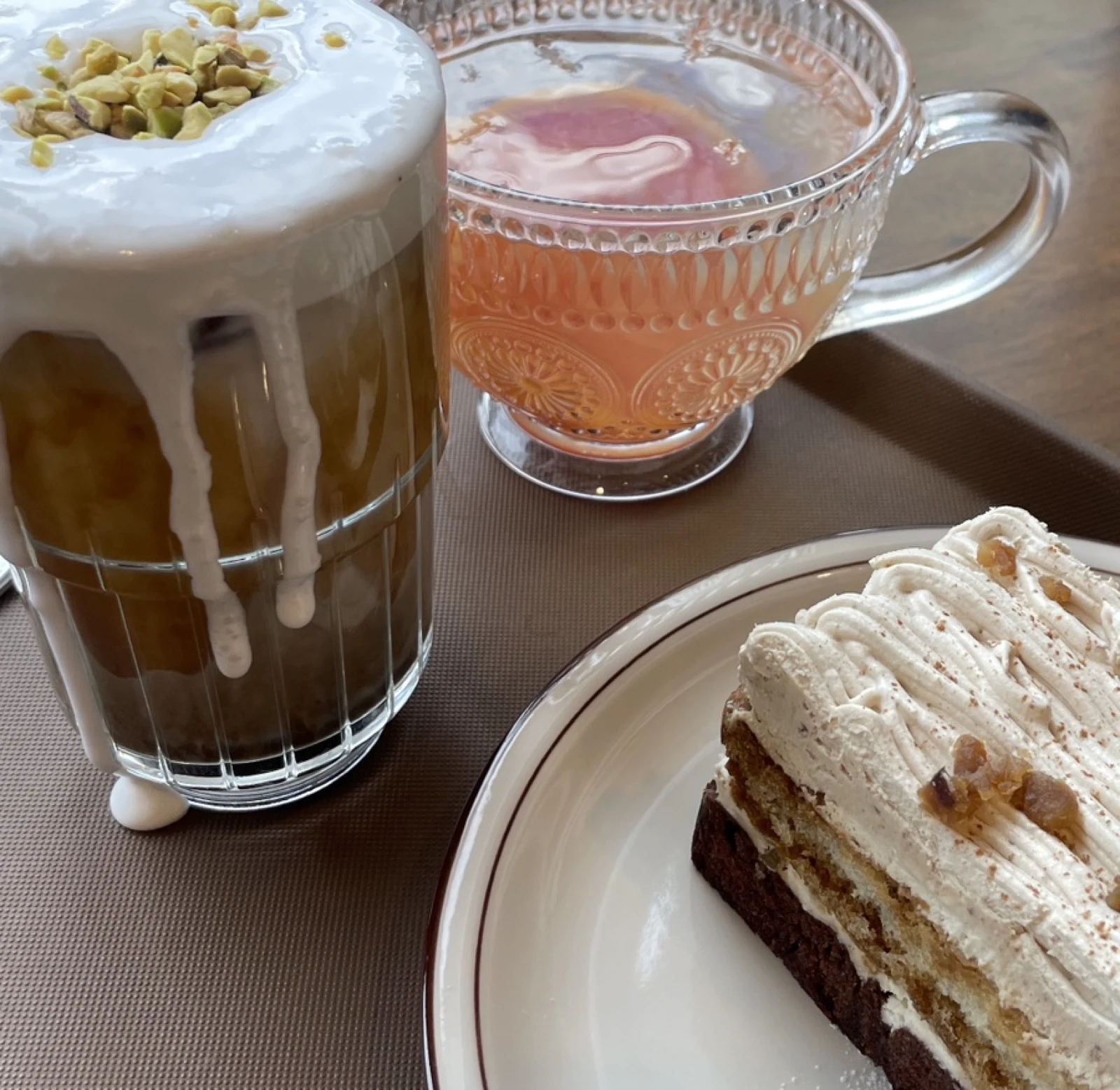
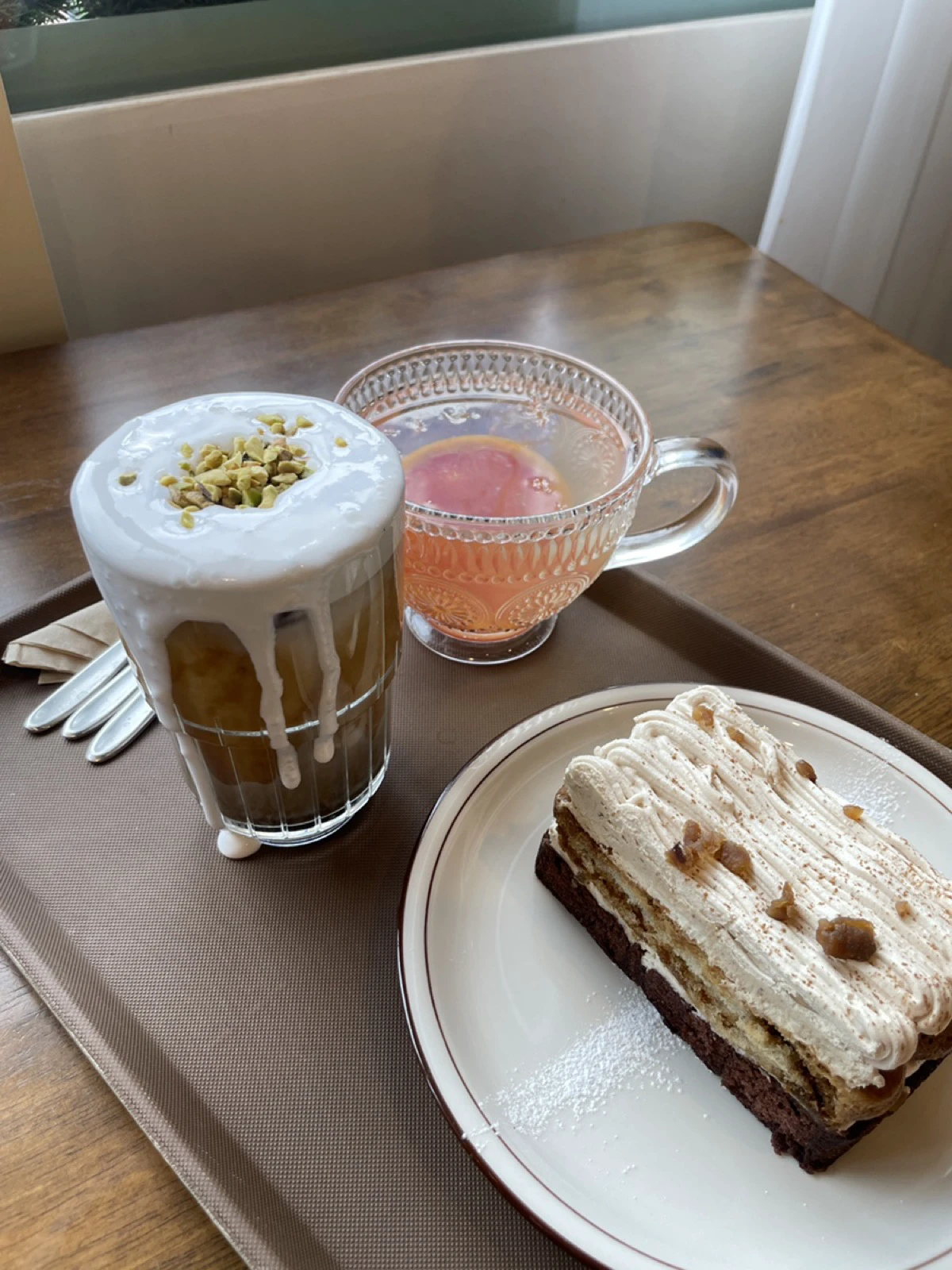
This tray shows two drinks and one dessert. It could satisfy three people at one cafe and fail the rule at another; the picture cannot settle which products qualify.
Ask: 디저트도 1인 1메뉴에 포함되나요? (Dijeoteudo il-in il-menyue pohamdoenayo?) — “Does dessert count toward the one-menu-per-person rule?”
The same uncertainties—whether cake counts, whether every adult needs a drink, and how children are treated—appear in both a Reddit cafe discussion and Korean parents' Naver posts. Their differing answers show why community experience is useful for spotting the question, but not for establishing a nationwide policy.
At Korean barbecue, two minimums can overlap
A barbecue restaurant may require one meat order per counted diner and also set a two-serving minimum for the first order. For three people, 첫 주문 2인분 이상 does not necessarily cap the order at two servings; a separate 1인 1메뉴 or 인원수대로 주문 notice may still require three qualifying orders.
Two different one-serving cuts may or may not satisfy the first-order minimum. Ask: 첫 주문 2인분을 서로 다른 고기로 주문해도 되나요? (Cheot jumun i-inbuneul seoro dareun gogiro jumunhaedo doenayo?) — “Can the first two servings be two different meats?”
Solo seating is a different question from order quantity. See Can You Eat Korean BBQ Alone? What the 2-Serving Rule Means for how those two decisions interact.
For hot pots and stews, identify the pricing unit
When 1인 appears beside a price and the same line says 2인 이상 주문, the amount is usually per serving and the dish starts at two servings. 소 / 중 / 대 normally marks a small, medium, or large shared pot, yet a separate headcount rule can still appear elsewhere. Do not treat one printed number as the whole-pot price until you know its unit.
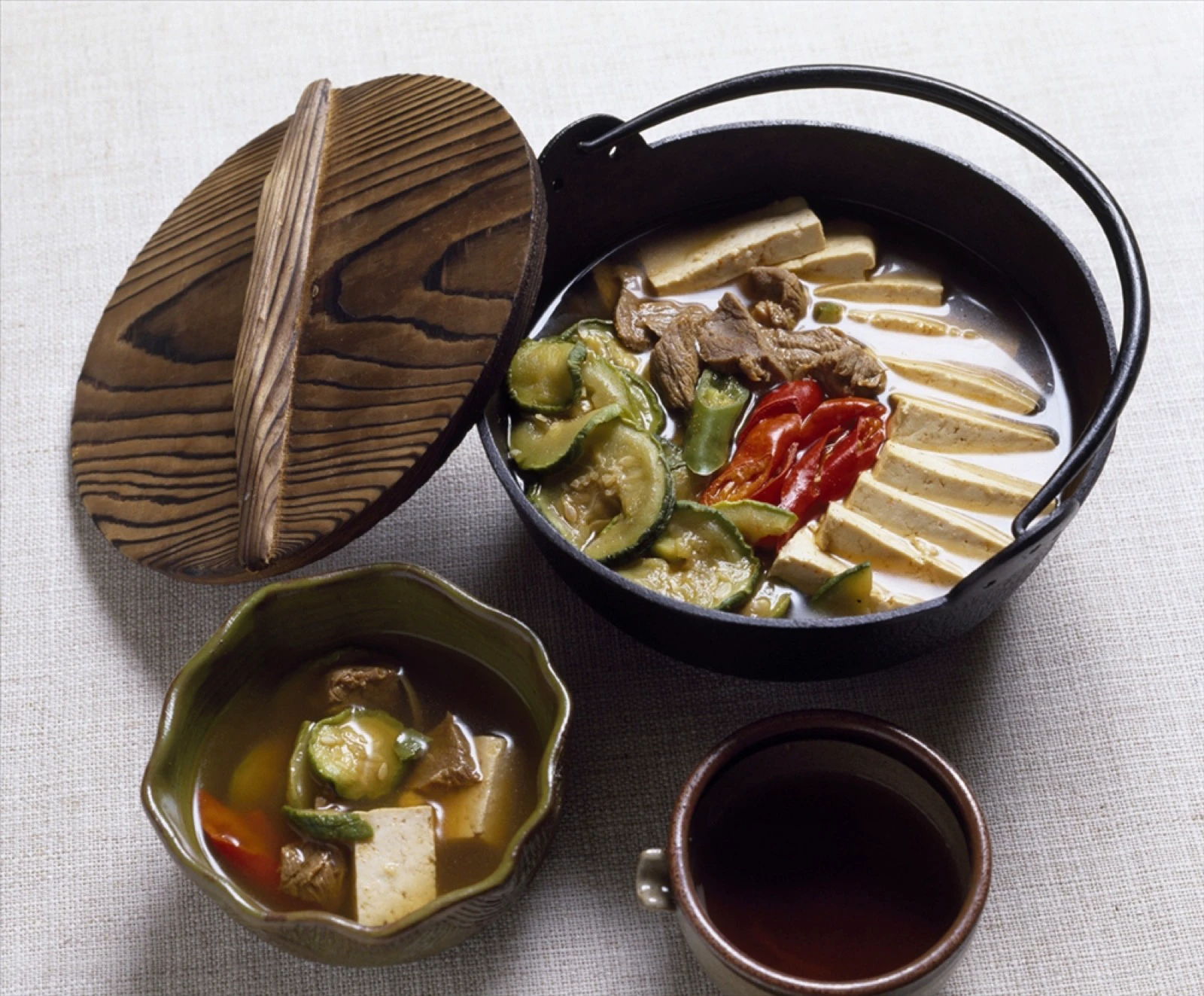
Noodles, rice, dumplings, and extra meat are additions; they do not automatically replace the required base servings. Ask: 이 전골은 몇 인분부터 주문할 수 있어요? (I jeongoreun myeot inbunbuteo jumunhal su isseoyo?) — “What is the minimum number of servings for this hot pot?”
For children, find the age threshold
1인 1메뉴 does not carry one nationwide child cutoff. A venue might write 초등학생 이상 (elementary-school age and older), 미취학 아동 제외 (preschool children excluded), 36개월 이상 (36 months and older), 어린이 요금 (child price), or simply count every reserved seat. Those policies are not interchangeable.
A child can count in the reservation headcount while remaining exempt from the food minimum. Enter every guest when booking unless the booking page clearly instructs otherwise, then ask: 아이는 몇 살부터 1인 1메뉴인가요? (Aineun myeot salbuteo il-in il-menyu-ingayo?) — “From what age does the one-menu-per-person rule apply to children?”
Four questions that solve most ambiguities
- 사이드 메뉴도 1인 1메뉴에 포함되나요?
Saideu menyudo il-in il-menyue pohamdoenayo?
“Does a side dish count as the required item?”
- 이 가격은 1인분 가격인가요, 한 냄비 가격인가요?
I gagyeogeun il-inbun gagyeogingayo, han naembi gagyeogingayo?
“Is this the price per serving or for one pot?”
- 세 명이면 몇 인분 주문해야 하나요?
Se myeong-imyeon myeot inbun jumunhaeya hanayo?
“For three people, how many servings must we order?”
- 아이는 최소 주문 인원에서 제외되나요?
Aineun choeso jumun inwoneseo je-oedoenayo?
“Is the child exempt from the minimum order?”
Count the guests, identify which rule applies, then confirm which items qualify. That short check is more reliable than ordering extra food from a phrase taken out of context.
Sources and image credits
- Richy! — Korean full-course table photo, licensed under CC BY-SA 2.0; used for the cover under its commercial reuse terms.
- dongle_mom on Naver Blog — Cafe drinks and dessert photos, reused with permission confirmed by the operator.
- Korea.net / Korean Culture and Information Service.jpg) — Dubu-jeongol photo, licensed under CC BY-SA 2.0.
- Korea Tourism Organization — A Guide to Translating Korean Food — Official terminology for one-item, minimum-order, and per-serving notices; rechecked 11 August 2026.
- Reddit cafe discussion — Community questions used only to identify recurring ambiguity, not as a nationwide rule.
- Korean parent post on Naver — Venue-specific family experience used as context, not as policy evidence.
- Published cover image file — Cropped Korean full-course table image by Richy!, credited and licensed above.
Last updated


