
How Korean Dessert Trends Move from Hype to Convenience Stores
Read the repeatable signals behind Korea’s viral desserts—visible texture, scarcity, remixing and retail scale—then taste one without losing half a travel day.
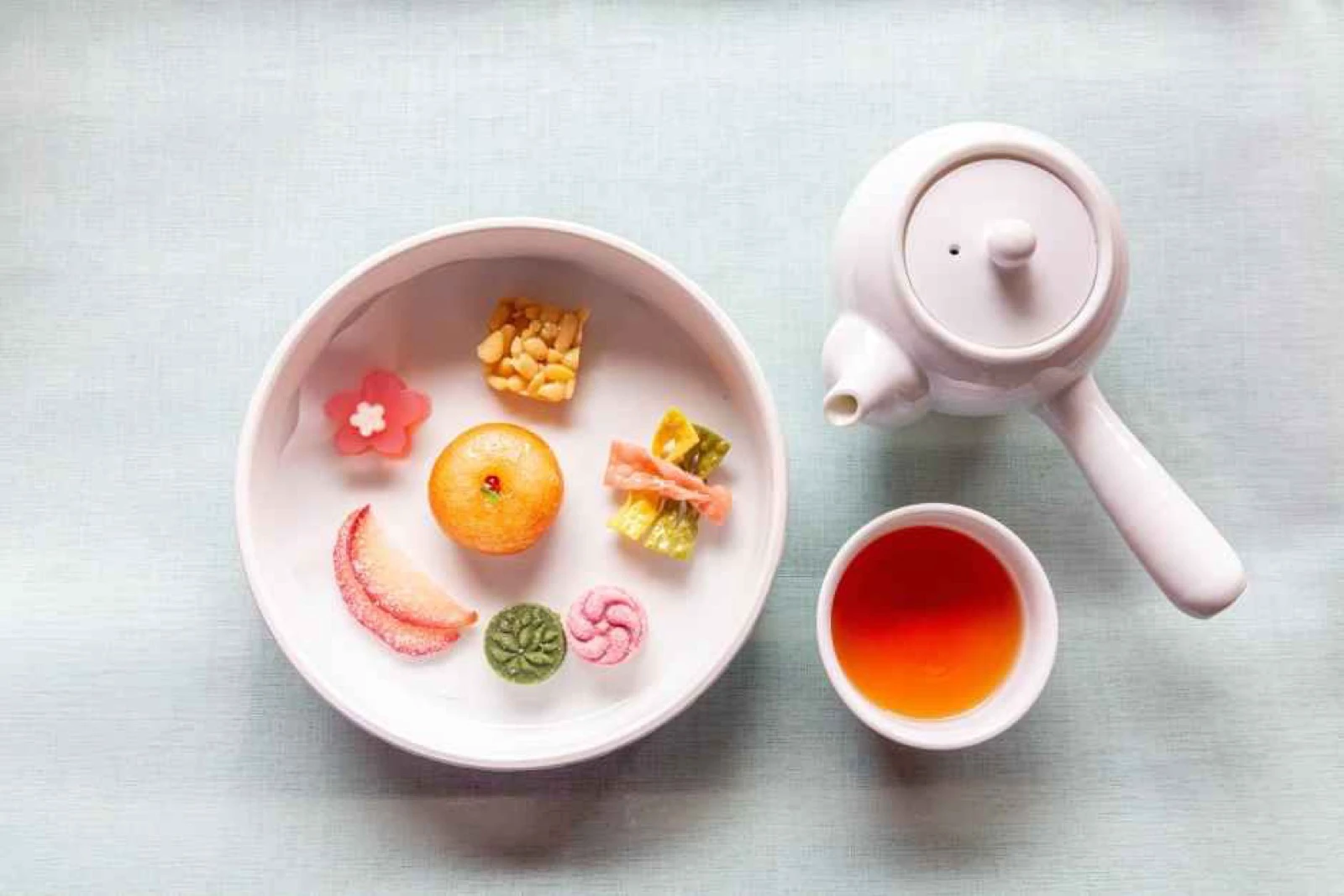
Korea’s next viral dessert is not reliably predicted by one ingredient. The repeatable signal is a format: a texture that reads instantly on a phone, a short searchable name, controlled scarcity, easy remixing and a path from specialist shops to mass retail.
For a traveler, the useful rule is simpler: taste one fresh specialist version if it fits your route, set a hard queue limit, and compare a convenience-store version only when it is nearby. A trend is a snack experiment, not a reason to sacrifice half a day.
The five-stage pattern
1. A texture becomes clear in one second
A clean cross-section, long stretch, crisp crack or chewy-crunchy contrast communicates before a viewer knows the recipe. Korea Tourism Organization’s February 2026 dujjonku feature connects the Dubai chewy cookie’s marshmallow chew, pistachio-kadayif crunch and bold appearance with its spread on social media.
The name helps the format travel. Croffle combines croissant and waffle; crungji combines croissant and nurungji; dujjonku abbreviates Dubai chewy cookie in Korean. Each is brief enough to search, caption and repeat.
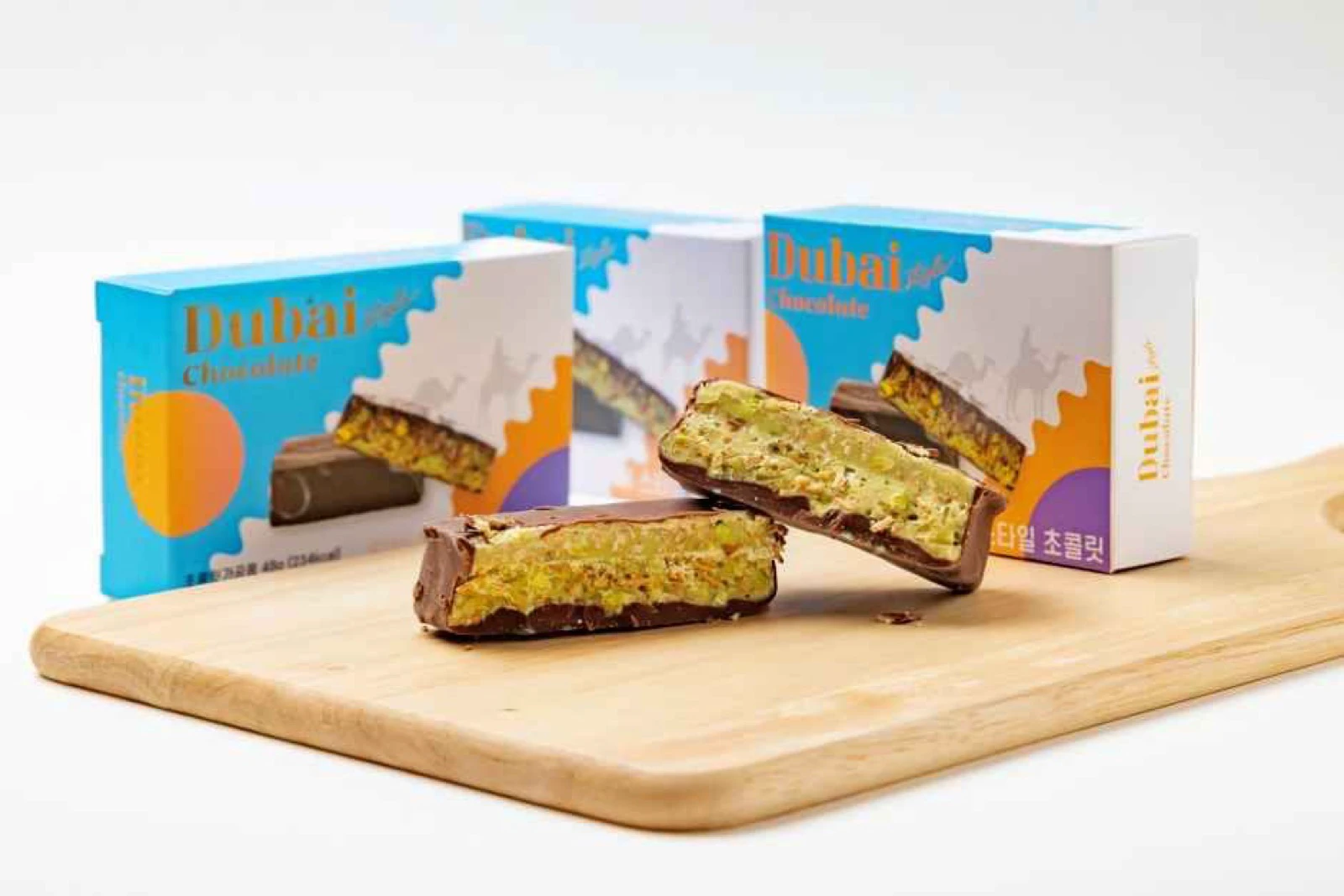
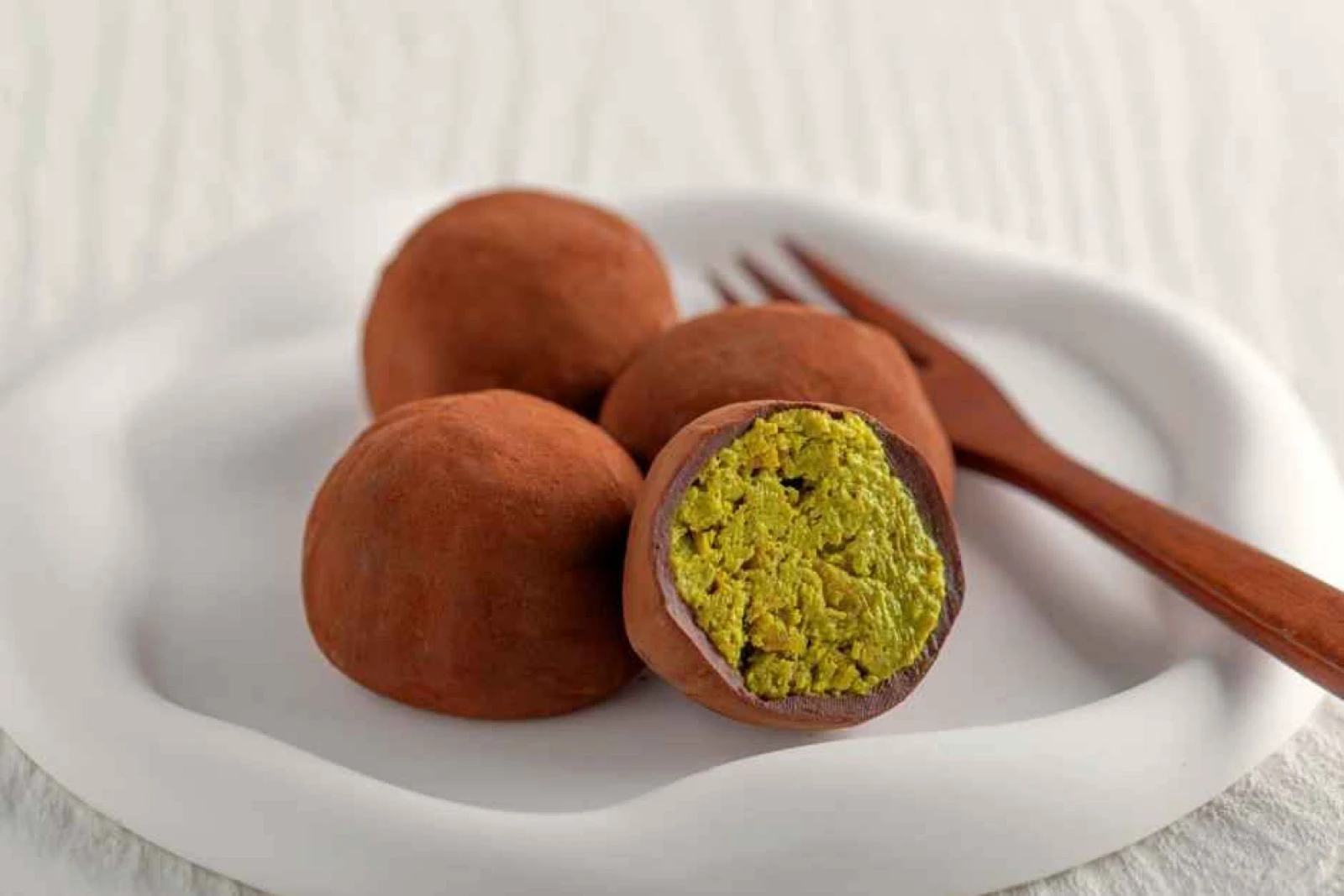
The transition is the point: a pistachio-and-kadayif chocolate center became a round Korean chewy cookie with an even more obvious reveal.
2. Scarcity produces more evidence of demand—and more hype
Limited batches, timed online drops, queues and restock notices turn buying into content. VisitKorea calls the hard-to-buy dujjonku rush du-keting, echoing the earlier yaketing label for scarce yakgwa.
Scarcity does not prove quality. It does create a feedback loop: viewers search, buyers document the attempt, and the next viewer sees both the food and the difficulty. A long queue can reflect a small batch, a famous account or an opening rush—not necessarily the best version in Seoul.
3. Korean makers remix the idea into familiar forms
A durable trend is adapted, not copied once. Dubai-style pistachio and shredded pastry moved from chocolate into chewy cookies, bungeoppang, yakgwa, salt bread and soufflé. Yakgwa has moved into cookies, financiers and ice cream.
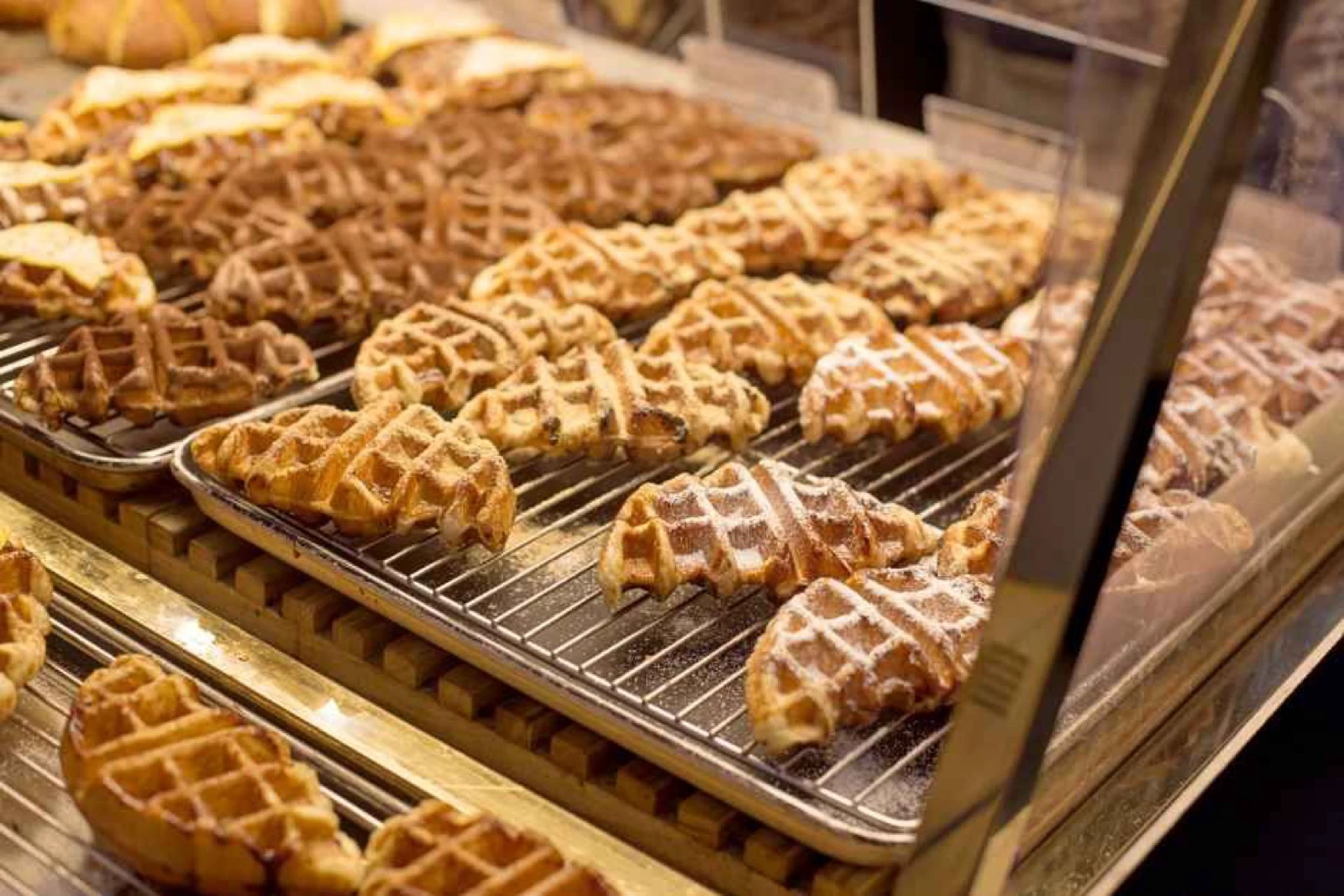
Croffles show the same logic from an earlier cycle: a familiar laminated pastry gained a different texture and a format cafés could reproduce quickly.
Remixing lowers the explanation cost. “The viral filling, but in salt bread” is immediately legible, and many shops can participate without selling an identical product. This is where an imported spark becomes a Korean dessert family.
4. Collaboration and convenience retail scale it
Specialist cafés establish desirability; mass retailers make the format easy to encounter. Convenience stores have broad distribution, long hours and the ability to connect new products with apps, preorders and campaigns. Their versions are often cheaper and more standardized than a fresh bakery original.
BGF Retail’s January 2026 release described CU developing a television-inspired Night Tiramisu Cup in roughly ten days, with early preorders selling out and later cumulative sales exceeding 2.5 million units. Those figures belong to that product and company report; they demonstrate rollout speed, not a rule for every dessert.
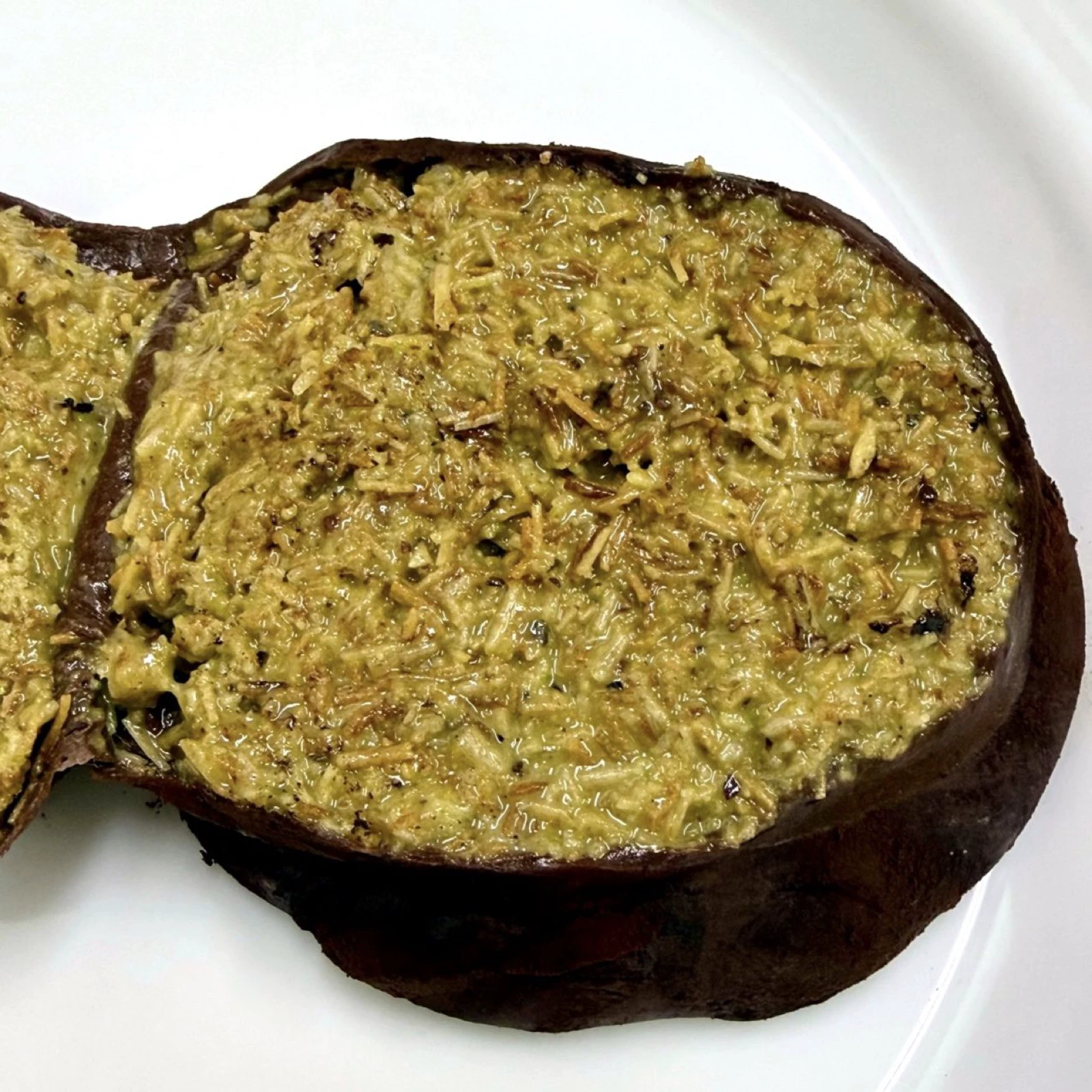
Once many makers reproduce the same recognizable cross-section, the trend has moved beyond one famous shop. A retail launch is a mass-adoption signal, not proof of longevity or superior taste.
5. Saturation opens space for the next format
Mass adoption brings copies, price competition and uneven quality. The reveal becomes familiar, the same shot earns less attention, and buyers move on. An April 2026 Korean business report, citing BGF Retail’s review, said a convenience-store hit’s life cycle had shortened from about 22 months to about four. Treat that as one retailer’s diagnosis, not an industry law.
Community posts show experience, not market proof. Early-2026 Reddit users described dujjonku moving from creators to independent bakeries and later discussed butter tteok as another hype dessert. Their disagreement about price and quality is anecdotal, but it illustrates novelty and fatigue appearing at the same time.
Is butter tteok “the next one”?
There is no defensible single winner for the rest of 2026. Yonhap reported in March that CU planned a salted-butter rice-cake item about a month later, positioning it after dujjonku. That is evidence of the pipeline moving again, not a guarantee that butter tteok will dominate every season or neighborhood.
Watch for a cluster of signals instead:
- Clear texture: it stretches, cracks, flakes, oozes or reveals layers in short video.
- Searchable Korean name: short enough to type and remember.
- Reproducible base: cafés and factories can adapt it without one shop’s unique equipment.
- Immediate story: nostalgia, a traditional ingredient or imported reference explains it quickly.
- Controlled scarcity: limited drops or sellouts keep attention before broad retail.
- Retail translation: a convenience-store or major-brand version confirms reach, while possibly marking the beginning of saturation.
An ingredient alone is easy to copy. A named format with texture and story travels farther.
How to taste a trend without losing a travel day
- Search the Korean term. Look at Naver search, Naver Map or recent social posts. Useful terms include
두쫀쿠,버터떡and크룽지. English travel articles often lag fast product cycles. - Pick one specialist version on your route. Favor recent cross-sections, batch times and visible prices over recycled influencer images. The fresh version shows the intended texture.
- Set a queue ceiling before arrival. If waiting displaces a meal, museum, neighborhood walk or ticketed plan, skip it. No viral snack is unique enough to justify every trade-off.
- Try packaged retail only when convenient. CU, GS25, 7-Eleven and Emart24 rotate products and branch stock. Check a nearby store or its app rather than crossing Seoul for one package.
- Taste one before buying gifts. Pistachio fillings, chewy coatings and sweet hybrids can be polarizing. Heat, refrigeration and shelf time also change texture.
- Check allergens and ingredients. A visual format does not reveal nuts, dairy, gelatin, wheat or cross-contact. Read the current label or ask the shop.
The useful way to read hype
Creators make a texture visible, scarce sellers make the attempt desirable, Korean bakers make the format adaptable, and retailers make it widely accessible. Once the product becomes ordinary, a new visual contrast gets room to grow.
So do not ask only “What wins next?” Ask: Can the texture be shown instantly, can the format be repeated, and is there a path from scarcity to scale? When all three appear, you are probably watching a cycle form. That still does not tell you whether you will like the taste—or whether the queue is worth your time.
Sources and image credits
- First Dubai-chocolate image asset — Delivery Spot image illustrating the original cross-section; attribution retained from the frozen post.
- Dubai-chewy-cookie slider asset — Delivery Spot image illustrating the Korean remix; attribution retained from the frozen post.
- Croffle image asset — Delivery Spot bakery image; attribution retained from the frozen post.
- Second Dubai-chewy-cookie image asset — Delivery Spot cross-section image; attribution retained from the frozen post.
- Edaily convenience-store cycle report — April 2026 business reporting and retailer-attributed estimate; not an industry rule.
- r/koreatravel dujjonku discussion — individual observations only.
- r/KoreaLifeHacks butter-tteok discussion — individual observations only.
- VisitKorea 2026 dujjonku guide — texture, variants, scarcity label and convenience-store context; rechecked August 12, 2026.
- VisitKorea Top 5 K-Desserts — traditional and trend-remix context; rechecked August 12, 2026.
- VisitKorea yakgwa trend guide — traditional-dessert remix and scarcity context; rechecked August 12, 2026.
- BGF Retail January 2026 release — company-reported development and sales example; direct page retrieval was unavailable during the August 12 recheck.
- Yonhap butter-tteok report — March 2026 product-pipeline example; rechecked August 12, 2026.
- Korea JoongAng Daily bakery-queue report — reported queue and branding context.
- Korea JoongAng Daily convenience-store dessert report — historical private-label and collaboration context.
- Cover image asset — modern Korean sweets with tea, used as the Delivery Spot cover; attribution retained from the frozen post.
Last updated


