
First Trip to Seoul: Famous Sights or Local Neighborhoods?
Keep the famous places you would regret missing, then pair each one with a nearby market, park or everyday street instead of crossing Seoul for disconnected recommendations.
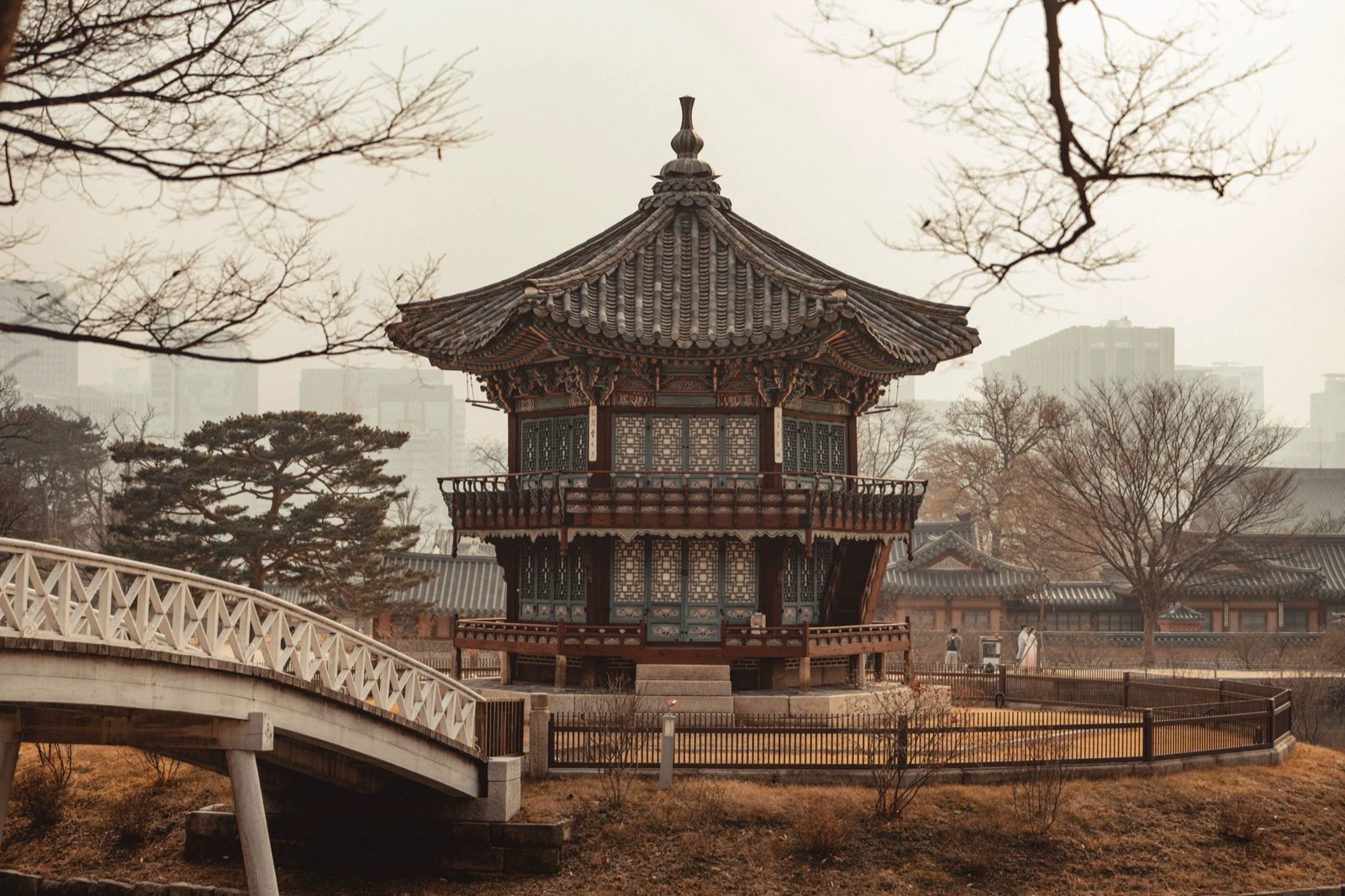
For a first Seoul trip, keep the famous places you would genuinely regret missing, then attach a nearby market, park or everyday street to each one. A 60/40 split—about 60% anchor sights and 40% neighborhood time—is a planning shortcut, not a rule about what is “authentic.”
The real mistake is not choosing a popular palace. It is crossing Seoul repeatedly to collect recommendations that do not belong together. On a three-to-five-day trip, one major anchor plus one nearby neighborhood block each day usually produces more time on the ground and less time in transit.
What the 60/40 shortcut is for
Anchor sights give a first visit context. A royal palace, the National Museum, Namsan or a district you have wanted to see for years should not be removed just to make the itinerary look original. In a detailed Seoul local’s recommendation discussion, even the writer arguing for everyday experiences still treats the standard palace, museum, hanok and market stops as worthwhile. It is a community viewpoint, not official evidence.
Neighborhood time changes the pace. It leaves room to eat without a timed reservation, browse what is open, rest in a park and notice how one part of Seoul differs from another. It also absorbs a wrong subway exit, a queue or jet lag.
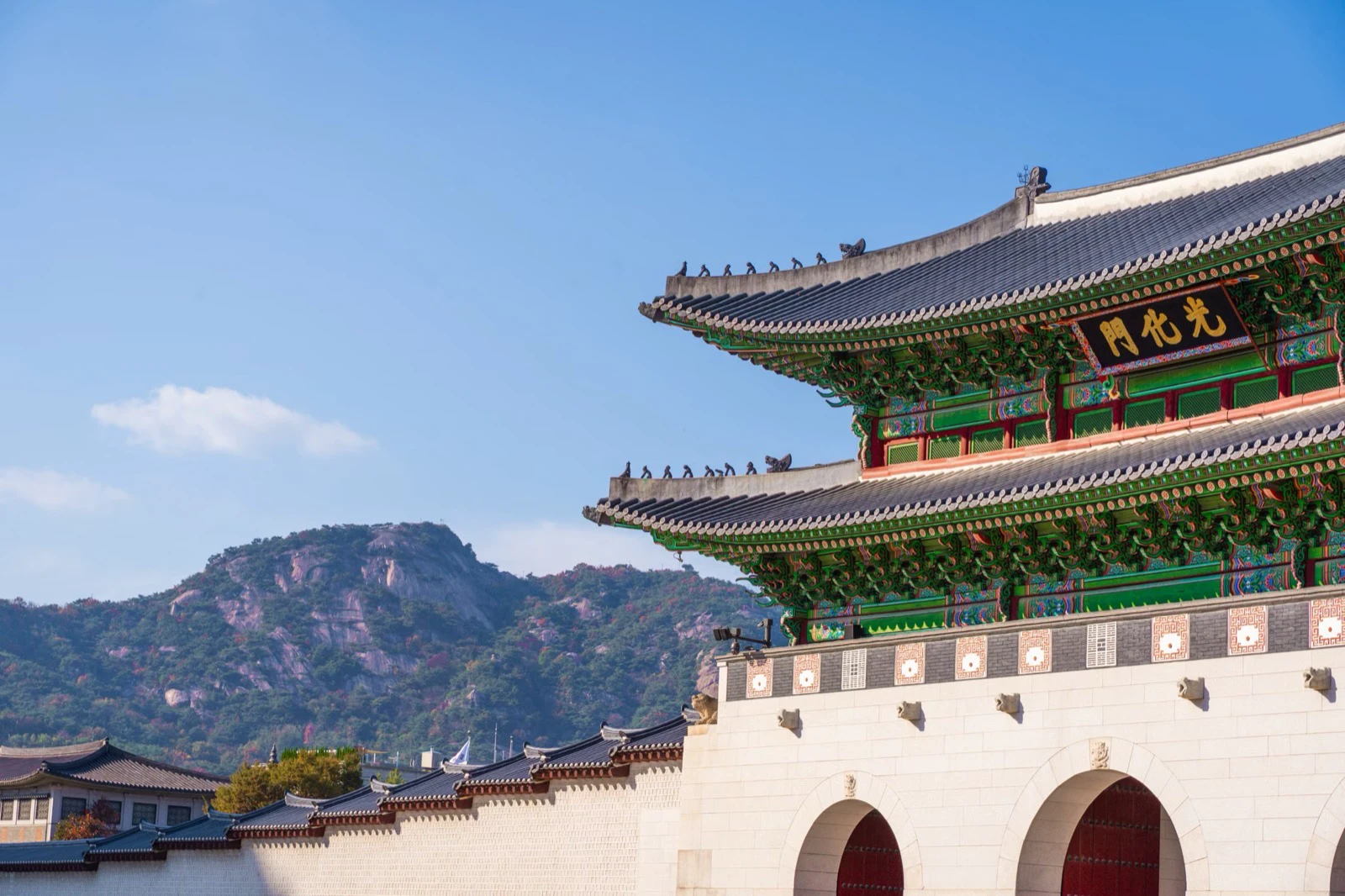
Gyeongbokgung deserves a first-trip slot because it explains the Joseon royal capital around Gwanghwamun. Its official history records its establishment in 1395, destruction during the 1592 invasion and major restoration in 1867. Those facts are more useful than calling the palace “touristy.” Check the current monthly palace notice for seasonal hours and holiday closure changes; then stay in the same area instead of adding a distant trending district that afternoon.
Pair an anchor with a nearby function
The second half needs a purpose, not a “hidden gem” label.
Gyeongbokgung → Seochon and Tongin Market
Leave toward the palace’s west side, eat and walk the low-rise Seochon streets. The existing Visit Seoul traditional-market overview places Tongin Market west of Gyeongbokgung. A more recent official Tongin page, updated with information as of July 17, 2026, lists the market at 18 Jahamun-ro 15-gil, general hours 07:00–21:00 varying by store, and separate Dosirak Cafe schedules. Treat the lunchbox program as a timed option, not the definition of the entire neighborhood.
Myeong-dong or Namsan → Chungmuro and Euljiro
Move from a famous shopping or viewpoint block into older commercial streets for dinner. Give the second block a concrete reason: one restaurant, a printing-street handoff, a verified exhibition or a specific cafe. “Wander Euljiro” is too vague to justify a separate cross-city move.
Hongdae → Yeonnam or Mangwon
Use Hongdae as the familiar anchor, then choose one: Yeonnam’s park-side streets, or Mangwon Market plus the nearby Han River. Adding both, then another district, turns a relaxed west-Seoul day into transfers.
A first-timer’s three-day itinerary discussion shows the common failure: commenters focused on underestimated transition time between scattered areas. Popularity was not the main problem. Use the thread as a planning signal, not a source for current operating facts.
“Local” should name a function, not promise a secret
A useful neighborhood block exists for more than tourism: a working market, riverside park, university street, ordinary shopping district or restaurant cluster serving people who live and work nearby. It can still be popular. Mangwon does not stop functioning as a neighborhood market when visitors arrive.
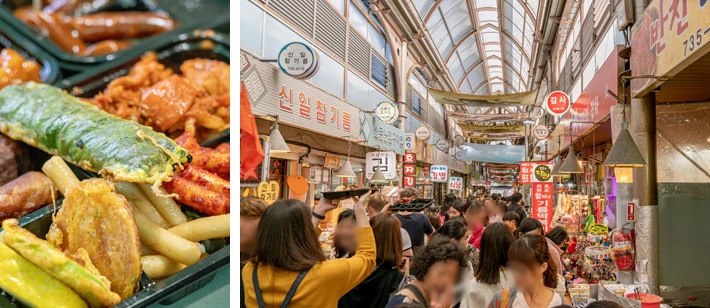
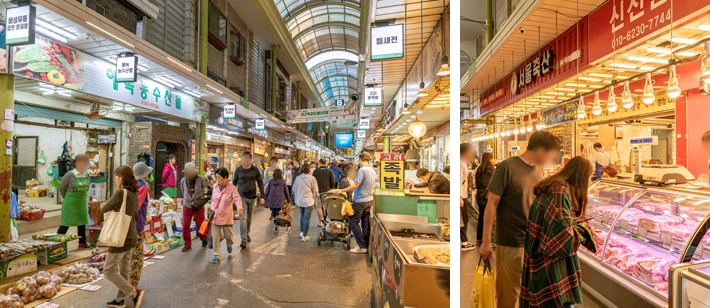
Tongin is an easy neighborhood layer after a palace visit. Mangwon can anchor a west-Seoul afternoon of food, small shops and the river. Both give the day a clearer function than traveling across the city for one supposedly hidden cafe. Individual stalls keep different schedules, so check the exact place you want on the day.
Residential does not mean available for tourism
Bukchon is the clearest warning. Seoul’s official special-management notice states that tourists may not visit the designated Bukchon-ro 11-gil red zone from 17:00 to 10:00. The restriction has been enforced with a ₩100,000 fine since March 1, 2025. Separate chartered-bus restrictions began enforcement January 1, 2026 in the designated area.
The red-zone restriction is not a ban on all of Bukchon at all hours; it is a mapped residential protection measure. Follow current signs, do not photograph doors or residents without permission, keep voices low and never block an entrance. A quiet alley is someone’s home, not proof of a more authentic attraction.
A three-day pattern
- Day 1 · history: one palace or museum, then its adjacent old-city neighborhood.
- Day 2 · modern Seoul: one shopping, design or skyline anchor, then dinner and an unhurried walk nearby.
- Day 3 · daily rhythm: one popular district you specifically want, then a market, park or river block in the same part of the city.
This is intentionally incomplete. Give a neighborhood block two or three flexible hours rather than a chain of timed reservations; otherwise it becomes another checklist.
When to change the ratio
- One or two days: roughly 70/30. Keep the irreplaceable sights and one nearby everyday block each day.
- Food, design or nightlife is the trip’s main purpose: 50/50 makes sense because the neighborhood is the experience.
- A week or a return visit: move toward 40/60 and let fewer fixed sights organize longer neighborhood days.
- Jet lag, children or limited mobility: keep one anchor per day and make the second block close and optional.
To edit an overloaded plan, circle three places you would genuinely regret missing. Put one on each of the first three full days, attach the nearest neighborhood with a clear function, and remove any “hidden gem” that creates its own cross-city journey.
A strong first trip uses landmarks to understand Seoul and leaves enough unscheduled neighborhood time to experience it.
Official Gyeongbokgung history, the current Tongin Market page and Bukchon restrictions were rechecked August 12, 2026. Palace hours, market stalls, special programs and residential-zone enforcement details can change; verify the exact date and posted signs.
Sources and image credits
- Reddit r/koreatravel: experiencing Seoul from a local viewpoint — Community planning perspective only, not official evidence.
- Korea Heritage Service: Gyeongbokgung Palace and its history — Official historical context for the palace; rechecked August 12, 2026.
- Visit Seoul: Korean traditional markets overview — Original published location/program reference for Tongin and image source; current program details require rechecking.
- Visit Seoul: Journey through Tongin Market — Official address, current hours and closure qualifiers with information dated July 17, 2026; rechecked August 12, 2026.
- Reddit r/koreatravel: first-timer three-day itinerary — Community signal for underestimated transition time, not current operating evidence.
- Seoul Metropolitan Government: Bukchon Special Management Area — Official red-zone hours, enforcement date, fine and chartered-bus restrictions; rechecked August 12, 2026.
- Line Knipst on Pexels — Original featured Gyeongbokgung image source and Pexels license reference.
- Hyeok Jang on Pexels — Original Gwanghwamun image source and Pexels license reference.
- Seoul Tourism Organization market page — Original Tongin and Mangwon image source retained from the published guide.
- Delivery Spot cover image — Published Line Knipst / Pexels Gyeongbokgung asset under the Pexels license.
- Delivery Spot Gwanghwamun image — Published Hyeok Jang / Pexels asset under the Pexels license.
- Delivery Spot Tongin Market image — Published Seoul Tourism Organization asset under operator-confirmed reuse authorization.
- Delivery Spot Mangwon Market image — Published Seoul Tourism Organization asset under operator-confirmed reuse authorization.
Last updated


