
Cleansing Oil vs Balm vs Micellar Water: Which Should You Use?
Choose by the layer you need to remove. Compare waterproof removal, wiping friction, rinsing, acne-prone skin and when double cleansing adds value.

Choose a first cleanser by the layer you need to remove. An emulsifying oil or balm is usually the most efficient starting point for waterproof makeup and water-resistant sunscreen; micellar water is convenient for lighter makeup, but its formula and the friction from wiping matter more than the word “water.”
Skin type alone does not settle the choice. The full ingredient list, how cleanly the product rinses, how much rubbing it requires and how your skin behaves over several uses are more useful than a blanket “oil for dry skin, micellar for oily skin” rule.
Pick the job first
- Waterproof mascara, long-wear base or water-resistant sunscreen: try an emulsifying cleansing oil or balm, following its label.
- Light makeup or a quick first pass: micellar water may be enough, provided its directions cover the products you wore.
- No makeup and only a light, non-water-resistant sunscreen: one gentle regular cleanser may already be sufficient.
- Oily, acne-prone or easily irritated skin: begin with a gentle, non-abrasive option and watch for repeatable irritation or breakouts. No format is automatically safe for everyone.
“First cleanser” simply means the product used to loosen makeup or sunscreen. A second water-based wash is useful when the first product or its label calls for one; it is not a compulsory nightly ritual.
Oil and balm: the same basic task, different handling
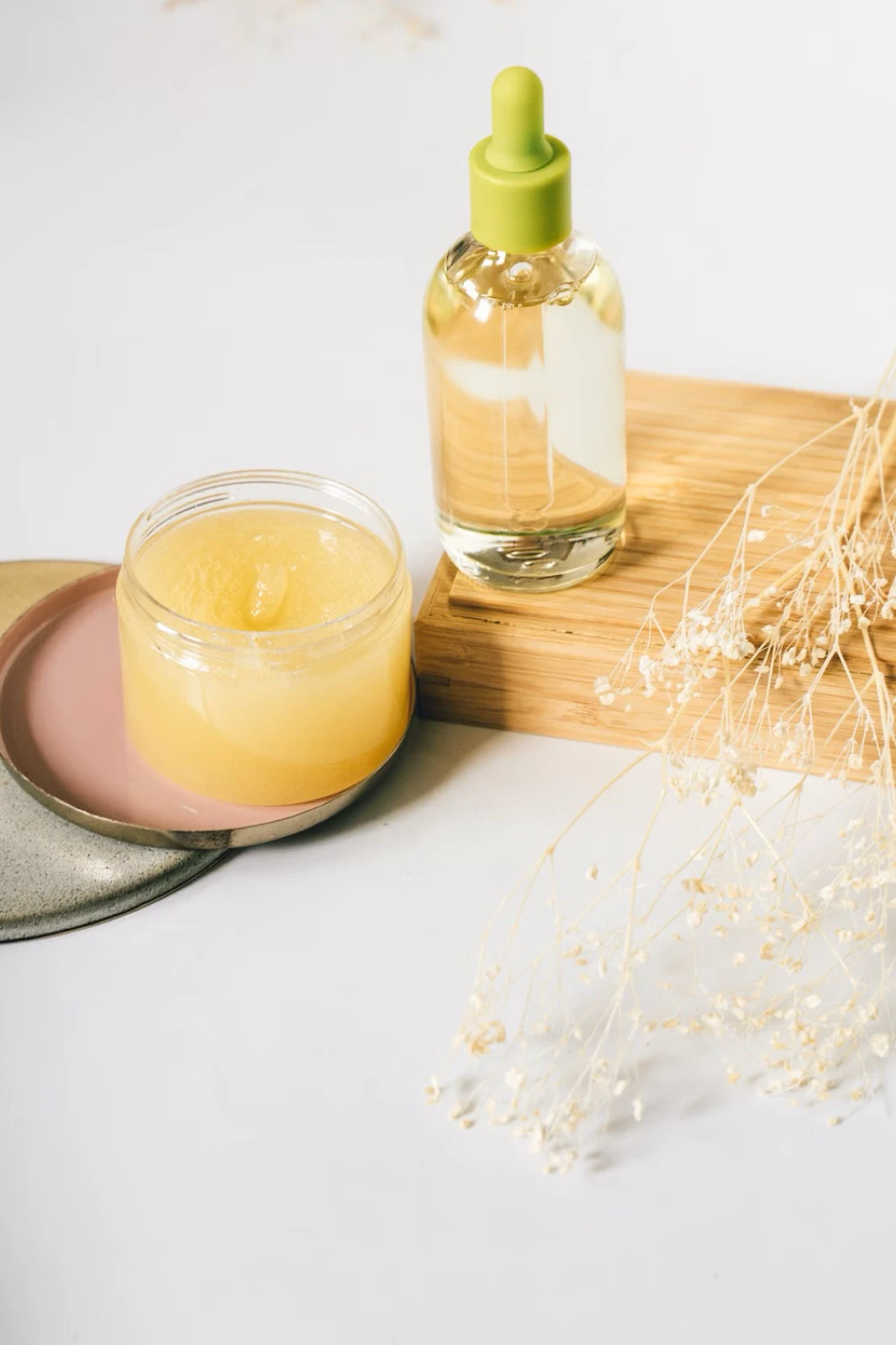
The image shows liquid-versus-solid packaging, not a particular cleansing formula. Both formats commonly combine oil-soluble ingredients with emulsifiers or surfactants. They loosen oily films, then mix with water so the residue can rinse away.
Liquid oil spreads quickly and a pump keeps fingers out of the product, though a poorly locked bottle can leak in luggage. Balm starts solid or semi-solid, travels neatly and melts on contact; a jar needs clean, dry fingers or a clean spatula. Neither texture proves that a product is richer, milder or less likely to clog pores.
For either format, follow the product label first:
- Start with dry hands and a dry face if directed.
- Use only enough massage to loosen the day’s layers. Long “pore-cleansing” massages add friction without making acne dirt that can be rubbed away.
- Add a little water and briefly emulsify until the texture turns milky.
- Rinse thoroughly with lukewarm water.
- Add a gentle second cleanser only when the directions recommend it or a noticeable film remains.
Stop if a product repeatedly causes burning, swelling, persistent eye discomfort, cloudy vision or a worsening rash. Eye symptoms that do not clear after rinsing, painful acne or scarring deserve medical advice rather than a stronger cleansing experiment.
Micellar water: fast, but the pad changes the result
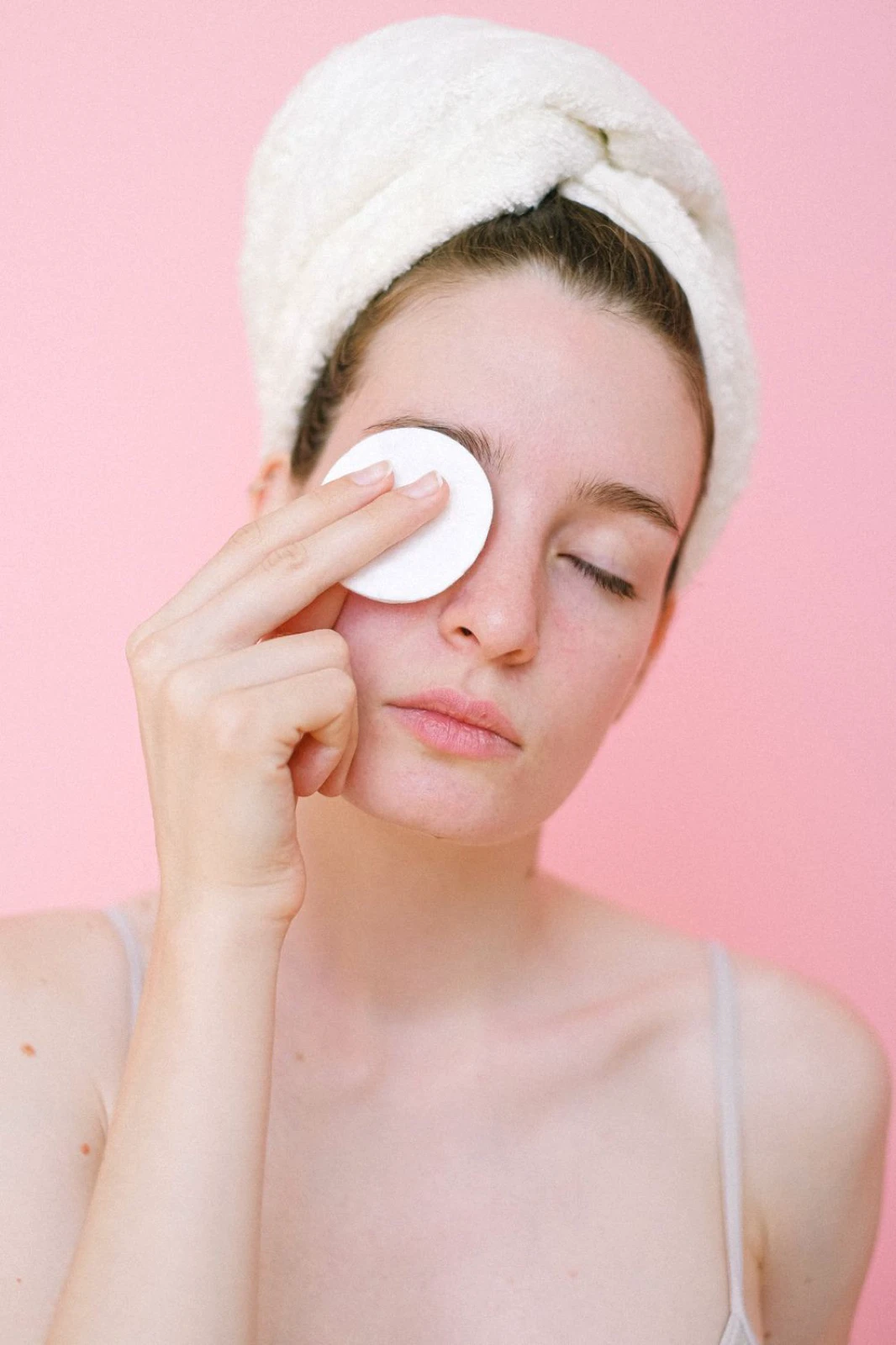
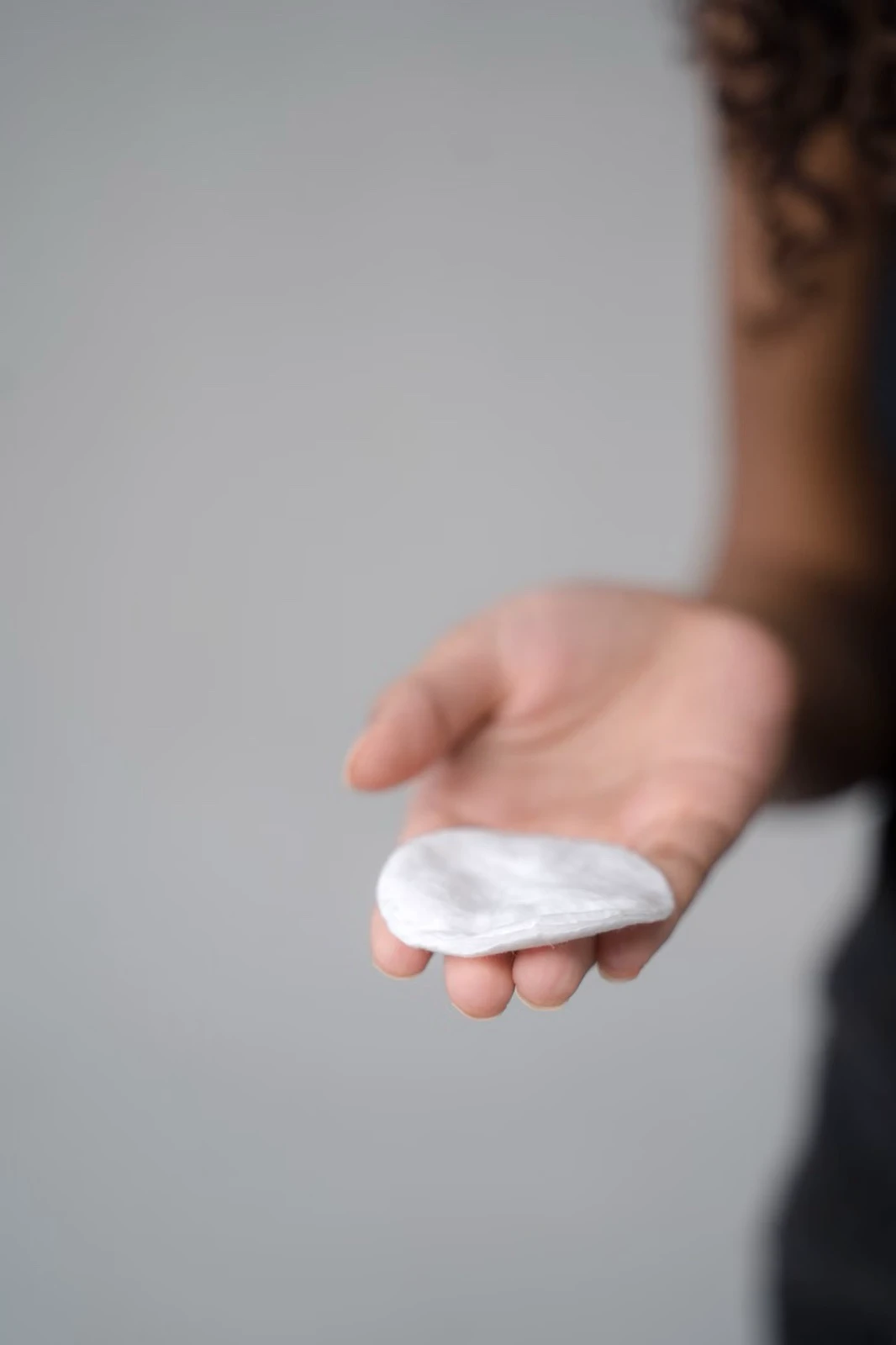
Micellar water uses cleansing molecules dispersed in water to lift oil, dirt and makeup. It is portable and lets you see pigment transfer to a pad. The practical weakness is also visible: a nearly dry pad and repeated swiping can make a mild liquid feel harsh.
Saturate the pad, rest it briefly on eye or lip makeup, then wipe gently. When pigment stops transferring easily, do not keep scouring the same spot. Waterproof mascara, durable lip color and water-resistant sunscreen may need a dedicated remover or another gentle cleansing step.
Rinsing is formula-specific. Some micellar waters are designed to remain on the skin, while other directions call for a follow-up wash after sunscreen or cosmetics. Follow the label; rinse or use a gentle cleanser if you feel residue, stinging or tightness.
What the evidence supports—and what it does not
For oily skin, the American Academy of Dermatology’s current guidance recommends gentle cleansing up to twice daily and after sweating, avoiding scrubbing, and looking for oil-free and non-comedogenic products. That page also cautions against oil-based cleansers for oily skin. Treat this as a reason to choose carefully, not as proof that every person will react identically to every formula.
The AAD’s acne self-care guidance similarly favors a gentle, non-abrasive cleanser applied with fingertips. Washcloths, sponges and constant product changes can add irritation, making it harder to tell whether the remover is helping.
Cleveland Clinic’s micellar-water review, updated August 7, 2026, says micellar water removes dirt, oil and most makeup and usually does not need rinsing. It also notes that heavy or waterproof makeup may require an additional cleanser and advises following with a gentle cleanser when removing sunscreen or cosmetics. Product directions therefore outrank a universal online rule.
A 20-participant sunscreen-removal study found that both a foaming cleanser and cleansing oil removed the tested non-waterproof sunscreen well. For the tested waterproof sunscreen, cleansing oil left substantially less residue. This small trial compared specific products and does not prove that everyone needs an oil cleanser or that all oils outperform all balms and micellar waters.
A community comparison of the three formats shows why shoppers ask about residue, eye comfort, cotton-pad friction and travel packaging. Those comments are personal experience, not medical evidence or a formula ranking.
Acne-prone skin: test the formula, not the category name
If you are acne-prone, begin with the gentlest option that reliably removes your actual sunscreen and makeup. “Non-comedogenic” and “oil-free” labels help narrow the search, but they cannot guarantee an individual result. Fragrance, surfactants, emulsifiers, botanical extracts and the amount of rubbing all change tolerability.
Change one product at a time. If your skin is reactive, use the simple patch-testing method before covering the whole face. A single spot after one use proves little; a repeatable pattern of new bumps, persistent stinging, swelling or worsening redness is a clearer reason to stop.
Double cleansing can help after durable makeup or water-resistant sunscreen. It adds little when one gentle cleanser already leaves the skin clean and comfortable. Tightness immediately after washing, flaking or burning when a plain moisturizer is applied suggests the routine may be too aggressive. When adapting a routine for Korea’s humid summer or dry winter, adjust the cleansing load with the products and conditions rather than assigning one format for life.
A simple seven-evening comparison
Keep your makeup, sunscreen and the rest of your routine stable. Use one remover according to its label for up to seven evenings, stopping sooner if irritation appears. Note four things:
- whether pigment or sunscreen film remains;
- how much pressure and wiping were needed;
- how the skin feels 10 minutes after rinsing or drying;
- whether the same new bumps or irritation recur.
The best choice is the least aggressive product that consistently removes your routine. A convenient format you can use correctly will usually beat a theoretically perfect one that leaks, requires too much rubbing or leaves a film on your skin.
Medical and product-use information was rechecked on August 12, 2026. This guide compares cleansing methods; it does not diagnose acne, dermatitis, eye injury or an allergy. Follow the product label and seek a qualified clinician for persistent or severe symptoms.
Sources and image credits
- Delivery Spot — liquid and solid cleanser formats — Published web-ready body asset derived from the Alesia Kozik photograph credited below.
- Delivery Spot — cotton pad held at the eye — Published web-ready slider asset derived from the Anna Shvets photograph credited below.
- Delivery Spot — saturated cotton pad — Published web-ready slider asset derived from the Ron Lach photograph credited below.
- American Academy of Dermatology — oily skin — Dermatologist-reviewed advice on gentle cleansing, scrubbing, oil-free and non-comedogenic labels, and the oily-skin caution on oil-based cleansers; page last updated September 3, 2024 and rechecked August 12, 2026.
- American Academy of Dermatology — acne self-care — Dermatologist-reviewed guidance on cleansing frequency, fingertips, abrasive tools and product changes; rechecked August 12, 2026.
- Cleveland Clinic — micellar water — Clinician-reviewed explanation of ingredients, most-makeup removal, no-rinse use and when another cleanser may be needed; updated August 7, 2026.
- Journal of Cosmetic Dermatology / PubMed — sunscreen removal trial — Twenty-participant comparison of water, cleanser and cleansing oil on tested waterproof and non-waterproof sunscreens; small-study and product-specific limits retained.
- r/AsianBeauty — format comparison — Personal experiences used only to identify recurring shopper questions, not as medical evidence.
- Pexels License — Current license permits free web use and modification; rechecked August 12, 2026.
- Tima Miroshnichenko / Pexels — face rinsing — Original cover photograph.
- Alesia Kozik / Pexels — skincare jar and bottle — Original photograph for the liquid-versus-solid body asset.
- Anna Shvets / Pexels — removing eye makeup — Original photograph for the first slider asset.
- Ron Lach / Pexels — cotton pad — Original photograph for the second slider asset.
- Delivery Spot cover image file — Published web-ready cover derived from the Tima Miroshnichenko photograph above.
Last updated


