
How to Choose a K-pop Dance One-Day Class in Seoul
Compare the song, real difficulty, teaching language, filming package, and group size before booking a K-pop dance class in Seoul.

A K-pop dance one-day class can be one of the best souvenirs from Seoul: you learn a recognizable section of choreography, dance in a real studio, and may leave with a polished video. But listings that look similar on a booking page can deliver very different experiences. One may be a private 90-minute lesson in English with your chosen song; another may be a 30-person bilingual workshop with a fixed schedule; a third may be an eight-person join-in class where the instructor selects the song.
The best class is therefore not automatically the most famous studio or the cheapest listing. Choose the class whose song policy, teaching pace, language, filming plan, and group size match what you actually want to take home.
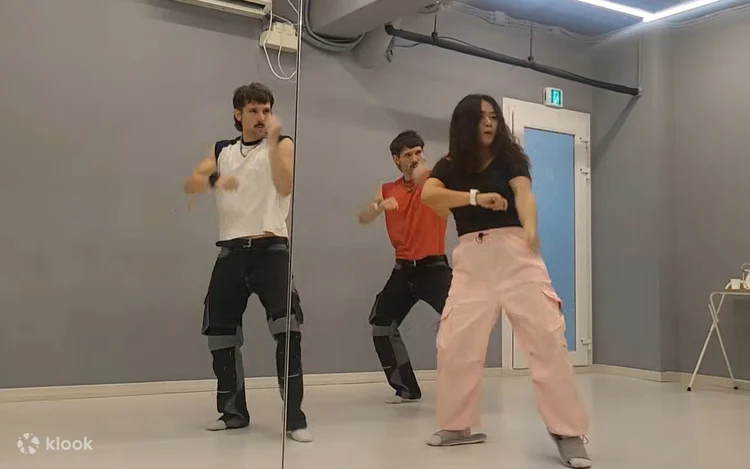
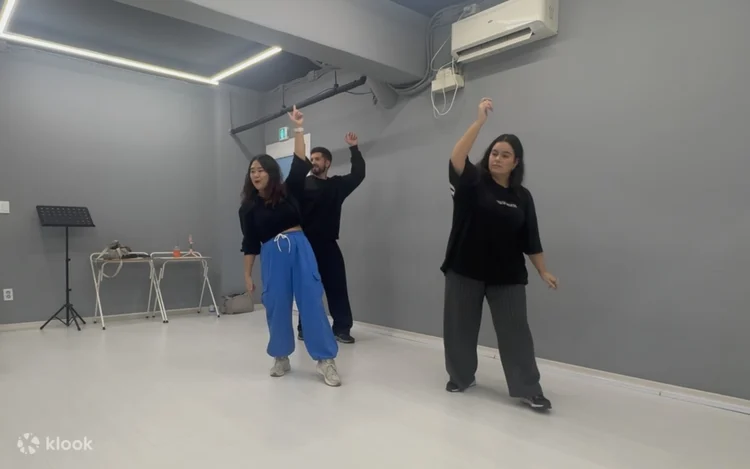
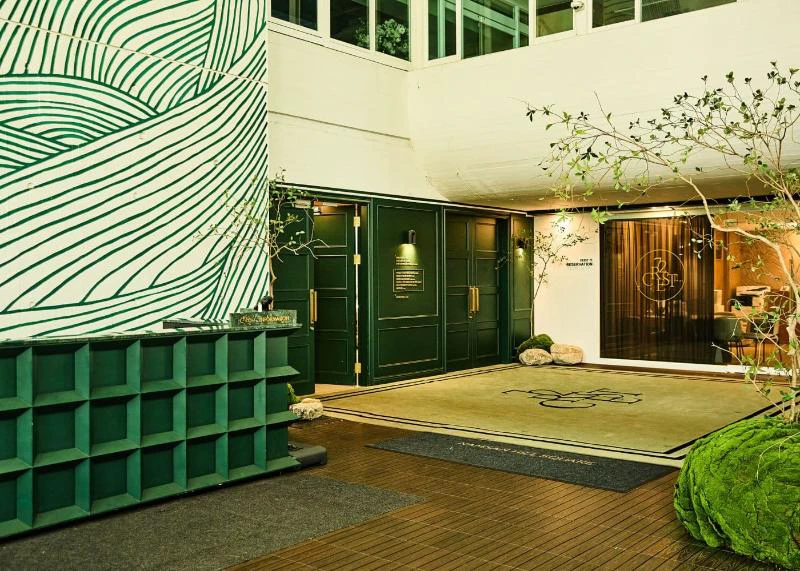
Start with the result you want
Before comparing studios, decide which of these outcomes matters most:
- Learn choreography: You want clear counts, repeated practice, corrections, and enough time to understand the movement.
- Film a keepsake: You care more about a clean final take, lighting, camera angle, editing, and delivery time.
- Dance to one specific song: You need a private or request-based option that confirms the song before payment.
- Meet other fans: A join-in class may be more social, but you will usually give up control over the song and pace.
- Try a trainee-style studio: The venue and instructor background matter, but the class may be larger or more structured than a tourist lesson.
This choice prevents a common disappointment: booking a class advertised with an idol or song you like, then discovering that the current session teaches something else or spends more time filming than learning.
1. Confirm the exact song and section
Do not interpret a gallery, hashtag, or sample video as the guaranteed song for your date. Ask how the song is decided. Common arrangements include a fixed timetable, an instructor-selected song announced later, a request that is not guaranteed, and a private class with confirmed song choice.
The official Visit Seoul World K-POP Center listing and SM Universe programme page both require checking the application page for the exact date. A current Trazy listing in Hongdae illustrates the difference between private music selection and an announced join-in song. A current Klook private-class listing is a date- and option-specific language and filming example, not a universal song schedule.
Send the operator three precise questions before paying:
- What song will be taught on my exact date and time?
- Which section will we learn, and approximately how many seconds is it?
- If the song changes, when will I be told and can I cancel?
If you are booking for a group, agree on one backup song. A private class still needs time for the instructor to prepare choreography, so a last-minute request may not be possible.
2. Translate “beginner” into observable teaching choices
Beginner labels are not standardized. Regular dance studios may use names such as learner, master, choreography, or pop-up instead of the simple tourist categories you expect. In an r/Dance discussion about 1MILLION Dance Studio, dancers explained that difficulty can still depend heavily on the teacher and choreography even within one label. Another traveler in an r/koreatravel thread struggled to tell which drop-in option would suit a foreign beginner. Treat those anecdotes as prompts for questions, not as a permanent level guide or current commercial evidence for any studio.
For an absolute beginner, look for all of the following:
- A warm-up and a step-by-step breakdown
- Counts before music and practice at reduced speed
- Repetition of a short chorus or challenge section
- A mirrored front view or clear explanation of left and right
- Permission to simplify moves without being pulled out of the formation
- Time for at least one correction or question
Ask, “Is this suitable for someone who has never taken a dance class?” That is more useful than asking whether it is beginner-friendly. If you already learn choreography regularly, ask how many eight-counts the class normally covers and whether the final take uses full speed.
Also check whether the total duration means teaching time. The Hongdae listing checked for this guide describes a 90-minute experience including warm-up, choreography, and filming. Its detailed minute breakdown does not neatly match that headline duration, which is exactly why you should ask how much time is reserved for learning versus shooting.
3. Verify the instructor's teaching language
“English available” can mean several things: the booking page is in English, staff can handle check-in in English, the instructor gives short English cues, or the entire lesson is taught in English. Those are not equivalent.
The SM Universe program listed by Visit Seoul names Korean and English and sets a capacity of 30. A current Klook private-class listing lets the customer choose English or Spanish. Those examples show why both language and class format matter: full English instruction in a private lesson gives you more room to ask questions than bilingual cues in a large workshop.
Confirm these points in writing:
- The language the instructor will use for your specific session
- Whether explanations, safety guidance, and corrections are also in that language
- Whether one instructor will divide attention among several language groups
- Whether you can ask questions during the lesson
Dance demonstrations reduce the language barrier, but they do not eliminate it. Counts, weight shifts, floor-work safety, and filming directions are much easier when you understand the instructor's cues.
4. Read “video included” like a package description
A video can be a quick phone recording, a group clip, an individual focus cam, an edited short-form reel, or several raw takes. Never assume professional filming from the word “video.” The official SM Universe program pairs a dance workshop with Reels filming but also says unauthorized recording during the lecture is not allowed and provides a photo time afterward. The current Trazy example includes a short-form video and describes professional editing. The Klook private example says participants record a dance cover for social media.
Before booking, ask:
- Is the included clip individual, private-group, or whole-class?
- Is it vertical or horizontal, full-body or close-up?
- How many takes are included, and are retakes possible?
- Will you receive raw files, an edited file, or both?
- How and when will the file be delivered?
- Can you opt out of appearing in another participant's video?
- May a friend film from the side during teaching or only during the final take?
If the video is your priority, request a recent sample from the exact class format. Wear solid colors that separate you from the studio wall, bring a hair tie, and avoid shoes that leave marks. Ask whether there is a changing room rather than assuming one exists.
5. Check the real class size and minimum attendance
Class size changes the whole experience. The Hongdae join-in example caps the class at eight for more feedback, while the official SM Universe program lists capacity at 30. The World K-POP Center page describes 90-minute one-day classes and publishes group-based pricing tiers. None is inherently better: a large workshop can feel energetic and social, while a small group usually offers more corrections and cleaner filming.
Ask for both the maximum capacity and the minimum needed for the class to run. Also ask what happens if you are the only person booked. Some operators may upgrade, reschedule, combine, or cancel a session. If you are traveling on a tight itinerary, the cancellation risk matters as much as the maximum group size.
For a join-in class, ask how participants are placed for the final video and whether everyone gets a visible position. For a private class, verify that “private” means the studio and instructor are reserved for your party, not merely that your booking is handled separately.
Booking checklist before you pay
Save screenshots of the listing and written answers because schedules and product descriptions can change. Confirm:
- Exact date, start time, studio address, and meeting point
- Song and choreography section, or when they will be announced
- Suitability for a first-time dancer
- Teaching language for that session
- Total class length and approximate teaching time
- Maximum and minimum participant numbers
- What filming, editing, and file delivery include
- Age rules and whether minors need an accompanying adult
- Injury, accessibility, and floor-work considerations
- What to wear and whether indoor shoes are required
- Cancellation, rescheduling, late-arrival, and no-show rules
Cancellation rules vary sharply between platforms and products. One listing may allow a refund until a stated deadline while another becomes non-refundable much earlier. Read the policy attached to your selected date and option, not a summary in a search result. If the class is a highlight of your trip, avoid placing it directly after airport arrival or before a fixed concert check-in.
On the day of the class
Arrive 10 to 15 minutes early unless the operator gives a different instruction. Studios may be inside ordinary commercial buildings with limited signage, and some bookings use a station exit as the meeting point. Keep the confirmation message available offline.
Bring water, flexible clothes, clean sneakers, and the smallest bag you can manage. Tell the instructor about an injury before warm-up. If you lose the choreography, keep the timing and use the simplified version rather than forcing a jump, deep squat, or floor move. A successful one-day class is not an audition; it is a short learning and filming experience.
During the final take, ask where to look and where your full body fits in frame. Confirm that the file transferred successfully before leaving if delivery is immediate. If editing comes later, save the operator's contact channel and promised delivery window.
A simple way to choose between finalists
When two listings still look equal, rank them in this order:
- Confirmed fit: The operator answers your song, level, language, and filming questions clearly.
- Teaching format: The pace and class size match your dance experience.
- Deliverable: The included video is the type you actually want.
- Schedule resilience: The class has workable cancellation and minimum-attendance terms.
- Location and price: Compare these only after the experience itself is clear.
A famous studio can be exciting, but a well-explained small class may produce a better memory and a better video. Book the experience you can describe in concrete terms before you arrive.
Sources checked
Details were rechecked on August 12, 2026 against the current pages below. Treat each duration, capacity, language, song, filming package and cancellation rule as option- and date-specific, not a permanent promise by the studio. Community discussions are used only to surface the questions beginners often miss, not to establish current commercial terms.
Sources and asset credits
- Visit Seoul World K-POP Center listing — Official venue and programme context; rechecked August 12, 2026
- Visit Seoul SM Universe programme — Official schedule, language, capacity and filming context; recheck the application date
- Trazy Hongdae class — Current commercial join-in/private example; terms vary by option and date
- Klook private class — Current commercial language and filming example; terms vary by option and date
- r/Dance discussion — Anecdotal beginner-level concerns only
- r/koreatravel discussion — Anecdotal foreign-beginner questions only
- Studio practice image — Delivery Spot licensed class asset
- Small-group class image — Delivery Spot licensed class asset
- World K-pop Center image — Delivery Spot licensed official venue asset
- Cover image — Delivery Spot licensed K-pop dance class asset
Last updated


