
The Best Korean Convenience-Store Breakfast for Your Hotel Room
The best hotel-room convenience-store breakfast depends on equipment, not internet fame. Use a cold eggs-yogurt-fruit combination when you have no appliances, heat only labeled food in a store or approved microwave, rely on a room refrigerator only when it is genuinely suitable, and keep the kettle for water.
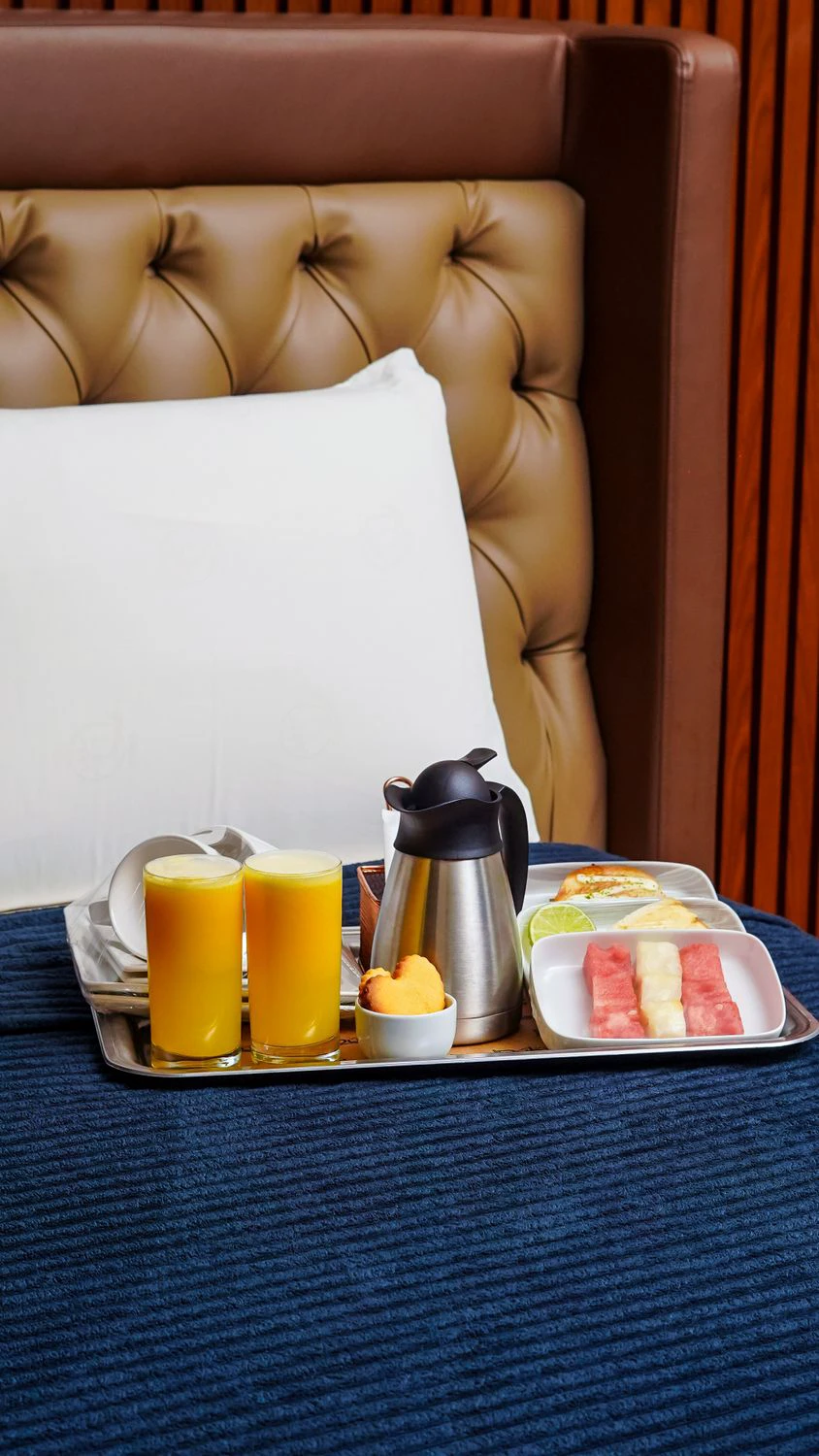
Skipping the hotel buffet can save money and make an early departure easier, but the smartest Korean convenience-store breakfast begins before you choose food. Check whether you have a real refrigerator, access to a microwave, and permission to eat or prepare food in the room. Then buy a breakfast that matches those facts.
For most travelers, the best no-fuss combination is two packaged eggs + plain or lower-sugar yogurt + a banana or other fruit + a small bread roll, with water or coffee. It needs no heating, includes protein and produce, and avoids gambling on an unfamiliar hotel appliance.
Check the room before you shop
Hotel amenity icons can be ambiguous. A kettle does not equal a kitchenette, and a minibar does not prove you have storage suitable for perishable food. Look at the room, the property instructions, or ask the front desk these questions:
- Is there a refrigerator guests may use for food?
- Is there a microwave in the room, lobby, shared kitchen, or convenience store nearby?
- Does the hotel allow outside food in the room?
- Where should food packaging and leftovers be discarded?
If you cannot confirm safe cold storage, buy refrigerated breakfast in the morning and eat it promptly. Do not purchase yogurt, soft eggs, a sandwich, or gimbap the night before and leave it on a desk. Korean food-labeling rules require products that need refrigeration or freezing to say so; the MFDS English labeling standard explains the “Keep refrigerated” and “Keep frozen” markings. Follow the package even when the room feels cool.
A 2026 Reddit discussion about hotel-room breakfast makes a useful distinction: Korean convenience stores mainly sell finished food, while travelers who have a real apartment kitchen and want raw tofu, eggs, and cooking ingredients may be better served by a supermarket. Convenience-store breakfast is strongest when you assemble ready-to-eat components, not when you try to turn a standard hotel room into a kitchen.
Pick the plan that matches your equipment
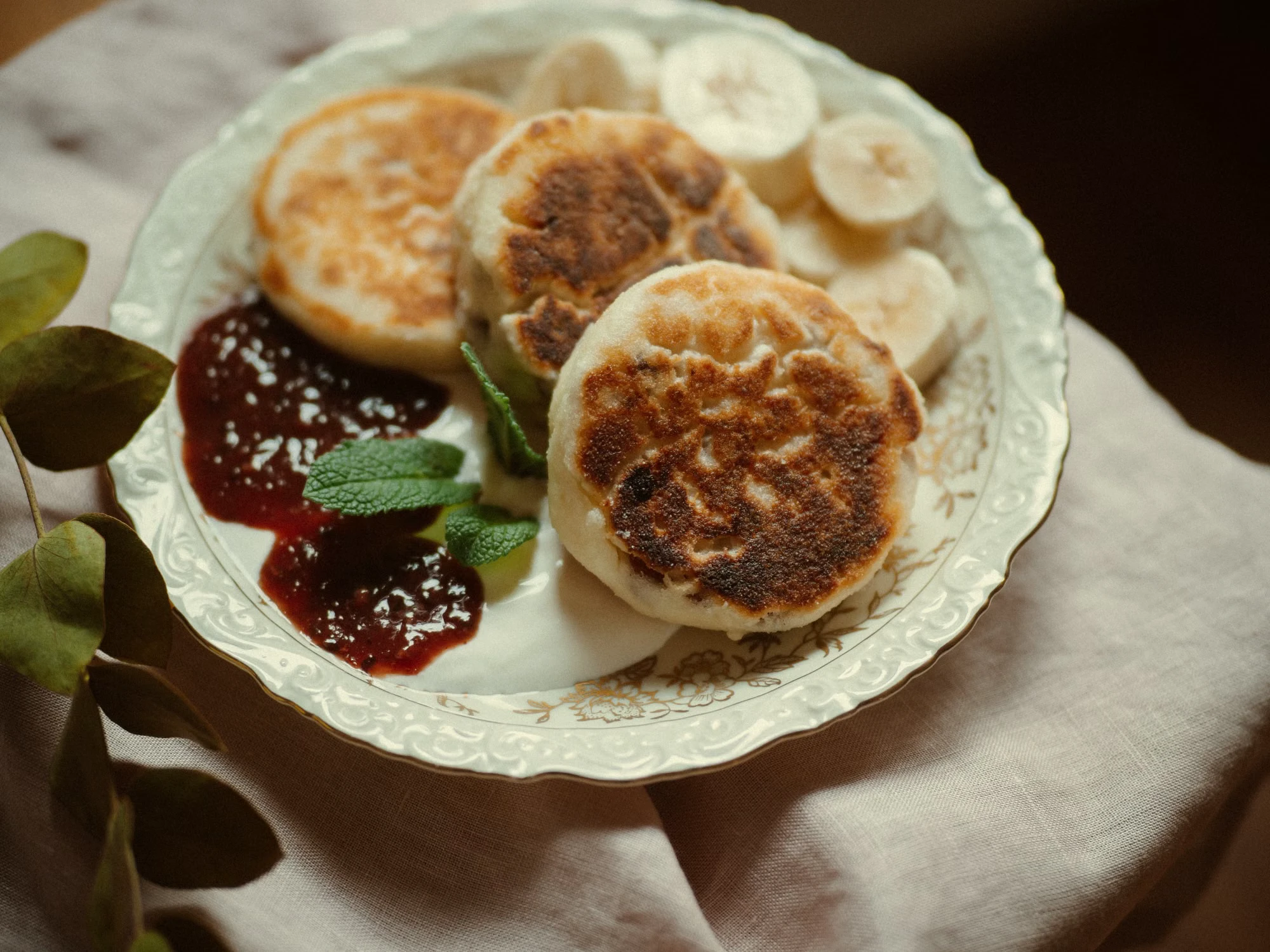
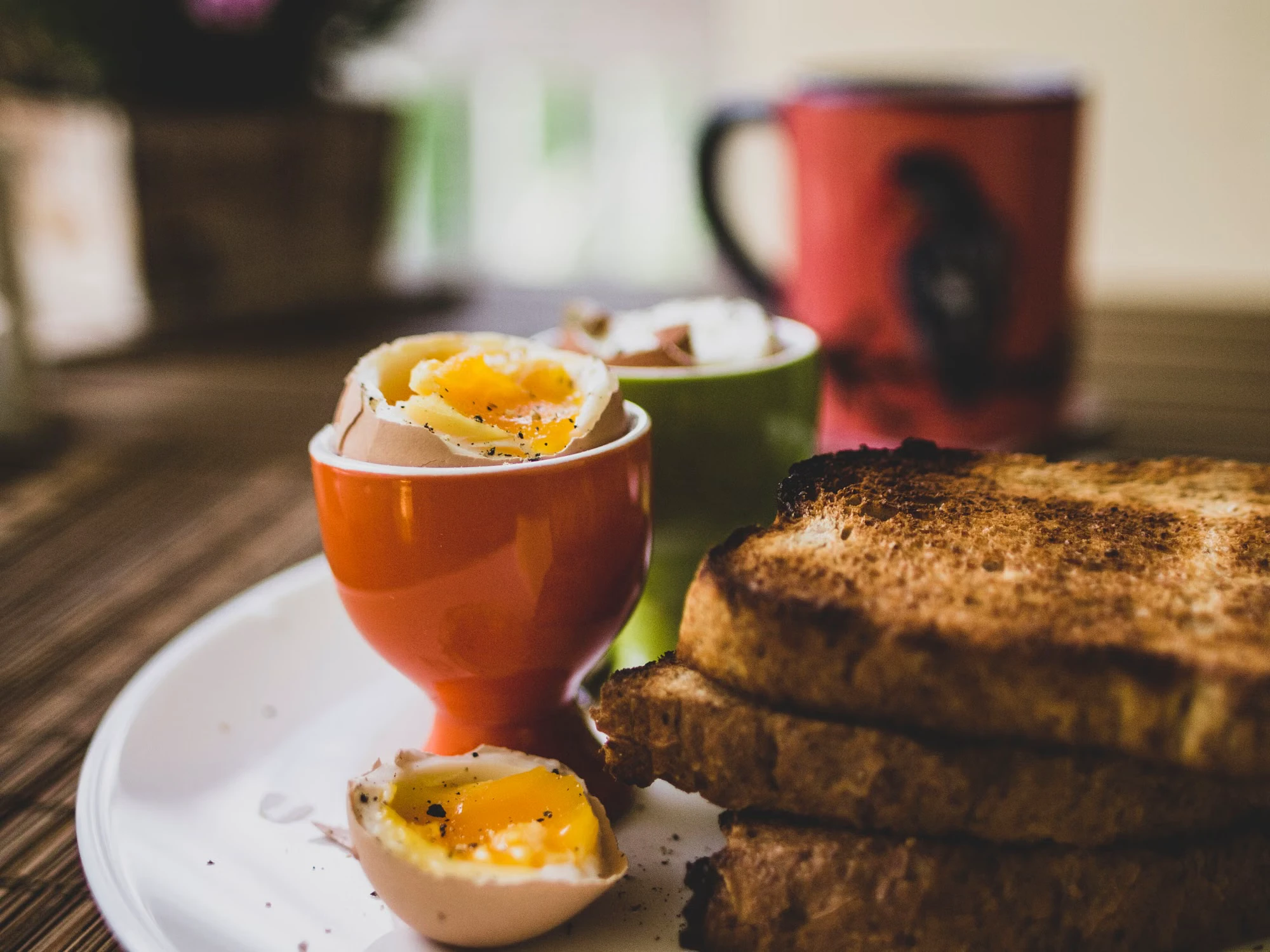
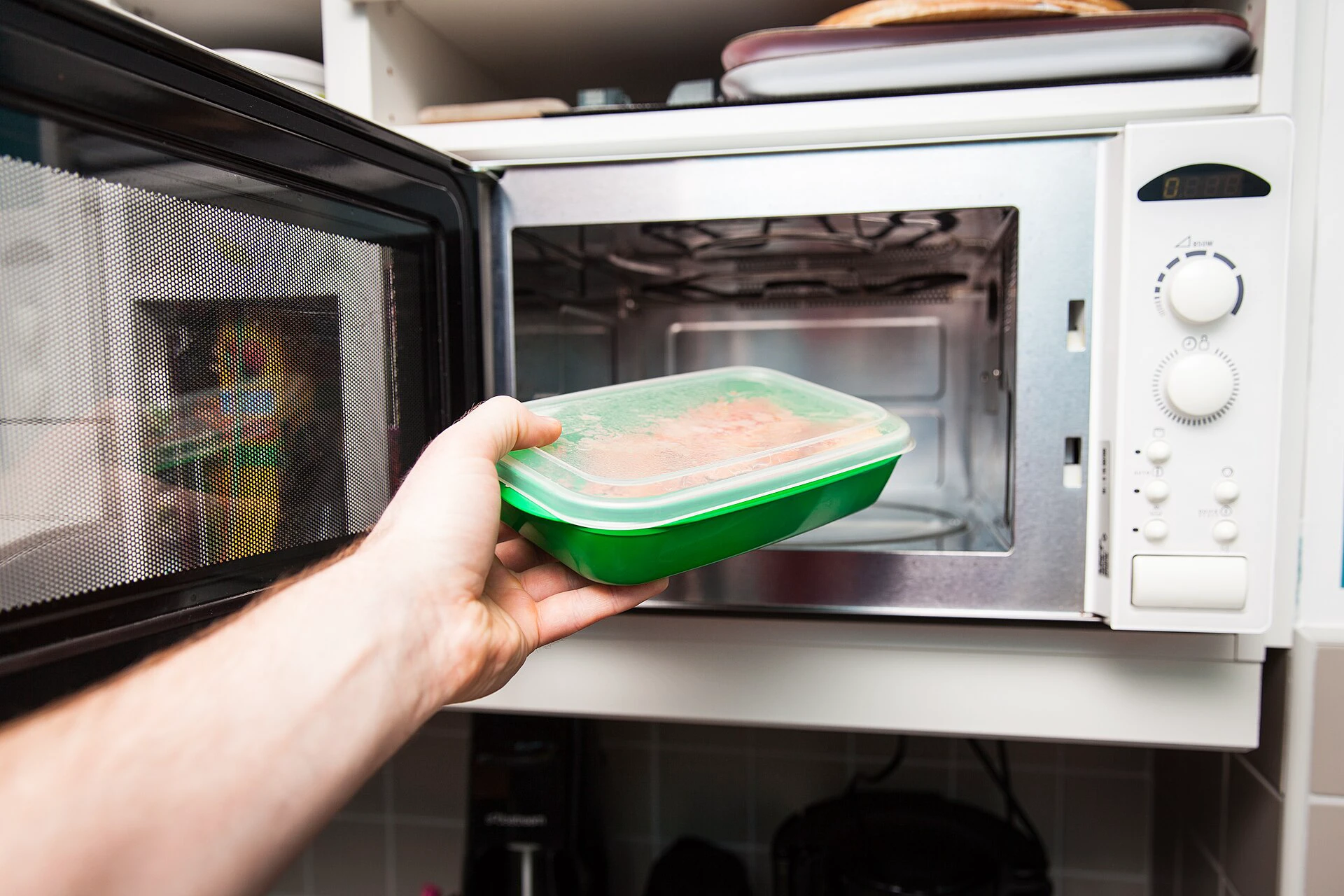
These photographs illustrate breakfast components and reheating, not exact Korean convenience-store products. The first two show fruit, bread, and eggs that can inspire a cold breakfast; the third shows a generic food container entering a microwave. Always use the package and the appliance instructions in front of you.
No refrigerator, no microwave: buy it after waking
Choose two packaged eggs, a whole fruit, a sealed yogurt if you eat it immediately, and bread or a mild sandwich. A shelf-stable soy drink, milk drink, or cereal cup can substitute, but check sugar and allergens. Water is the most dependable drink; bottled coffee is convenient but counts toward caffeine and added sugar.
Korea Tourism Organization's GS25 convenience-store feature highlights soft-cooked eggs and yogurt with cereal among enduring items, while its broader convenience-store must-eats guide lists chain-specific baked and smoked eggs. Those are useful categories to look for, not guaranteed stock at every branch.
Eat in the store's seating area if one exists and permits it, or take the food directly back to the room. This is the safest plan for a predawn checkout because nothing depends on an appliance you discovered too late.
Refrigerator only: buy the night before, then keep it cold
A confirmed refrigerator expands the menu to yogurt, milk, fruit cups, gimbap, sandwiches, salad, and chilled eggs. Put them away as soon as you return. Keep each item sealed, check its use-by time, and do not save a partially eaten rice or egg product for another day.
The best make-ahead basket is one protein, one staple, and one fruit or vegetable. For example:
- Packaged eggs + plain yogurt + banana + roll
- Egg or ham sandwich + fruit cup + water
- Mild tuna-mayo triangle gimbap + eggs + whole fruit
A refrigerator does not make every purchase wise. Gimbap can dry out, bread can absorb refrigerator odors, and a sugary drink plus pastry remains a dessert-like meal. Buy only what you will eat the next morning. If the appliance is merely a stocked minibar or does not feel reliably cold, ask the hotel rather than assuming.
Store microwave available: heat before leaving
Many Korean convenience stores provide a customer microwave, though equipment and seating vary. Choose only food whose package gives microwave directions. Read the power and time, remove or vent the film exactly as instructed, and never put metal, foil, or an unapproved container inside. When uncertain, show the package to staff before pressing buttons.
A warm breakfast can be microwave rice with a plainly seasoned protein, a labeled porridge cup, mild dumplings, or another breakfast tray. Heat it at the store and eat there when possible. Carrying a steaming meal back to a distant hotel makes spills, cooling, and strong room odors more likely.
Do not microwave a packaged egg unless the product explicitly tells you to. Whole eggs can burst. Ready-to-eat baked or soft-cooked eggs are meant to be eaten according to their own label, not improvised into a hot dish.
Kettle only: make a drink, not a cooking vessel
Use the hotel kettle to boil water. Pour that water into a product designed for it, such as an instant oatmeal cup, cup soup, or cup noodles, only when the package directions allow. Never put eggs, milk, sauce, noodles, or a food pouch inside the kettle. That can create allergens and odors for the next guest, damage the appliance, and violate hotel rules.
A kettle breakfast might be tea or coffee plus eggs, fruit, yogurt, and bread. If you use a cup product, consider the room: a spicy noodle broth at 6 a.m. is not automatically a considerate hotel breakfast, and it adds more sodium than a simple cold combination.
Kitchenette: use it only if it is actually provided
An apartment hotel may include a sink, microwave, induction hob, cookware, and food refrigerator. Follow the property's instructions, ventilation rules, and cleaning expectations. This is the point where a supermarket can make more sense than a convenience store because you can buy a larger yogurt, fresh produce, oats, or ingredients for several mornings.
Do not bring your own hot plate, rice cooker, or other cooking appliance into an ordinary room unless the property explicitly permits it. “There is an outlet” is not cooking authorization.
Build a breakfast that lasts past the subway ride
A pastry and sweet coffee are convenient, but they may leave you hungry quickly. Use this four-part check:
- Protein: eggs, yogurt, cheese, tofu, soy drink, chicken, or tuna
- Staple: bread, rice ball, gimbap, cereal, or oatmeal
- Produce: whole fruit, fruit cup, salad, or vegetable sticks
- Drink: water first, then coffee, tea, or milk if wanted
You do not need every category in a large portion. The point is to avoid a basket containing only refined bread, sweetened milk, juice, and dessert. Compare 당류 (sugars), 나트륨 (sodium), protein, serving size, and allergens on the label. Coffee milk and bottled latte are caffeinated even when the packaging looks playful.
For a long travel morning, add a sealed snack that survives outside refrigeration, such as nuts, a whole fruit, or a plain cracker pack. Do not treat a refrigerated sandwich as an all-day emergency ration in your backpack.
Timing for three common travel mornings
Normal sightseeing day: Buy after waking, eat a cold combination, and leave the room without storing leftovers. This gives the widest fresh selection and least food-safety ambiguity.
Very early train or flight: Shop the evening before only if cold storage is confirmed. Choose compact, low-mess food and pack the shelf-stable portion separately. Avoid a last-minute microwave dish when your departure time is fixed.
Late arrival with jet lag: Buy one immediate meal and one verified breakfast, not a two-day stockpile. A 2026 traveler thread about early mornings notes that many cafés open later than early-rising visitors expect, making convenience-store food a useful backup. Check current hours rather than assuming every café or store is open around the clock.
Hotel-room etiquette that matters
Keep sauces contained, avoid staining white bedding, and eat on a table or tray rather than over the duvet. Tie leaking packages before using the room bin, separate recyclables if the hotel asks, and take bulky or strongly scented waste to the designated area. Do not pour noodles, rice, oil, or food scraps down the sink or toilet.
If the room rules prohibit outside food, use a convenience-store seating area or another permitted space. If a smell would be awkward in an elevator, it will linger longer in a small room.
The winning breakfast is deliberately unexciting: food your room can safely support, bought at the right time, with enough protein and produce to start the day. Korea's convenience stores make that easy—as long as you let the equipment choose the menu instead of making the menu fight the equipment.
Photo credits
- Hotel-room breakfast tray: pedro furtado via Pexels.
- Bread, banana, and yogurt breakfast reference: Pelageia Zelenina via Pexels.
- Eggs and toast breakfast reference: Krisztina Papp via Pexels.
- Microwave food-container reference: Trausti Evans via Wikimedia Commons, licensed under CC BY 2.0.
Sources and image credits
- MFDS English labeling standard — Checked for guide details or image attribution.
- Reddit discussion about hotel-room breakfast — Checked for guide details or image attribution.
- GS25 convenience-store feature — Checked for guide details or image attribution.
- convenience-store must-eats guide — Checked for guide details or image attribution.
- 2026 traveler thread about early mornings — Checked for guide details or image attribution.
- pedro furtado via Pexels — Checked for guide details or image attribution.
- Pelageia Zelenina via Pexels — Checked for guide details or image attribution.
- Krisztina Papp via Pexels — Checked for guide details or image attribution.
- Trausti Evans via Wikimedia Commons — Checked for guide details or image attribution.
- CC BY 2.0 — Checked for guide details or image attribution.
Last updated


