
Banana Milk, Coffee Milk, Sikhye or Milkis: Which Korean Drink First?
Choose banana milk for the iconic creamy experience, coffee milk for sweet coffee with caffeine, sikhye for a traditional rice-and-malt flavor, or Milkis for a fizzy yogurt-like soda. This guide compares sweetness, caffeine uncertainty, dairy and grain cues, and the foods that make each drink work best.
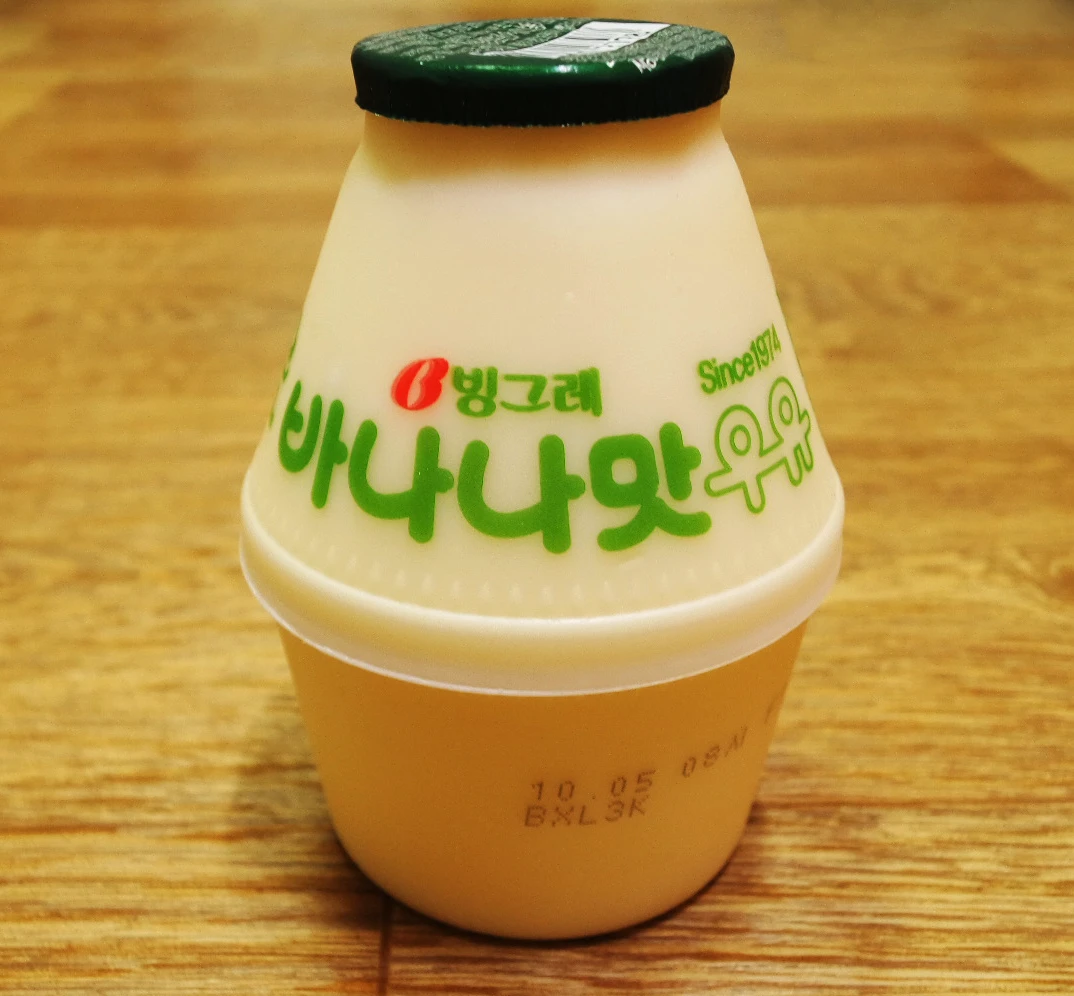
Choose banana milk for the most recognizable first sip, coffee milk when you actively want caffeine, sikhye for a traditional non-fizzy drink, and Milkis when you want sweet carbonation. None is a low-sugar default, and recipes vary by brand and flavor, so the label matters more than the category name.
Those four choices sit close together in many Korean convenience-store drink cases, but they solve very different cravings: creamy, caffeinated, grain-based, or fizzy.
The four-drink comparison at a glance
Banana milk — Creamy, softly fruity, and very sweet. It normally is not chosen for caffeine, but verify the exact bottle. It pairs easily with spicy ramyeon or a simple snack; check for milk allergens and added sugar.
Coffee milk — A sweet latte-like drink with caffeine that varies by product. It works with bread, a sandwich, or breakfast; count both the caffeine and the milk-and-sugar load.
Sikhye — A thin, chilled rice-and-malt drink with medium-to-high sweetness. Traditional recipes do not use coffee or tea, though packaged versions still need a label check. Expect soft rice grains; it suits a rich Korean meal or sauna eggs.
Milkis — A sweet, fizzy, yogurt-like lemon-lime soda. Standard versions are not coffee drinks, but verify the flavor label. It works best with fried or salty snacks; check carbonation, sugar, and possible milk ingredients.
The sweetness ratings are practical impressions, not laboratory rankings. A light banana-milk version, a zero-sugar Milkis, homemade sikhye, and two coffee-milk brands can land in different places. If your goal is simply a less sweet drink, water or an unsweetened bottled tea is a safer choice than guessing among these four.
Banana milk: the easiest iconic first pick
Binggrae's squat bottle is the image many travelers have in mind. The company's official Banana-Flavored Milk page says the drink launched in 1974, uses a moon-jar-inspired bottle, and contains more than 85 percent Korean raw milk. The flavor is creamy and deliberately sweet, with banana aroma rather than the thickness of a fresh banana smoothie.
It is the easiest recommendation when the question is, "What Korean convenience-store drink should I try once?" The bottle is distinctive, the flavor is immediately understandable, and it works cold without preparation. The creaminess is especially pleasant beside spicy ramyeon, tteokbokki, or a salty triangle gimbap, although it can feel dessert-like after a very rich meal.
Banana milk is still milk. Check the allergen and ingredient panel if you avoid dairy, and do not assume that every banana-flavored drink uses the same formula. Binggrae now lists light and no-added-sugar variants alongside the original, so the yellow bottle family itself contains more than one nutrition profile.
Coffee milk: sweet comfort with a caffeine variable
Korean coffee milk is closer to a sweet ready-to-drink latte than to black coffee. One nostalgic example is Seoul Milk's triangular Coffee Pori pouch. Its current official product page says it launched in 1974 and lists 19 grams of sugar and 130 calories per 200-milliliter pack. That is one product, not a rule for every carton, bottle, cup, or pouch.
Because it contains coffee, treat coffee milk as caffeinated. The exact amount can differ sharply, and an old-fashioned-looking pouch is not automatically gentle enough for a child or a caffeine-sensitive traveler. Korea's current labeling rules require high-caffeine liquid foods at or above 0.15 milligrams per milliliter to show total caffeine and a caution statement; the Food Safety Korea explanation explains how to identify that marking. Products below that threshold may still contain caffeine, so read the full label instead of searching only for the large high-caffeine warning.
Coffee milk makes the most sense with a bakery item, sandwich, or quick breakfast. It is less useful as a thirst quencher because sweetness and milk can make it feel heavy. If you already had an Americano, an energy drink, or several teas, count coffee milk as another caffeine decision rather than harmless flavored milk.
Sikhye: traditional rice sweetness, served cold
Sikhye (식혜) is a chilled drink made from rice and barley malt, often with soft rice grains floating at the bottom. VisitKorea's sikhye guide describes it as a sweet fermented rice-and-malt beverage associated with parties and holidays. It is also familiar at jjimjilbangs, where a cold bottle or cup of sikhye is commonly paired with baked eggs.
Do not expect milk, soda, or fruit juice. Sikhye is thinner and grainier, with a gentle malt aroma and a sweetness that can feel cleaner than flavored milk even when the sugar content is substantial. Some people love the rice grains; others interpret them as something accidentally left in the can. Shake only if the package tells you to—otherwise a gentle turn is enough to redistribute settled grains without creating a messy opening.
Traditional sikhye does not depend on coffee or tea, so caffeine is not its defining concern. Packaged recipes can add or change ingredients, however, and anyone avoiding caffeine absolutely should still check the label. The same caution applies to vegan assumptions: the traditional idea is grain-based, but only the actual ingredient and allergen panel can confirm a manufactured product.
Try sikhye after barbecue, a holiday-style meal, or at a sauna. Enjoy it as a beverage rather than treating it as a medical digestive remedy.
Milkis: the creamy soda surprise
Milkis is not carbonated milk. Lotte Chilsung's official brand page describes it as a carbonated soft drink balancing milk-like softness, fizz, and sweetness. The original tastes like a mild yogurt or cream soda with a lemon-lime edge. Fruit flavors and zero-sugar versions can taste noticeably different.
The bubbles make Milkis refreshing with fried chicken, chips, corn dogs, or spicy snacks. It can also feel more filling than a clear soda, so it is not everyone's choice beside a large meal. Standard Milkis is not marketed as a coffee or energy drink, but travelers who must avoid caffeine should verify the exact can rather than extending that expectation to every flavor or limited edition. Check the allergen panel as well; a creamy taste does not tell you precisely which milk-derived ingredients a market-specific formula contains.
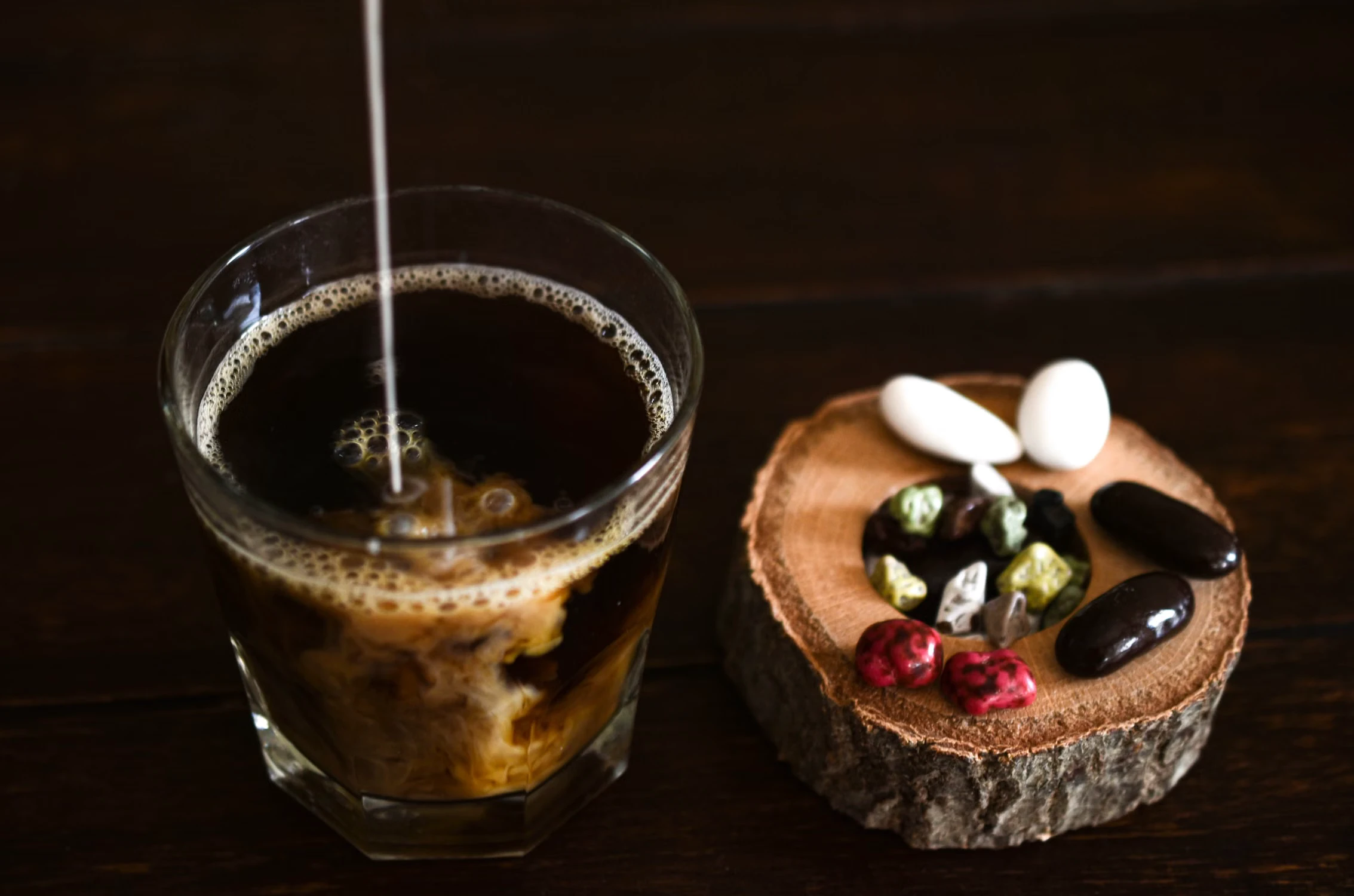
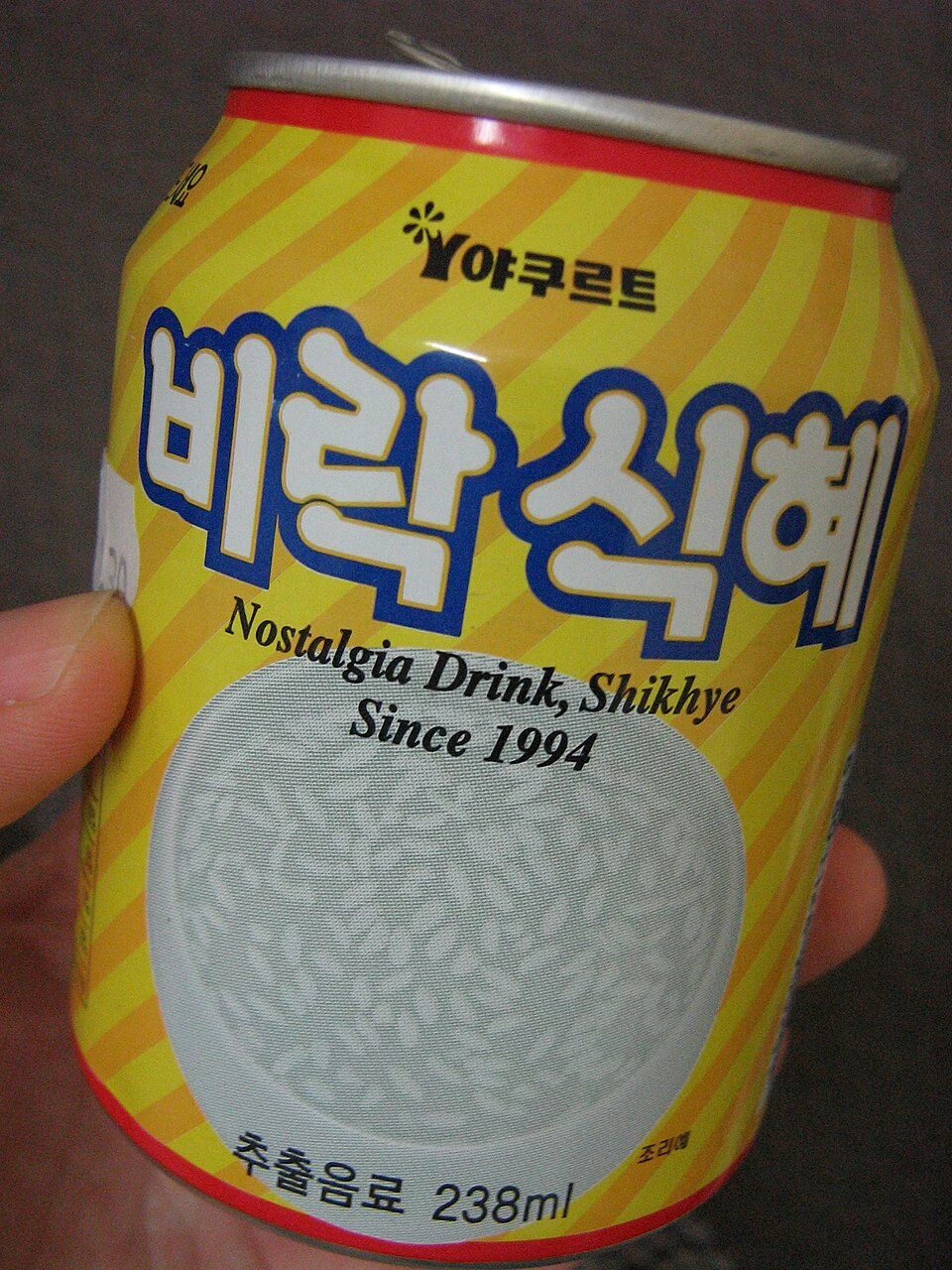
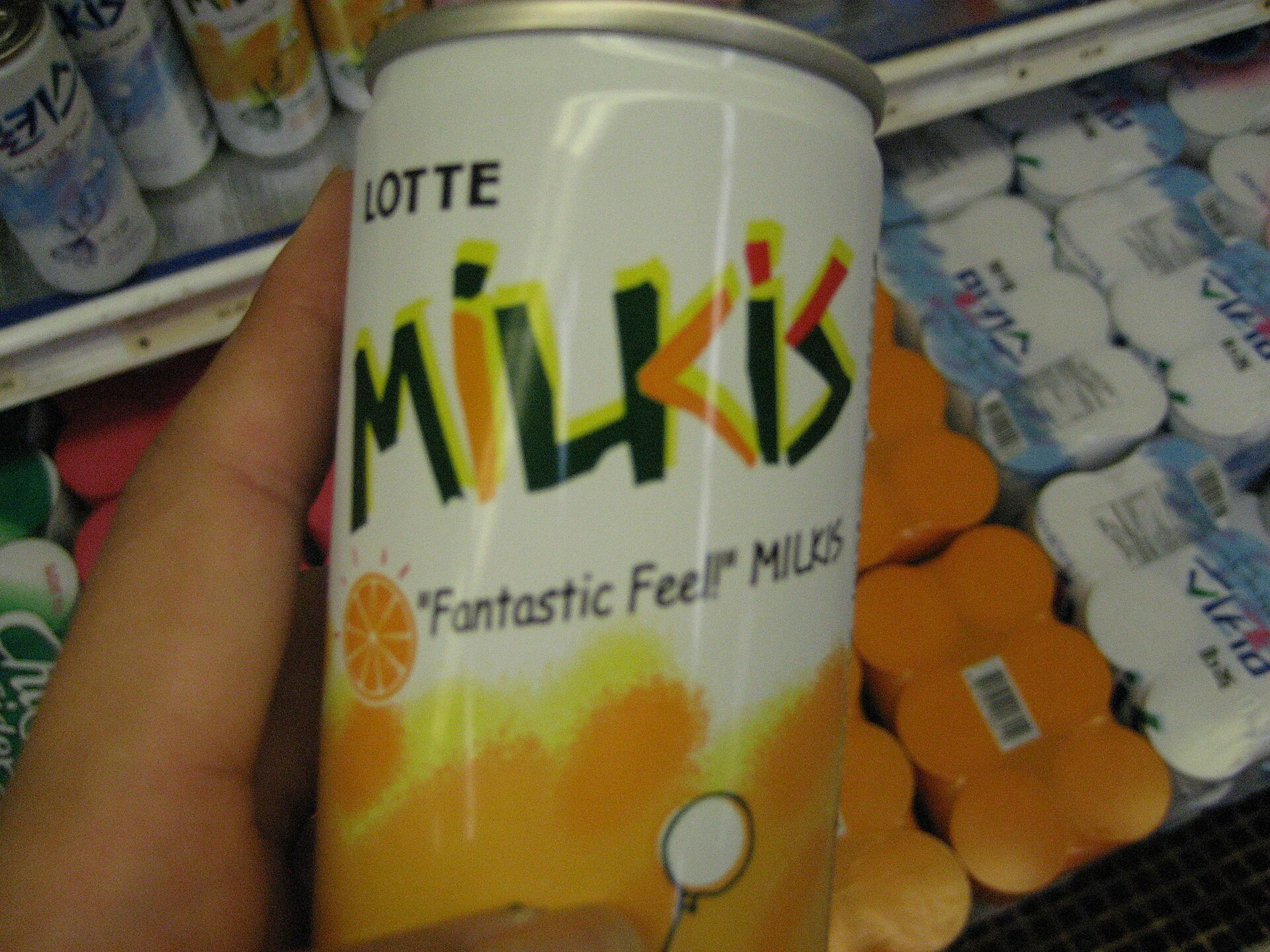
The first slide is a visual reference for coffee mixed with milk, not a Korean packaged coffee-milk product. The sikhye slide shows a canned rice drink. The Milkis slide shows an older citrus variety rather than today's original can, which is useful evidence that flavors and packages change.
Choose by situation, not by internet fame
Pick banana milk if you want one famous item with a familiar creamy texture. Pick coffee milk if a sweet latte sounds good and caffeine fits your day. Pick sikhye if you want the drink that says the most about Korean holiday and sauna culture. Pick Milkis if the question is not "milk or soda?" but "why not both sensations at once?"
A 2026 Reddit convenience-store discussion captures an important reality: banana milk mixed with coffee is popular online, yet several commenters living in Korea said it was not a normal everyday Korean habit. Korea Tourism Organization does publish a GS25 banana-milk espresso recipe, so the combination is real as a promoted convenience-store experiment. It simply should not be presented as something all Koreans routinely drink. Try the original beverages first; remix them only if the experiment sounds fun.
Read three parts of the label
Before paying, check 당류 for sugars, 카페인 for caffeine information, and the allergen statement for milk or other ingredients you avoid. Also check the use-by date and whether the drink must remain refrigerated. A translation camera is useful for orientation, but people with allergies should verify the full label rather than relying on the front design or a translated flavor name.
All four drinks are best cold. Buy the smallest size available for a first taste, share if you are sampling several, and keep water as the actual thirst drink. The winner is not the most famous bottle; it is the one whose sweetness, caffeine, texture, and food pairing fit the moment.
Sources and image credits
- Binggrae Banana-Flavored Milk — Official launch history, bottle design, milk content, and current product variants.
- Seoul Milk Coffee Pori — Official product history, serving size, sugar, and calorie information.
- Food Safety Korea — High-caffeine labeling threshold and required caution wording.
- VISITKOREA sikhye guide — Traditional ingredients, serving style, and cultural context.
- Lotte Chilsung Milkis — Official description of Milkis as a carbonated soft drink.
- Reddit r/KoreanFood discussion — Anecdotal context on banana milk mixed with coffee; not treated as a nationwide habit.
- VISITKOREA GS25 recipe — Officially promoted banana-milk espresso combination.
- Jocelyndurrey via Wikimedia Commons — Featured Banana-Flavored Milk bottle image, CC BY-SA 4.0.
- Taner Soyler via Pexels — Coffee-and-milk reference image under the Pexels License.
- Lillian Ling via Wikimedia Commons — Sikhye can image, CC BY-SA 2.0.
- Sung Sook via Wikimedia Commons — Older Milkis citrus can image, CC BY 2.0.
Last updated


