
Are Animal Cafés in Korea Ethical? How to Choose
An animal café can look calm in a short video while giving its residents little choice, privacy, or rest. Use this welfare-first guide to judge cat and dog cafés, recognize stress signals, understand why direct-contact exotic-animal venues are a poor choice, and behave in a way that lets the animals opt out.
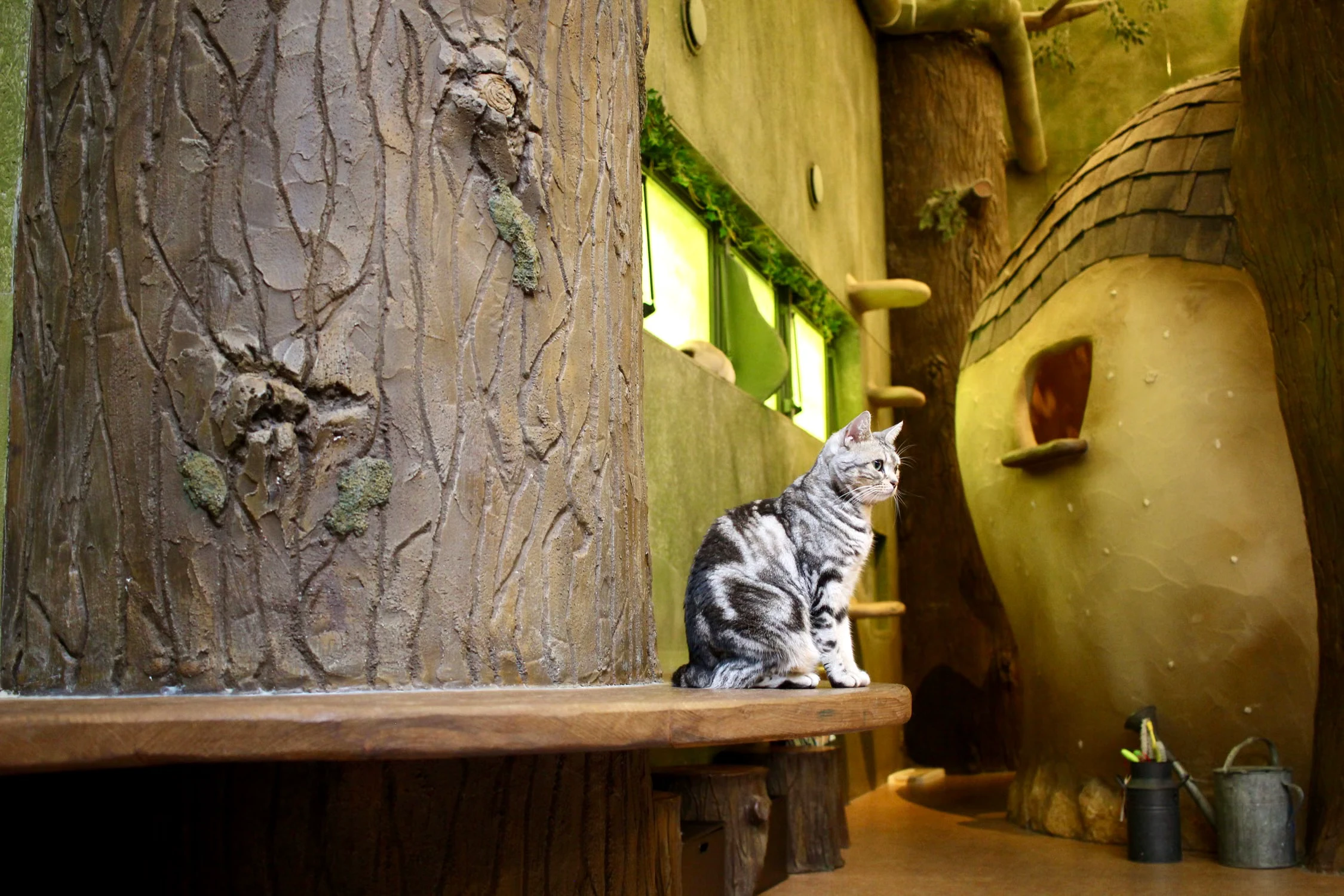
The kindest animal-café visit may be the one you decide not to make. A clean room, cute photos, and a business registration do not prove that animals have enough space, compatible companions, medical care, or the freedom to avoid strangers. The useful question is not simply “Are animal cafés legal?” but “Can each animal choose where to rest, whom to approach, and when the interaction ends?”
This guide offers a welfare screen for visitors. It is not a certification list or a diagnosis of any particular venue. Conditions, operators, and animals can change, so evaluate what you can verify now.
The short answer
Do not assume that every cat or dog café is unethical, but set a high bar. Prefer a transparent rescue or adoption-focused space with low crowding, species-appropriate resources, trained staff, and a genuinely animal-only retreat. The animals should be free to approach or leave, and the venue should make no promise that every customer will get to touch one.
Skip cafés built around holding, feeding, dressing, or taking close selfies with wild or exotic animals. Captive-bred does not mean domesticated. A wild species still has physical, social, sensory, and behavioral needs that a small commercial room and a stream of visitors may not meet.
Registration is a floor, not a welfare endorsement
Korea's current Animal Protection Act treats animal exhibition as a regulated animal-related business. The law requires relevant operators to meet facility and personnel standards, register with the local authority, follow animal-management and public-health rules, receive education, and undergo inspection. It also allows sanctions for cruelty or failures to meet standards.
That legal structure matters, but a visitor normally cannot inspect records or determine compliance from a logo at the entrance. Practical inference: registration should be treated as a minimum legal checkpoint, not a guarantee that a particular animal has a good daily life. Your decision still needs to consider choice, environment, staffing, behavior, and the business model.
Research before you pay
Look beyond the venue's own short videos. Search recent Korean and English reviews for the exact branch, then scan customer photos across different days and times. One flattering photo proves very little. Look for the number of animals, crowd density, retreat areas, feeding practices, and whether staff stop unwanted handling.
Ask what kind of place it is. A normal pet-friendly café lets guardians bring their own animals and has different risks from a café where animals live on site. A rescue or adoption lounge should name the partner organization, explain veterinary care and adoption screening, and show outcomes that can be verified. The word “rescue” alone is not evidence.
Check the rules before booking. Good rules often include hand washing, no waking or lifting animals, no flash, limited treats, supervised children, a maximum capacity, and time away from visitors. Be cautious when marketing guarantees cuddling, lap time, feeding, or a posed photograph. Practical inference: a guaranteed interaction can conflict with the animal's right to refuse it.
A detailed 2025 traveler discussion about Korean animal cafés contains both positive and troubling reports. The useful lesson is not to accept any anonymous review as a verdict; it is to identify concrete observations such as pacing, matted fur, odor, a retreat gate, or staff allowing animals to walk away.
Six green flags at the venue
1. A real no-visitor zone. The animal can enter it freely, and guests cannot reach through a barrier or follow. A decorative bed in the public room is not the same as an escape route.
2. Enough separated resources. Cats need multiple quiet resting and hiding places, elevated routes, litter areas, food, and water arranged to reduce competition. Dogs need comfortable rest, water, toileting breaks, and space away from other dogs and people. Wild species need far more specialized environments.
3. Staff protect the animal's choice. They redirect chasing, crowding, lifting, tail pulling, repeated feeding, and flash photography without waiting for an animal to snap or hide. They know individual animals and can close an area when one needs rest.
4. The room is calm rather than staged. Capacity is controlled, noise is moderate, exits are secure, and animals are not continually moved into camera positions. Some animals may choose not to interact at all. That is a successful welfare outcome, not a disappointing service.
5. Care is transparent. The operator can explain where animals sleep, how much visitor-free time they receive, which veterinarian provides care, and what happens when an animal is ill, elderly, incompatible with the group, or no longer commercially popular.
6. Hygiene protects animals as well as guests. Litter, waste, food, and drink areas are separated; water is fresh; coats and nails appear cared for; and sick animals are not left in the public room. Strong fragrance can mask odor rather than solve a sanitation problem.
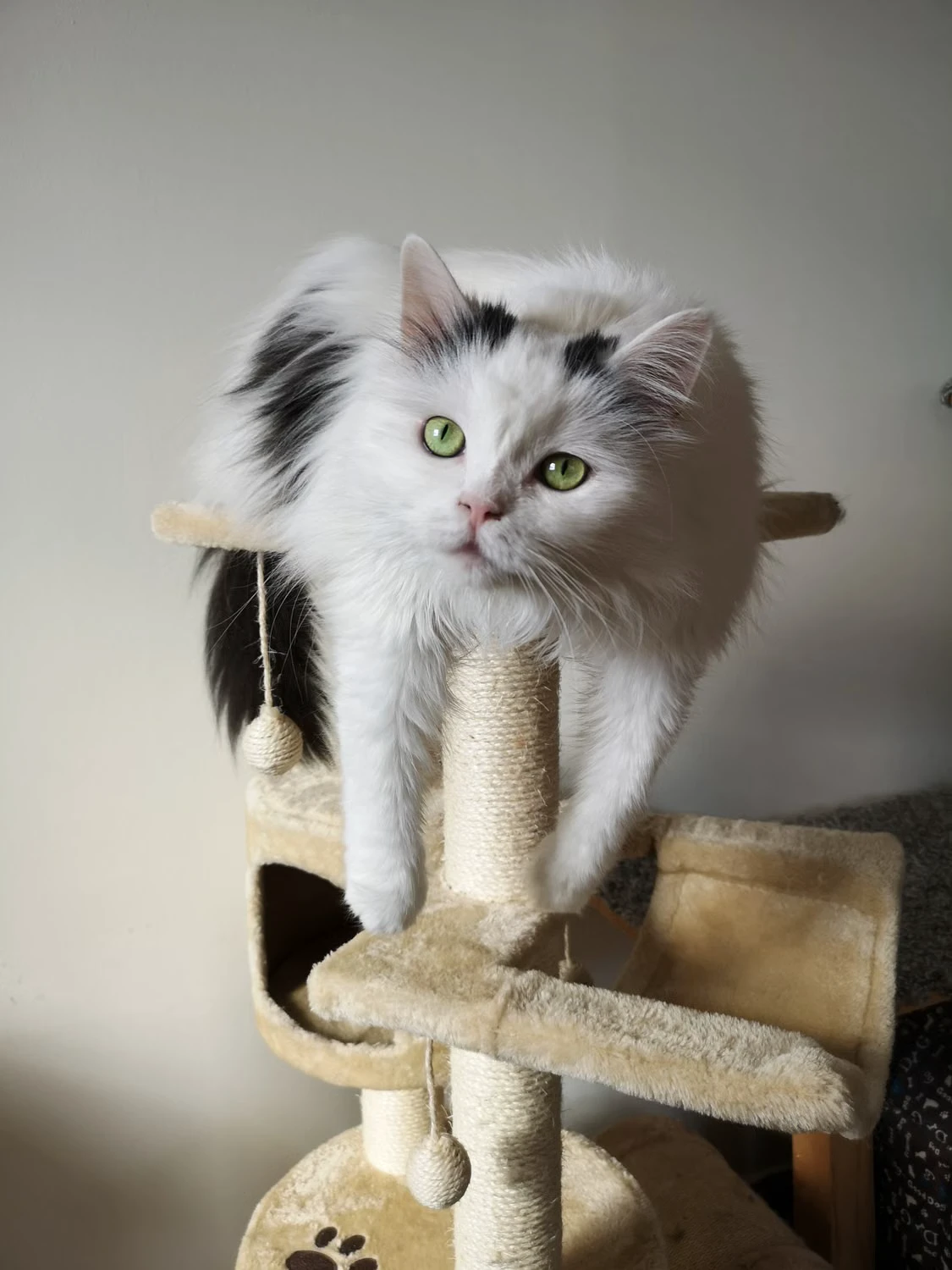
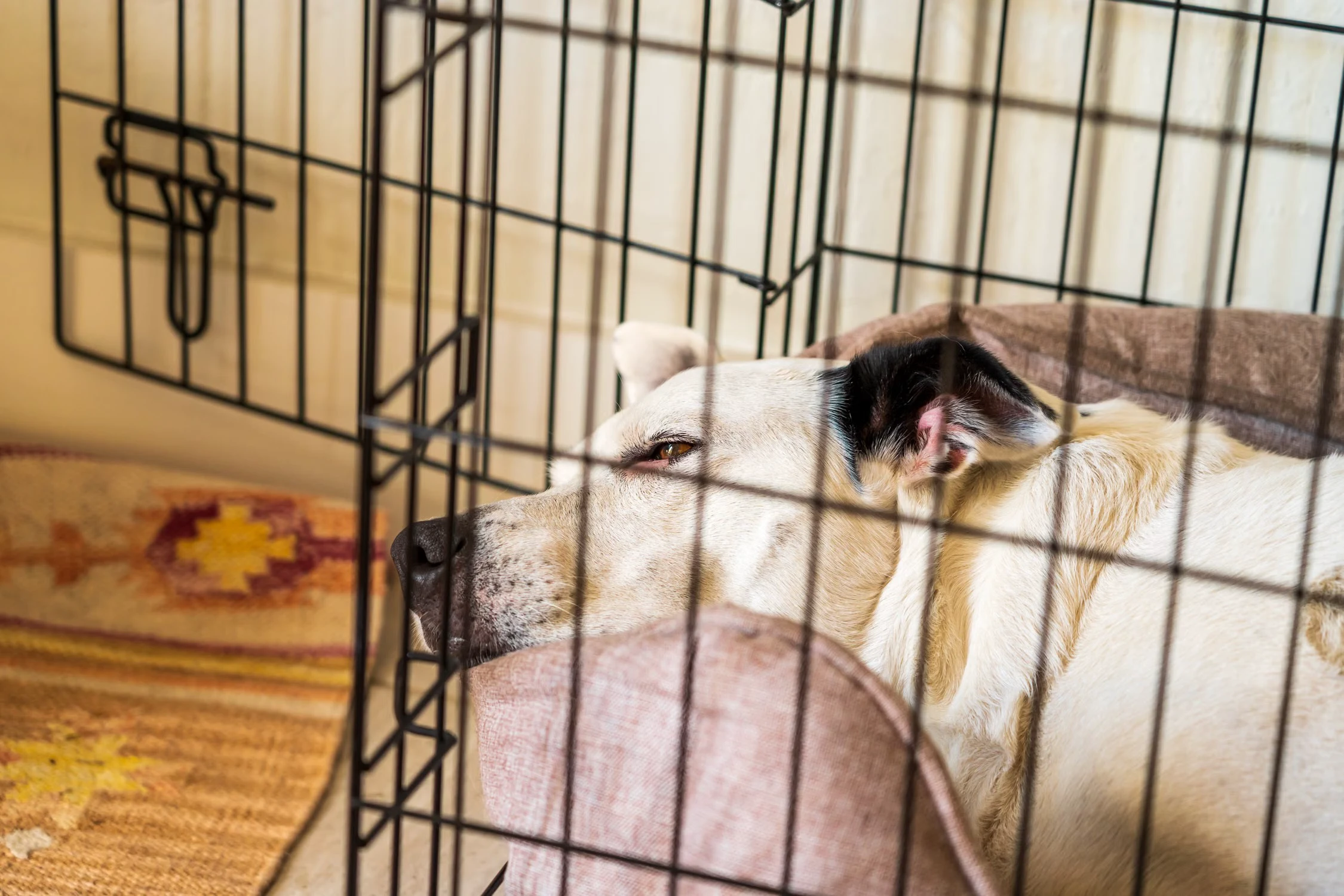
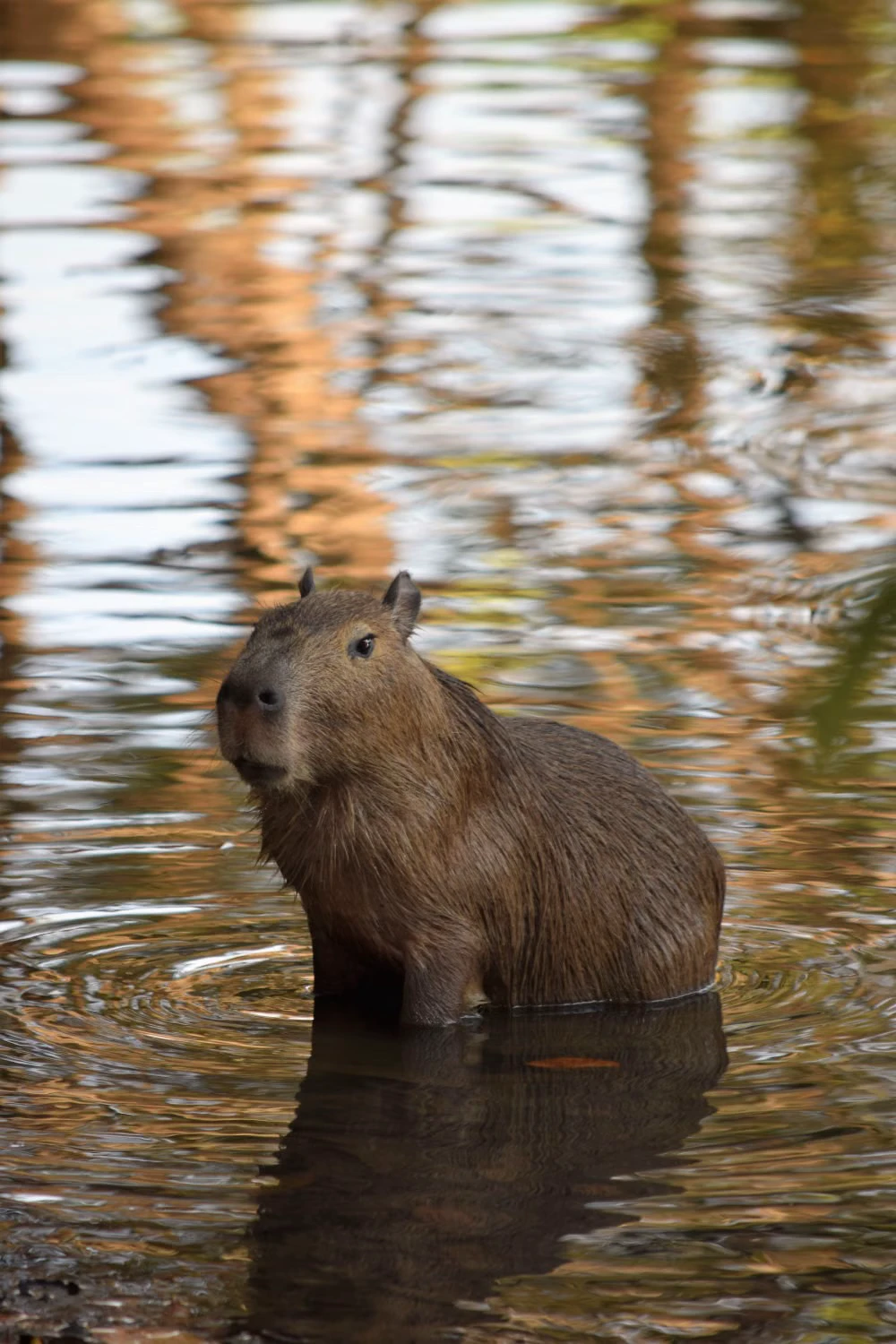
These licensed stock images illustrate three different needs: elevated cat furniture with a partially enclosed retreat, an individual resting area for a dog, and water deep enough for a capybara to stand and move in. They are not photos of the cafés discussed here. The point is to ask whether the real venue provides species-appropriate choice and resources, not whether its décor resembles these scenes.
Red flags that should make you leave
Walk away if animals cannot escape the public, if staff place them on customers, or if touching continues while the animal retreats. Do the same when visitors can wake sleeping animals, feed unlimited treats, use flash at close range, or handle animals without hand washing or supervision.
Repeated pacing, circling, frantic digging at a hard surface, bar biting, overgrooming, feather damage, persistent escape attempts, and repetitive swaying can signal poor welfare. In cats and dogs, also notice flattened ears, tucked posture, freezing, repeated lip licking, yawning out of context, whale eye, panting without heat or exercise, growling, and hiding with no safe exit. No single behavior proves abuse; context matters. A cluster, repetition, injury, poor coat, crowding, and staff indifference is much more concerning.
Do not interpret stillness as automatic contentment. The RSPCA and Cats Protection's 2025 cat-café welfare statement warns that cats may show subtle stress and can appear to sleep when they are coping with an environment they cannot leave. The statement calls for a phase-out in England and Wales; it is not Korean law, but its behavioral and environmental concerns are useful when evaluating any crowded cat café.
Leave if the venue refuses reasonable questions about animal origin or veterinary care, has visibly untreated wounds or matted coats, mixes incompatible species for novelty, or treats a distressed reaction as funny content. Do not reward the scene with a ticket merely to “check it out.” Revenue and social posts sustain the model.
Cat cafés: quiet does not always mean comfortable
Cats need control over proximity. International Cat Care's current guidance on group housing emphasizes hiding places, separated resources, vertical space, and choice. In a café, look for multiple routes rather than one shelf that can be blocked, and for resting spaces beyond customer reach. Cats should not have to cross a crowded floor to reach water or litter.
High numbers of unrelated cats in one enclosed room raise competition and disease-control concerns. A café can feel peaceful to a visitor while one cat guards a route or another remains motionless to avoid conflict. Ask how groups are formed and whether cats that do not cope well can leave the café permanently.
An adoption lounge can be a better model only when adoption is genuine and welfare comes before access. Favor scheduled, low-capacity visits and animals housed through a recognized rescue with medical records and screening. Donating to or volunteering with a transparent shelter may be a more reliable way to help than buying a drink.
Dog cafés: distinguish play from overload
Some Korean “dog cafés” are pet-friendly social spaces where guardians bring their own dogs; others keep resident dogs as the attraction. In either model, look for vaccination and health rules, staff who understand dog body language, separate zones for mismatched size or energy, and an easy path to rest.
Healthy play is loose, bouncy, and reciprocal, with pauses and role changes. It becomes concerning when one dog repeatedly pursues another that is hiding, stiff, tucked, or trying to climb onto furniture or people. Staff should intervene early. A resident dog sleeping behind a barrier is not failing to entertain you; it is using a necessary option.
Be particularly cautious when a café markets one fashionable breed, extreme body shape, costume, or trick as a guaranteed photo. Welfare should not depend on performing through every booking slot.
Exotic-animal cafés: make this the easy decision
Wild and exotic animals are not simply unusual pets. Born Free's 2025 joint statement explains why interactive capybara cafés conflict with capybara needs: they require water, suitable social groups, space, and privacy from humans. World Animal Protection has documented distress and inadequate housing in otter cafés, including repetitive behavior, isolation, and lack of appropriate water.
The same logic extends beyond those species. Meerkats need complex digging and social opportunities; raccoons are intelligent, dexterous, and often nocturnal; reptiles and birds have highly specific temperature, light, humidity, flight, and refuge needs. A small room offering direct contact throughout business hours is a poor place to prove those needs are met. Choose observation-led programs at credible conservation, rehabilitation, or professionally managed zoological institutions instead, and verify their welfare and conservation claims too.
Be the visitor an animal can refuse
Wash and dry your hands. Sit or stand quietly and let an animal approach. Pet only where the rules allow and stop when it turns away, stiffens, lowers its body, swishes its tail sharply, moves its ears back, or leaves. Never wake, chase, corner, lift, restrain, kiss, dress, or feed an animal without explicit staff direction. Keep bags, food, strings, and small objects secure.
Photograph without flash and without blocking an exit. Do not move an animal or hold a treat next to your face for a selfie. Keep children within arm's reach and leave immediately if they cannot follow the rules. A shorter, uneventful visit is better than extending contact until an animal objects.
If you see a welfare problem
First protect yourself and the animal: stop the interaction, tell staff calmly, and leave if the response is dismissive. Record only what is lawfully visible from the customer area—time, conditions, behavior, signage, and the exact branch. Avoid touching an injured or frightened animal, entering staff-only spaces, or starting a confrontation.
For an immediate threat, violence, or public-safety emergency in Korea, call police at 112. For a non-immediate welfare concern, contact the district or city office responsible for the registered animal business and provide specific observations rather than speculation. Keep original photos or video, receipts, and timestamps. Public reviews should describe verifiable facts and avoid naming private individuals or making diagnoses you cannot support.
A 30-second decision at the door
Before paying, answer six questions: Can every animal leave the visitor area? Are species-appropriate resources visible? Are numbers and noise controlled? Do staff prevent forced contact? Is care and animal origin transparent? Would the venue still have a business if customers were promised observation but no touching?
If several answers are no or unknown, spend your time and money elsewhere. Ethical tourism is not about finding a perfect photo; it is about refusing to make an animal's lack of choice part of the experience.
Sources and image credits
- Animal Protection Act — Checked for guide details or image attribution.
- traveler discussion about Korean animal cafés — Checked for guide details or image attribution.
- cat-café welfare statement — Checked for guide details or image attribution.
- hiding places, separated resources, vertical space, and choice — Checked for guide details or image attribution.
- interactive capybara cafés conflict with capybara needs — Checked for guide details or image attribution.
- distress and inadequate housing in otter cafés — Checked for guide details or image attribution.
Last updated


