
Are K-Dramas Still Filmed While They Are Airing?
Some weekly K-dramas still begin broadcasting before filming is finished, but full and partial pre-production are now common. The real divide is a spectrum of lead time, not a simple TV-versus-streaming rule.

Yes—some K-dramas still begin broadcasting while later episodes are being filmed or edited. But the notorious system in which footage could reach the network only hours before airtime is no longer the only norm. By the mid-2020s, Korean drama production sits on a spectrum: fully completed series, shows that finish filming before premiere but continue post-production, and weekly dramas that launch with a substantial head start yet wrap during the broadcast run.
The useful question is therefore not “Is this K-drama live-shot or pre-produced?” It is how much of the script, photography, editing, visual effects, music, and delivery is complete when episode one airs. Two dramas can both be called “pre-produced” while carrying very different levels of schedule risk.
What “live-shoot” actually meant
Korean live-shoot was never live television in the sense of actors performing as viewers watched. It meant that writing, filming, and editing continued during the broadcast window, sometimes only days ahead of transmission. A production normally banked several early episodes, then the weekly release schedule began catching up with the crew.
A 2015 Korea Herald examination of the system described the majority of dramas at the time as “semi-live,” with episodes scripted, shot, and edited mere days before airing. Cast members on the pre-shot JTBC drama Last contrasted its early scripts and reasonable schedule with the confusion and exhaustion they had experienced elsewhere. The article also explained that delay was not caused by one reckless director alone: casting, locations, financing, the broadcast slot, and many production decisions could remain unsettled until late.
That compressed pipeline had one creative advantage. Writers and producers could see ratings, online discussion, and chemistry between actors, then emphasize a popular supporting character, adjust tone, or rewrite an ending. It also made late extensions and product-placement deals easier to absorb. The cost was that every delay moved downstream: a late script squeezed rehearsals, filming, editing, color, sound, music, subtitles, and visual effects.
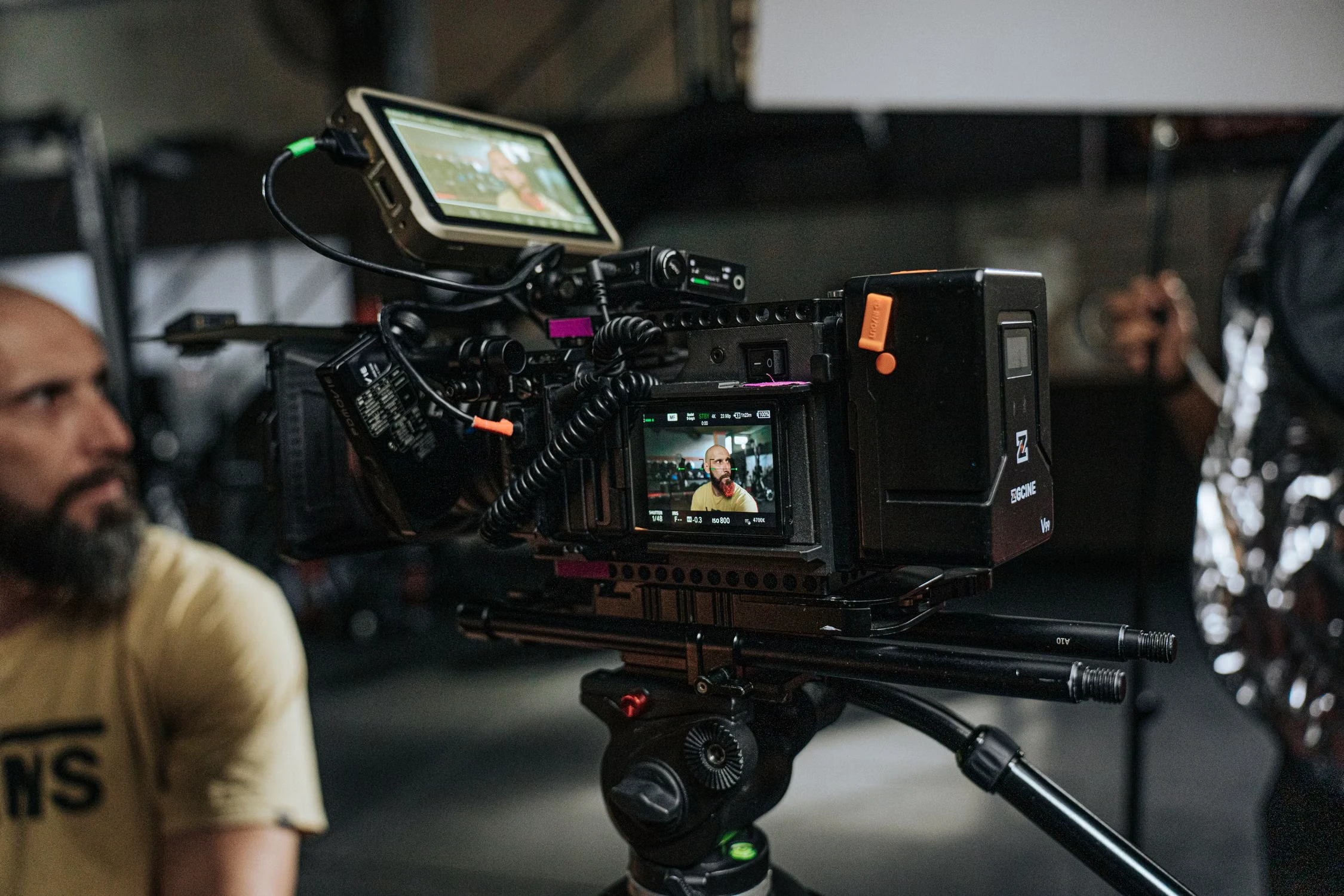
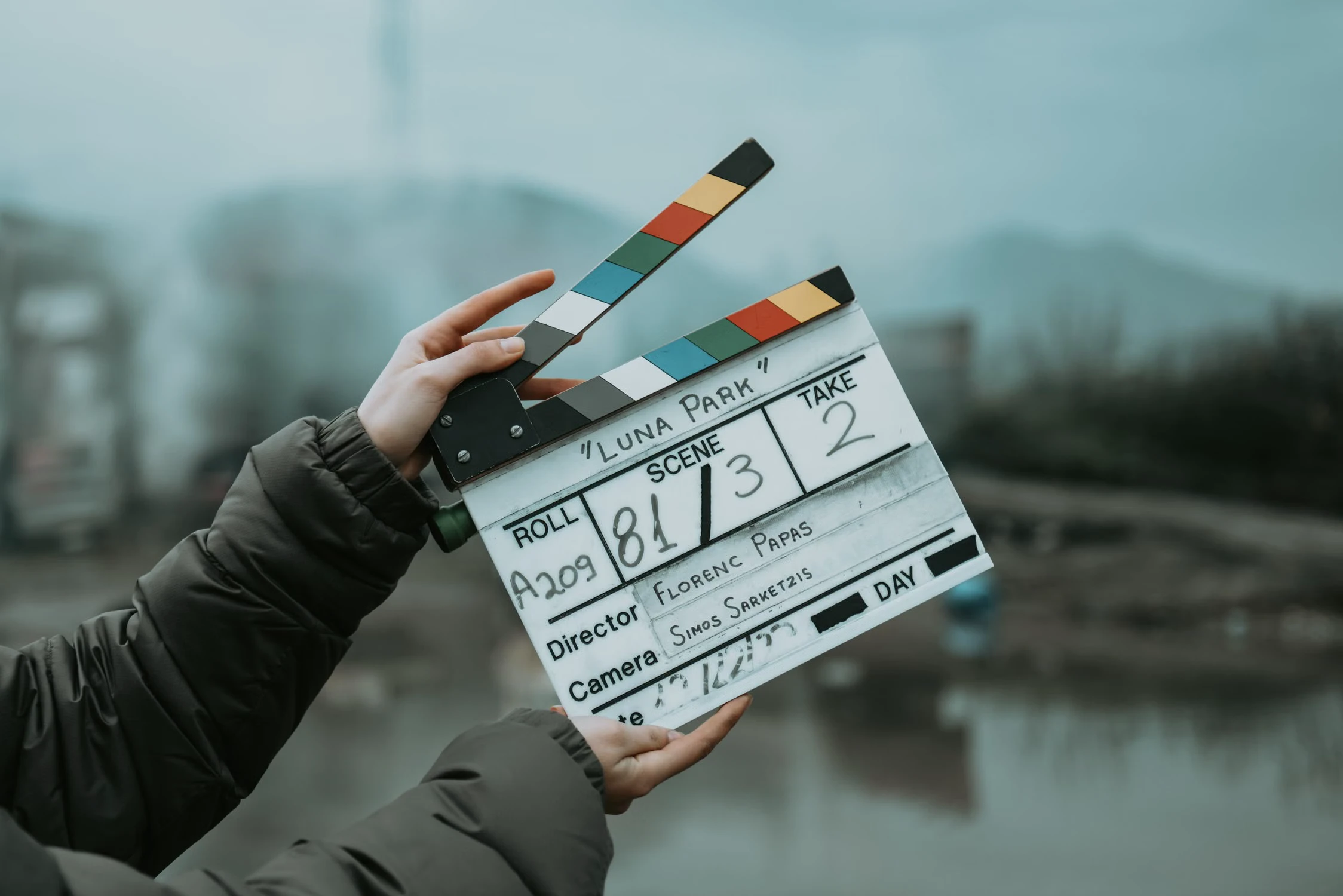
A scene can be shot quickly, but a broadcast-ready episode still needs continuity checks, picture editing, sound, color, graphics, music, captions, and delivery. The slate marks the beginning of a take, not the end of production.
Why the old system became harder to sustain
The most important pressure is human. A 2019 Yonhap report on television crew working conditions described allegations that crew on Arthdal Chronicles worked extreme schedules; the production company denied violating labor rules. The report connected the wider debate to tightened weekly working-hour rules and efforts to adopt standard labor contracts. It also characterized the industry's live-show model as episodes being written, filmed, and edited as late as the day of broadcast, with sleepless nights borne by camera, lighting, audio, writing, and other staff.
Labor regulation does not automatically eliminate overtime or classify every freelancer the same way. It does make the old assumption of limitless nights harder to defend and harder to plan around. Safer turnaround requires more shooting days, split units, earlier scripts, or a larger bank of completed material.
Global distribution adds another deadline. An episode released across multiple territories needs subtitles, dubbing assets, quality control, age-rating materials, artwork, and platform delivery. Complex action and fantasy series need visual-effects time that cannot be recovered by simply working faster on the final night. Streaming services also prefer a predictable set of masters, especially when every episode drops at once.
These forces favor full pre-production, but they also create a practical middle ground: start early, complete most photography before premiere, and keep enough buffer that post-production is not racing the broadcast clock.
Recent examples show both ends of the spectrum
The 2024 tvN romance Lovely Runner is a useful hybrid example. Soompi recorded its premiere on April 8, 2024, while a fan discussion compiling the production timeline placed the final filming around April 9. The wrap date is community documentation rather than an official production notice, so it should be read cautiously. Even so, the dates illustrate a modern pattern: a long shoot had produced a large buffer, yet photography apparently continued into premiere week. That is filming while airing, but it is not the hour-before-broadcast crisis associated with older live shoots.
At the opposite end, tvN's Resident Playbook had already wrapped before its planned May 2024 premiere, then sat unreleased amid controversy surrounding South Korea's doctors' strike. The Korea Herald reported in April 2025 that the completed series was finally airing nearly a year later. Full production protected the finished episodes from a weekly race, but it could not protect the project from a scheduling and context risk that emerged after filming.
Those examples also show why “Netflix drama” and “broadcast drama” are unreliable labels for production method. A broadcaster series may be fully shot and stream globally. Another may air weekly while finishing later episodes. An OTT original can complete photography early but spend months in visual effects, and a co-production may have delivery requirements from both systems.
What pre-production improves
The clearest gain is planning. Actors can read a complete arc, directors can preserve visual continuity, and departments can schedule locations, weather, stunts, and effects with fewer emergency changes. Editors can discover a missing insert or weak transition while there is still time for a pickup. Music and sound can support the whole season rather than only the next deadline.

Longer post-production matters even for dramas without creatures or explosions. Phone screens, window reflections, crowd cleanup, continuity fixes, color matching, dialogue repair, and background sound all shape whether a scene feels polished. The widely discussed KDRAMA retrospective on live-shoot failures collected older examples of unfinished effects, broken audio, and episodes interrupted by technical problems. It is a community history rather than a primary production record, but it captures what viewers could literally see when the buffer collapsed.
Earlier completion also supports safer work and simultaneous international delivery. It reduces the chance that illness, weather, a location conflict, or an actor's later schedule forces a last-minute rewrite. None of this guarantees a good drama. It gives the team time to make deliberate choices.
What pre-production gives up
A fully locked season cannot easily respond to its audience. If a supporting couple becomes the surprise favorite, their screen time cannot be expanded. If viewers find an explanation confusing, later episodes cannot add clarification. A performance that develops unexpectedly during filming may be limited by an ending already shot.
The financial risk also moves earlier. More money is committed before ratings or platform response arrives. A completed drama can wait months for a slot, be released into a changed social context, or struggle to find a buyer. Resident Playbook is an unusually visible example of the scheduling problem; other finished projects can remain in inventory with much less attention.
Finally, “pre-produced” can become a marketing label that hides crunch. A shoot may finish before premiere because the crew worked punishing hours, while editing and effects continue under pressure. The relevant evidence is not the wrap announcement alone. Lead time, daily schedules, post-production time, contracts, and contingency planning matter too.
Why some producers still value a weekly feedback loop
Television is a conversation as well as a file delivery system. Domestic broadcasters still care about weekly ratings, advertiser response, and which characters generate discussion. A partly live structure can turn genuine audience chemistry into a stronger second half. It can also keep the show culturally present because cast and crew are promoting a story they are still making.
But audience response does not explain every change. Scripts may shift because of weather, injury, location access, budget, broadcast standards, or an actor's availability. Fans often attribute an unpopular turn to ratings pressure without evidence. Unless a writer or producer confirms the reason, the safer conclusion is simply that the production remained flexible.
How to tell which system a drama used
Look for concrete dates rather than a generic label:
- Compare the first broadcast date with the announced filming wrap. If the wrap comes later, principal photography overlapped the release.
- Distinguish “filming completed” from “production completed.” Editing, sound, visual effects, music, and localization may continue after the cameras stop.
- Check whether the entire season dropped at once or aired weekly, but do not treat the release pattern as proof.
- Prefer a production-company, broadcaster, cast, or reputable-news announcement over fan-maintained timelines. If only fan documentation exists, label the uncertainty.
The short answer remains yes, but “still filming while airing” now covers very different realities. A modern weekly drama may finish its last scenes just after episode one while holding weeks of edited material. That is far removed from a crew delivering the next episode on broadcast day. The direction is toward longer lead times and more complete pre-production, while the hybrid model survives wherever weekly television, financing, and creative flexibility still reward it.
Photo credits
- Film crew: Caleb Oquendo / Pexels.
- Camera setup: Emanuel Pedro / Pexels.
- Film slate: Erik Uruci / Pexels.
- Editing suite: Amar Preciado / Pexels.
Sources and image credits
- 2015 Korea Herald examination of the system — Checked for guide details or image attribution.
- 2019 Yonhap report on television crew working conditions — Checked for guide details or image attribution.
- Soompi recorded its premiere on April 8, 2024 — Checked for guide details or image attribution.
- fan discussion compiling the production timeline — Checked for guide details or image attribution.
- Korea Herald reported in April 2025 — Checked for guide details or image attribution.
- KDRAMA retrospective on live-shoot failures — Checked for guide details or image attribution.
- Caleb Oquendo / Pexels — Checked for guide details or image attribution.
- Emanuel Pedro / Pexels — Checked for guide details or image attribution.
- Erik Uruci / Pexels — Checked for guide details or image attribution.
- Amar Preciado / Pexels — Checked for guide details or image attribution.
Last updated


