
Are K-Drama Filming Locations Actually Worth Visiting?
Score a K-drama location by recognition, independent appeal, access and travel effort. Learn when an open set, business, beach or ordinary exterior deserves the detour.
Some K-drama filming locations are absolutely worth visiting. The strongest stops give you two rewards: a scene you recognize and a place that is enjoyable after the fan moment is over. A preserved set in a park, a palace already on your itinerary, a beach, or a working market can do both.
A private house, plain wall, or ordinary doorway may still carry enormous emotional value. It is usually better as a short stop already on your route than as a cross-country journey—unless that exact scene is personally important enough to justify the time. Separate fan value from ordinary sightseeing value before booking transport.
Score the stop before adding the detour
Use four questions:
- Recognition: does a stable feature remain—building, sign, prop, view, street layout, bridge or coastline?
- Independent value: would you enjoy the market, park, museum, trail, café or beach without the drama?
- Access certainty: is it a public attraction, an operating business, an exterior-only building, or private property?
- Travel friction: what is the true door-to-door time, including transfers, opening hours, admission, weather and the return journey?
The best long detours score well in all four. A low-recognition doorway can still be delightful when it is ten minutes from another plan. The same doorway may disappoint after four hours of travel. There is no universal “worth it”; there is only a fan payoff that either does or does not justify the friction for you.
Four location types create different expectations
1. Purpose-built open sets
Open sets offer the clearest immersion because the architecture was designed to support filming. MBC Dae Jang Geum Park is a large historical-drama set in Yongin. VISITKOREA currently lists defined seasonal hours and admission, but those details can change. Mungyeongsaejae Open Set is connected to Mungyeong Provincial Park and includes palace, hanok and commoners' village settings; its official listing also warns that filming and maintenance periods can close the site.
Treat an open set like an attraction, not abandoned scenery. Check the operator's same-day notice, ticket window, last entry, closure day and whether active production limits a zone.
2. Real attractions used in a drama
Parks, beaches, palaces, museums, markets and scenic trails are the safest choices for a major day. They still offer a reason to visit when a prop disappears or the exact camera angle is hard to find. VISITKOREA's Crash Landing on You route in Chungju combines the screen connection with a market, cave, dam and walking scenery. The trip retains value even if recognition is imperfect.
3. Working businesses and institutions
A café, restaurant, workshop or school is not a permanent exhibit. It can renovate, close, change its sign or restrict photography while serving customers. Visit Seoul's Nevertheless filming-location guide illustrates that active restaurants may have reservations and operating constraints.
Use the current Korean place listing, not only an old English blog. Order normally if you use a café or restaurant's space, keep the entrance clear, and accept that staff may be unable to discuss filming or take your photo.
4. Homes, roads and ordinary neighborhoods
These offer the least predictable visit. The exterior may be all that is legally and respectfully available. A pin, scene still or old fan photo does not grant permission to enter a gate, porch, driveway, yard, rooftop, residential stairwell or private lane. If access is unclear, remain on a public path—or skip it.
Why the real location looks less dramatic
A production controls the frame. It can hide traffic, apartment blocks, utility poles, barriers and the shop next door. Temporary signs and dressing create fictional businesses. Season, lighting, focal length, color grading and a quiet filming day make a modest corner look cinematic. An interior may have been filmed at a studio or a completely different building.
Save one reference still and search for a stable feature: roofline, ridgeline, bridge, shore, intersection, window pattern or direction of light. Expecting every prop to remain leads to disappointment; matching one durable line of sight can still deliver the emotional connection.
The difference between screen and reality is not proof that the visit failed. It is the result of seeing the full neighborhood that the camera deliberately excluded.
Pohang is a complete case study in one drama
The official VISITKOREA feature The Love Story in Gongjin is Still Ongoing documents how Hometown Cha-Cha-Cha used Cheongha-myeon and Guryongpo in Pohang to build the fictional village of Gongjin. Although the feature dates from 2022, its access warnings remain essential examples; verify today's condition separately before travel.
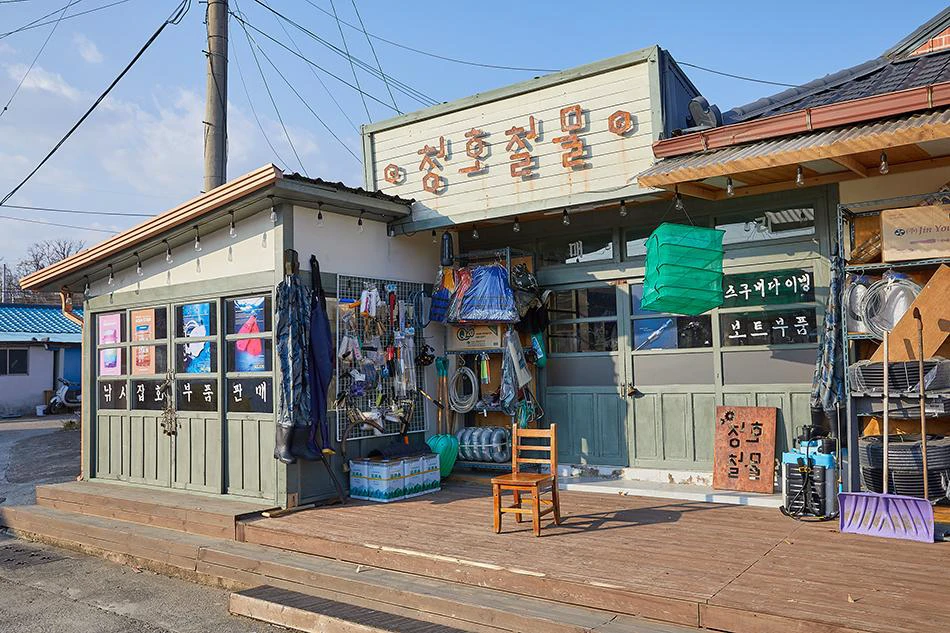
At Cheongha Market, recognizable storefront pieces remained, but the market continued to work. The Oyun Café frontage belonged to an operating aluminum factory, and the guide asked visitors to wait until work ended. A surviving façade does not convert a workplace into an attraction.
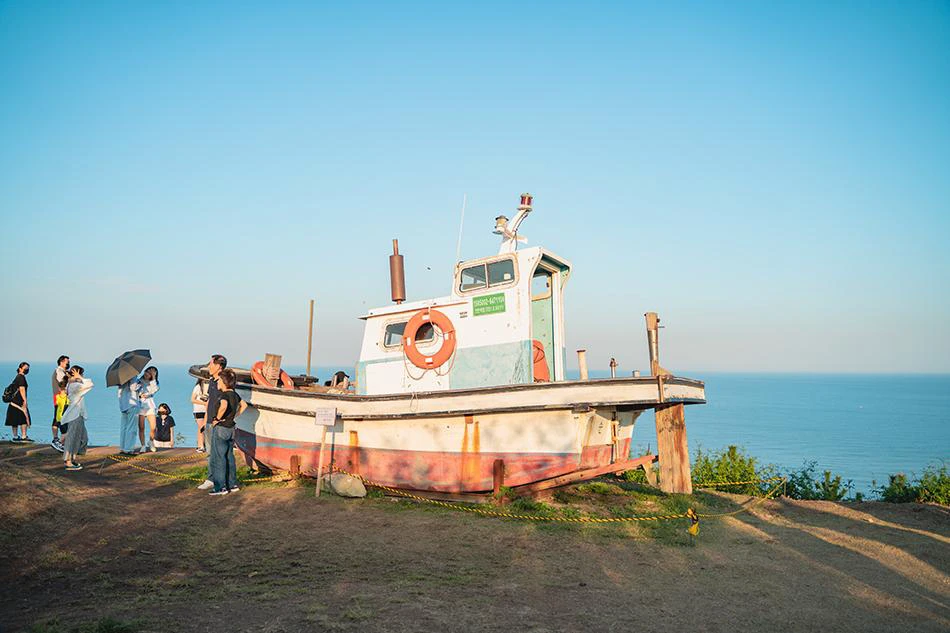
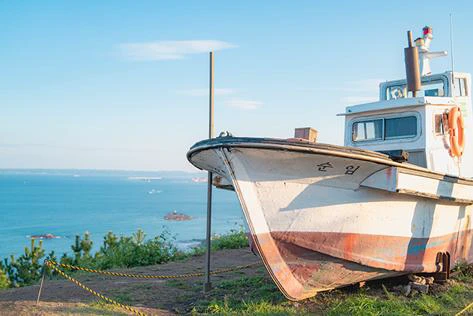
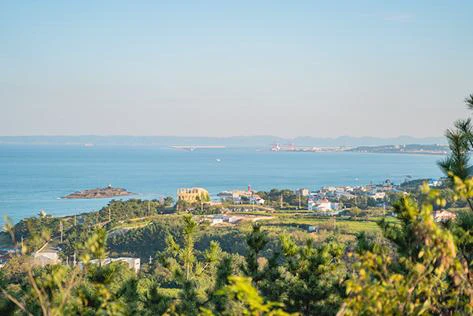
Sabang Memorial Park is the high-value version. The sea view and landscaped hill already made it a destination, while the production's Boat on the Hill prop added a clear fan reward.
Other locations demonstrate stricter limits. The building used for Yoon Dental Clinic kept its sign but did not allow interior visits. The guide warned that breakwaters lacked safety fences, identified the exact Seokbyeong 1-ri filming point as private property closed to tourists, and recorded that another featured restaurant had ceased operating. Do not treat a historical article's route as a guarantee that every stop is accessible today.
Wolpo Beach is more resilient than a temporary set. It remains a beach with its own coastal value, so the drama connection can be a bonus rather than the entire purpose of the trip.
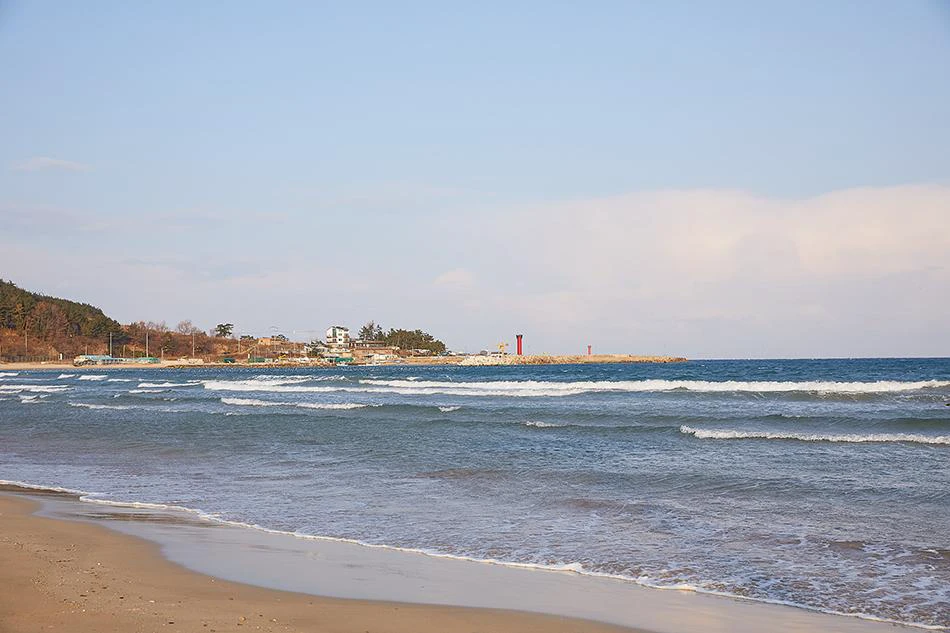
One production therefore gives you nearly every category: preserved prop, working market, active factory, exterior-only building, unfenced breakwater, private property, closed business and public beach. The words “filming location” say almost nothing about current visitor access by themselves.
Do a ten-minute reality check
Before leaving, run this sequence:
- Identify the exact scene. Save the episode and a reference still; reposts often confuse similar cafés and alleys.
- Confirm the original attribution. Start with an official tourism or production page, then find the current Korean name and pin.
- Check recent photos. Look for removed props, renovation, construction, a changed entrance or a new business.
- Check today's notice. For a business, set, museum or ticketed site, verify hours, last entry, reservation and temporary filming closure. A map's “open” status may not show a private event.
- Read the access language literally. “Filmed here” does not mean the interior is open; “viewable” may mean exterior only.
- Add a second reason to go. Pair the location with a market, trail, museum, beach, meal or neighborhood walk.
- Set an exit rule. If the place is closed, private or unsafe, take the available public view and continue—do not search for an unofficial way in.
Also check daylight and weather for coastal or remote stops. Never cross a barrier, step into traffic, climb a prop, stand on a breakwater in unsafe conditions, or fly a drone without confirming the rules.
Visit without turning a real place into a set
At a business, buy something if you occupy a table and keep photography brief. Near homes, lower your voice and do not photograph residents, license plates, door codes or windows. Do not block doors, sidewalks or roads to recreate a frame. Avoid posting instructions that encourage entry onto private property.
These are not fussy extras. A location remains welcoming only when fans respect the people who work and live there after the crew leaves.
Choose the right scale of visit
- Build a full day around it: a public open set or destination with strong independent appeal and confirmed access.
- Make a moderate detour: a recognizable business, market or park that fits another nearby activity.
- Make a short fan stop: an ordinary exterior already on your route.
- Skip it: private property, unsafe access, uncertain attribution, or a long trip for a removed feature you do not deeply value.
A filming location does not need to be spectacular to matter. Standing where a favorite scene was framed can become a favorite memory. That is genuine fan value, even when it is not attraction value. The mistake is not loving an ordinary doorway; it is expecting the doorway to behave like a theme park.
If you are moving between a station, market and remote location with luggage, store it before the detour. Find a nearby Delivery Spot luggage location.
Sources and image credits
- VISITKOREA — Dae Jang Geum Park — Current official attraction description, set context, access framework, hours and admission; live operator notice remains controlling.
- VISITKOREA — Mungyeongsaejae Open Set — Official set and park context, hours, admission and filming/maintenance closure qualifier.
- VISITKOREA — Chungju Hallyu route — Official example of pairing a drama connection with independent market, cave, dam and walking value.
- Visit Seoul — Nevertheless filming locations — Official city guide retained as context for working businesses and reservation constraints; current business listings must be checked separately.
- VISITKOREA — The Love Story in Gongjin is Still Ongoing — Historical 2022 Pohang feature documenting Cheongha Market, Sabang Memorial Park, exterior-only access, breakwater risk, private property, a closed business and Wolpo Beach; rechecked August 12, 2026, but not treated as live access confirmation.
- Delivery Spot cover asset — Web-ready Cheongha Market set image from Korea Tourism Organization / VISITKOREA's Gongjin feature; used under written operator permission.
- Delivery Spot body asset: Boat on the Hill overview — Korea Tourism Organization / VISITKOREA image from the Gongjin feature; used under written operator permission.
- Delivery Spot body asset: Boat on the Hill close view — Korea Tourism Organization / VISITKOREA image from the Gongjin feature; used under written operator permission.
- Delivery Spot body asset: Sabang Memorial Park panorama — Korea Tourism Organization / VISITKOREA image from the Gongjin feature; used under written operator permission.
- Delivery Spot body asset: Wolpo Beach — Korea Tourism Organization / VISITKOREA image from the Gongjin feature; used under written operator permission.
Last updated


